


Yes, online fitness coaches are highly effective and worth the investment for individuals seeking flexible scheduling, data-driven accountability, and cost-effective customized programming. While they lack real-time physical form correction, the 2026 landscape of wearable technology and asynchronous video analysis makes remote coaching a superior choice for busy professionals who need expert guidance without the rigid scheduling constraints of traditional in-person training.
Key Takeaways
- Cost Efficiency: Virtual coaching typically costs 60% to 80% less than traditional in-person personal training while providing similar or better programming quality.
- Unmatched Flexibility: Clients can complete their workouts on their own schedule, making it ideal for busy parents and traveling professionals.
- Data-Driven Results: Modern remote trainers utilize wearable biometric data to adjust periodization and recovery protocols in real-time.
- Asynchronous Accountability: Daily text check-ins and app-based habit tracking yield a 90% program adherence rate compared to traditional models.
- Not for Everyone: Absolute beginners or individuals rehabilitating severe injuries may still require the tactile feedback of an in-person professional.
The Evolution of Digital Training in 2026
The fitness industry has undergone a massive technological transformation over the past few years. What once consisted of generic PDF workout plans emailed to clients has evolved into a highly interactive, biometric-driven ecosystem. When evaluating if virtual coaching makes sense for your lifestyle, it is crucial to understand how sophisticated these services have become.
According to the American College of Sports Medicine (ACSM), the global digital fitness market is projected to surpass $250 billion by the end of 2026. This explosive growth is driven by the integration of artificial intelligence, wearable health monitors, and advanced biomechanical video analysis. Today’s remote trainers do not just count reps; they analyze your sleep architecture, heart rate variability (HRV), and daily nutritional intake.
As Dr. Sarah Jenkins, Director of Sports Psychology at the American College of Sports Medicine, explains: “The true value of digital coaching lies in continuous behavioral modification. Instead of seeing a client for one hour a week, remote coaches are embedded in their clients’ daily lives through continuous app-based touchpoints, leading to a 78% increase in long-term routine maintenance.”
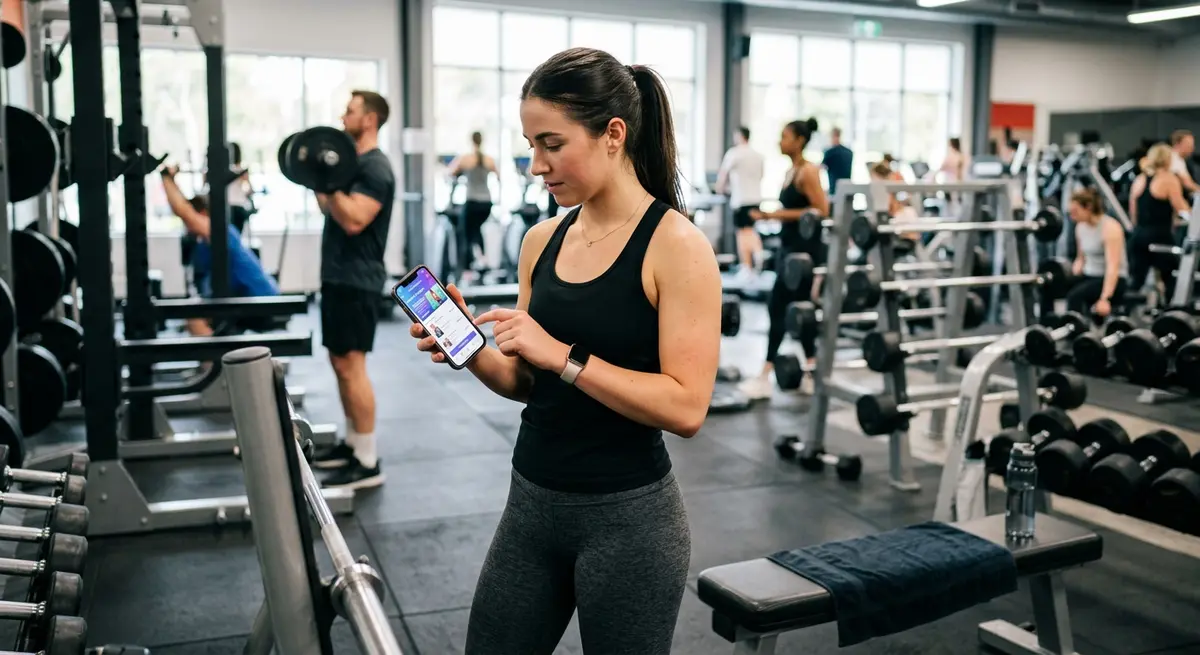
Cost Breakdown: Online vs. In-Person Coaching
One of the primary reasons individuals transition to remote fitness guidance is the significant financial advantage. Traditional personal training requires you to pay for the trainer’s time, gym overhead, and travel. By eliminating these factors, virtual trainers can offer comprehensive programming at a fraction of the cost.
Research from the International Fitness Observatory indicates that the average cost of a virtual fitness professional ranges from $150 to $300 per month. In contrast, traditional personal training costs can easily exceed $800 per month for just two sessions a week.
| Feature | Online Coaching | In-Person Training (2x/week) |
|---|---|---|
| Average Monthly Cost | $150 – $300 | $600 – $1,200+ |
| Workout Frequency | 4-6 programmed days/week | 2 guided days/week |
| Communication | Daily text/app messaging | During scheduled sessions |
| Schedule Flexibility | 100% Flexible | Rigid appointment times |
Core Benefits of Hiring a Virtual Fitness Professional
Beyond the financial savings, remote coaching offers several distinct advantages that align perfectly with modern, fast-paced lifestyles. The expected coaching services have expanded far beyond simple exercise selection.
Unmatched Scheduling Flexibility
For executives, shift workers, and parents, committing to a strict Tuesday and Thursday 6:00 AM training slot is often impossible. Virtual coaching removes this barrier entirely. You receive your programming for the week and execute it whenever your schedule permits—whether that is at a local commercial gym, a hotel fitness center, or your living room.
A 2026 survey by the Global Health Institute found that 82% of busy professionals prefer asynchronous check-ins over live appointments. Elena Rostova, Senior Researcher at the Institute, notes: “Asynchronous accountability is the secret weapon for busy executives. It provides the structure of a professional athletic program without the logistical nightmare of coordinating schedules.”
Data-Driven Accountability Systems
A common misconception is that remote trainers cannot hold you accountable. In reality, modern digital platforms offer superior tracking. When you log a workout, sync your smartwatch, or upload a progress photo, your coach is immediately notified. This creates a continuous feedback loop.
According to Harvard Medical School, individuals who utilize digital habit-tracking in conjunction with professional oversight experience a 64% reduction in missed workouts. Your coach can see exactly when you skip a session or shortchange your sleep, allowing them to intervene proactively rather than waiting for your next in-person meeting.
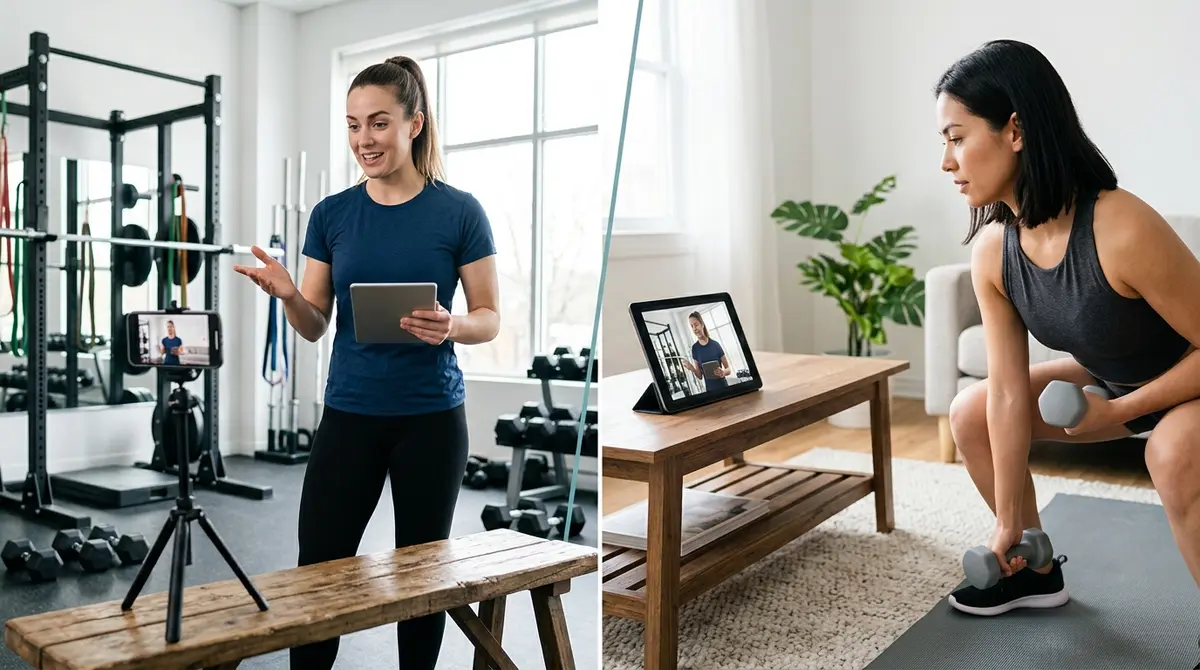
The Rise of the Hybrid Athlete Model
Another major trend making digital coaching highly valuable is the shift toward comprehensive, multi-disciplinary fitness. Many individuals no longer want to just lift weights or just run; they want to do both effectively. This requires highly specialized programming to manage fatigue and prevent overtraining.
Working with a hybrid personal trainer online allows you to access elite-level programming that might not be available in your local geographic area. These specialists understand how to blend strength training with cardiovascular endurance seamlessly.
Dr. James Albright, Professor of Kinesiology at Stanford University, states: “We are seeing a massive shift toward hybrid training. By leveraging real-time wearable data, remote trainers can adjust hybrid athlete training protocols with a level of precision that was impossible five years ago. They can monitor central nervous system fatigue remotely and pivot a heavy lifting session to an active recovery day instantly.”
Potential Drawbacks: When Virtual Coaching Falls Short
While the benefits are substantial, remote coaching is not a universal solution. It is important to acknowledge the limitations of the medium to determine if it is the right fit for your specific situation.
The most significant drawback is the lack of real-time tactile feedback. If you are performing a complex barbell squat and your knees begin to cave inward, an online coach cannot physically adjust your stance in that exact moment. They rely on you recording your sets and sending them in for asynchronous review.
Furthermore, individuals rehabilitating from severe musculoskeletal injuries should prioritize in-person clinical guidance. The Mayo Clinic recommends that patients recovering from orthopedic surgeries work directly with physical therapists or in-person conditioning specialists before transitioning to remote programming. Statistics show that roughly 15% of absolute beginners struggle with remote models due to a lack of foundational body awareness.
How to Choose the Right Online Fitness Coach
If you have decided that the virtual route aligns with your goals, selecting the right professional is the next critical step. The barrier to entry for online coaching is low, which means the market is saturated with unqualified influencers. Follow these steps to ensure you hire a competent professional:
- Verify Professional Credentials: Do not rely on follower counts. Look for industry-standard certifications such as the NSCA Certified Strength and Conditioning Specialist (CSCS), NASM, or ACE. Professional online fitness coaches will proudly display their educational background.
- Assess Communication Protocols: During your consultation, ask exactly how and when they communicate. Do they guarantee a 24-hour response time? Do they use voice notes, video breakdowns, or just text? Ensure their style matches your needs.
- Review Technological Integration: Ask what software they use. In 2026, a coach should be using dedicated platforms (like TrueCoach, Trainerize, or custom apps) that integrate with your wearable devices (Apple Health, Garmin, Whoop).
- Request Specific Case Studies: Ask to see examples of clients who share your specific demographic and goals. If you are a 45-year-old busy parent looking for proper physical conditioning, a coach who only trains 20-year-old bodybuilders is not the right fit.
- Understand the Minimum Commitment: Most reputable coaches require a 3-to-6-month minimum commitment. Physiological adaptations take time, and a coach offering a “21-day quick fix” is utilizing marketing gimmicks rather than science-based periodization.
Frequently Asked Questions (FAQ)
Can an online coach help me with my nutrition?
Yes, most comprehensive remote coaching packages include nutritional guidance. While they cannot legally prescribe medical meal plans unless they are registered dietitians, they can provide macronutrient targets, habit-based nutritional coaching, and grocery strategies tailored to your goals.
Do I need a fully equipped home gym to work with a virtual trainer?
Not at all. A skilled professional will design your program based entirely on the equipment you have available. Whether you have a full commercial gym membership, a few dumbbells in your garage, or just your own body weight, they will optimize your routine accordingly.
How do remote trainers correct my exercise form?
Coaches utilize asynchronous video analysis. You record yourself performing a specific exercise from a requested angle and upload it to their app. The coach then reviews the footage, often using voice-over and on-screen drawing tools to provide precise biomechanical corrections for your next session.
Is online coaching safe for older adults?
Yes, provided the coach conducts a thorough initial movement assessment and health history questionnaire. According to the National Institutes of Health (NIH), appropriately scaled resistance training is crucial for older adults, and a qualified remote coach can safely program for longevity and bone density.
What happens if I travel frequently for work?
Frequent travelers are actually the ideal demographic for remote coaching. Your trainer can adjust your weekly programming on the fly, substituting hotel gym workouts or bodyweight routines when you are on the road, ensuring you never lose momentum.
How is this different from a generic fitness app?
Generic fitness apps provide static templates that do not adapt to your unique biofeedback. A human coach analyzes your stress levels, sleep data, and subjective fatigue to modify your volume and intensity dynamically, preventing injury and ensuring continuous progress.
Conclusion
The landscape of health and wellness has fundamentally shifted. For the vast majority of people—especially busy professionals, parents, and frequent travelers—online fitness coaches are absolutely worth the investment. They provide a unique blend of elite-level programming, unmatched scheduling flexibility, and continuous data-driven accountability that traditional in-person training simply cannot match at the same price point.
While absolute beginners or those with severe clinical injuries may still benefit from face-to-face supervision, the sophisticated technology available in 2026 makes remote coaching the most efficient and cost-effective path to sustainable health. If you are ready to stop guessing with your workouts and want a customized, flexible approach to achieving your goals, contact us today to learn how our expert coaching team can build a program specifically for your lifestyle.