

The job outlook for online fitness coaching is among the most positive in the health and wellness industry right now. The U.S. Bureau of Labor Statistics projects a 39% growth rate for fitness trainer employment from 2020 to 2030 — significantly higher than the average across all occupations — and the proportion of that growth driven by remote and online coaching formats has accelerated sharply since 2020. If you have been working as a personal trainer, considering a transition into coaching, or building fitness expertise and wondering whether there is a path to turning it into a professional practice, this guide gives you the complete picture of how to become an online fitness coach from the ground up.
This is not a simplified version of what the process looks like. It covers what certifications you need and why, how to choose a coaching niche, how to build your first client base, how to structure and price your services, what the day-to-day operations of an online fitness coaching practice require, and where the professional growth path leads when you are ready to expand your model beyond solo online delivery. The goal is to give you the information needed to make real decisions — not a motivational pitch dressed up as a guide.
Key Takeaways
- A recognized personal training certification from an NCCA-accredited body — such as NASM, ACE, NSCA, ACSM, or ISSA — is the professional foundation that every qualified online fitness coach needs before taking on paying clients.
- Choosing a specific coaching niche — a defined client type and fitness goal combination — is the single most effective marketing decision a new online coach can make, because it determines the specificity and credibility of every client-facing communication you produce.
- The job outlook for fitness trainers projects a 39% growth rate from 2020 to 2030 according to the U.S. Bureau of Labor Statistics, with remote and online delivery formats driving a growing share of that demand.
- Online fitness coaches typically need a coaching platform or app that handles program delivery, client progress tracking, session logging, and communication in one place — email and spreadsheets are not a sustainable operational infrastructure once a practice has more than five active clients.
- The hybrid coaching model — combining structured online programming with regular in-person sessions — is the fastest-growing format in professional fitness coaching and provides coaches with a service model that commands higher rates than purely online delivery while maintaining schedule flexibility.
- Professional liability insurance is a non-negotiable operational requirement for any fitness coaching practice, online or in-person — it protects both the coach and the client and is required by most certification bodies as a condition of maintaining active certification status.
What Online Fitness Coaching Actually Involves Day to Day
Before mapping out the steps to build an online fitness coaching practice, it is worth being clear about what the role actually entails — because the marketing image of online coaching as passive income from a laptop on a beach is a significant misrepresentation of what professional online coaching requires from the people doing it well. Online fitness coaching is an active, client-facing service profession. The delivery method is digital; the service itself is not passive.
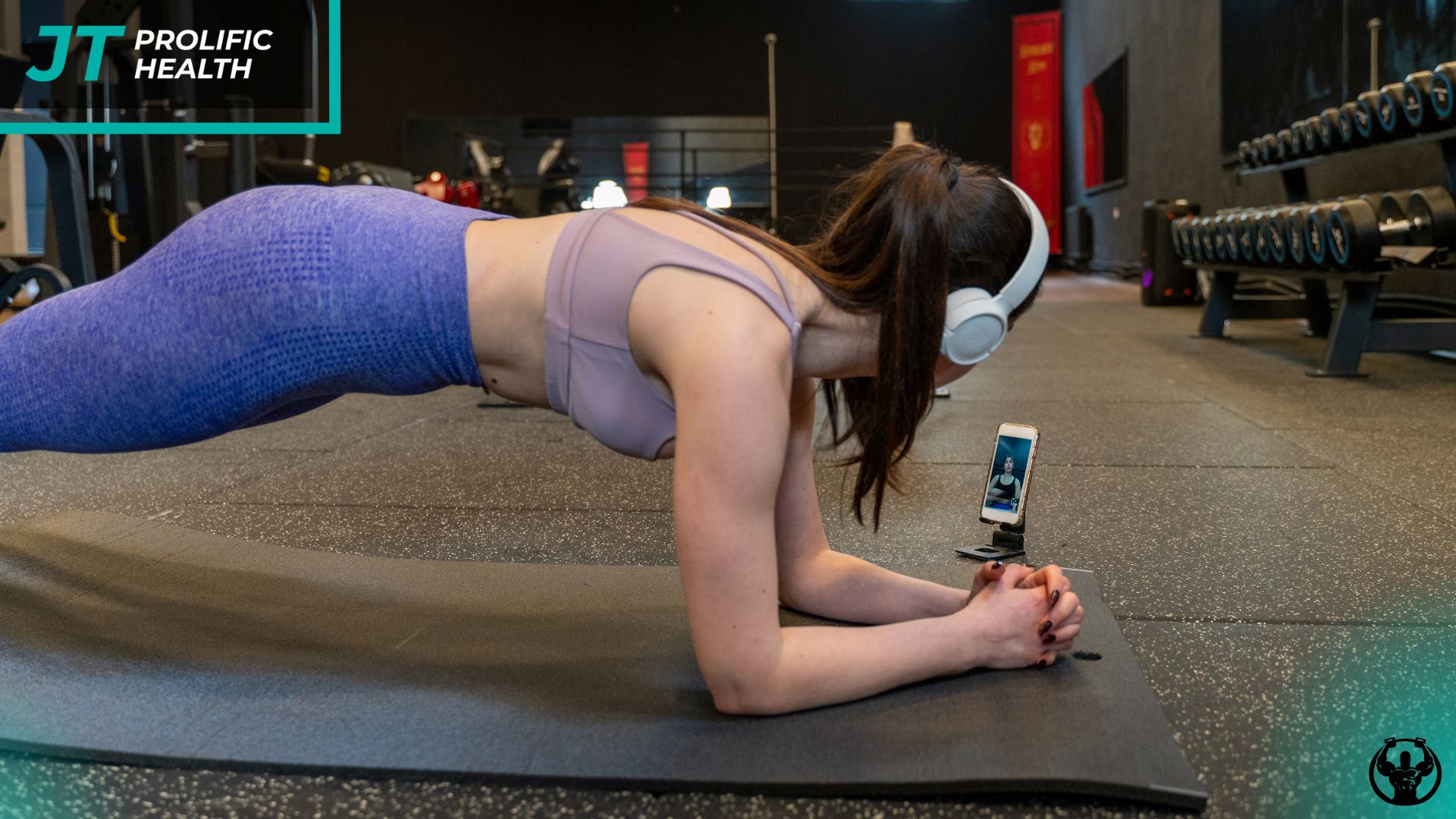
A professional online fitness coach designs individualized training programs for each client based on a thorough intake assessment, delivers those programs through a coaching platform, reviews client session logs and progress data regularly, provides technique feedback on video submissions, conducts weekly or bi-weekly check-in calls, adjusts programs in real time as client circumstances, fatigue levels, and performance data change, and maintains the ongoing communication that keeps clients engaged, informed, and accountable across their full training week. For a coach managing 15 to 25 active clients — a standard operational load for a fully booked online practice — this represents approximately 25 to 35 hours of weekly work when intake, program design, client communication, and professional development are all accounted for. Understanding this reality before building your practice is what separates coaches who build sustainable businesses from coaches who burn out six months in because the workload was heavier than expected. For clients evaluating whether to work with an online coach, our resource on whether online fitness coaching is worth it covers the client-side picture of what the coaching relationship actually delivers.
Step One: Get Certified With a Recognized Credential

The question of whether certification is required to work as an online fitness coach does not have a simple universal answer — regulations vary by country, province, and state. In Canada, personal training is not federally regulated, which means there is no law preventing someone from calling themselves an online fitness coach without a certification. But professional certification is not primarily a legal requirement — it is a knowledge requirement, a liability management tool, and a professional credibility signal that determines whether qualified clients will trust you with their health and fitness goals.
Certification from an NCCA-accredited body demonstrates that you have met a defined standard of knowledge in anatomy, exercise physiology, program design, client assessment, and risk management. NCCA — the National Commission for Certifying Agencies — is the independent accrediting body that evaluates the standards and examination validity of fitness certification programs. The certifications most widely recognized in the North American professional market include NASM (National Academy of Sports Medicine), ACE (American Council on Exercise), NSCA (National Strength and Conditioning Association), ACSM (American College of Sports Medicine), and ISSA (International Sports Sciences Association). Each has different strengths: NSCA’s CSCS certification is the gold standard for strength and conditioning with athletic populations; ACE has broad general fitness application; NASM’s Corrective Exercise Specialization is valuable for coaches working with clients who have movement restrictions or injury history; ISSA’s certification includes strong nutritional foundations alongside exercise programming. The NSCA’s Certified Personal Trainer certification is one of the most rigorous entry-level credentials available in North America and is a strong starting credential for coaches who intend to serve athletic or performance-oriented clients. For coaches whose practice will include significant nutrition guidance, the ISSA’s coach certification integrates fitness and nutritional coaching knowledge within a single credential framework. Choosing the right certification for your intended practice area is a foundational decision — spend time on it rather than defaulting to the lowest-cost option available. Our in-depth guide on what a hybrid blended certified personal trainer is provides useful context on how certification level affects the scope and quality of what a coach can deliver.
How Long Certification Takes and What It Costs
Most NCCA-accredited personal training certification programs are self-paced and can be completed in three to six months of part-time study, depending on the candidate’s prior exercise science background and the time invested per week in coursework and exam preparation. Exam fees typically range from $300 to $800 CAD for the primary credential, with optional study materials and practice examinations adding to the total cost. Some candidates complete the process in as little as six weeks with intensive study; others take six months while balancing full-time employment. The standard industry expectation is that a candidate has the equivalent of a strong foundational understanding of anatomy, exercise physiology, and basic nutrition before attempting the examination — most certification programs include curriculum materials that cover these areas, but the depth of self-study required varies by the candidate’s starting knowledge base. After certification, most credentialing bodies require ongoing continuing education credits — typically 20 CECs every two years — to maintain active certification status, reflecting the expectation that professional coaches stay current with evolving exercise science research and coaching methodology.
Step Two: Gain Practical Experience Before Going Fully Remote
One of the most consistently overlooked steps for aspiring online fitness coaches — particularly those who want to transition directly from certification to online practice without in-person experience — is building a foundation of real-world coaching hours before going fully digital. Online coaching requires the coach to assess movement quality through video, calibrate training load through client-reported data and session logs, and identify emerging technique problems through text and video feedback. All of these skills develop faster and more accurately when grounded in experience of coaching the same movements and patterns in person, where the feedback is immediate and the learning curve is steeper.
A new coach who has spent twelve months on a gym floor observing how different clients move the same exercise differently, how fatigue changes form within a set, how a client’s reported exertion levels correlate with their visible effort, and how technique breaks down when load gets heavy will make significantly better programming and technique feedback decisions in an online context than a new coach who has gone directly from certification to remote coaching without that experiential foundation. Practical experience does not need to be acquired at a commercial gym exclusively — training friends and family members, working as a coaching assistant under a senior trainer, or taking on a small number of initial clients at reduced rates in exchange for honest feedback all build the experiential base that makes remote coaching more precise and effective. The investment in practical experience before scaling an online practice is one of the highest-return professional development decisions a new coach can make. Our resource on how to price hybrid personal training covers how experience level affects coaching rates — context that helps new coaches understand how their pricing should evolve as their practice matures.
Step Three: Choose Your Niche and Define Your Ideal Client
The decision to specialize — to build your online coaching practice around a specific client type and a specific set of fitness goals — is the single most effective marketing decision you will make as an online coach. Generalist coaching (“I help anyone get fit”) is harder to market, harder to differentiate from competitors, and harder to build deep expertise in than niche coaching (“I help busy professionals in their 30s and 40s build strength and improve cardiovascular fitness within time-constrained schedules”). The niche does not have to be narrow to the point of being restrictive — it needs to be specific enough that your ideal client reads your content and thinks “this is exactly for me.”
Niche selection should be driven by three factors: where your personal experience and expertise are strongest, which client population you genuinely enjoy working with, and where there is sufficient market demand to support a full practice at your target client load. Common profitable niches in online fitness coaching include busy professionals and parents who need time-efficient programming, post-rehabilitation clients working back to full function after injury, athletes preparing for specific performance events, older adults pursuing functional fitness and longevity, and people in specific life transition phases such as new parents or recent retirees. Your niche also determines the continuing education investments that will produce the most return for your practice — a coach specializing in post-rehab clients benefits significantly from a corrective exercise or functional movement specialty credential, while a coach working with older adults gains immediate practical value from a certification in exercise for special populations. The niche shapes everything downstream: your content, your intake questionnaire, your program design library, and your pricing structure all become more precise and more compelling when they are built for a specific client rather than a hypothetical average person.
Step Four: Build Your Coaching Infrastructure
The operational infrastructure of an online coaching practice has to be functional before you take on paying clients — not after. Coaches who start with email and spreadsheets and plan to upgrade “when the practice grows” consistently find that the manual administrative burden of managing even five to eight clients without proper systems is enough to degrade the quality of their coaching and their client experience. Building the infrastructure first, even when the client roster is small, creates the operational habit patterns and client-facing experience quality that support sustainable growth.
Your coaching infrastructure needs to cover four functional areas. Program delivery — a platform that allows you to build and send structured training programs to clients, with exercise libraries that include video demonstrations for independent execution. Progress tracking — a system that captures client session logs, strength benchmark data, and body composition metrics over time so that programming adjustments are data-informed rather than based on memory or self-report alone. Communication — a defined channel and response time expectation for client questions, with check-in calls or video appointments scheduled at defined intervals within the coaching program. Payment processing — a reliable system for collecting monthly or package-based fees without manual invoicing for each payment cycle. These four systems working together allow a professional online coaching practice to serve 15 to 25 clients with a quality of organization and responsiveness that builds reputation and referral business over time. Our guide on what hybrid personal training delivers covers how these operational systems function within the hybrid coaching model specifically — useful context for coaches evaluating whether to build a purely online practice or a hybrid model from the start.
Professional Liability Insurance: Non-Negotiable From Day One
Professional liability insurance — sometimes called errors and omissions insurance or professional indemnity insurance — protects you financially and legally if a client experiences an injury that they attribute to your programming, instruction, or advice. In Canada, fitness professional liability coverage is available through several insurance providers at rates typically ranging from $200 to $500 CAD per year for a solo coaching practice. Most NCCA-accredited certification bodies require active professional liability coverage as a condition of maintaining certification status. This requirement exists because the alternative — coaching without insurance — creates a personal financial exposure that can be catastrophic if a client claim is filed, regardless of whether the claim has merit. Setting up liability coverage is a straightforward administrative step that should happen before you take on your first paying client, not after your practice is established.
Step Five: Build Your First Client Base
The question every new online coach faces after building their foundational infrastructure is where the first clients come from. The most reliable and cost-effective initial client acquisition channel for a new coach is the existing professional and personal network — not social media content, not paid advertising, and not cold outreach to strangers. The people in your network who already know your character, your work ethic, and your genuine interest in their wellbeing are the most likely to respond positively to a coaching offer, and they are the most likely to refer additional clients if their experience is excellent.
A practical initial client acquisition approach for a new online coach: identify ten to fifteen people in your network who have expressed fitness goals or frustrations in the past year. Reach out personally — not through a mass announcement — and offer a trial coaching period at a reduced rate in exchange for honest feedback on your program design, communication quality, and overall coaching experience. This approach accomplishes two things simultaneously: it builds your client experience hours and your coaching confidence, and it creates the testimonial and referral infrastructure that supports organic growth as your practice matures. Social media content — fitness education posts, brief workout clips, nutritional guidance summaries — builds visibility and credibility over a longer time horizon and becomes more valuable as your practice grows and your niche positioning is clearly established. Paid advertising has a place in a scaling practice but is typically not the highest-return investment for a coach with fewer than fifteen active clients. The foundational work of delivering excellent results for your initial clients and getting referrals from those relationships remains the most reliable growth engine at every stage of an online coaching practice.
Step Six: Consider the Hybrid Model as Your Long-Term Practice Architecture
Many coaches begin by asking how to become an online fitness coach and arrive at the practical conclusion that a hybrid model — combining online coaching with regular in-person sessions — is the architecture that best serves both their professional development and their client outcomes over time. The purely online model has genuine advantages in scalability and geographic flexibility. But it has meaningful limitations in coaching quality — particularly the absence of real-time technique feedback, the reduced relational depth of digital-only communication, and the inability to make the kind of in-person movement assessment that identifies developing problems before they become injuries. Coaches who include regular in-person sessions within a primarily online practice consistently report higher client retention, stronger outcome data, and better pricing power than coaches working exclusively in a remote format.
For coaches building a practice in a specific geographic area — like the Metro Vancouver and Richmond community that Prolific Health serves — the hybrid model is particularly well-suited because it builds the local reputation and word-of-mouth referral network that purely online coaches cannot access. A local reputation for excellent results, combined with the flexibility and reach of online coaching delivery, is the combination that allows a coaching practice to grow steadily and sustainably through both referral channels and digital discovery. The hybrid model also commands higher rates than purely online coaching — typically 10 to 15% above equivalent online-only programs — reflecting the genuine value premium that in-person sessions add to a coaching relationship’s outcomes. For coaches evaluating how to structure their hybrid pricing, our resource on pricing a hybrid personal training program provides the full framework across delivery tiers and experience levels.
A Final Note From Our Team at Prolific Health
At Prolific Health, located at 7471 Blundell Road, Richmond, BC V6Y 1J6, Canada, our coaching practice — led by founder and head trainer Jason Tam — is built on exactly the model this guide describes: recognized professional credentials, a defined client niche, an active hybrid coaching infrastructure, and a commitment to individualized program design and genuine accountability that produces results clients talk about. If you are exploring how to become an online fitness coach and want to understand what a fully developed hybrid coaching practice looks and feels like from the inside — or if you are a prospective client who wants to experience the quality that this level of professional development produces — reach us at +1 604 818 6123. We offer complimentary consultations for both prospective clients and fitness professionals exploring mentorship and coaching education conversations.
Common Questions About How to Become an Online Fitness Coach
Do I need a certification to become an online fitness coach?
Q: Do I need a certification to become an online fitness coach?
A: Certification is not universally legally required to call yourself an online fitness coach in Canada or the United States, but it is a professional and ethical requirement for coaches taking responsibility for clients’ physical health outcomes. An NCCA-accredited certification from bodies like NASM, ACE, NSCA, ACSM, or ISSA demonstrates the knowledge standard clients have a right to expect from a paid coaching relationship, provides the liability insurance eligibility most providers require, and establishes the exercise science foundation that makes your programming both effective and safe.
How long does it take to become a certified online fitness coach?
Q: How long does it take to become a certified online fitness coach?
A: Most NCCA-accredited personal training certification programs can be completed in three to six months of part-time study at your own pace. Candidates with prior exercise science backgrounds often complete examinations in six to eight weeks with intensive study. After passing the primary certification exam, building the practical coaching experience needed to serve online clients effectively typically requires an additional six to twelve months of in-person or supervised coaching hours before a fully remote practice reaches professional quality.
How much can I earn as an online fitness coach?
Q: How much can I earn as an online fitness coach?
A: Online fitness coaching income varies widely by market, niche, client load, and pricing model. Entry-level coaches starting out typically charge $100 to $200 per month per client. Mid-range coaches with one to three years of experience and a defined niche typically charge $200 to $400 per month per client. Coaches offering hybrid programs with in-person sessions charge $300 to $600 per month or more. A practice with 20 active clients at $300 per month generates $6,000 per month in revenue — a realistic target for a coach two to three years into building their practice.
Do I need in-person experience before coaching online?
Q: Do I need in-person experience before coaching online?
A: In-person coaching experience is not a formal prerequisite for online coaching, but it is a significant professional advantage. Coaches who have spent time on a gym floor develop movement assessment skills, load calibration judgment, and technique correction intuition that take much longer to build through a purely remote practice. Coaches who go directly from certification to online coaching without practical in-person hours consistently make more programming errors, provide less precise technique feedback, and take longer to develop the client communication skills that drive retention.
What tools and platforms do I need to run an online coaching practice?
Q: What tools and platforms do I need to run an online coaching practice?
A: A functional online coaching practice requires a program delivery platform that allows you to build and send structured training programs with exercise video libraries, a progress tracking system that captures session logs and performance data over time, a communication channel with defined check-in formats and response expectations, and a payment processing system for collecting monthly or package-based fees. Starting with email and spreadsheets is manageable for one to three clients but becomes operationally unsustainable quickly — investing in proper coaching infrastructure before your practice reaches five clients is the more professional and scalable approach.
How do I find my first online coaching clients?
Q: How do I find my first online coaching clients?
A: Your existing professional and personal network is the most reliable source of first clients for a new online fitness coach. Identify people in your network who have expressed fitness goals or frustrations and reach out personally with a trial coaching offer at a reduced rate in exchange for honest feedback. This builds your client experience hours, creates testimonials, and generates referrals — the three resources that drive sustainable practice growth in the early phase. Social media content and eventually paid advertising become more valuable once your niche positioning and testimonial base are established.
What is the hybrid coaching model and why should new coaches consider it?
Q: What is the hybrid coaching model and why should new coaches consider it?
A: The hybrid coaching model combines regular in-person sessions with structured online coaching support between those sessions. It is the fastest-growing format in professional fitness coaching because it captures the flexibility advantage of online delivery while addressing its primary limitation — the absence of real-time technique feedback and in-person accountability. Hybrid coaches typically command 10 to 15% higher rates than purely online coaches and experience better client retention because the in-person sessions maintain the relational depth and movement coaching precision that keep clients engaged and progressing long term.
Is professional liability insurance required for online fitness coaches?
Q: Is professional liability insurance required for online fitness coaches?
A: Professional liability insurance is required by most NCCA-accredited certification bodies as a condition of maintaining active certification status, and it is a non-negotiable professional practice requirement regardless of whether that requirement is formally enforced. Insurance protects you financially and legally if a client attributes an injury to your programming or instruction — a risk that exists in online coaching just as it does in in-person training. In Canada, fitness professional liability coverage is typically available at $200 to $500 CAD per year for a solo coaching practice.
Conclusion
Learning how to become an online fitness coach is a process that has a clear, documented path — certification, practical experience, niche selection, infrastructure building, client acquisition, and ongoing professional development — but that produces very different outcomes depending on how carefully each step is executed. Coaches who invest in a recognized credential, build real-world experience before going remote, choose a niche that reflects genuine expertise and market demand, and build their operational infrastructure with client experience quality as the primary standard consistently build practices that retain clients, generate referrals, and grow sustainably over years. Coaches who skip the credential, avoid the in-person experience phase, and launch directly into online marketing without the technical foundation tend to hit a ceiling quickly — because the quality of their coaching cannot sustain the client retention rates that make a practice financially viable.
If understanding how to become an online fitness coach has clarified that professional coaching development is the path you want to pursue — or if you are a busy professional who wants to work with a coaching practice built on exactly these professional standards — our team at Prolific Health in Richmond, BC is the right starting point. Call +1 604 818 6123 to start that conversation. For a complete picture of what our hybrid coaching model delivers for clients in the Metro Vancouver area, our resource on Prolific Health’s hybrid coaching program covers the full service model from intake through long-term progression planning.