


Online Fitness Coach Cost Guide: Online fitness coaching typically costs between $150 and $500 per month in 2026, depending on the trainer’s expertise, the level of personalization, and the frequency of communication. High-end or highly specialized coaches may charge upwards of $1,000 monthly for daily asynchronous support and advanced nutritional programming, while basic, template-based workout subscriptions can be found for under $100 a month. Ultimately, the price reflects the cognitive load on the coach and the depth of the behavioral modification systems they provide.
Key Takeaways
- Average Monthly Investment: Expect to pay between $150 and $500 for a reputable, personalized online fitness program.
- Tiered Pricing Models: Costs are generally split into three tiers: basic templates ($50-$100), standard personalization ($150-$300), and premium high-touch coaching ($300-$1,000+).
- Cost Efficiency: Digital coaching is approximately 40% cheaper per month than hiring an in-person trainer for two sessions a week.
- Value Beyond Workouts: Premium pricing usually includes nutritional guidance, daily habit tracking, form analysis, and direct messaging access.
- Commitment Terms: Most professional coaches require a minimum 12-week commitment to ensure sufficient time for physiological adaptations.
The True Cost of Digital Fitness Coaching in 2026
The landscape of digital health has evolved dramatically. Consumers are no longer paying for simple PDF workout sheets; they are investing in comprehensive digital health ecosystems. When evaluating the value of digital fitness coaching, it is crucial to understand that you are purchasing accountability, expertise, and a structured pathway to your goals.
According to recent data from the American College of Sports Medicine (ACSM), the shift toward virtual training has standardized pricing models across the industry. Let’s break down the three primary tiers of coaching available today.
Tier 1: Basic Template Programs ($50 – $100/month)
At the entry level, basic programs offer pre-written training blocks designed for general goals like hypertrophy (muscle growth) or fat loss. These are not individualized. You will typically receive access to a training app where you can log your workouts, but direct communication with the coach is minimal or non-existent. This tier is best suited for experienced lifters who simply need a structured periodization plan to follow independently.
Tier 2: Standard Personalized Coaching ($150 – $300/month)
This is the industry standard for one-on-one virtual coaching. In this bracket, a trainer designs a program specifically for your biomechanics, equipment availability, and schedule. You can expect weekly check-ins via email or an app, adjustments to your program based on your progress, and basic macronutrient targets. Research from the National Strength and Conditioning Association (NSCA) indicates that 85% of certified online coaches operate primarily within this price range.
Tier 3: Premium and Specialized Coaching ($300 – $1,000+/month)
Premium coaching is a high-touch service. It often includes daily asynchronous communication, detailed video form analysis, comprehensive nutritional coaching, and lifestyle management (such as sleep and stress tracking). Coaches charging these rates are typically industry veterans, registered dietitians, or specialists in specific niches like postpartum recovery or elite athletic performance.
What Factors Influence the Price of an Online Coach?
Understanding why one professional charges $150 while another charges $600 requires looking under the hood of their business model. Pricing is rarely arbitrary; it is a reflection of time, technology, and expertise.
Coach Experience and Credentials
The barrier to entry in the fitness industry can be low, but the barrier to mastery is incredibly high. A coach with a weekend certification will naturally charge less than someone with a degree in kinesiology and a decade of clinical experience. As Sarah Davies, Senior Director at the NSCA, explains: “Clients are no longer paying for just a spreadsheet; they are investing in a practitioner’s ability to troubleshoot complex physiological plateaus.”
Level of Communication and Support
Time is the ultimate commodity. If a coach offers 24/7 Voxer or WhatsApp access, their client capacity is severely limited. “Pricing reflects the cognitive load on the coach. Asynchronous daily support requires significantly more bandwidth than a one-hour gym session,” states Amanda Smith, a fitness industry analyst at the International Health, Racquet & Sportsclub Association (IHRSA). Coaches who offer 3-5 check-ins per week will always command a higher premium than those who only review your data once a month.
Technology and App Integration
Modern coaching relies heavily on technology. Professional trainers invest in expensive software platforms (like TrueCoach or Trainerize), wearable API integrations (Oura, Whoop, Apple Health), and advanced nutritional databases. These tools enhance the client experience but add overhead costs that are factored into the monthly fee.
Online vs. In-Person Training: A Cost Comparison
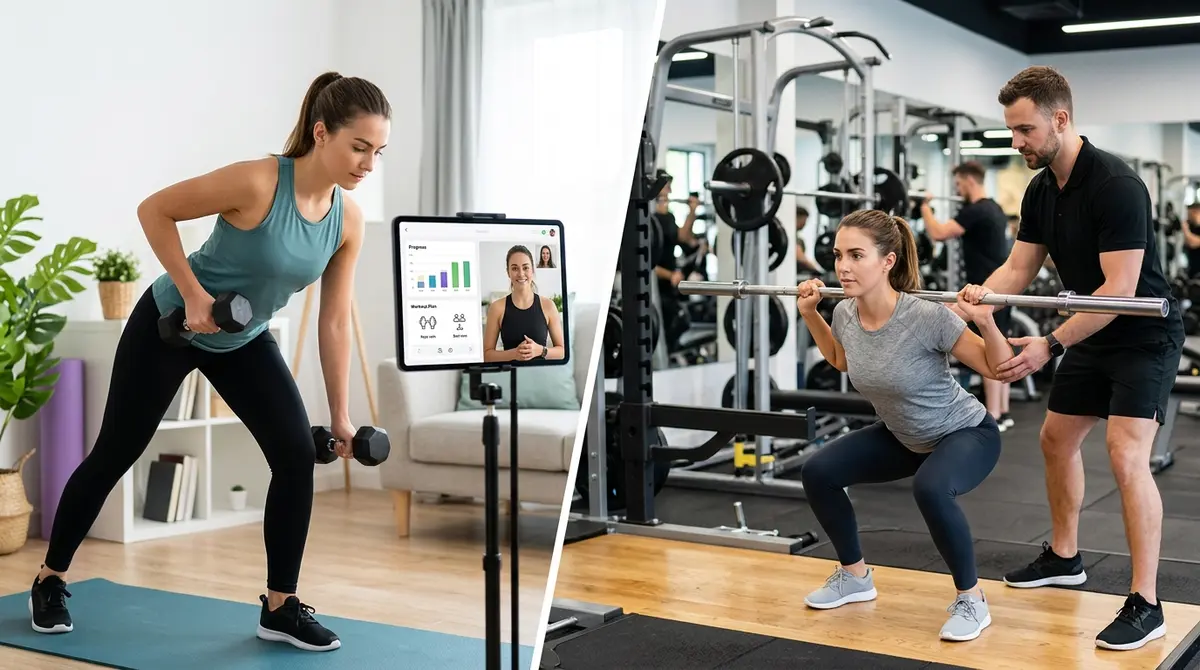
When comparing digital services to traditional personal training rates, the financial benefits of the virtual model become starkly apparent. In-person training typically costs between $60 and $150 per hour. If you train twice a week, you are looking at a minimum of $480 to $1,200 per month—and that usually only covers the hours you are physically in the gym.
| Feature | Online Coaching ($250/mo) | In-Person Training ($800/mo) |
|---|---|---|
| Workout Programming | 4-5 days/week | 2 days/week (during sessions) |
| Nutritional Guidance | Included (Macros, habits) | Often costs extra |
| Communication | Daily/Weekly messaging | Limited to gym floor |
| Form Correction | Video analysis | Real-time, hands-on |
For those who want the best of both worlds, a blended coaching approach (hybrid training) is becoming increasingly popular. This model combines virtual programming with one or two in-person sessions per month for form correction and technique refinement.
What Should Be Included in Your Monthly Fee?
When you commit to a monthly retainer, you should expect a comprehensive suite of services. A report by Forbes Health highlights that 90% of premium digital fitness packages now include integrated nutritional guidance alongside physical training.
A standard $200-$300 monthly package should include:
- Customized Training Blocks: Workouts tailored to your specific goals, updated every 4-6 weeks to ensure progressive overload.
- Nutritional Frameworks: Not necessarily rigid meal plans (which often fall outside a trainer’s scope of practice unless they are a registered dietitian), but macro-nutrient targets and habit-based coaching.
- Weekly Check-Ins: A formal process (usually a digital form or video call) to review biofeedback, sleep quality, stress levels, and training adherence.
- Video Form Reviews: The ability to send videos of your heavy lifts for technical feedback to prevent injury.
As renowned strength and conditioning expert Michael Boyle notes, “A premium online coach acts as a lifestyle architect, integrating sleep, nutrition, and stress management into your physical training.” This holistic fitness guidance is what drives long-term success.
How to Choose the Right Online Fitness Coach for Your Budget
Selecting the right professional is a significant investment. Follow these steps to ensure you find a coach who aligns with your financial and physical goals.
- Define Your Required Level of Support: Be honest with yourself. If you struggle with consistency, a $50 template won’t work. You need the accountability of a $250+ high-touch coach.
- Verify Credentials and Specializations: Look for certifications from reputable organizations (NSCA, ACSM, NASM). If you have specific needs (e.g., powerlifting, prenatal fitness), ensure they have a proven track record in that exact niche.
- Book a Discovery Call: Never hire a high-ticket coach without speaking to them first. The initial coaching consultation is your opportunity to assess their communication style and ensure your personalities mesh.
- Ask About Their Client Roster Size: A coach managing 150 clients cannot provide the same level of personalization as a coach capping their roster at 30. Ask how many active clients they currently manage.
- Review the Minimum Commitment: Most reputable coaches require a 3-month (12-week) minimum commitment. Physiological changes take time, and a coach offering month-to-month contracts from day one may not be invested in your long-term results.

Red Flags to Watch Out For When Hiring a Coach
While the digital fitness space is filled with incredible professionals, it also harbors its share of opportunists. When finding the right professional support, be wary of coaches who promise rapid, unrealistic results. According to Harvard Medical School, safe and sustainable weight loss occurs at a rate of 1 to 2 pounds per week. Anyone promising a 20-pound drop in 30 days is utilizing dangerous, unsustainable methods.
Additionally, avoid coaches who force you into proprietary supplement subscriptions as a condition of their coaching. Your monthly fee should cover their expertise, not serve as a gateway for multi-level marketing products. Finally, a lack of a clear onboarding process or a legally binding contract is a sign of an amateur operation. Professional coaches protect both themselves and their clients with clear terms of service.
Frequently Asked Questions (FAQ)
Is online fitness coaching cheaper than in-person training?
Yes, online coaching is significantly more cost-effective. While an in-person trainer may cost $500 to $1,000+ per month for just two hours of guidance a week, a comprehensive online coach typically costs $150 to $300 per month and provides programming for your entire week.
Do online fitness coaches provide meal plans?
Most fitness coaches provide nutritional guidance, macro-nutrient targets, and habit coaching. However, legally, only Registered Dietitians can prescribe specific medical meal plans to treat conditions, so ethical coaches will focus on behavioral nutrition rather than rigid menus.
How do online coaches check my form?
Online coaches utilize asynchronous video analysis. Clients record their working sets from specific angles and upload them to the coaching app, where the trainer can review the footage, draw on the screen, and provide voiceover corrections.
Why do online coaches require a 3-month commitment?
Physiological adaptations, such as building muscle tissue or establishing sustainable fat loss habits, take time. A 12-week minimum ensures the coach has enough time to gather data, adjust the programming, and deliver measurable results.
Can beginners use online fitness coaches?
Absolutely. While beginners may require more video feedback to learn movement patterns, a good online coach will program foundational exercises and provide detailed instructional videos to ensure safety and confidence in the gym.
Conclusion
Navigating the costs of digital fitness in 2026 comes down to understanding the value of your own time and health. Whether you opt for a $100 template or a $500 premium concierge service, investing in your physical future yields dividends in energy, longevity, and confidence. The key is to match your budget with your actual need for accountability and personalization. If you are ready to stop guessing in the gym and want to explore a coaching package tailored to your specific lifestyle, get in touch with our team today to schedule your initial consultation.