

Studio Space Updates That Benefit Your Training Business Importance of Fitness Equipment Upgrades ensures your studio is equipped with the latest tools to enhance client experiences. The fitness industry continues to evolve at a rapid pace, and personal trainers who want to stay competitive must adapt their physical spaces to meet changing client expectations and business demands. Studio space updates represent one of the most impactful investments you can make in your training business, directly influencing client satisfaction, operational efficiency, and your bottom line. Whether you’re operating from a home studio, renting commercial space, or managing a full-scale fitness facility, strategic improvements to your training environment can transform both the client experience and your professional success.
In today’s competitive fitness landscape, clients have more options than ever before. They’re not just looking for effective workouts; they want an experience that feels professional, welcoming, and aligned with their lifestyle preferences. Your studio space serves as the physical manifestation of your brand, communicating your professionalism, attention to detail, and commitment to excellence before you even begin the training session. This makes thoughtful space planning and regular updates essential components of a thriving personal training business.
The impact of studio space updates extends far beyond aesthetics. Well-planned improvements can enhance safety protocols, increase training versatility, improve client comfort, and even reduce your operational costs over time. From lighting upgrades that create a more energizing atmosphere to equipment arrangements that maximize floor space utilization, every modification you make should serve multiple purposes that benefit both your clients and your business operations.
Modern clients also expect their fitness experiences to incorporate technology seamlessly, maintain high cleanliness standards, and provide amenities that support their busy lifestyles. This shift in expectations means that studio updates must address both functional training needs and lifestyle convenience factors. Understanding which improvements deliver the highest return on investment while creating the most significant impact on client satisfaction requires careful planning and industry insight.
Key Takeaways
For additional context, see this comprehensive guide.
- Technology Integration: Modern studio spaces require seamless technology integration, including high-quality sound systems, digital displays for workout tracking, and reliable Wi-Fi connectivity that supports both trainer operations and client convenience.
- Flexible Layout Design: Successful studio updates prioritize versatility, creating spaces that can easily transition between different training styles, group sessions, and individual workouts without requiring extensive equipment rearrangement.
- Enhanced Safety Features: Updated studios must incorporate improved safety elements such as non-slip flooring, proper ventilation systems, emergency equipment accessibility, and clear sight lines throughout the training area.
- Client Comfort Amenities: Modern training spaces benefit from amenities that enhance the overall client experience, including comfortable changing areas, water stations, storage solutions, and climate control systems that maintain optimal training conditions.
- Professional Branding Elements: Studio updates should reinforce your brand identity through consistent color schemes, professional signage, and design elements that communicate your training philosophy and business values.
- Equipment Optimization: Strategic equipment updates and arrangements can maximize space utilization while providing more training options, ultimately allowing you to serve more clients and offer diverse workout experiences.
- Maintenance and Durability: Smart studio updates focus on materials and systems that reduce long-term maintenance costs while maintaining professional appearance standards that support client retention and referral generation.
Overview of Studio Space Impact on Training Business Success

For additional context, see detailed information on this topic.
The relationship between your physical training space and business success operates on multiple levels that many personal trainers underestimate. Your studio environment directly influences client retention rates, referral generation, and your ability to charge premium rates for your services. When clients walk into a well-designed, thoughtfully updated space, they immediately form impressions about your professionalism, attention to detail, and commitment to providing quality service.
Research in environmental psychology demonstrates that physical spaces significantly affect motivation, performance, and overall satisfaction. In the context of personal training, this means that your studio updates can literally enhance your clients’ workout performance and their perception of the value you provide. Proper lighting can increase energy levels, appropriate music systems can improve workout intensity, and organized equipment arrangements can reduce session transition time while maintaining workout flow.
From a business perspective, studio space updates also affect your operational efficiency and capacity for growth. Strategic improvements can allow you to train more clients per day, offer group sessions alongside individual training, and create multiple revenue streams within the same physical footprint. This operational flexibility becomes increasingly important as your business grows and client demands diversify.
The investment in studio improvements also signals to clients that you’re committed to long-term business success and continuous improvement. This perception can significantly impact client loyalty and their willingness to invest in longer-term training packages. Additionally, professional spaces make it easier to attract high-quality clients who are willing to pay premium rates for exceptional service and environments.
Essential Equipment and Layout Improvements
For additional context, see our in-depth resource.
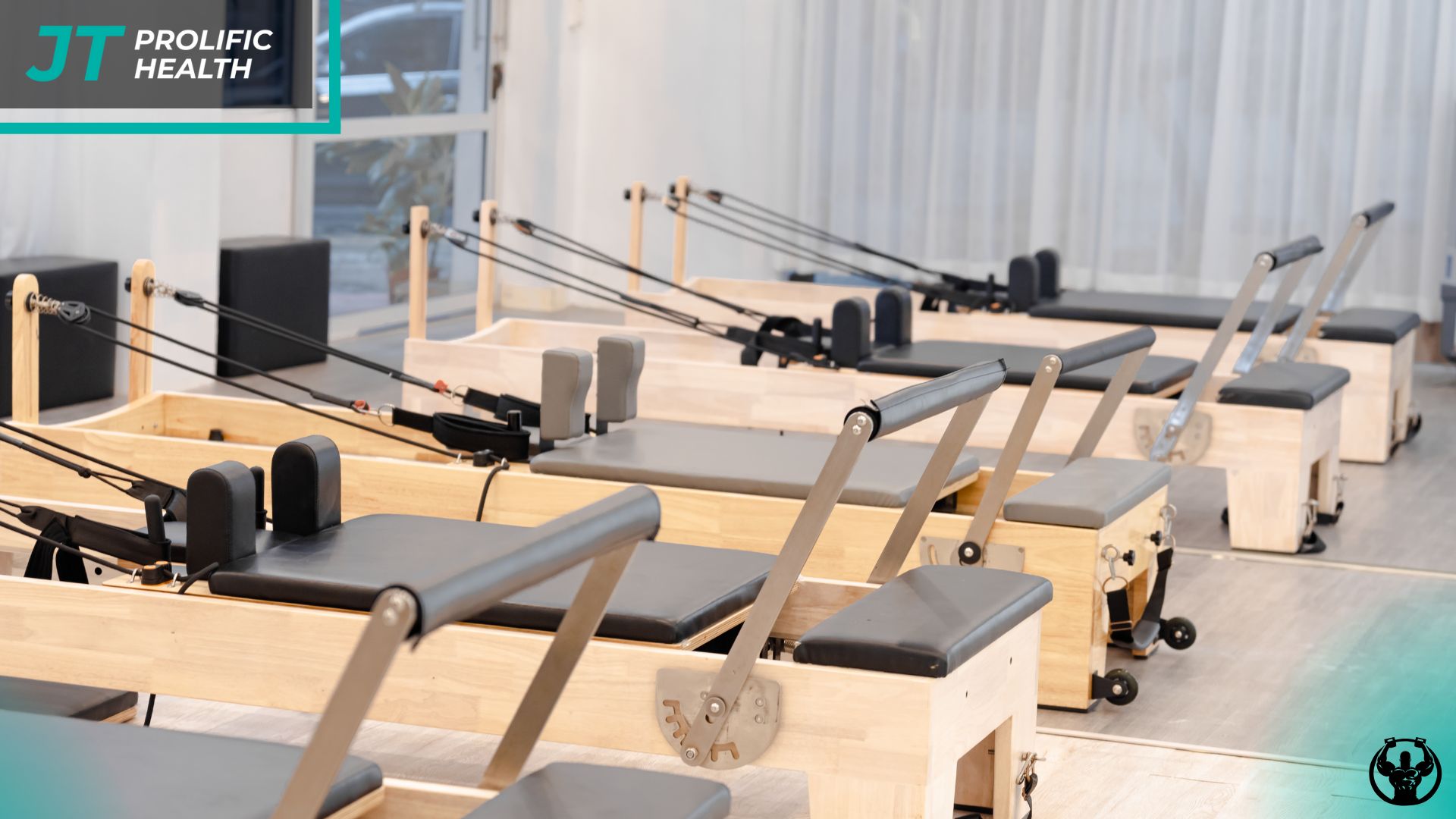
The foundation of any successful studio space update begins with optimizing your equipment selection and layout design. Modern personal training requires versatility, and your equipment choices should reflect the diverse needs of your client base while maximizing the utility of every square foot in your space. This means moving beyond traditional gym equipment to incorporate functional training tools that serve multiple purposes and can be easily stored or reconfigured.
Functional training equipment such as suspension trainers, kettlebells, resistance bands, and modular rack systems offer exceptional versatility while requiring minimal storage space. These tools enable you to provide comprehensive workouts that address strength, cardiovascular fitness, flexibility, and functional movement patterns. When selecting equipment for your studio updates, prioritize pieces that can serve multiple training modalities and client populations, from beginners to advanced athletes.
Layout optimization involves creating distinct zones within your studio that can function independently or work together seamlessly. Consider establishing a cardio zone with equipment that doesn’t require constant supervision, a strength training area with appropriate flooring and safety features, and a flexibility/recovery space with mats and mobility tools. This zoning approach allows you to train multiple clients simultaneously or offer different services throughout the day without major equipment rearrangement.
Storage solutions play a crucial role in maintaining a professional appearance while maximizing usable space. Custom storage systems, wall-mounted equipment holders, and multi-purpose furniture can keep your studio organized and clutter-free. Professional documentation and client management also become more efficient when you have designated spaces for administrative tasks, as outlined in our comprehensive guide to maintaining professional standards.
Technology integration within your equipment layout should support both training effectiveness and business operations. This includes positioning screens or mirrors where clients can easily view form demonstrations, ensuring power outlets are accessible for device charging, and creating spaces where you can efficiently manage client records and session planning. The goal is to create an environment where technology enhances rather than complicates the training experience.
Technology Integration and Digital Enhancements
For additional context, see expert insights in this article.
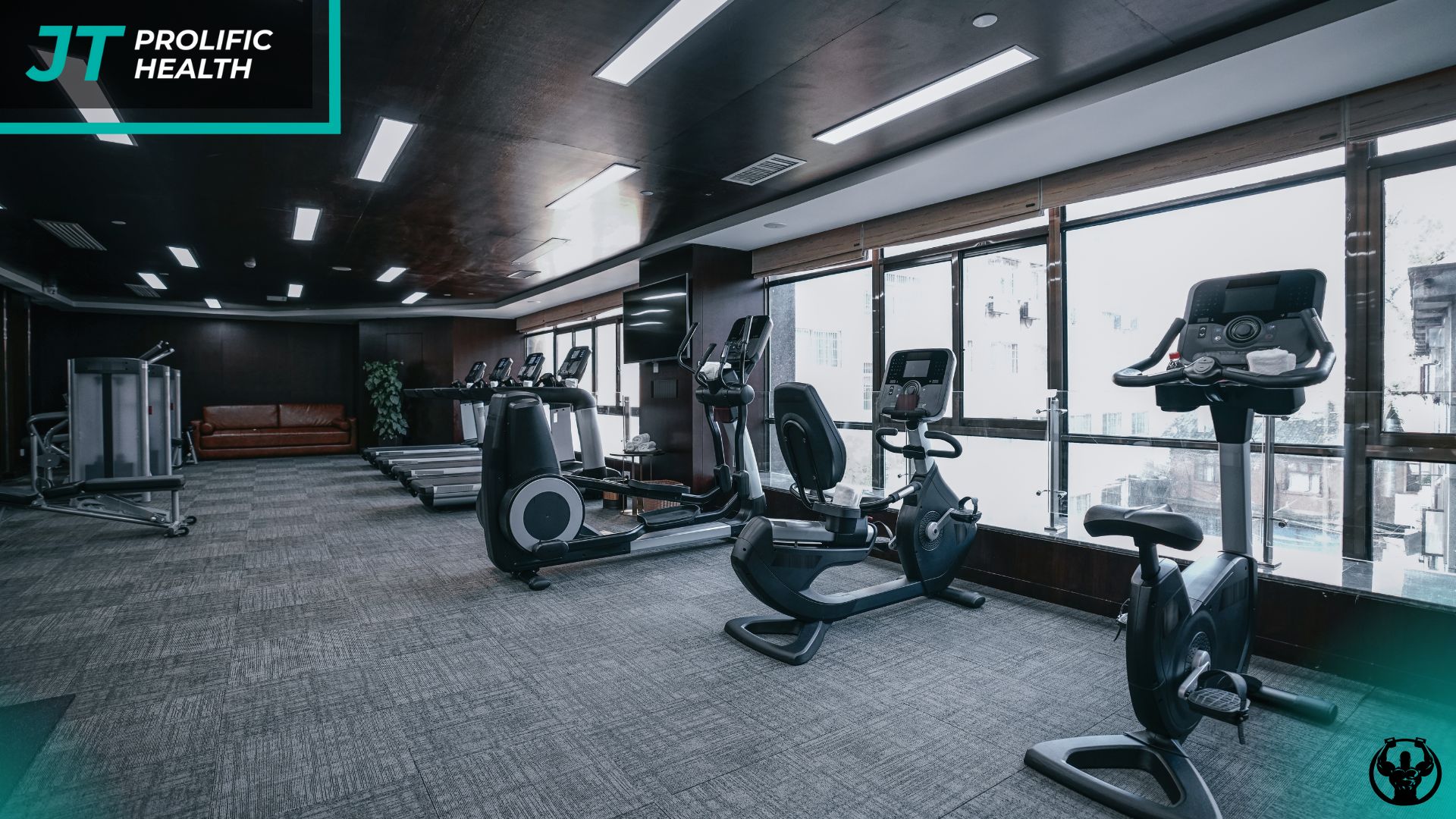
Modern personal training businesses require sophisticated technology integration that supports both client engagement and operational efficiency. Your studio space updates should incorporate digital solutions that enhance the training experience while streamlining your business management processes. This technological foundation becomes increasingly important as clients expect seamless digital interactions and data-driven fitness insights.
Audio-visual systems form the cornerstone of effective technology integration. High-quality sound systems with wireless connectivity allow you to customize music for different clients and training styles while maintaining clear communication during sessions. Digital displays can show workout routines, form demonstrations, or progress tracking data, creating a more engaging and educational training environment. These systems should be positioned to avoid glare and distractions while remaining easily accessible for quick adjustments.
Client management technology should be seamlessly integrated into your studio design. This includes dedicated spaces for tablets or computers where you can access client records, update workout plans, and manage scheduling without disrupting the training flow. Consider installing charging stations where clients can securely store and charge their devices during sessions, as many modern fitness apps and wearable devices require consistent connectivity.
Virtual training capabilities have become essential for business resilience and client convenience. Your studio updates should include high-quality cameras, professional lighting, and reliable internet infrastructure that support virtual training sessions. This capability allows you to serve clients who cannot attend in-person sessions while expanding your potential market beyond your immediate geographic area.
Data collection and analysis tools can provide valuable insights into client progress and business performance. Consider incorporating systems that track equipment usage, session frequency, and client engagement metrics. This information can inform future studio updates and help you make data-driven decisions about equipment purchases, scheduling optimization, and service offerings. The entrepreneurial skills needed to leverage this technology effectively can significantly impact your business growth and client satisfaction.
Lighting, Ventilation, and Atmosphere Optimization
For additional context, see step-by-step instructions.
The atmospheric elements of your studio space profoundly impact both client performance and their overall experience with your training services. Proper lighting and ventilation systems create an environment that supports intense physical activity while maintaining comfort and safety throughout extended training sessions. These environmental factors often determine whether clients feel energized and motivated or uncomfortable and distracted during their workouts.
Lighting design should incorporate both natural and artificial elements that can be adjusted based on the time of day and type of training being conducted. Natural light provides numerous psychological and physiological benefits, including improved mood and circadian rhythm regulation. Large windows or skylights should be incorporated where possible, but always with appropriate glare control and privacy considerations. Artificial lighting should include both ambient and task lighting options, allowing you to create the appropriate atmosphere for high-intensity training, stretching, or consultation sessions.
LED lighting systems offer the best combination of energy efficiency, longevity, and control options for fitness environments. These systems can be programmed to adjust color temperature throughout the day, supporting natural circadian rhythms while providing optimal visibility for safe exercise execution. Dimming capabilities allow you to create different moods for various training activities, from energizing strength sessions to calming yoga or stretching routines.
Ventilation systems must address both air quality and temperature control in spaces where people engage in vigorous physical activity. Proper air circulation prevents the buildup of humidity and odors while maintaining comfortable temperatures that support sustained physical performance. Modern HVAC systems with variable speed controls can adjust automatically based on occupancy and activity levels, ensuring optimal conditions while managing energy costs.
Sound management forms another crucial atmospheric element that affects both client experience and neighboring businesses or residents. Acoustic treatments such as sound-absorbing panels can reduce echo and noise transmission while improving the clarity of music and verbal instruction. This is particularly important if your studio operates in a shared building or residential area where noise restrictions may apply.
Air quality considerations have become increasingly important, particularly following recent global health concerns. Installing air purification systems and ensuring adequate fresh air exchange rates can provide peace of mind for health-conscious clients while supporting optimal respiratory function during exercise. These systems should operate quietly to avoid disrupting the training environment while providing measurable improvements in air quality.
Client Experience and Comfort Enhancements
Creating exceptional client experiences requires attention to comfort details that extend beyond the actual training area. Your studio space updates should address the entire client journey, from arrival through departure, ensuring that every touchpoint reinforces your commitment to quality service and client satisfaction. These comfort enhancements often become the differentiating factors that drive client loyalty and positive referrals.
Reception and waiting areas set the tone for the entire training experience. Even in smaller studios, creating a designated space where clients can transition from their daily activities to their workout mindset provides valuable psychological preparation time. This area should include comfortable seating, storage for personal belongings, and perhaps informational materials about health and fitness. The design should reflect your brand identity while maintaining a welcoming, professional atmosphere.
Changing and storage facilities significantly impact client convenience and comfort levels. Private changing areas with secure storage options allow clients to transition easily between work or daily activities and their training sessions. These spaces should include hooks, benches, and mirrors, along with adequate lighting and ventilation. Even compact studios can incorporate clever design solutions that provide privacy and convenience without requiring extensive square footage.
Hydration stations and recovery areas support client health and extend the value of each training session. Providing easy access to clean, filtered water encourages proper hydration while demonstrating your attention to client wellness. Recovery areas with stretching mats, foam rollers, and other mobility tools allow clients to properly cool down and address muscle tension, potentially reducing injury risk and improving session outcomes.
Climate control systems should maintain comfortable conditions throughout different types of training activities and seasonal variations. Individual climate preferences vary significantly, so providing some degree of personalized control or creating zones with different temperature settings can improve client satisfaction. This becomes particularly important when serving diverse client populations with varying fitness levels and heat tolerances.
Personal touches that reflect your training philosophy and client relationships can create emotional connections that transcend the purely transactional aspects of personal training. This might include displaying client success stories, maintaining a library of health and fitness resources, or creating spaces for brief consultations and progress discussions. These elements help establish the personal relationship that distinguishes quality personal training from generic gym experiences, as detailed in our guide comparing different fitness service options.
Frequently Asked Questions
How much should I budget for studio space updates?
Studio update budgets vary significantly based on space size, current condition, and improvement scope. Generally, plan to invest 10-20% of your annual revenue in facility improvements, with major renovations potentially requiring 30-50% of annual revenue spread over multiple years. Prioritize updates that directly impact client safety and experience first, then focus on efficiency and aesthetic improvements.
Which studio updates provide the highest return on investment?
Lighting improvements, equipment organization systems, and technology integration typically provide the highest returns by enhancing client experience and operational efficiency. These updates often allow you to serve more clients, charge premium rates, and reduce operational costs simultaneously. Safety and comfort improvements also generate strong returns through improved client retention and referral rates.
How often should I update my studio space?
Plan for minor updates annually and major renovations every 3-5 years. Regular maintenance and small improvements keep your space fresh and functional, while periodic major updates allow you to incorporate new technologies and design trends. Monitor client feedback and industry developments to identify when updates become necessary for maintaining competitiveness.
Can I update my studio space while continuing to train clients?
Most studio updates can be completed in phases that minimize disruption to client services. Schedule major work during off-peak hours or temporarily relocate sessions to alternative spaces. Communicate update plans to clients in advance, and consider offering outdoor or virtual training options during extensive renovation periods. Proper planning can maintain service continuity while improving your facility.
What permits or regulations apply to studio space modifications?
Commercial fitness spaces must comply with local building codes, fire safety regulations, and accessibility requirements. Electrical and plumbing modifications typically require permits and professional installation. Check with local authorities about zoning restrictions, especially for home-based studios. Consider consulting with a commercial contractor familiar with fitness facility requirements to ensure compliance.
How do I choose between DIY updates and professional contractors?
DIY approaches work well for cosmetic updates like painting, equipment organization, and minor decorative changes. Professional contractors are essential for electrical, plumbing, HVAC, and structural modifications. Consider your skill level, available time, and the importance of professional warranties when making these decisions. Poor DIY work can create safety hazards and ultimately cost more to correct.
Should I update my studio gradually or complete a major renovation?
Gradual updates allow you to maintain cash flow and test improvements before committing to larger changes. Major renovations can be more cost-effective and create a cohesive design vision. Consider your financial situation, client base stability, and the current condition of your space. Sometimes gradual updates can bridge the gap until you’re ready for a comprehensive renovation.
How do I measure the success of studio space updates?
Track metrics including client retention rates, new client acquisition, session frequency, and revenue per square foot. Client feedback surveys can provide qualitative insights about space improvements. Monitor operational efficiency measures like session setup time and equipment maintenance costs. Compare these metrics before and after updates to quantify the impact of your investments.
Conclusion
Strategic studio space updates represent one of the most powerful investments you can make in your personal training business success. The physical environment where you deliver your services directly impacts client satisfaction, operational efficiency, and your ability to command premium pricing in an increasingly competitive market. By thoughtfully planning and implementing improvements that address both functional needs and client experience factors, you create a foundation for sustained business growth and professional success.
The key to successful studio updates lies in understanding that every modification should serve multiple purposes – enhancing client safety, improving operational efficiency, and reinforcing your professional brand. Whether you’re implementing basic organizational systems or undertaking comprehensive renovations, the goal remains consistent: creating an environment that supports exceptional training outcomes while positioning your business for long-term success.
At Prolific Health, we understand that your studio space serves as the physical manifestation of your commitment to client success and professional excellence. The investments you make in your training environment today will continue generating returns through improved client relationships, operational efficiency, and business growth for years to come. Remember that successful studio updates require ongoing attention and periodic refreshing to maintain their impact and relevance in an evolving fitness industry.
As you plan your studio improvements, consider how each update supports your broader business objectives and client service goals. The most successful personal trainers view their physical space as an integral component of their service delivery system, not simply a backdrop for training sessions. This perspective ensures that your studio space updates contribute meaningfully to your professional success while creating environments where clients can achieve their fitness goals effectively and enjoyably.