
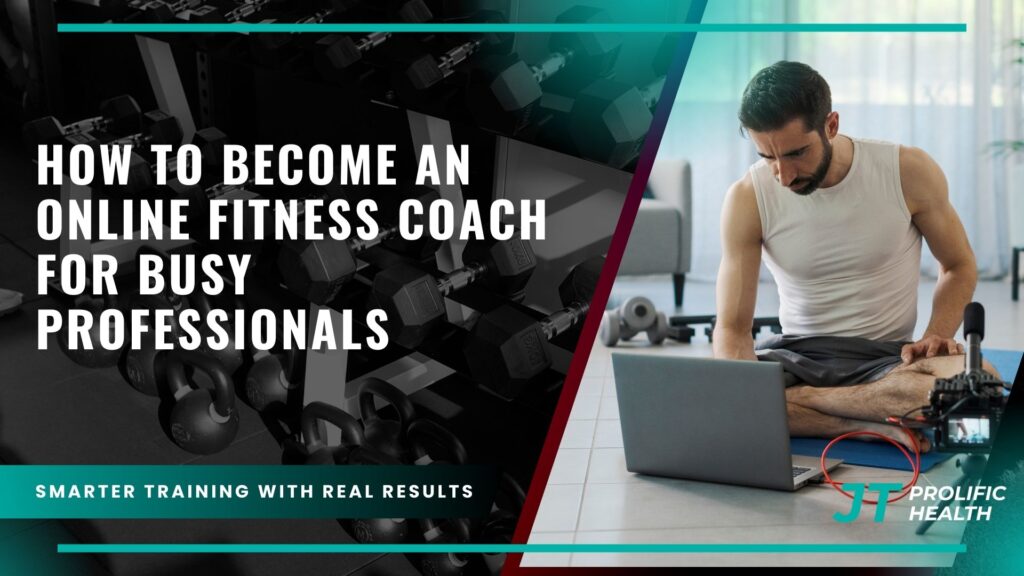
If you’re researching how to become an online fitness coach, the goal isn’t just writing workouts—it’s building a remote coaching system that helps clients train safely, stay consistent, and make progress with real-life constraints (work, kids, stress, sleep).
Below is a refocused version of your content, centered on online coaching (delivery, systems, onboarding, communication, and accountability), while keeping your holistic emphasis on recovery, mindset, and sustainable training.
Key takeaways
To become an online fitness coach, you need credibility (education/certification + safety skills) and delivery skill (remote assessment, communication, behavior change, and systems).
Online clients don’t need “max effort” daily; they need sustainable programming that respects stress, sleep, and schedule.
Your biggest advantage online is not exercise variety—it’s clarity: simple movement patterns, smart progression, and repeatable weekly structure.
Many mainstream certification pathways require CPR/AED as a baseline safety standard (even if you coach remotely).
Strong onboarding (forms, expectations, “how coaching works,” and quick wins) is what turns “I signed up” into “I’m actually doing it.”
How to become an online fitness coach (step-by-step)
1) Define your online coaching lane
Decide who you coach (busy professionals, parents, beginners, “returning after time off”) and what you’ll be known for first (strength + conditioning basics, movement quality, habit consistency). Your niche makes your messaging clearer, your content easier to write, and your programming more repeatable.
2) Get the non-negotiables in place (safety + scope)
Treat safety as your first job: know basic risk screening habits, when to refer out, and what’s outside your scope (especially around injuries and medical nutrition). Many recognized certs expect CPR/AED as a prerequisite or requirement, which is worth treating as a minimum professional standard.
3) Build an online-first onboarding flow
Online coaching succeeds or fails in the first 7–14 days, so your onboarding should reduce confusion and create momentum. At minimum, include:
Intake + constraints: goals, schedule, equipment, injury history, stress/sleep, training experience.
“How this works”: where workouts live, how to message you, check-in day/time, what you track.
Baselines you can do remotely: simple movement videos (squat/hinge/push/pull/core), step count or weekly activity target, a few performance markers.
A practical approach is to make onboarding a clear sequence (call, forms, access instructions, first-week plan, quick win), which is a common best practice in online PT onboarding.
4) Coach with a small set of repeatable principles
You don’t need 200 exercises—you need sound decisions using a consistent framework:
Train the big patterns: squat, hinge, push, pull, carry/core bracing.
Progress gradually: more reps, better range of motion, improved form, or slightly shorter rest—not just heavier weights.
Program recovery on purpose: weekly anchors (2–3 strength sessions + realistic conditioning + recovery days) so clients can stay consistent.
5) Deliver coaching (not just programming)
Online coaching is mostly communication and accountability:
Use a simple check-in rhythm (weekly form/check-in + midweek touchpoint if needed).
Give fewer, clearer cues (one focus per lift/video, not ten corrections).
Review and reflect: what worked, what didn’t, what you’ll change next week.
6) Set up your “online coaching stack”
Pick tools that support connection rather than replacing it (workouts + tracking + chat in one place, automated nudges, simple progress views). This “tech supports the relationship” approach is increasingly emphasized in modern coaching platforms and onboarding.
If you want clients to experience structured online coaching before you coach others, you can point them to your offers like Online Coaching or Hybrid Personal Training & Coaching.
A 30–60–90 day plan (online edition)
First 30 days: Foundation + delivery basics
Choose one niche and one offer (1:1 online coaching is easiest to start).
Build your onboarding kit: intake form, check-in form, welcome message, expectations, first-week template.
Get safety basics in place (including CPR/AED if you’re pursuing mainstream certification paths).
Days 31–60: Coaching reps + proof
Coach 2–5 practice clients (low cost or free) with a real check-in cadence and real tracking.
Collect testimonials and “before/after” process wins (consistency, energy, strength PRs, pain-free movement—without overclaiming).
Tighten your cueing process using client videos: one priority cue, one regression/progression option, one next-step.
Days 61–90: Systems + professionalism
Standardize packages (duration, check-in frequency, response windows, what’s included).
Build your referral network (physio, RD, mental health professional) for scope boundaries.
Create a calm client experience: consistent weekly rhythm, clear progression, simple tracking, supportive accountability.
FAQs (online-specific)
Do I need a certification to become an online fitness coach?
Many clients (and employers, if you ever go hybrid) prefer recognized credentials, and several certification pathways include CPR/AED requirements as part of eligibility.
How do I coach form online?
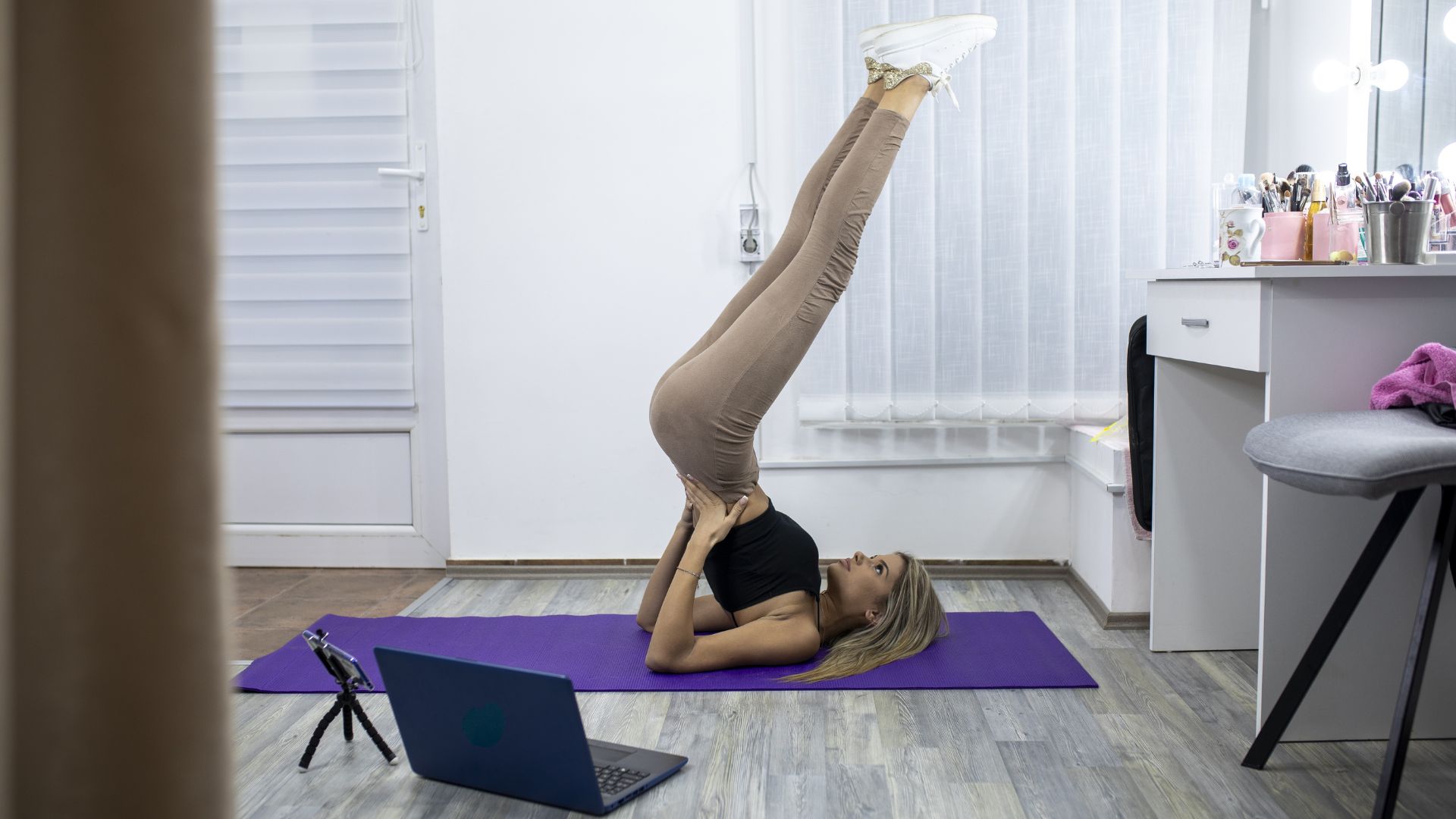
Use simple video standards (angles, lighting, reps), then give one correction at a time and re-test next session; your goal is progress, not perfection.
What should I track with online clients early on?
Keep it small: sessions completed, key lift reps/loads, daily/weekly activity target, energy, sleep quality, pain flags.