
Beginner Workout Programs to Kickstart Your Fitness Journey Importance of Fitness Equipment Upgrades ensures beginners have access to safe and effective tools as they start their fitness journey. Starting a fitness journey can feel overwhelming, especially when you’re surrounded by countless workout programs, conflicting advice, and intimidating gym environments. For beginners, the key to long-term success lies not in finding the most intense or trendy workout, but in discovering structured, progressive programs that build a solid foundation while keeping you motivated and injury-free.
Beginner workout programs serve as your roadmap to fitness success, providing clear direction when everything else seems confusing. These carefully designed routines focus on teaching proper movement patterns, gradually building strength and endurance, and establishing healthy exercise habits that will serve you for years to come. Unlike advanced programs that assume years of training experience, beginner-friendly routines prioritize safety, simplicity, and sustainable progress.
The beauty of well-structured beginner workout programs lies in their ability to transform complete novices into confident exercisers. They eliminate the guesswork that often leads to frustration, plateaus, or injuries. Instead of wondering what exercises to do, how many sets to perform, or how often to train, you’ll have a clear plan that evolves with your growing fitness level.
Whether you’re returning to exercise after years of inactivity, recovering from an injury, or stepping into a gym for the first time, the right beginner program will meet you where you are. These programs understand that everyone starts somewhere different – some people can barely do a push-up from their knees, while others might have some athletic background but lack structured training experience.
What makes beginner workout programs truly effective is their focus on progressive overload – gradually increasing the challenge as your body adapts. This scientific principle ensures continuous improvement while minimizing the risk of overuse injuries that commonly derail newcomers. The best programs also incorporate variety to prevent boredom and target all major muscle groups for balanced development.
In Richmond and the greater Vancouver area, many fitness enthusiasts have discovered that combining structured beginner programs with professional guidance creates the perfect recipe for success. This approach provides the accountability and expertise needed to navigate those crucial first months when motivation fluctuates and proper form is still being learned.
Key Takeaways
For additional context, see this comprehensive guide.
- Progressive Structure is Essential: Effective beginner workout programs follow a systematic progression that gradually increases intensity, duration, and complexity. This prevents overwhelming newcomers while ensuring continuous improvement and adaptation.
- Form Over Intensity: The most successful beginner programs prioritize teaching proper movement patterns and technique before adding weight or increasing speed. This foundation prevents injuries and ensures long-term progress.
- Consistency Beats Perfection: Regular, moderate exercise sessions yield better results than sporadic intense workouts. Beginner programs should be designed to fit realistically into your current lifestyle and schedule.
- Full-Body Approach Works Best: Rather than focusing on isolated muscle groups, effective beginner programs incorporate compound movements that work multiple muscle groups simultaneously, providing better overall fitness development.
- Recovery is Part of Training: Quality beginner programs include adequate rest days and recovery protocols. This allows your body to adapt, repair, and grow stronger while preventing burnout and overuse injuries.
- Flexibility and Adaptation: The best programs can be modified based on individual limitations, preferences, and progress rates. This customization ensures that everyone can participate regardless of their starting fitness level.
- Goal-Oriented Programming: Whether your aim is weight loss, strength building, or general fitness improvement, beginner programs should align with your specific objectives while maintaining overall health and wellness.
Understanding Beginner Workout Program Fundamentals
For additional context, see detailed information on this topic.
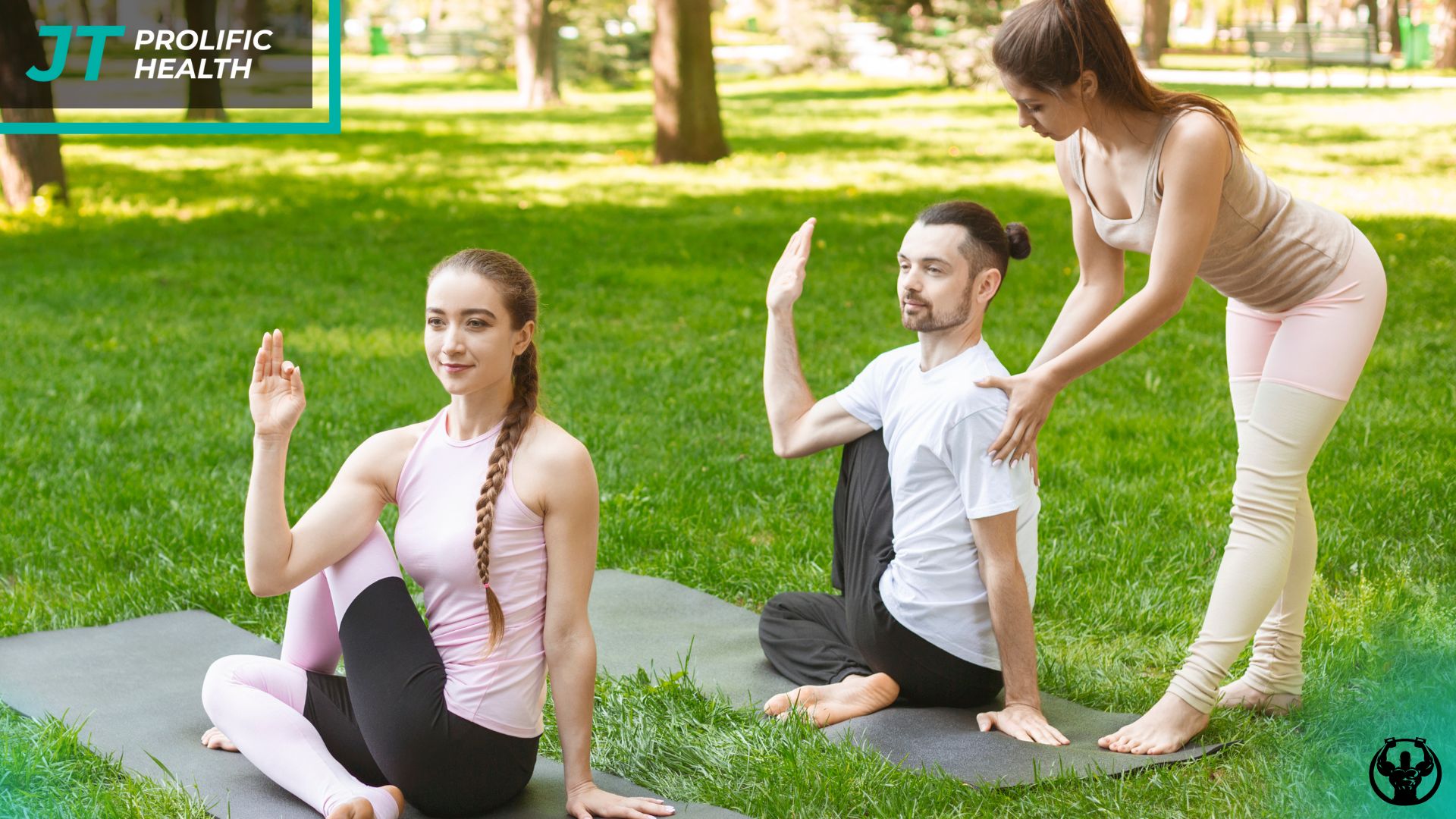
Beginner workout programs differ significantly from intermediate and advanced routines in their approach, complexity, and expectations. The primary goal isn’t to push your body to its absolute limits, but rather to establish a strong foundation upon which all future fitness achievements will be built. This foundational approach requires understanding several key principles that separate effective beginner programs from generic exercise routines.
The concept of progressive overload forms the cornerstone of any successful beginner program. This principle involves gradually increasing the demands placed on your body over time, whether through additional repetitions, longer workout durations, or slightly increased resistance. For beginners, this progression might mean starting with bodyweight exercises and eventually adding light dumbbells, or increasing workout frequency from two to three sessions per week.
Movement quality takes precedence over quantity in well-designed beginner programs. Learning to perform a perfect bodyweight squat is infinitely more valuable than struggling through weighted squats with poor form. This emphasis on technique creates muscle memory for proper movement patterns, reduces injury risk, and ensures that when you do progress to more challenging variations, your body is prepared to handle them safely.
Beginner programs also recognize the importance of gradual adaptation. Your cardiovascular system, muscles, joints, and even your central nervous system need time to adjust to new demands. Rushing this process often leads to excessive soreness, fatigue, or injury – all of which can derail your fitness journey before it truly begins. Quality programs build in adequate recovery time and start with manageable intensities that leave you feeling energized rather than exhausted.
The psychological component of beginner workout programs cannot be overlooked. These routines must build confidence and create positive associations with exercise. This means choosing exercises that feel achievable, celebrating small victories, and creating a sense of accomplishment after each session. When people feel successful in their workouts, they’re much more likely to stick with their routine long-term.
Essential Components of Effective Beginner Programs
For additional context, see our in-depth resource.
Every successful beginner workout program incorporates specific components that work together to create a comprehensive fitness experience. Understanding these elements helps you evaluate potential programs and ensures you’re choosing routines that will deliver real results while keeping you safe and motivated.
A proper warm-up sequence stands as the first essential component. Beginner programs must include dynamic movements that gradually prepare your body for exercise by increasing blood flow, raising core temperature, and activating the muscles you’ll be using. This might include light cardio movements, arm circles, leg swings, and mobility exercises that take your joints through their full range of motion. The warm-up also serves as a mental transition, helping you focus on the workout ahead.
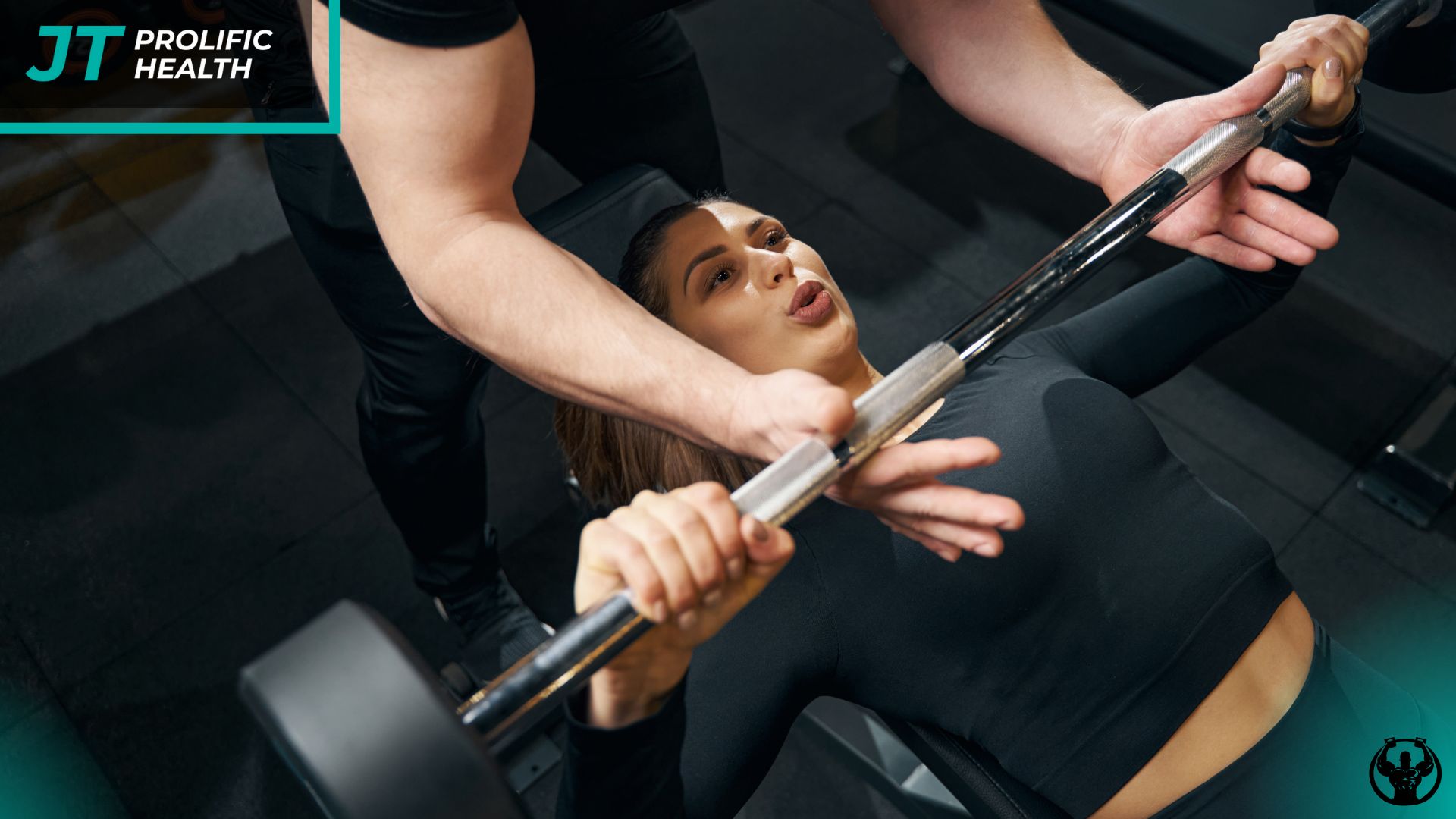
The main workout portion should emphasize compound movements that work multiple muscle groups simultaneously. Exercises like squats, push-ups, rows, and planks provide the most benefit for beginners because they teach your body to work as an integrated system. These movements also translate directly to real-world activities, making you stronger and more capable in daily life situations.
Cardiovascular training integration represents another crucial component. Rather than separating cardio and strength training into different sessions, effective beginner programs often combine both elements. This might involve performing strength exercises in circuit format with minimal rest between movements, or incorporating brief cardio intervals between strength sets. This approach maximizes time efficiency while improving both muscular strength and cardiovascular health.
Flexibility and mobility work should be woven throughout the program, not relegated to a brief afterthought. This includes dynamic stretching during warm-ups, maintaining good range of motion during exercises, and static stretching during cool-down periods. For many beginners, improved flexibility and mobility provide some of the most noticeable early benefits, reducing stiffness and improving overall comfort during daily activities.
The cool-down phase allows your heart rate to gradually return to normal while preventing blood pooling in your extremities. This period also provides an opportunity for reflection on the workout, celebrating accomplishments, and mentally preparing for recovery. A good cool-down leaves you feeling accomplished and looking forward to your next session rather than completely depleted.
Bodyweight Training: Your Foundation Program
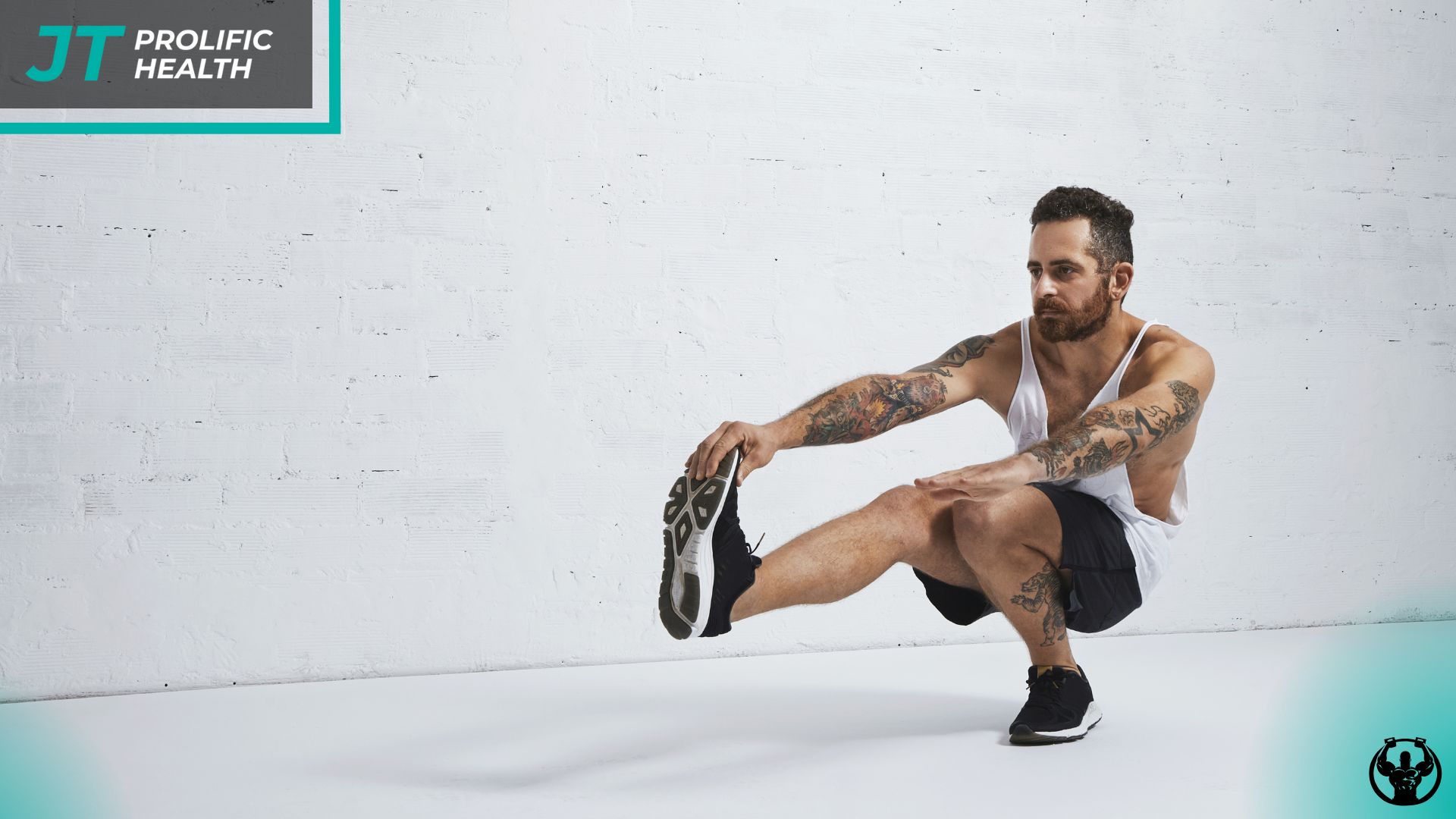
Bodyweight training represents the ideal starting point for most beginners because it requires no equipment, can be performed anywhere, and naturally provides appropriate resistance based on your current strength level. These programs teach fundamental movement patterns while building the stability, coordination, and strength necessary for more advanced training methods.
The beauty of bodyweight exercises lies in their scalability. A push-up can be modified from wall push-ups for complete beginners to single-arm variations for advanced practitioners. This progression pathway means you can start exactly where your current fitness level allows and gradually work toward more challenging variations as you improve. The same principle applies to squats, lunges, planks, and virtually every other bodyweight movement.
Upper body development through bodyweight training focuses primarily on push-up variations and pulling movements. Push-ups target your chest, shoulders, and triceps while also engaging your core for stability. Beginners might start with incline push-ups using a bench or wall, progress to knee push-ups, and eventually achieve full push-ups. For pulling movements, inverted rows using a table or suspension trainer provide an excellent counterbalance to pushing exercises.
Lower body bodyweight training centers around squats, lunges, and single-leg movements. These exercises build strength in your quadriceps, hamstrings, and glutes while improving balance and coordination. Chair-assisted squats help beginners learn proper form, while walking lunges and step-ups add variety and challenge different movement patterns. Single-leg stands and glute bridges further enhance stability and posterior chain strength.
Core strengthening through bodyweight exercises extends far beyond traditional crunches. Planks and their variations teach your core muscles to provide stability and support, which translates directly to better posture and reduced back pain. Dead bugs, bird dogs, and modified mountain climbers add movement while maintaining core engagement, preparing your body for more dynamic activities.
The progression timeline for bodyweight training varies significantly among individuals, but most beginners notice improvements within 2-3 weeks of consistent practice. This might manifest as being able to hold a plank longer, performing more push-ups, or feeling more stable during single-leg exercises. These early victories provide powerful motivation to continue with the program and gradually increase the challenge.
For those considering professional guidance alongside their bodyweight training journey, learning about preparation strategies for working with fitness professionals can help maximize the benefits of combining structured programs with expert instruction.
Gym-Based Beginner Programs
Transitioning to gym-based beginner programs opens up new possibilities for strength development and exercise variety, but it also requires learning to navigate equipment, understand gym etiquette, and master new movement patterns. These programs typically incorporate a combination of machines, free weights, and cardio equipment to provide a comprehensive fitness experience.
Machine-based exercises offer several advantages for beginners, including guided movement patterns, built-in safety features, and easy weight adjustments. Chest press machines teach the pushing motion without requiring the stabilization demands of free weights, while lat pulldown machines help beginners develop pulling strength before attempting pull-ups. Leg press machines allow for lower body strengthening with back support, making them ideal for those still developing core stability.
Free weight integration should begin with lighter dumbbells and focus on basic movement patterns. Dumbbell chest presses, rows, squats, and deadlifts form the foundation of free weight training for beginners. These exercises require more coordination and stabilization than machines, but they provide superior functional strength development. Starting with weights that feel almost too light ensures proper form development and builds confidence.
Cardiovascular equipment familiarization represents an important component of gym-based programs. Treadmills, elliptical machines, and stationary bikes each offer different benefits and challenges. Beginners should start with shorter sessions at comfortable intensities, focusing on maintaining good posture and breathing patterns rather than achieving high speeds or resistance levels. The goal is to build cardiovascular endurance gradually while learning to use the equipment safely.
Circuit training combines strength and cardio elements by moving between different exercises with minimal rest. A typical beginner circuit might include 30 seconds of exercise followed by 30 seconds of rest, rotating through 6-8 different movements before taking a longer break. This approach keeps workouts interesting, maximizes time efficiency, and provides both strength and cardiovascular benefits.
Understanding gym etiquette and safety protocols is crucial for a positive experience. This includes wiping down equipment after use, reracking weights, being aware of your surroundings, and asking for help when needed. Most gym staff are happy to provide equipment orientation and basic safety instruction, which can significantly boost confidence for newcomers.
The social aspect of gym-based training can provide additional motivation and accountability. Many beginners find that the energy of a busy gym environment helps push them to work harder than they might at home. However, it’s important to focus on your own workout and progress rather than comparing yourself to more experienced gym members.
Home Workout Programs for Beginners
Home workout programs offer unparalleled convenience and privacy, making them an excellent choice for beginners who feel intimidated by gym environments or have scheduling constraints that make gym visits difficult. These programs can be just as effective as gym-based routines when properly structured and consistently executed.
Space optimization becomes crucial when designing home workout programs. Most effective routines require no more than a 6×6 foot area and can be performed in living rooms, bedrooms, or even outdoor spaces. The key is choosing exercises that don’t require extensive movement in multiple directions and can be performed safely within your available space. Vertical movements like squats and overhead reaches, along with floor-based exercises like planks and push-ups, work well in limited spaces.
Minimal equipment can significantly enhance home workout effectiveness without requiring major investments. Resistance bands provide variable resistance for strength training and take up virtually no storage space. A set of adjustable dumbbells or kettlebells adds weight training options, while a yoga mat provides cushioning and defines your workout space. These basic tools can support months or even years of progressive training.
Motivation and accountability present unique challenges for home exercisers. Without the energy of a gym environment or the presence of other exercisers, it’s easy to skip workouts or reduce intensity. Successful home exercisers often establish specific workout times, create dedicated workout spaces, and use technology like fitness apps or online videos to provide structure and motivation.
Family integration can transform home workouts from a solitary activity into a shared experience. Many exercises can be modified for different family members, creating opportunities for mutual support and accountability. Children often enjoy participating in modified versions of adult exercises, while spouses can serve as workout partners or provide encouragement during challenging sessions.
Progressive overload in home settings requires creativity since you can’t simply add weight plates like in a gym. This might involve increasing repetitions, adding extra sets, reducing rest periods, or progressing to more challenging exercise variations. Time-based progressions, such as holding planks longer or performing more rounds of a circuit, provide measurable advancement without additional equipment.
For those who want to enhance their home workout experience with professional guidance, understanding optimal training frequency can help structure your routine for maximum effectiveness while allowing adequate recovery time.
Creating Your Personal Workout Schedule
Developing a sustainable workout schedule represents one of the most critical factors in long-term fitness success. Your schedule must balance workout frequency, intensity, and recovery while fitting realistically into your existing life commitments. The best program in the world becomes worthless if you can’t consistently follow it.
Frequency considerations for beginners typically center around 2-3 workout sessions per week, with at least one day of rest between sessions. This schedule provides adequate stimulus for adaptation while allowing sufficient recovery time. Many beginners make the mistake of trying to work out every day, which often leads to burnout, excessive soreness, or injury. Starting with fewer sessions that you can maintain consistently is far superior to an ambitious schedule that you abandon after two weeks.
Time allocation should reflect your current lifestyle and energy patterns. If you’re naturally a morning person, scheduling workouts before work might ensure consistency. Evening exercisers might prefer post-work sessions as a way to decompress from daily stress. Weekend warriors might concentrate longer sessions on Saturday and Sunday with one weekday session. The key is choosing times when you typically have energy and minimal scheduling conflicts.
Workout duration for beginners should start conservatively, typically 20-30 minutes including warm-up and cool-down. This timeframe feels manageable and reduces the likelihood of skipping sessions due to time constraints. As your fitness improves and exercise becomes a more established habit, you can gradually extend workout duration or add additional sessions.
Flexibility in scheduling prevents perfectionism from derailing your progress. Life inevitably interferes with planned workout times, so having backup plans maintains momentum. This might mean having a shorter 15-minute routine for busy days, identifying alternative workout times when your primary time slot isn’t available, or having both indoor and outdoor workout options depending on weather conditions.
Rest day planning is just as important as workout day planning. Rest doesn’t necessarily mean complete inactivity – light walking, gentle stretching, or recreational activities can promote recovery while keeping you moving. The goal is to avoid intense exercise that would interfere with your body’s adaptation to your structured workout sessions.
Many Richmond residents find that working with fitness professionals helps them develop realistic schedules that account for their specific lifestyle demands. Understanding different fitness support options can help you determine whether professional guidance might benefit your scheduling and program design.
Seasonal adjustments ensure year-round consistency despite changing weather, daylight hours, and activity levels. Summer schedules might emphasize outdoor activities and early morning workouts to avoid heat, while winter programs might focus on indoor routines and afternoon sessions when natural light is available. Building these variations into your long-term planning prevents seasonal disruptions from derailing your progress.
About Prolific Health
Prolific Health specializes in helping Richmond and Vancouver area residents develop sustainable fitness routines that fit their individual lifestyles and goals. Our approach emphasizes proper progression, injury prevention, and long-term success rather than quick fixes or extreme measures. We understand that beginning a fitness journey can feel overwhelming, which is why our programs are designed to build confidence while delivering real results.
Our team recognizes that every beginner starts from a different place, with unique challenges, limitations, and aspirations. Whether you’re recovering from a sedentary lifestyle, managing health conditions, or simply looking to establish better habits, we provide the guidance and support necessary to create lasting change. Our focus on education ensures that you understand not just what to do, but why you’re doing it and how to adapt as you progress.
For those interested in learning more about professional fitness guidance, our resources on comprehensive wellness support demonstrate how proper guidance extends beyond just exercise programming to encompass all aspects of health and wellness.
Frequently Asked Questions
How often should beginners work out each week?
Most beginners should aim for 2-3 workout sessions per week with at least one day of rest between sessions. This frequency provides adequate stimulus for improvement while allowing proper recovery time. Starting with fewer consistent sessions is better than attempting daily workouts that lead to burnout or injury.
What’s the ideal duration for beginner workout sessions?
Beginner workouts should typically last 20-30 minutes, including warm-up and cool-down periods. This duration feels manageable and sustainable while providing sufficient time for effective exercise. As fitness improves and exercise becomes habitual, session length can gradually increase.
Should beginners focus on cardio or strength training?
The most effective approach combines both cardio and strength training elements. This can be achieved through circuit training, alternating between cardio and strength days, or incorporating both elements within single sessions. This balanced approach provides comprehensive fitness development and prevents boredom.
How long before beginners see results from their workout programs?
Most beginners notice initial improvements within 2-3 weeks, including increased energy, better sleep, and improved mood. Physical changes like increased strength and endurance typically become apparent within 4-6 weeks, while visible body composition changes usually require 8-12 weeks of consistent training.
What equipment do beginners need for home workouts?
Effective home workouts can be performed with minimal equipment. Essential items include a yoga mat for floor exercises, resistance bands for strength training, and possibly a set of light dumbbells. Many excellent beginner programs require no equipment at all, using only bodyweight exercises.
How can beginners stay motivated when starting a workout program?
Motivation strategies include setting realistic goals, tracking progress, finding enjoyable activities, and establishing consistent routines. Having accountability partners, celebrating small victories, and focusing on how exercise makes you feel rather than just appearance changes also help maintain long-term motivation.
When should beginners consider working with a personal trainer?
Personal trainers can be beneficial for beginners who want proper form instruction, customized programming, or additional accountability. They’re particularly valuable for those with health conditions, previous injuries, or specific goals. Many people find that even a few sessions can provide the foundation for successful independent training.
What should beginners do if they experience soreness or fatigue?
Mild muscle soreness is normal for beginners and typically indicates adaptation to new activities. However, sharp pain, excessive fatigue, or soreness that interferes with daily activities suggests the need for additional rest or program modification. When in doubt, consult with healthcare providers or fitness professionals for guidance.
Conclusion
Embarking on a fitness journey through well-structured beginner workout programs represents one of the most valuable investments you can make in your long-term health and well-being. The key to success lies not in finding the most intense or complex routine, but in choosing programs that match your current fitness level, lifestyle, and goals while providing clear progression pathways.
Remember that consistency trumps intensity every time. A moderate workout program that you can maintain for months will deliver far better results than an extreme routine that you abandon after a few weeks. Focus on building sustainable habits, celebrating small victories, and gradually increasing challenges as your fitness improves.
Whether you choose bodyweight training, gym-based programs, or home workouts, the fundamental principles remain the same: start conservatively, prioritize proper form, allow adequate recovery, and maintain realistic expectations. Your body will adapt and grow stronger, but this process takes time and patience.
The journey from beginner to confident exerciser is different for everyone, but the destination – improved health, increased energy, and enhanced quality of life – makes every step worthwhile. For those considering additional support along the way, exploring whether professional guidance might benefit your journey can provide valuable insights into maximizing your success.
Start where you are, use what you have, and do what you can. Your future self will thank you for taking that first step today.