
Choosing the Right Outdoor Training Equipment for Clients Importance of Fitness Equipment Upgrades ensures trainers select durable, effective tools for outdoor sessions. The fitness industry has experienced a remarkable shift toward outdoor training, with personal trainers increasingly recognizing the unique benefits of taking workouts beyond traditional gym walls. This evolution has created new opportunities and challenges, particularly when it comes to selecting the right outdoor training equipment for diverse client needs. As a personal trainer, your equipment choices can make the difference between delivering exceptional outdoor sessions and struggling with limitations that compromise workout quality.
Outdoor training offers clients fresh air, natural vitamin D exposure, and a refreshing change of scenery that can reinvigorate their fitness motivation. However, the success of these sessions heavily depends on having the right tools that are portable, weather-resistant, and versatile enough to accommodate various fitness levels and goals. Unlike indoor gyms with fixed equipment, outdoor training requires careful consideration of weight, durability, storage, and adaptability.
The equipment you choose must serve multiple purposes while remaining practical for transport and setup. Every piece should justify its place in your outdoor training arsenal by offering maximum versatility without compromising on safety or effectiveness. This means understanding not only what equipment works best for different exercise modalities but also how weather conditions, terrain variations, and client preferences impact your equipment decisions.
Modern outdoor training equipment has evolved significantly, with manufacturers developing innovative solutions specifically designed for mobile fitness professionals. From ultra-portable resistance systems to weather-resistant cardio tools, today’s options provide unprecedented flexibility for creating comprehensive workout experiences in any outdoor setting. The key lies in understanding how to evaluate, select, and integrate these tools into cohesive training programs that deliver results while maintaining the spontaneity and freedom that makes outdoor training so appealing.
Key Takeaways
For additional context, see this comprehensive guide.
- Prioritize versatility and portability when selecting outdoor training equipment, as every piece must serve multiple functions while being easy to transport and set up in various environments.
- Weather resistance is non-negotiable for outdoor equipment, requiring materials and construction that can withstand moisture, UV exposure, and temperature fluctuations without compromising performance or safety.
- Client safety considerations become even more critical outdoors, where uneven terrain and environmental factors require equipment with enhanced stability features and clear visibility markers.
- Storage and organization systems are essential for maintaining equipment longevity and ensuring efficient session transitions, particularly when working with multiple clients throughout the day.
- Budget allocation should focus on quality over quantity, investing in durable, multi-functional pieces that will withstand frequent use and outdoor conditions rather than accumulating numerous single-purpose items.
- Equipment selection must align with your target clientele, considering factors like fitness levels, age demographics, and specific training goals to ensure maximum utilization and client satisfaction.
- Regular maintenance and inspection protocols become crucial for outdoor equipment, as exposure to elements accelerates wear and potential safety hazards that might not be immediately visible.
Overview of Outdoor Training Equipment Categories
For additional context, see detailed information on this topic.
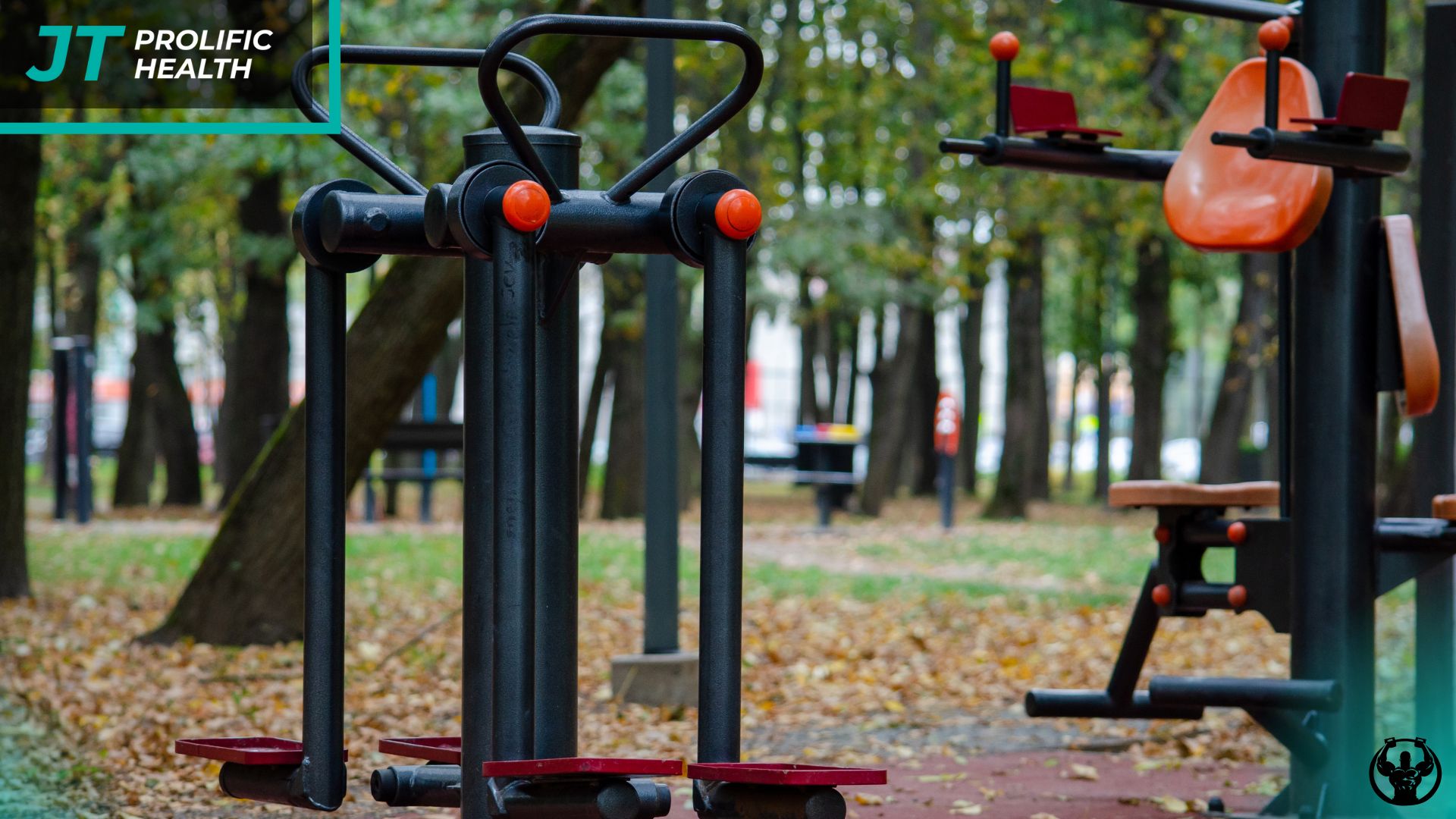
Understanding the broad categories of outdoor training equipment helps personal trainers make informed decisions about building their mobile fitness arsenal. Each category serves distinct training purposes while offering varying levels of portability and versatility. The most effective outdoor training setups typically incorporate elements from multiple categories to provide comprehensive workout options.
Resistance training equipment forms the foundation of most outdoor training programs, offering the ability to target all major muscle groups without requiring fixed anchor points or power sources. This category includes resistance bands, suspension trainers, kettlebells, dumbbells, and bodyweight enhancement tools. These items must balance effectiveness with portability, as even the most versatile piece becomes impractical if it’s too heavy or bulky for regular transport.
Cardio and agility equipment represents another crucial category, focusing on tools that enhance cardiovascular conditioning, speed, and coordination. Items like agility ladders, cones, jump ropes, and plyometric boxes fall into this category. These tools typically prioritize lightweight construction and quick setup capabilities, as cardio sessions often require rapid transitions between exercises and equipment configurations.
Stability and balance equipment addresses the core strengthening and proprioceptive training needs that are particularly relevant in outdoor environments. Balance pads, stability balls, and wobble boards help clients develop functional strength while adapting to the naturally uneven surfaces common in outdoor training locations. This category often requires special consideration for wind resistance and ground contact stability.
Support and safety equipment, while sometimes overlooked, plays a vital role in professional outdoor training operations. This includes items like equipment mats, first aid supplies, sun protection, hydration systems, and storage solutions. These pieces may not directly contribute to exercise execution but are essential for maintaining professional standards and ensuring client safety and comfort during outdoor sessions.
Essential Resistance Training Equipment for Outdoor Sessions
For additional context, see our in-depth resource.
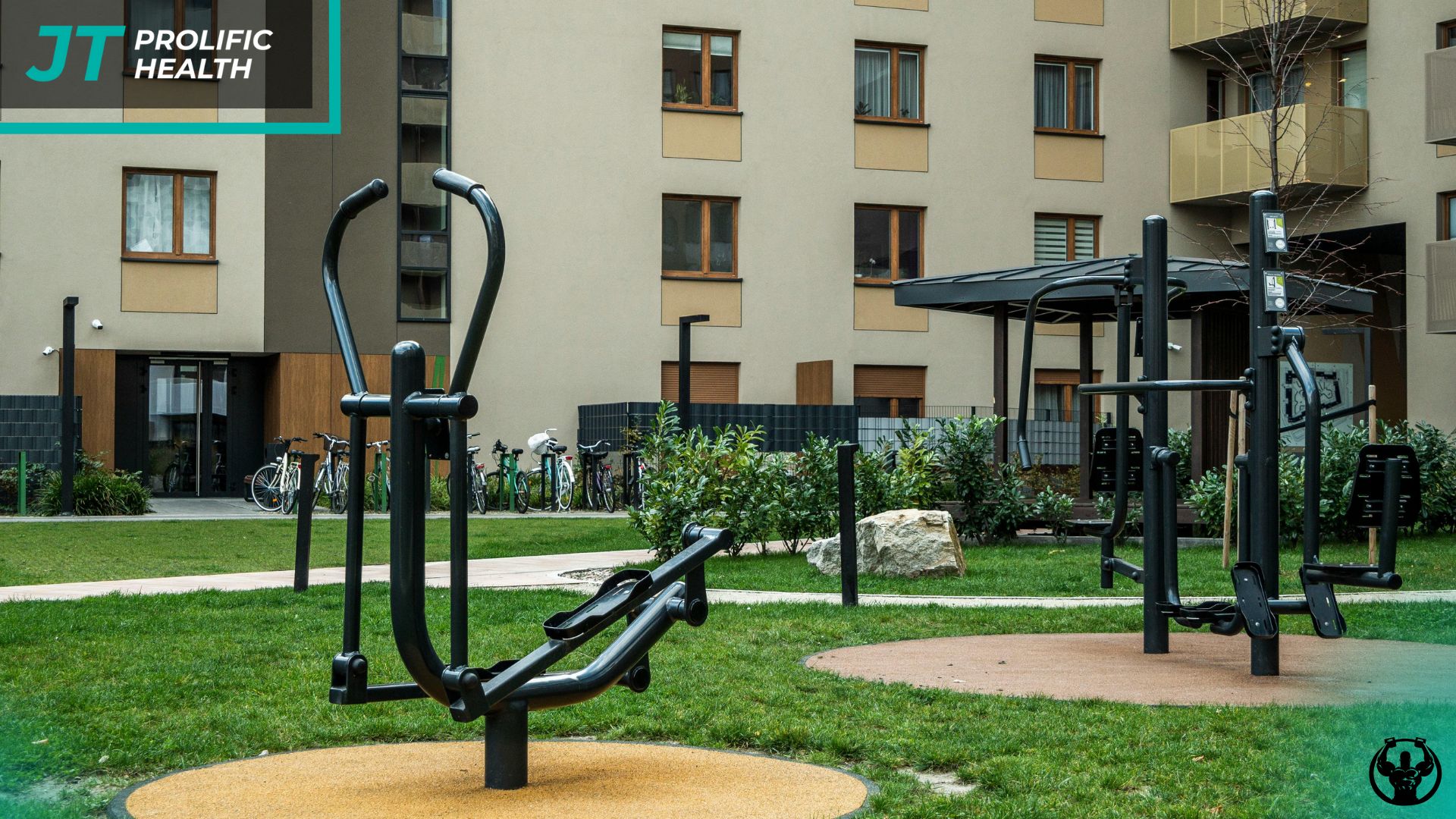
Resistance training equipment forms the backbone of effective outdoor training programs, providing the means to challenge muscles across all movement patterns without relying on fixed gym infrastructure. The key to selecting optimal resistance equipment lies in finding pieces that offer maximum loading potential while maintaining portability and weather resistance. Each piece should contribute to multiple exercise variations and accommodate clients with varying strength levels.
Suspension trainers represent perhaps the most versatile single piece of outdoor resistance equipment available to personal trainers. These systems use body weight and gravity to provide variable resistance that can be instantly adjusted by changing body angle or stance. Modern suspension trainers are designed for quick anchor point setup using trees, playground equipment, or portable anchor systems. The ability to perform upper body, lower body, and core exercises with a single lightweight system makes suspension trainers invaluable for outdoor training scenarios.
Resistance band systems offer unparalleled portability while providing variable resistance that closely mimics traditional weight training. High-quality outdoor resistance bands feature protective sleeves, comfortable handles, and multiple resistance levels that can be combined for progressive overload. Door anchor attachments can be adapted for outdoor use with portable anchor points or natural features. The key is selecting bands with sufficient durability ratings for frequent outdoor use and UV-resistant materials that won’t degrade under sun exposure.
Kettlebells and adjustable dumbbells provide the familiar feel of traditional weight training while offering unique movement patterns that enhance functional fitness. For outdoor training, consider kettlebells in strategic weight increments that serve multiple client needs while remaining manageable for transport. Adjustable dumbbells designed for outdoor use feature secure locking mechanisms and weather-resistant coatings that prevent rust and corrosion. These tools excel at providing the heavy resistance needed for strength-focused clients while supporting explosive movement patterns.
Sandbags and weighted training bags offer a middle ground between traditional weights and bodyweight training, providing unstable resistance that challenges stabilizing muscles while remaining relatively portable. These tools can be partially filled for transport and topped off with sand or water at training locations, reducing transport weight while maintaining training effectiveness. The unstable nature of sandbag training closely mimics real-world lifting scenarios and adds functional strength benefits that complement other resistance modalities.
Cardio and Agility Equipment for Dynamic Outdoor Workouts
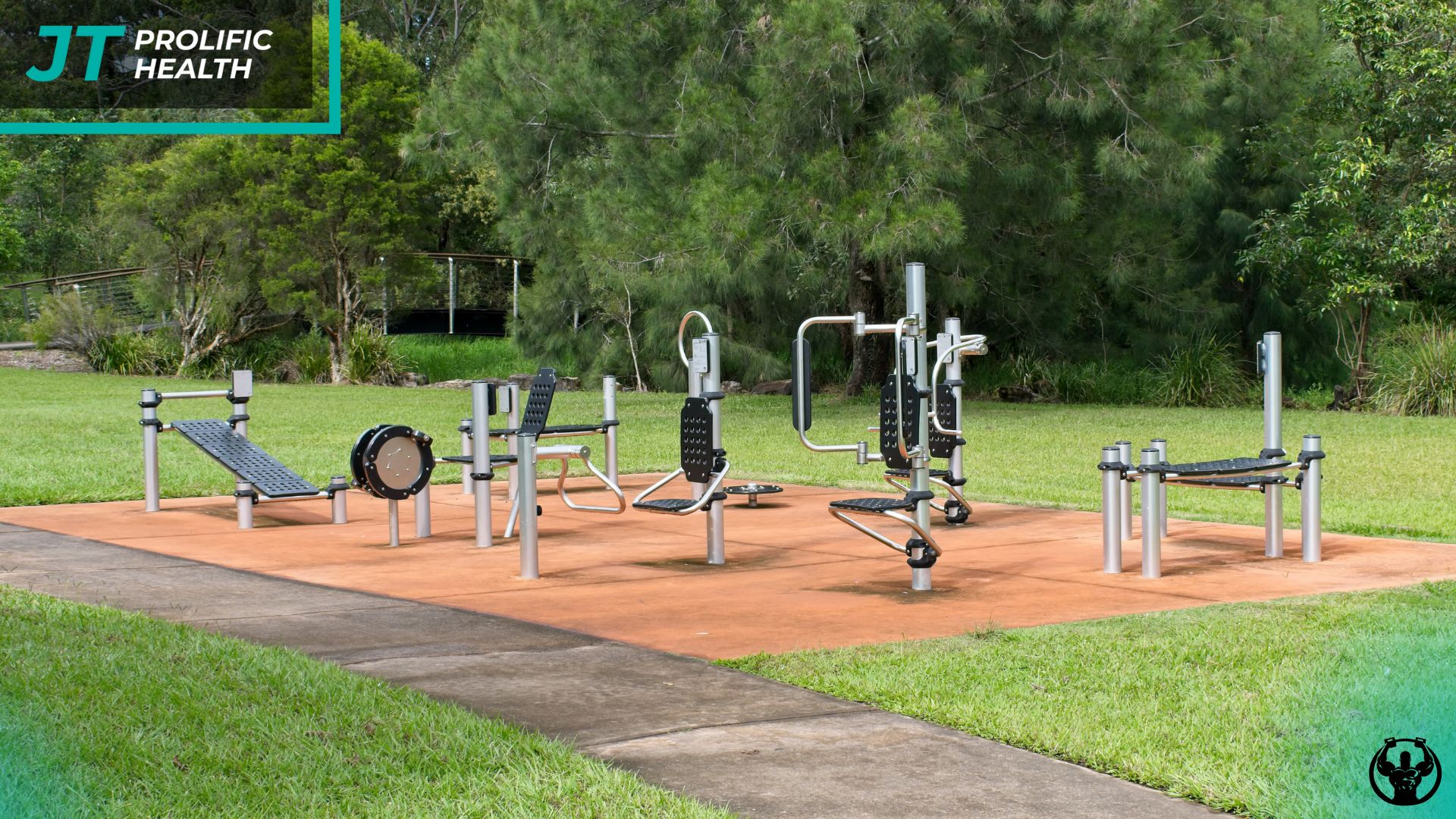
Cardiovascular and agility training equipment designed for outdoor use must prioritize quick setup, weather resistance, and visibility while providing engaging alternatives to traditional indoor cardio machines. These tools should enhance the natural movement opportunities available in outdoor environments rather than simply replicating indoor experiences. The most effective outdoor cardio equipment integrates seamlessly with the terrain and environmental features while providing measurable training stimuli.
Agility ladders and cone systems create structured movement patterns that develop coordination, speed, and cognitive function while providing excellent cardiovascular conditioning. Modern agility ladders feature flat rungs that lie flush with the ground, reducing trip hazards while maintaining durability on various surfaces. Cone systems with weighted bases resist wind displacement while bright colors ensure visibility in changing light conditions. These tools work exceptionally well for group training scenarios and can be combined to create complex movement circuits that keep clients engaged and challenged.
Jump ropes represent one of the most efficient cardio tools available for outdoor training, offering intense cardiovascular conditioning in a package that weighs mere ounces. High-quality outdoor jump ropes feature adjustable lengths, comfortable grips, and cable materials that resist tangling and wear from outdoor surfaces. Weighted handle options provide upper body conditioning while maintaining the cardiovascular benefits. The key is selecting ropes appropriate for different skill levels and having backup options for clients who struggle with traditional jumping patterns.
Plyometric boxes and step platforms bring explosive training opportunities to outdoor environments while providing stable platforms for strength exercises. Foam plyometric boxes offer safety advantages for outdoor use, as they compress upon impact and reduce injury risk from missed jumps. Adjustable step platforms accommodate different client heights and abilities while serving double duty as bench alternatives for strength exercises. Weather-resistant construction ensures these tools maintain stability and safety even in damp conditions.
Battle ropes and slam balls provide high-intensity interval training options that leverage the open space advantages of outdoor environments. These tools generate significant cardiovascular demand while building functional strength and power. Battle ropes require secure anchor points but can utilize trees, fence posts, or portable anchor systems. Slam balls designed for outdoor use feature reinforced construction that withstands repeated impact with various ground surfaces while maintaining their shape and weight distribution.
For personal trainers just beginning to explore outdoor training options, understanding fundamental fitness principles helps inform equipment choices that will serve both trainer and client needs effectively. The transition from indoor to outdoor training requires careful consideration of how familiar exercises translate to new environments and equipment constraints.
Weather Considerations and Equipment Durability
Weather resistance and durability considerations become paramount when selecting outdoor training equipment, as exposure to elements can quickly degrade inferior products while creating safety hazards for clients. Understanding material properties, construction methods, and protective measures helps personal trainers make equipment investments that withstand the rigors of outdoor use while maintaining performance standards. The goal is selecting equipment that functions reliably across diverse weather conditions without requiring extensive maintenance or frequent replacement.
UV resistance represents a critical factor often overlooked when transitioning from indoor to outdoor equipment use. Prolonged sun exposure degrades many plastics, rubbers, and synthetic materials, leading to brittleness, cracking, and eventual failure. Equipment featuring UV-stabilized materials or protective coatings maintains structural integrity and appearance even after extensive sun exposure. This consideration is particularly important for resistance bands, stability balls, and any equipment featuring colored plastics or synthetic components.
Moisture and humidity exposure creates challenges for both electronic components and metal hardware commonly found in training equipment. Stainless steel hardware, sealed bearing systems, and moisture-resistant electronics ensure continued functionality even in high humidity or light rain conditions. Equipment with drainage features prevents water accumulation that could lead to mold, mildew, or corrosion issues. Personal trainers should also consider how moisture affects grip surfaces and client safety during exercises.
Temperature fluctuations impact equipment performance in ways that may not be immediately apparent but can affect client safety and exercise effectiveness. Rubber and elastic materials may become stiff in cold conditions or overly soft in extreme heat, altering resistance characteristics and potentially creating safety hazards. Metal components can become uncomfortably hot or cold to touch, requiring consideration of handle materials and protective covers. Understanding these temperature effects helps trainers make appropriate equipment choices for their local climate conditions.
Wind resistance becomes a significant factor for lightweight equipment that may be displaced during use or storage. Weighted bases, low-profile designs, and secure storage systems prevent equipment from becoming projectiles in windy conditions. This consideration is particularly important for agility cones, lightweight platforms, and any equipment that presents a large surface area to wind forces. Developing protocols for wind condition assessment helps trainers make safe decisions about equipment use and session modifications.
Protective storage and transport systems extend equipment life while ensuring readiness for each training session. Waterproof storage containers, padded transport bags, and organized storage systems protect equipment from impact damage and environmental exposure during transport and storage. These systems also contribute to professional appearance and efficient session setup, factors that impact client perception and training effectiveness. Investment in quality storage solutions often proves more cost-effective than frequent equipment replacement due to preventable damage.
Client-Specific Equipment Selection Strategies
Tailoring equipment selection to specific client demographics and training goals ensures maximum utilization and satisfaction while optimizing training outcomes. Different client populations require distinct approaches to equipment selection, considering factors such as physical limitations, experience levels, training preferences, and specific health considerations. Understanding these nuances helps personal trainers build equipment collections that serve diverse clientele effectively while maintaining safety and engagement standards.
Beginner clients require equipment that builds confidence while providing appropriate challenge levels and clear safety margins. This population benefits from equipment with visual feedback systems, stable platforms, and forgiving resistance curves that accommodate learning phases. Resistance bands with clear resistance markings, low-height plyometric platforms, and suspension trainers with assisted exercise options work well for building foundational fitness while maintaining safety. Equipment selection should prioritize versatility and adaptability, allowing for easy progression as clients develop strength and coordination.
Advanced athletes and fitness enthusiasts need equipment that provides sufficient challenge and specificity to maintain engagement and drive continued progress. This demographic often requires higher resistance levels, unstable training surfaces, and equipment that supports complex movement patterns. Heavy kettlebells, advanced suspension training systems, and plyometric equipment with significant height options become essential for serving this population effectively. The key is ensuring equipment can provide progressive overload opportunities that match advanced training demands.
Older adult clients present unique considerations requiring equipment with enhanced stability features, comfortable grip surfaces, and clear visual markers for safe use. Lower-impact options, seated exercise alternatives, and equipment with built-in safety features become priorities for this demographic. Balance training tools, resistance bands with comfortable handles, and stable platforms for functional movement exercises address the specific needs of older adults while providing effective training stimuli. Equipment selection should also consider ease of use and clear operation instructions.
Clients with specific health conditions or physical limitations require careful equipment selection that accommodates restrictions while providing effective training options. This may include equipment with adjustable ranges of motion, seated exercise alternatives, or tools that provide support during movement. Understanding how different health conditions affect equipment interaction helps trainers make appropriate selections that maintain safety while achieving therapeutic and fitness goals.
For trainers working in specific geographic regions, understanding local preferences and training cultures influences equipment selection effectiveness. Determining client needs in your specific market helps inform equipment investments that align with local expectations and training preferences.
Group training scenarios require equipment considerations that differ significantly from individual training sessions. Multiple sets of certain equipment, clear visual markers, and tools that accommodate simultaneous use become important factors. Equipment that facilitates partner exercises, group challenges, and scalable difficulty levels enhances the group training experience while maintaining individual attention opportunities. Storage and organization systems become even more critical when managing equipment for multiple participants simultaneously.
Budget Planning and Equipment Prioritization
Developing a strategic approach to equipment acquisition ensures optimal return on investment while building a comprehensive outdoor training capability over time. Personal trainers must balance immediate client needs with long-term business growth objectives, prioritizing equipment purchases that provide maximum versatility and durability within budget constraints. Understanding the relationship between equipment cost, utilization frequency, and revenue generation helps inform purchasing decisions that support sustainable business growth.
Establishing equipment priority tiers helps personal trainers make systematic purchasing decisions that build capability progressively. Tier one equipment includes essential items that serve multiple client types and exercise modalities while providing immediate training capability. This typically includes basic resistance bands, a suspension trainer, and fundamental agility equipment that forms the foundation of outdoor training programs. These purchases should prioritize quality and durability, as they will receive frequent use across diverse training scenarios.
Tier two equipment expands training options and accommodates specific client populations or training styles that represent business growth opportunities. This category might include kettlebells, plyometric equipment, and specialized tools that serve particular demographics or training modalities. These purchases can be timed to coincide with client acquisition or seasonal training demands, ensuring equipment investment aligns with revenue generation opportunities.
Tier three equipment represents specialized tools that enhance training variety and serve niche client needs or advanced training applications. These purchases should be made after establishing a solid foundation of essential equipment and developing a clear understanding of client preferences and training demands. This category often includes higher-end items, duplicate equipment for group training, or specialized tools that serve specific training methodologies.
Cost-per-use analysis provides a practical framework for evaluating equipment value beyond initial purchase price. This analysis considers equipment durability, maintenance requirements, versatility, and utilization frequency to determine true ownership costs. Equipment that serves multiple functions, accommodates various client types, and withstands frequent use typically provides better long-term value than specialized items with limited applications, regardless of initial cost differences.
Financing and acquisition strategies can help personal trainers access higher-quality equipment while managing cash flow effectively. This might include equipment leasing options, bulk purchase discounts, or phased acquisition plans that spread costs over time while building comprehensive training capabilities. Understanding seasonal equipment demands and industry sales cycles can also provide opportunities for strategic purchasing at reduced costs.
For personal trainers developing their business skills, understanding entrepreneurial approaches to equipment investment helps create sustainable growth strategies that balance immediate needs with long-term business objectives.
Maintenance, Storage, and Organization Systems
Implementing systematic approaches to equipment maintenance, storage, and organization ensures longevity, safety, and professional presentation while maximizing training session efficiency. Outdoor training equipment faces accelerated wear from environmental exposure, making proactive maintenance protocols essential for preventing premature failure and ensuring client safety. Developing organized systems for storage and transport also contributes to professional image and operational efficiency that impacts client satisfaction and business success.
Regular inspection protocols should address both obvious wear indicators and subtle changes that might signal impending equipment failure. This includes checking resistance band integrity for nicks or thin spots, verifying hardware tightness on adjustable equipment, and assessing grip surfaces for wear that might compromise safety. Establishing inspection schedules based on usage frequency rather than calendar intervals ensures appropriate attention to heavily used equipment while avoiding unnecessary maintenance of lightly used items.
Cleaning and sanitization procedures become particularly important for outdoor equipment that may be exposed to dirt, moisture, and environmental contaminants. Developing cleaning protocols that address different material types ensures appropriate care without damaging equipment surfaces or compromising functionality. This includes understanding which cleaning products are safe for different materials and establishing procedures for thorough cleaning without excessive moisture exposure that could promote corrosion or degradation.
Storage solutions must balance protection from environmental damage with accessibility for regular use. Climate-controlled storage prevents extreme temperature exposure that can degrade materials, while organized storage systems ensure efficient equipment location and inventory management. Portable storage solutions that accompany equipment to training locations protect items during transport and provide organized staging areas that contribute to professional presentation.
Transportation systems require consideration of weight distribution, protection from impact damage, and efficient loading and unloading procedures. Rolling cases, padded compartments, and modular organization systems reduce setup time while protecting equipment investment. These systems should also consider ergonomic factors for the trainer, as frequent equipment transport can contribute to injury risk if proper lifting and carrying techniques are not supported by appropriate equipment design.
Inventory management becomes crucial as equipment collections grow, ensuring adequate supplies for planned training sessions while avoiding overstocking that ties up capital unnecessarily. Digital inventory systems can track equipment condition, maintenance schedules, and utilization patterns that inform replacement timing and purchasing decisions. This data also supports insurance claims and tax documentation for business equipment investments.
Replacement planning should anticipate equipment lifecycle based on usage patterns and manufacturer recommendations rather than waiting for failure to occur. This proactive approach prevents training disruptions and maintains safety standards while potentially capturing better pricing through planned purchases rather than emergency replacements. Understanding typical equipment lifespans for different categories helps inform both budgeting and maintenance scheduling decisions.
Professional trainers who understand proper documentation practices can apply similar systematic approaches to equipment management, creating comprehensive records that support business operations and regulatory compliance.
Prolific Health: Your Partner in Outdoor Training Excellence
At Prolific Health, we understand that selecting the right outdoor training equipment represents a significant investment in your personal training business and your clients’ success. Our team of experienced fitness professionals has extensive experience with outdoor training modalities and can provide guidance on equipment selection that aligns with your specific client demographics, training goals, and budget considerations. We recognize that every personal trainer’s situation is unique, requiring customized approaches to equipment acquisition and implementation.
Our comprehensive understanding of the Vancouver and Richmond fitness markets provides valuable insight into local preferences, weather considerations, and training trends that influence equipment effectiveness. This regional expertise helps personal trainers make informed decisions about equipment investments that serve their specific market needs while avoiding common pitfalls that can result in underutilized or inappropriate equipment purchases.
Prolific Health offers ongoing support for personal trainers transitioning to outdoor training or expanding their existing outdoor capabilities. This includes practical guidance on equipment integration, safety protocols, and client adaptation strategies that ensure successful outdoor training implementation. Our team stays current with industry developments and equipment innovations, providing access to the latest information on outdoor training tools and techniques.
For personal trainers seeking to optimize their training frequency and client scheduling around outdoor equipment capabilities, our expertise in training program design helps create sustainable approaches that maximize equipment utilization while meeting client needs effectively.
Frequently Asked Questions
What is the most essential piece of outdoor training equipment for new personal trainers?
A high-quality suspension trainer represents the most versatile single piece of equipment for outdoor training, providing full-body workout capabilities with minimal storage requirements and maximum portability. This tool accommodates all fitness levels and supports hundreds of exercise variations.
How do I protect outdoor training equipment from weather damage?
Invest in UV-resistant materials, waterproof storage solutions, and establish regular cleaning and inspection protocols. Avoid leaving equipment exposed to direct sunlight or moisture for extended periods, and consider protective covers for items that must remain outdoors temporarily.
What budget should I allocate for starting an outdoor training equipment collection?
A functional starter collection typically requires $500-1500, focusing on versatile pieces like resistance bands, suspension trainers, and basic agility equipment. Prioritize quality over quantity, building your collection gradually as your client base and revenue grow.
How do I determine if equipment is suitable for my specific client demographics?
Assess your clients’ fitness levels, age ranges, physical limitations, and training goals. Test equipment with representative clients before major purchases, and prioritize adjustable or scalable equipment that accommodates various abilities within your client base.
What safety considerations are unique to outdoor training equipment?
Outdoor equipment must account for uneven surfaces, wind displacement, temperature extremes affecting material properties, and reduced visibility in changing light conditions. Choose equipment with enhanced stability features and bright colors for visibility.
How often should outdoor training equipment be inspected for safety?
Conduct basic visual inspections before each use, with detailed inspections weekly for heavily used items and monthly for occasional-use equipment. Replace any equipment showing signs of wear that could compromise safety, regardless of age or cost.
Can outdoor training equipment effectively replace gym-based training?
Modern outdoor training equipment can provide comprehensive training stimulus comparable to gym equipment, though it requires different exercise approaches and programming strategies. The key is selecting equipment that addresses all major movement patterns and resistance requirements.
What storage solutions work best for mobile personal trainers?
Rolling cases with compartmentalized storage, waterproof containers, and modular organization systems provide optimal protection and accessibility. Consider weight distribution and ergonomic factors to prevent trainer injury during frequent transport and setup activities.
Conclusion
Selecting the right outdoor training equipment represents a strategic investment that can transform your personal training business while providing clients with engaging, effective workout experiences that leverage the unique benefits of outdoor environments. Success in this endeavor requires careful consideration of equipment versatility, durability, client needs, and budget constraints, balanced against the practical realities of transport, storage, and maintenance requirements.
The most effective outdoor training equipment collections prioritize multi-functional pieces that serve diverse client populations while withstanding the rigors of outdoor use and frequent transport. By focusing on quality over quantity and building equipment collections systematically, personal trainers can create comprehensive outdoor training capabilities that rival traditional gym offerings while providing the added benefits of fresh air, natural lighting, and varied terrain.
Understanding client-specific needs, weather considerations, and proper maintenance protocols ensures that equipment investments provide long-term value while maintaining safety standards and professional presentation. The outdoor training market continues to grow, presenting opportunities for personal trainers who invest in appropriate equipment and develop the skills necessary to maximize its potential.
For personal trainers considering the transition to outdoor training or those looking to expand their current capabilities, the guidance and support available through experienced professionals can significantly accelerate success while avoiding common pitfalls. Whether you’re just beginning to explore outdoor training possibilities or seeking to optimize an existing outdoor training program, the right equipment choices form the foundation for delivering exceptional client experiences and building a thriving fitness business.