
Starting a fitness journey can feel overwhelming, especially when you’re surrounded by conflicting advice, complex workout routines, and intimidating gym environments. The truth is, fitness for beginners doesn’t have to be complicated or scary. Every fitness enthusiast, athlete, and personal trainer started exactly where you are right now – at the beginning, with questions, uncertainties, and the desire to improve their health and well-being.
The beauty of beginning your fitness journey lies in the simplicity of taking that first step. You don’t need expensive equipment, a perfect body, or years of experience to start moving toward better health. What you need is a clear understanding of the fundamentals, realistic expectations, and a sustainable approach that fits your lifestyle and goals.
Many people delay starting their fitness journey because they believe they need to have everything figured out before they begin. They think they need the perfect workout plan, the ideal diet, or the right gym membership. This perfectionist mindset often leads to analysis paralysis, where the desire for the perfect start prevents any start at all. The reality is that the best fitness program is the one you’ll actually follow consistently.
Fitness for beginners is about building healthy habits gradually, learning to listen to your body, and discovering what types of movement bring you joy and satisfaction. It’s about creating a foundation that will support your long-term health goals, whether you want to lose weight, build strength, improve cardiovascular health, or simply feel more energetic in your daily life.
This comprehensive guide will walk you through everything you need to know to start your fitness journey with confidence. From understanding the basic principles of exercise to creating your first workout routine, we’ll cover the essential steps that will set you up for success. Remember, every expert was once a beginner, and your journey starts with a single decision to prioritize your health and take action.
Key Takeaways
For additional context, see this comprehensive guide.
- Start with realistic goals: Begin with small, achievable objectives that build momentum and confidence. Setting overly ambitious goals early on often leads to burnout and disappointment.
- Consistency trumps intensity: Regular, moderate exercise is more beneficial than sporadic, intense workouts. Focus on establishing a routine you can maintain long-term rather than pushing yourself to exhaustion.
- Listen to your body: Learn to distinguish between normal exercise discomfort and pain that signals potential injury. Rest and recovery are just as important as active workout days.
- Proper form matters more than weight or speed: Mastering correct technique prevents injuries and ensures you’re targeting the right muscle groups effectively. Quality always beats quantity in fitness.
- Nutrition supports your fitness goals: Exercise and nutrition work together synergistically. You can’t out-exercise a poor diet, but you also can’t achieve optimal results through diet alone.
- Find activities you enjoy: Sustainable fitness comes from discovering forms of movement that feel good and bring you satisfaction. If you hate running, try dancing, swimming, or hiking instead.
- Professional guidance accelerates progress: Working with qualified fitness professionals can help you avoid common mistakes, learn proper techniques, and develop a personalized approach to reaching your goals.
- Progress isn’t always linear: Expect ups and downs in your fitness journey. Plateaus, setbacks, and challenging periods are normal parts of the process, not signs of failure.
Understanding the Fundamentals of Fitness for Beginners
For additional context, see detailed information on this topic.
Before diving into specific exercises or workout routines, it’s crucial to understand what fitness actually means and how your body responds to exercise. Fitness encompasses several components: cardiovascular endurance, muscular strength, muscular endurance, flexibility, and body composition. As a beginner, you don’t need to excel in all areas immediately, but having a basic understanding helps you create a well-rounded approach.
Cardiovascular fitness refers to your heart’s ability to pump blood efficiently during physical activity. This type of fitness improves through activities that elevate your heart rate for sustained periods, such as walking, jogging, cycling, or swimming. For beginners, even a brisk 10-minute walk can provide cardiovascular benefits and serve as an excellent starting point.
Muscular strength and endurance work together to help you perform daily activities with ease and reduce injury risk. Strength training doesn’t necessarily mean lifting heavy weights in a gym – it can include bodyweight exercises, resistance bands, or light dumbbells. The key is progressively challenging your muscles to adapt and grow stronger over time.
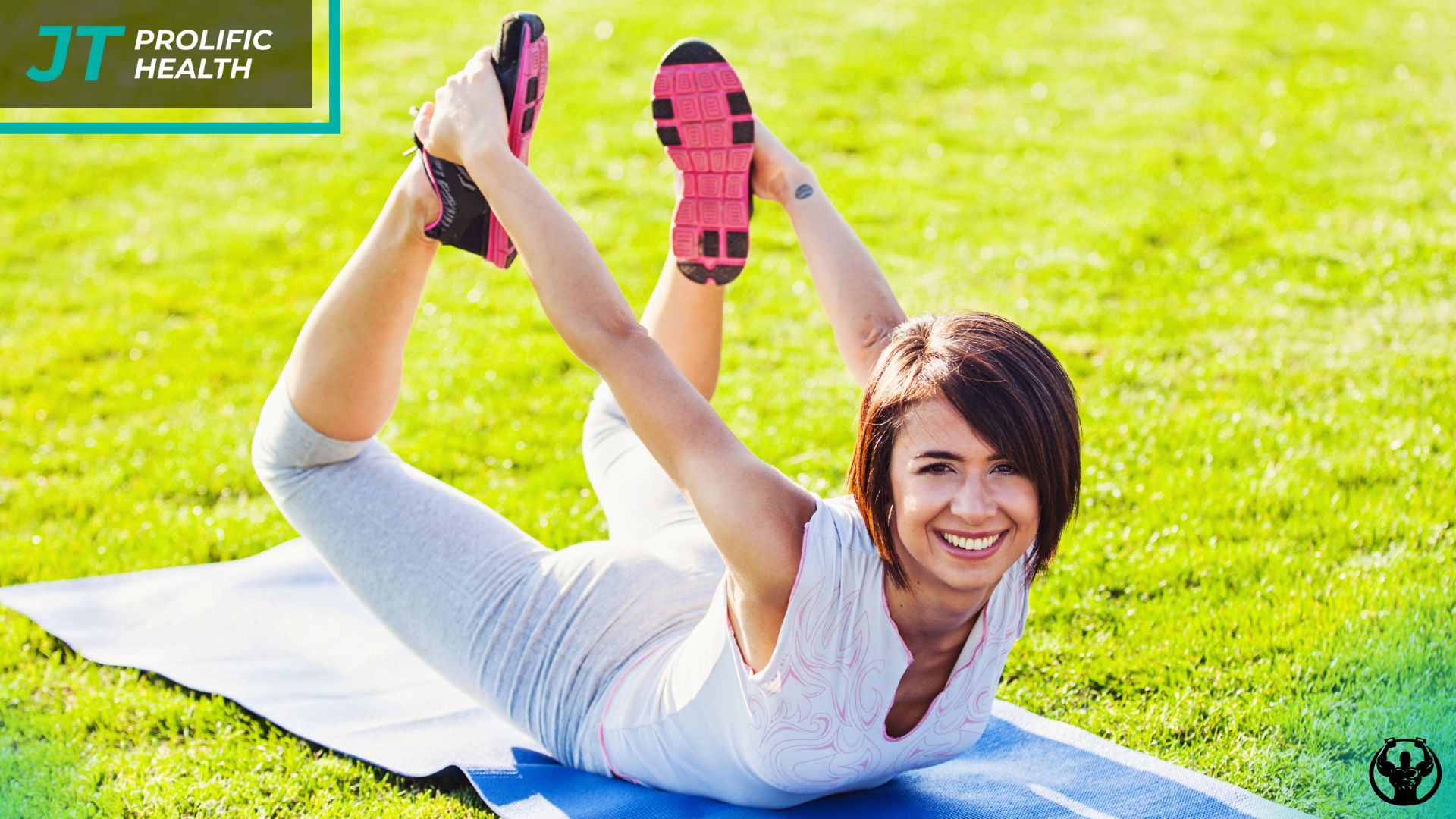
Flexibility and mobility often get overlooked by beginners, but they’re essential for maintaining joint health and preventing stiffness. Simple stretching routines, yoga, or mobility exercises can significantly improve how you feel during and after workouts. These components also aid in recovery and can help reduce muscle soreness.
Understanding how your body adapts to exercise helps set realistic expectations. When you start exercising, your body undergoes various adaptations: your heart becomes more efficient, your muscles develop greater endurance, and your bones become denser. These changes don’t happen overnight – they typically begin to show within 2-4 weeks of consistent activity, with more significant improvements visible after 8-12 weeks.
Creating Your First Workout Routine

For additional context, see our in-depth resource.
Designing your first workout routine should focus on simplicity, safety, and sustainability. A common mistake beginners make is trying to do too much too soon, leading to burnout, injury, or loss of motivation. Start with 2-3 workout sessions per week, allowing rest days between sessions for recovery and adaptation.
A balanced beginner routine should include three main components: a warm-up, the main workout, and a cool-down. The warm-up prepares your body for exercise by gradually increasing heart rate and warming up muscles. This can be as simple as 5-10 minutes of light walking, gentle stretching, or basic movements that mimic your planned exercises.
For the main workout, consider alternating between cardiovascular activities and strength training. On cardiovascular days, start with 15-20 minutes of moderate-intensity activity. This could be walking at a pace where you can still hold a conversation, using a stationary bike, or following a beginner-friendly fitness video. Gradually increase duration as your fitness improves.
Strength training days should focus on compound movements that work multiple muscle groups simultaneously. Exercises like squats, modified push-ups, planks, and lunges provide excellent full-body benefits. Start with bodyweight versions of these exercises, focusing on proper form rather than the number of repetitions. When you’re ready to prepare for more structured training, detailed guidance can help you establish proper techniques and progressions.
The cool-down phase is just as important as the warm-up. Spend 5-10 minutes gradually reducing your heart rate through light walking and static stretching. This helps prevent muscle stiffness and promotes recovery. Focus on stretching the major muscle groups you used during your workout.
Track your workouts in a simple log or smartphone app. Note what exercises you did, how long you exercised, and how you felt during and after the session. This information helps you identify patterns, track progress, and make adjustments to your routine as needed.
Building Healthy Nutrition Habits

For additional context, see expert insights in this article.
Nutrition plays a crucial role in supporting your fitness goals and overall well-being. As a beginner, you don’t need to follow complex diets or eliminate entire food groups. Instead, focus on developing sustainable eating habits that provide your body with the energy and nutrients it needs to support your new active lifestyle.
Start by understanding the basic macronutrients: carbohydrates, proteins, and fats. Carbohydrates provide quick energy for workouts and daily activities. Choose complex carbohydrates like whole grains, fruits, and vegetables over simple sugars. Protein supports muscle recovery and growth – aim to include a protein source with each meal, whether it’s lean meat, fish, eggs, beans, or dairy products.
Healthy fats are essential for hormone production and nutrient absorption. Include sources like avocados, nuts, olive oil, and fatty fish in your diet. Don’t fall into the trap of avoiding fats entirely – your body needs them for optimal function.
Hydration is often overlooked but critically important for exercise performance and recovery. Aim to drink water throughout the day, not just during workouts. A good rule of thumb is to drink water before you feel thirsty, and pay attention to your urine color as an indicator of hydration status – pale yellow indicates good hydration.
Meal timing can support your fitness goals, but it doesn’t need to be complicated. Try to eat a small snack containing carbohydrates and protein 30-60 minutes before exercising if you’re working out on an empty stomach. After exercising, aim to eat within 2 hours to support recovery. Many fitness professionals can provide insights into how nutrition supports your specific training goals.
Focus on adding nutritious foods rather than restricting everything you enjoy. Gradually increase your vegetable intake, choose whole grains over refined ones, and experiment with new healthy recipes. Small, consistent changes in your eating habits will compound over time and support your fitness journey more effectively than dramatic dietary overhauls.
Overcoming Common Beginner Challenges
For additional context, see step-by-step instructions.
Every beginner faces obstacles on their fitness journey, and recognizing these challenges ahead of time helps you prepare strategies to overcome them. One of the most common challenges is dealing with muscle soreness after workouts. Delayed onset muscle soreness (DOMS) typically peaks 24-48 hours after exercise and is completely normal for beginners.
To manage soreness, focus on gentle movement rather than complete rest. Light walking, stretching, or easy yoga can help reduce stiffness and promote blood flow to sore muscles. Adequate sleep, proper hydration, and gentle massage can also help with recovery. Remember that soreness should gradually decrease as your body adapts to regular exercise.
Lack of motivation is another common hurdle. Combat this by setting small, specific goals rather than vague aspirations. Instead of “get fit,” aim for “walk for 20 minutes three times this week.” Celebrate these small victories to build momentum and confidence. Consider finding a workout buddy or joining beginner-friendly fitness classes for accountability and social support.
Time constraints often derail fitness plans, but exercise doesn’t require hours at the gym. Even 10-15 minute sessions can provide benefits. Look for opportunities to be active throughout your day – take stairs instead of elevators, park farther away, or do bodyweight exercises during TV commercial breaks. Consistency with shorter workouts beats sporadic longer sessions.
Intimidation in gym environments is real for many beginners. Remember that most people are focused on their own workouts and aren’t judging others. Start during off-peak hours when gyms are less crowded, or consider whether working with a professional might help you feel more confident in these settings. Many people find that understanding when they might benefit from professional guidance helps them navigate their fitness journey more effectively.
Plateaus and slow progress can be frustrating, but they’re normal parts of the fitness journey. Your body adapts to exercise, so what challenged you initially may become easier over time. This is actually a sign of improvement! When you hit a plateau, it’s time to gradually increase the challenge – add more time, intensity, or try new exercises.
Setting Realistic Goals and Tracking Progress
Goal setting is a crucial component of fitness success, but many beginners set themselves up for disappointment by choosing unrealistic targets. Effective fitness goals follow the SMART principle: Specific, Measurable, Achievable, Relevant, and Time-bound. Instead of “lose weight quickly,” a SMART goal would be “lose 1-2 pounds per week for the next month by exercising three times weekly and eating more vegetables.”
Break larger goals into smaller milestones that you can achieve within 1-2 weeks. This creates regular opportunities for success and helps maintain motivation. For example, if your ultimate goal is to run a 5K, start with walking for 20 minutes without stopping, then progress to alternating walking and jogging intervals.
Track multiple types of progress, not just the number on the scale. Weight can fluctuate due to various factors including hydration, hormones, and muscle gain. Consider tracking measurements, how your clothes fit, energy levels, sleep quality, strength improvements, and endurance gains. Taking progress photos can also help you see changes that might not be reflected in measurements.
Keep a simple fitness journal or use a smartphone app to record your workouts, how you felt, and any challenges you encountered. This information becomes valuable for identifying patterns and making informed adjustments to your routine. Note improvements like being able to climb stairs without getting winded or completing more repetitions of an exercise.
Celebrate non-scale victories enthusiastically. Did you choose to take a walk instead of watching TV? Celebrate it. Did you try a new healthy recipe? That’s worth acknowledging too. These behavior changes are often more significant indicators of long-term success than short-term physical changes.
Be prepared to adjust your goals as you learn more about your preferences and capabilities. Flexibility in goal-setting isn’t failure – it’s intelligent adaptation. If you discover you hate running but love dancing, adjust your cardiovascular goals accordingly. The best fitness plan is one you’ll actually follow consistently.
Consider working with professionals who can help you set appropriate goals and track progress effectively. When determining how often you should work with a trainer or fitness professional, consider your experience level, specific goals, and learning preferences.
Prolific Health: Your Partner in Fitness Success
At Prolific Health, we understand that beginning a fitness journey can feel overwhelming, which is why we’re committed to providing personalized support that meets you exactly where you are. Our team of certified personal trainers specializes in working with beginners, creating safe, effective, and enjoyable fitness experiences that build confidence and deliver real results.
We believe that fitness should be accessible to everyone, regardless of current fitness level, age, or experience. Our trainers take the time to understand your unique goals, challenges, and preferences, developing customized programs that fit seamlessly into your lifestyle. Whether you’re looking to improve your overall health, lose weight, build strength, or simply feel more energetic, we’re here to guide you every step of the way.
Our comprehensive approach goes beyond just exercise prescription. We provide education on proper form and technique, help you understand how your body responds to different types of training, and offer guidance on supporting your fitness goals through nutrition and lifestyle choices. This holistic approach ensures that you’re not just following a workout plan, but truly understanding how to maintain a healthy, active lifestyle for years to come.
What sets Prolific Health apart is our commitment to making fitness feel approachable and sustainable. We know that the fitness industry can sometimes feel intimidating or exclusive, and we’re dedicated to creating an environment where beginners feel welcomed, supported, and empowered to succeed. Our trainers are not only highly qualified but also passionate about helping people discover the joy and satisfaction that comes from taking care of their bodies.
Frequently Asked Questions
How often should beginners exercise each week?
Beginners should aim for 2-3 exercise sessions per week, with rest days between workouts. This frequency allows your body to adapt to the new stress of exercise while providing adequate recovery time. As you build fitness and confidence, you can gradually increase to 4-5 sessions per week.
What’s the best type of exercise for someone just starting out?
The best exercise for beginners is one you enjoy and can do consistently. Walking is an excellent starting point for cardiovascular fitness, while bodyweight exercises like squats, modified push-ups, and planks provide strength training benefits. The key is starting with activities that match your current fitness level.
How long should beginner workouts last?
Beginner workouts should typically last 20-30 minutes, including warm-up and cool-down. It’s better to exercise for shorter periods consistently than to do long, exhausting sessions sporadically. As your fitness improves, you can gradually extend workout duration.
Is it normal to feel sore after starting to exercise?
Yes, muscle soreness is completely normal when starting a new exercise routine. This delayed onset muscle soreness (DOMS) typically peaks 24-48 hours after exercise and indicates that your muscles are adapting. Gentle movement, stretching, and proper hydration can help manage soreness.
Do I need expensive equipment to start exercising?
No, you don’t need expensive equipment to begin your fitness journey. Many effective exercises use only your body weight. A good pair of athletic shoes, comfortable workout clothes, and perhaps a yoga mat are all you need to start. Equipment can be added gradually as you develop your routine and preferences.
How quickly will I see results from exercise?
You may notice improvements in energy and mood within days of starting to exercise. Physical changes typically become noticeable after 2-4 weeks of consistent activity, with more significant changes visible after 8-12 weeks. Remember that progress isn’t always visible – improvements in strength, endurance, and overall health are equally important.
Should I focus on cardio or strength training as a beginner?
Beginners benefit from including both cardiovascular exercise and strength training in their routine. A balanced approach might include 2-3 days of cardio and 1-2 days of strength training per week. Both types of exercise offer unique benefits and work together to improve overall fitness and health.
When should I consider working with a personal trainer?
Consider working with a personal trainer if you’re unsure about proper exercise form, have specific health concerns, want a customized program, or need additional motivation and accountability. A trainer can help you avoid common mistakes and accelerate your progress safely. Learn more about determining if professional guidance is right for you through our comprehensive resources.
Conclusion
Starting your fitness journey as a beginner is an exciting and empowering decision that will benefit you for years to come. Remember that everyone starts somewhere, and the most important step is simply beginning. Focus on consistency over perfection, progress over speed, and enjoyment over obligation.
The key principles we’ve covered – starting slowly, focusing on proper form, building sustainable habits, and listening to your body – will serve as your foundation for long-term success. Fitness isn’t about achieving perfection; it’s about making choices that support your health and well-being while discovering what makes you feel strong, confident, and energized.
Don’t be discouraged by setbacks or slow progress. Every fitness journey includes challenges, plateaus, and learning experiences. What matters is your commitment to showing up consistently and treating yourself with patience and compassion along the way. Celebrate small victories, learn from difficulties, and remember that building a healthy lifestyle is a marathon, not a sprint.
As you continue on your fitness journey, remain open to trying new activities, adjusting your goals, and seeking support when needed. Whether that support comes from friends, family, online communities, or fitness professionals, remember that asking for help is a sign of wisdom, not weakness. Your future self will thank you for taking this important step toward better health and vitality.