
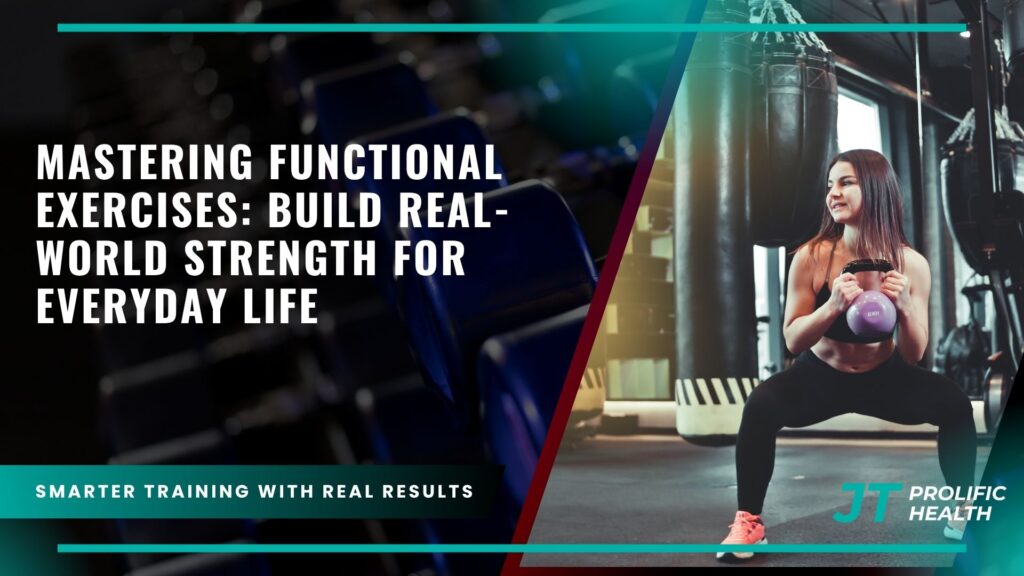
Functional exercises train your muscles to work together, preparing your body for the movements you perform in daily life—whether that’s lifting groceries, playing with your kids, or excelling in a recreational sport. Unlike isolated gym machines that target a single muscle group, functional fitness emphasizes multi-joint, multi-planar movements that enhance coordination, balance, and core stability. The result is a body that moves more efficiently, with a significantly lower risk of injury during routine tasks.
Key Takeaways
- Functional exercises replicate real-world movement patterns, improving your ability to perform everyday tasks safely.
- Core engagement, balance, and multi-joint coordination are the foundational pillars of any effective functional training program.
- Research shows functional training can reduce the risk of falls in older adults by up to 40% and alleviate chronic lower back pain more effectively than general exercise.
- Compound movements like squats, deadlifts, lunges, and carries form the backbone of a functional routine.
- Proper progression, from bodyweight mastery to loaded variations, is critical for long-term success and injury prevention.
- Integrating functional exercises just 2-3 times per week yields measurable improvements in strength, mobility, and metabolic health.
What Exactly Are Functional Exercises?
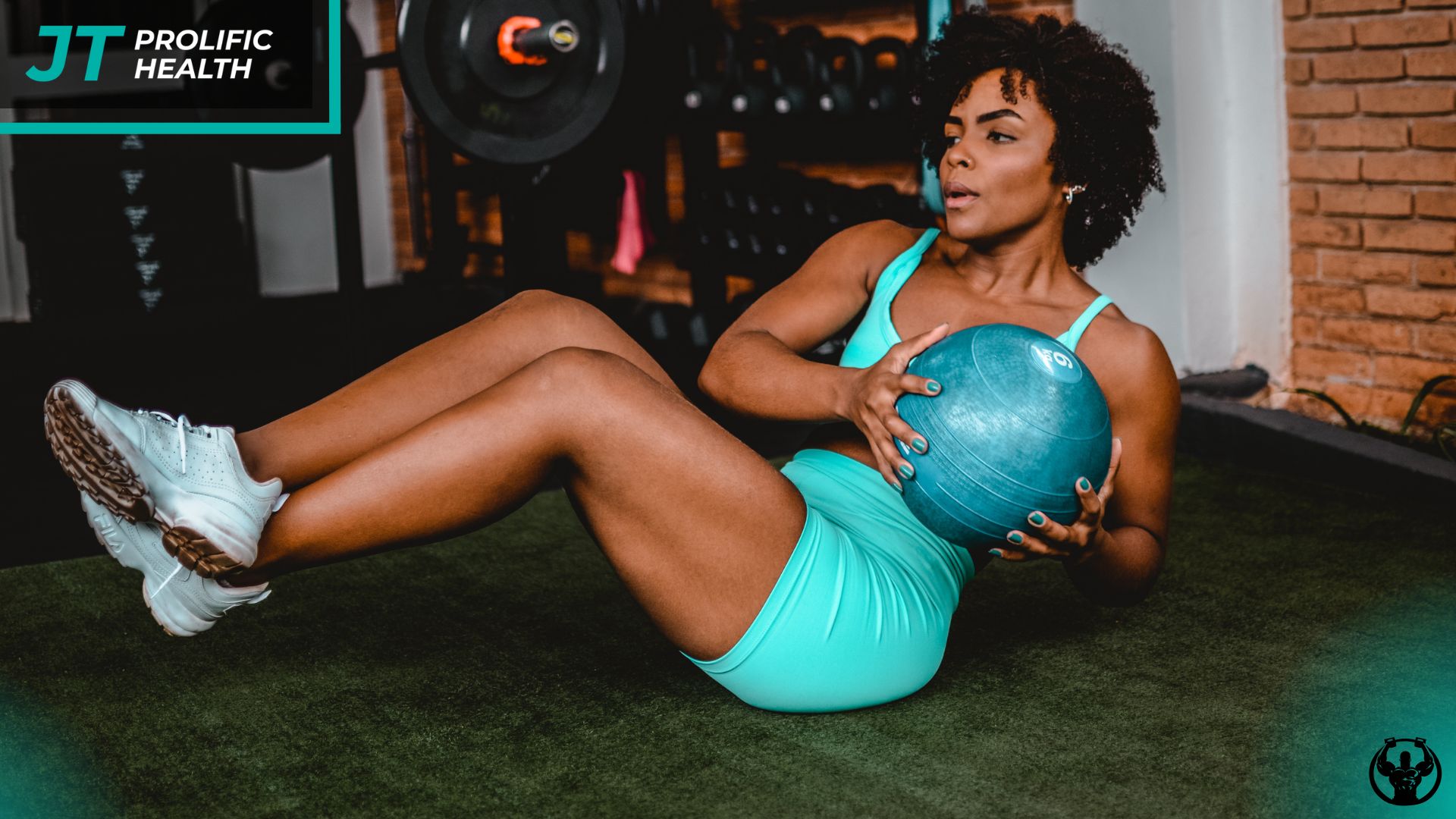
At its core, functional training is a classification of exercise that involves training the body for the activities performed in daily life. According to the American Council on Exercise, functional strength training focuses on movements that mimic real-world activities, engaging multiple muscle groups across various planes of motion simultaneously. This contrasts sharply with traditional bodybuilding-style isolation exercises, such as a seated bicep curl, which target a single muscle in a fixed, sagittal plane.
The biomechanical rationale is straightforward. In life, muscles rarely work in isolation. When you bend down to pick up a heavy box, your glutes, hamstrings, quadriceps, core, and upper back must coordinate in a synchronized kinetic chain. Functional exercises train this exact intermuscular coordination. Dr. Stuart McGill, a distinguished professor emeritus of spine biomechanics at the University of Waterloo, explains: “The goal is to build a resilient body that can handle unexpected loads and varied movement speeds. Training movements, not just muscles, creates a protective armor against the unpredictable stresses of life.”
The Science-Backed Benefits of Functional Training
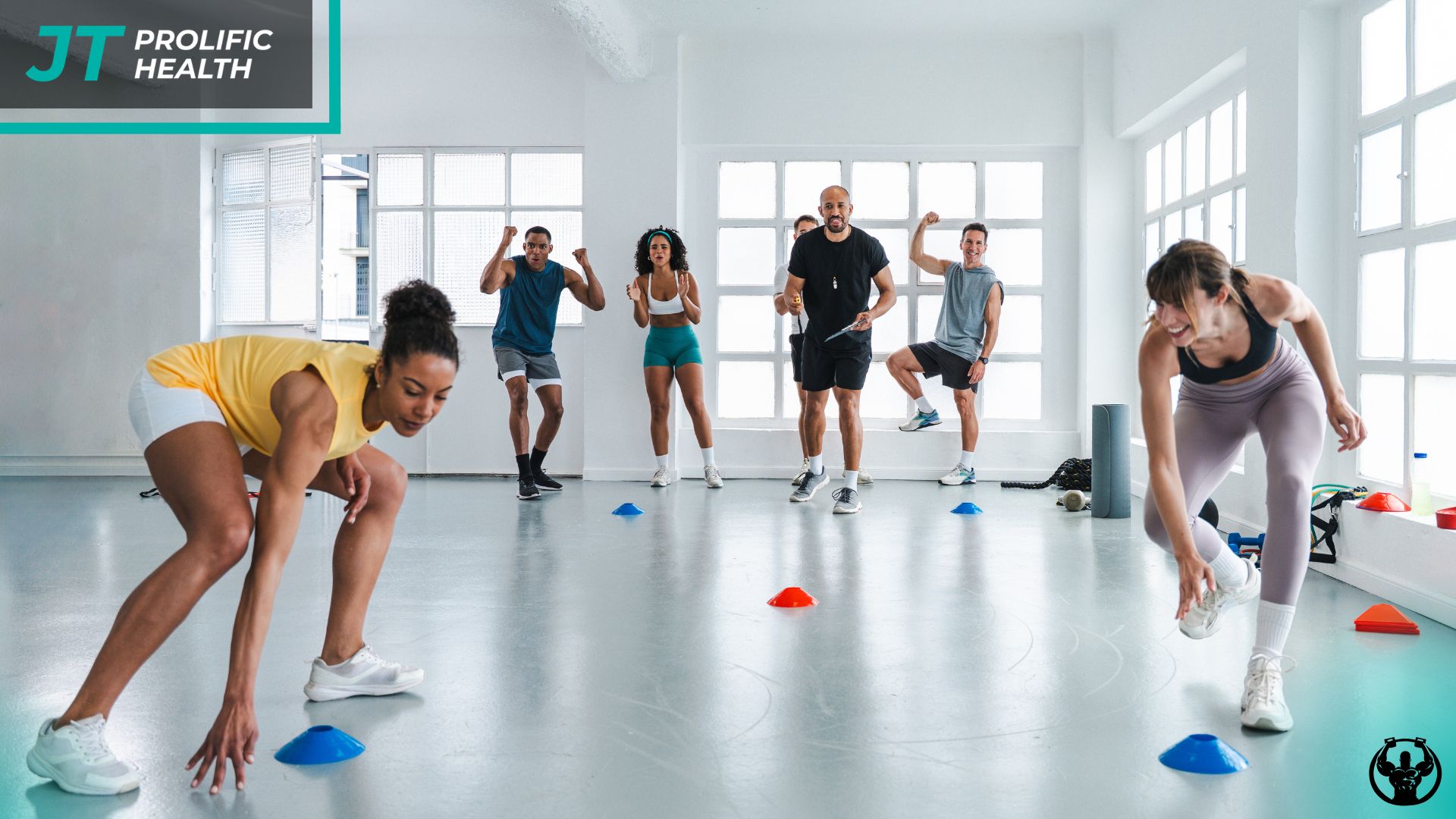
The shift toward functional fitness is not merely a trend; it is supported by a growing body of evidence. A 2023 systematic review published in the journal Sports Medicine analyzed 18 studies and concluded that functional training significantly improves speed, muscular strength, power, balance, and agility when compared to traditional training protocols. These adaptations translate directly to enhanced quality of life and athletic performance.
Injury Prevention and Rehabilitation
One of the most compelling applications of functional exercise lies in injury prevention. Research from the National Strength and Conditioning Association indicates that incorporating multi-directional lunges and single-leg stability work can reduce the incidence of non-contact anterior cruciate ligament (ACL) injuries by approximately 30-50% in athletic populations. The mechanism is neuromuscular control—teaching the brain to fire the right muscles at the right time to stabilize joints under load.
For the general population, functional training is a potent antidote to the musculoskeletal ailments of modern sedentary life. A 2021 study in the Journal of Back and Musculoskeletal Rehabilitation found that a 12-week functional training program reduced chronic non-specific lower back pain by 58% in office workers, compared to a 34% reduction in a control group performing general fitness routines. The emphasis on hip mobility and core endurance directly addresses the root causes of most mechanical back pain.
Enhanced Metabolic Conditioning
Because functional exercises engage large muscle groups in coordinated, often explosive patterns, they elicit a substantial metabolic response. Performing a complex movement like a dumbbell thruster (a front squat into an overhead press) elevates the heart rate and oxygen consumption far more than a leg extension machine. Data from the American College of Sports Medicine shows that high-intensity functional training can burn between 8 and 15 calories per minute, making it an exceptionally time-efficient method for improving cardiovascular health and body composition.
Core Principles of Functional Movement
To design an effective program, you must understand the biomechanical principles that distinguish functional exercises from non-functional ones. The following table contrasts key characteristics.
| Characteristic | Functional Exercise | Traditional Isolation Exercise |
|---|---|---|
| Planes of Motion | Multi-planar (sagittal, frontal, transverse) | Primarily single-plane (sagittal) |
| Joints Involved | Multi-joint (e.g., hip, knee, ankle) | Single-joint (e.g., elbow) |
| Core Engagement | High; required for stabilization | Low; often supported by a bench/machine |
| Proprioception | High; often free-standing, unstable tools | Low; fixed, guided movement path |
| Real-World Carryover | Direct; mimics daily tasks | Indirect; aesthetic or single-muscle focus |
The 7 Fundamental Movement Patterns
Every functional exercise can be categorized into one of seven primal movement patterns. A balanced program includes all of them. As Gray Cook, a physical therapist and co-founder of Functional Movement Systems, states: “If you can squat, hinge, lunge, push, pull, rotate, and carry, you have a bulletproof foundation for any physical challenge life throws at you.”
1. The Squat
The squat is the foundational lower-body movement, essential for sitting and standing. Begin with a bodyweight squat, ensuring your hips descend below parallel while your heels remain planted. Progress to goblet squats, where holding a weight in front of your chest forces an upright torso and deep core engagement. A 2022 analysis in the Journal of Strength and Conditioning Research confirmed that the goblet squat activates the rectus abdominis 30% more than a back squat, making it a superior functional choice for beginners.
2. The Hinge
The hip hinge is the pattern for safely picking objects off the floor. The deadlift, whether performed with a kettlebell, barbell, or resistance band, teaches the critical skill of maintaining a neutral spine while loading the posterior chain. According to the Mayo Clinic, mastering the hip hinge is the single most effective strategy for preventing lower back injuries during household chores and occupational lifting.
3. The Lunge
Lunges are single-leg movements that challenge balance and mimic walking, climbing, and stepping over obstacles. Variations like the reverse lunge, lateral lunge, and curtsy lunge train the body in the frontal and transverse planes, building resilience in the often-neglected gluteus medius. Research from the University of Calgary’s Human Performance Laboratory demonstrates that lateral lunges significantly reduce knee valgus (inward collapse), a major risk factor for ACL tears.
4. The Push
Horizontal and vertical pushing movements prepare the body for tasks like pushing a heavy door or placing an object on a high shelf. A standard push-up is a moving plank that builds scapular stability. Overhead presses with dumbbells or kettlebells demand shoulder mobility and core bracing. Dr. John Rusin, a sports performance specialist, notes: “The standing overhead press is the ultimate test of functional shoulder health. If you can’t lock out a weight overhead without arching your back, your kinetic chain has a broken link.”
5. The Pull
Pulling exercises counterbalance the modern tendency toward rounded shoulders from desk work. Rowing variations, pull-ups, and face pulls strengthen the upper back, rhomboids, and rear deltoids. A 2023 study in the Scandinavian Journal of Medicine & Science in Sports found that incorporating horizontal pulling exercises three times per week reduced neck and shoulder pain by 45% in adults who work on computers for more than six hours daily.
6. The Rotation
Rotational power is essential for sports like golf and tennis, but also for mundane actions like swinging a bag into a car. Exercises like the cable woodchop or medicine ball rotational throw train the obliques to transfer force from the lower to the upper body. Anti-rotation exercises, such as the Pallof press, teach the core to resist unwanted movement, protecting the lumbar spine.
7. The Carry
Loaded carries are the most primal functional exercise—picking up something heavy and walking with it. The farmer’s carry, suitcase carry, and waiter’s carry build grip strength, core stability, and total-body endurance. Dan John, a renowned strength coach, famously said, “The loaded carry does more to improve body composition and real-world strength than any other single exercise.” A single-arm suitcase carry, where you hold a weight on one side, forces the contralateral obliques to fire intensely to keep the torso upright.
How to Program Functional Exercises: A Step-by-Step Guide
Building a functional routine does not require complex choreography. The key is progressive overload applied to fundamental patterns. Follow these steps to create a balanced, effective program.
- Assess Your Movement Quality: Before adding load, perform a basic movement screen. Can you perform a deep bodyweight squat with your arms overhead without your lower back rounding? Can you balance on one leg for 30 seconds? Identify restrictions and prioritize mobility work for tight ankles, hips, and thoracic spine.
- Select a Primary Pattern for Each Day: Structure your week around the seven patterns. For example, a three-day split could be: Day 1 (Squat + Push + Carry), Day 2 (Hinge + Pull + Rotation), Day 3 (Lunge + Full-Body Integration).
- Choose the Appropriate Implement: Start with bodyweight, then progress to dumbbells, kettlebells, sandbags, and resistance bands. Kettlebells are particularly effective for functional training due to their offset center of gravity, which challenges stability. A 2024 report from the American College of Sports Medicine highlighted sandbag training as a top trend for 2026 because the shifting load uniquely mimics the instability of real-world objects.
- Manipulate Tempo and Range of Motion: Slow down the eccentric (lowering) phase to build control. Increase range of motion gradually. A deficit deadlift, where you stand on a small platform, increases the hinge depth and demands greater hip mobility.
- Integrate Cardiorespiratory Demand: Combine movements into circuits or complexes. A complex of five deadlifts, five hang cleans, and five overhead presses with the same weight keeps the heart rate elevated while reinforcing movement skill.
- Prioritize Recovery: Functional training is neurologically demanding. Schedule at least 48 hours between intense sessions targeting the same patterns. Incorporate soft tissue work with a foam roller and prioritize sleep for motor learning consolidation.
Common Mistakes That Derail Progress
Even with the best intentions, many individuals fall into traps that limit the benefits of functional exercises or lead to injury. The most pervasive error is prioritizing load over form. A heavy kettlebell swing with a rounded back is no longer a functional hinge; it is a spinal injury waiting to happen. Master the unloaded pattern first.
Another frequent mistake is neglecting single-limb work. The world is asymmetrical—you carry a briefcase on one side, step off a curb with one leg, or twist to grab something from the back seat. If your program consists solely of bilateral barbell squats and deadlifts, you are missing the anti-rotation and lateral stability components critical for knee and hip health. A 2020 meta-analysis in the British Journal of Sports Medicine found that programs incorporating single-leg balance and plyometric exercises reduced hamstring injury rates by 51% in recreational runners.
Finally, many people confuse “functional” with “extreme.” Functional fitness is not about performing circus tricks on a BOSU ball. Standing on an unstable surface while pressing weights overhead drastically reduces force output and does not replicate any real-world scenario. The foundation should be stable ground, with instability introduced through unilateral loading, not wobbly platforms.
Functional Exercises for Special Populations
The beauty of functional training is its infinite scalability. For older adults, the focus shifts to maintaining independence. The sit-to-stand (a box squat) and the single-leg balance are non-negotiable for fall prevention. Data from the Centers for Disease Control and Prevention indicates that falls are the leading cause of injury-related death in adults over 65, and functional strength programs are a frontline defense.
For adolescents, functional exercises build a broad athletic base and teach motor control during a period of rapid growth. Bodyweight circuits that include crawling, skipping, and tumbling develop the fundamental movement skills often missed in early sports specialization. For prenatal and postpartum women, functional training emphasizes pelvic floor coordination, diaphragmatic breathing, and exercises like the Pallof press to manage intra-abdominal pressure safely.
Essential Equipment for a Functional Home Gym
You do not need a commercial gym to train functionally. A minimalist setup can deliver world-class results. The most versatile tools include a single kettlebell (12-16 kg for most beginners), a suspension trainer like a TRX, and a set of resistance bands. A sandbag offers an unparalleled challenge because the load shifts dynamically, forcing constant micro-adjustments in grip and core tension. According to a 2025 consumer trends report from Statista, home fitness equipment sales for functional training tools surged by 42% in the past two years, reflecting a permanent shift in how people approach exercise.
Frequently Asked Questions
Can functional exercises help with weight loss?
Absolutely. Functional exercises, especially when structured in circuit or interval formats, create a high metabolic demand. The combination of strength and cardiovascular stress elevates excess post-exercise oxygen consumption (EPOC), meaning you continue to burn calories at an elevated rate for hours after the session ends. A 2021 study in the Journal of Obesity found that participants performing functional high-intensity training three times per week lost an average of 8.5% body fat over 12 weeks without significant dietary changes.
How often should I do functional exercises per week?
For general health and fitness, 2-3 dedicated functional training sessions per week is optimal. This allows sufficient stimulus for strength and motor learning gains while providing adequate recovery. On other days, low-intensity activities like walking, swimming, or yoga complement the program by promoting active recovery and mobility.
Are functional exercises safe for people with bad knees?
Yes, when programmed correctly. Functional training can actually improve knee health by strengthening the muscles that support the joint, particularly the glutes and quadriceps. The key is to avoid painful ranges of motion and start with regressions. For example, a box squat to a comfortable depth is an excellent starting point. A 2022 review in the Journal of Orthopaedic & Sports Physical Therapy concluded that supervised functional training reduces pain and improves function in individuals with patellofemoral pain syndrome.
What is the difference between functional training and CrossFit?
CrossFit is a branded fitness regimen that uses functional movements, often performed at high intensity. While CrossFit incorporates functional exercises, functional training itself is a broader concept. You can perform functional exercises at low, moderate, or high intensity, with or without the competitive, timed elements that characterize CrossFit workouts. Functional training is the methodology; CrossFit is one specific application of it.
Do I need a personal trainer to start functional exercises?
While not strictly necessary, working with a qualified coach, even for a few sessions, is highly recommended. A coach can assess your movement patterns, identify asymmetries, and teach you proper technique for complex lifts like the deadlift and kettlebell swing. This initial investment dramatically reduces injury risk and accelerates your progress by ensuring you are performing the right exercises for your specific needs.
Can I build muscle with functional exercises alone?
Yes, functional exercises can build significant muscle mass, particularly for beginners and intermediate trainees. Movements like the goblet squat, push-up, and pull-up provide substantial mechanical tension, the primary driver of hypertrophy. However, for advanced bodybuilders seeking maximal muscle isolation, some traditional accessory work may be a useful supplement. For the vast majority of people, functional training builds a balanced, athletic physique.
How long does a functional training session typically last?
An effective functional training session can be completed in 30 to 60 minutes. This includes a 5-10 minute dynamic warm-up focusing on mobility and activation, a 20-40 minute main workout targeting 2-3 movement patterns, and a 5-10 minute cool-down with static stretching. The efficiency of multi-joint exercises means you can achieve a full-body stimulus in less time than traditional split routines.
Conclusion
Functional exercises represent a paradigm shift from training muscles in isolation to training the body as an integrated system. By prioritizing movement quality, multi-planar strength, and core stability, this approach builds a body that is not only aesthetically fit but also resilient, capable, and prepared for the demands of everyday life. The evidence is clear: from reducing chronic pain and preventing falls to enhancing athletic performance and metabolic health, functional training delivers outcomes that traditional methods often fail to achieve.
The most effective program is one that meets you where you are and progresses intelligently. Start with the foundational patterns, master your own bodyweight, and gradually introduce external loads and complexity. Whether your goal is to play with your grandchildren without pain, hike a mountain, or simply move through your day with more energy and confidence, functional exercises provide the blueprint. If you are ready to experience the transformative power of training that truly translates to real life, reach out to our team today to design a personalized functional fitness plan tailored to your unique goals and abilities.
References
- American Council on Exercise. “Functional Training.” acefitness.org
- National Strength and Conditioning Association. “Injury Prevention and Functional Training.” nsca.com
- Mayo Clinic. “Back Pain and Exercise.” mayoclinic.org
- American College of Sports Medicine. “Worldwide Survey of Fitness Trends for 2026.” acsm.org
- Centers for Disease Control and Prevention. “Falls Among Older Adults.” cdc.gov
- Statista. “Home Fitness Equipment Market Trends.” statista.com
- McGill, S. (University of Waterloo). Expert commentary on spine biomechanics and functional movement.
- Cook, G. (Functional Movement Systems). Expert commentary on primal movement patterns.
- Rusin, J. (Dr. John Rusin Physical Therapy). Expert commentary on functional shoulder health.
- John, D. (Strength Coach). Expert commentary on loaded carries.