

Gender Differences in Training: Tailoring Workouts for Success Importance of Fitness Equipment Upgrades ensures trainers have the right tools to accommodate diverse client needs. The fitness industry has long operated under a one-size-fits-all mentality, but emerging research continues to reveal significant physiological and psychological differences between men and women that directly impact training effectiveness. Understanding these gender differences in training isn’t about reinforcing stereotypes or creating unnecessary divisions – it’s about optimizing results through science-based approaches that acknowledge biological realities.
When personal trainers recognize and adapt to these fundamental differences, they can create more effective, safer, and more enjoyable training experiences for their clients. From hormonal fluctuations that affect energy levels and recovery to structural differences in muscle fiber composition, these variations require thoughtful consideration in program design.
The conversation around gender differences in training has evolved considerably over the past decade. Where once the fitness world largely ignored these distinctions, today’s evidence-based approach embraces the complexity of human physiology. This shift has led to more personalized training methodologies that consider factors like metabolic differences, injury susceptibility patterns, and motivational preferences.
For fitness professionals working in diverse communities like Richmond and Vancouver, understanding these differences becomes even more crucial. Clients come from various backgrounds with different fitness experiences, cultural perspectives on exercise, and personal goals. A trainer who can adapt their approach based on both individual needs and gender-specific considerations will consistently deliver superior results.
The implications extend beyond just exercise selection and program design. Gender differences in training affect everything from communication styles and feedback preferences to recovery protocols and nutritional needs. This comprehensive understanding allows trainers to create truly individualized experiences that honor both the science of exercise physiology and the art of human motivation.
Key Takeaways
For additional context, see this comprehensive guide.
- Hormonal cycles significantly impact training performance – Women experience fluctuating energy levels, strength variations, and recovery needs throughout their menstrual cycle, requiring flexible programming approaches that can accommodate these natural changes.
- Muscle fiber composition differs between genders – Men typically have a higher percentage of fast-twitch muscle fibers, making them naturally suited for explosive movements, while women often excel in endurance-based activities due to greater slow-twitch fiber density.
- Recovery patterns vary substantially – Women generally recover faster from high-intensity training sessions but may need longer recovery periods from heavy strength training, while men typically require more recovery time between intense sessions but can handle higher training volumes.
- Injury susceptibility shows gender-specific patterns – Women face higher risks for ACL injuries and stress fractures, while men are more prone to muscle strains and overuse injuries, necessitating targeted prevention strategies in training programs.
- Motivational factors and goal preferences differ – Research indicates women often prioritize functional fitness, group dynamics, and holistic wellness, while men may focus more on strength gains, competition, and performance metrics.
- Metabolic responses to exercise vary – Women tend to utilize fat as fuel more efficiently during moderate-intensity exercise, while men may see faster adaptations to high-intensity interval training and strength-focused protocols.
- Communication and feedback preferences show distinct patterns – Understanding these differences allows trainers to adjust their coaching style, feedback delivery, and motivational strategies for maximum effectiveness with each client.
Understanding the Physiological Foundation

For additional context, see detailed information on this topic.
The foundation of gender differences in training lies in fundamental physiological distinctions that have evolved over thousands of years. These differences aren’t limitations or advantages – they’re simply biological realities that smart trainers can leverage to optimize training outcomes for every client.
Hormonal profiles represent perhaps the most significant factor influencing training responses. Testosterone levels in men typically range from 300-1000 ng/dL, while women maintain levels between 15-70 ng/dL. This dramatic difference affects muscle protein synthesis, recovery rates, and strength development potential. However, women benefit from higher estrogen levels, which can enhance fat oxidation and provide protective effects against certain types of exercise-induced muscle damage.
Body composition differences extend beyond the obvious. Men typically carry 10-15% body fat compared to women’s 20-25%, reflecting evolutionary adaptations for different survival strategies. This affects everything from thermoregulation during exercise to substrate utilization during different training intensities. Women’s higher essential fat percentage isn’t a disadvantage – it supports crucial physiological functions and influences how the body responds to various training stimuli.
Cardiovascular differences also play crucial roles in training design. Women generally have smaller heart chambers but higher resting heart rates, leading to different cardiovascular adaptations to training. They often demonstrate superior capillary density, which can translate to better endurance performance and faster recovery between high-intensity intervals.
Skeletal structure variations impact exercise selection and injury prevention strategies. Women typically have wider pelvises, different Q-angles at the knee, and varying limb length ratios. These structural differences don’t limit exercise options but do influence optimal movement patterns and require attention to proper form and progression strategies.
Hormonal Considerations in Training Design
For additional context, see our in-depth resource.
The menstrual cycle represents one of the most overlooked factors in women’s training, yet it profoundly impacts performance, recovery, and injury risk. Understanding these cyclical changes allows trainers to optimize programming and set realistic expectations throughout the month.
During the follicular phase (days 1-14), rising estrogen levels often correlate with improved mood, higher pain tolerance, and enhanced strength capacity. This phase presents an excellent opportunity for progressive overload, skill acquisition, and high-intensity training. Many women report feeling strongest during the late follicular phase, making it ideal for testing maximum lifts or introducing challenging new movement patterns.
The luteal phase (days 15-28) brings different considerations. Rising progesterone can increase core body temperature, affect hydration status, and influence substrate utilization during exercise. Some women experience decreased coordination and increased injury risk during this phase, particularly in the days leading up to menstruation. Smart programming during this period might emphasize technique refinement, moderate intensities, and enhanced recovery protocols.
For men, hormonal considerations center around testosterone’s daily and seasonal fluctuations. Testosterone typically peaks in the morning and gradually declines throughout the day, suggesting potential benefits for scheduling high-intensity strength training earlier when possible. Age-related testosterone decline also requires programming adjustments, with older male clients benefiting from longer recovery periods and modified training volumes.
Sleep quality significantly impacts hormonal balance for both genders but manifests differently. Women often experience sleep disruptions during certain menstrual cycle phases, while men may see testosterone suppression from chronic sleep deprivation. Understanding these patterns helps trainers adjust training intensity and recovery recommendations based on reported sleep quality and energy levels.
Stress hormones like cortisol affect men and women differently. Women may experience more pronounced cortisol responses to psychological stress, while men often show greater cortisol elevation from physical training stress. This knowledge influences how trainers balance training load with life stress and implement recovery strategies.
Strength Training Adaptations and Differences
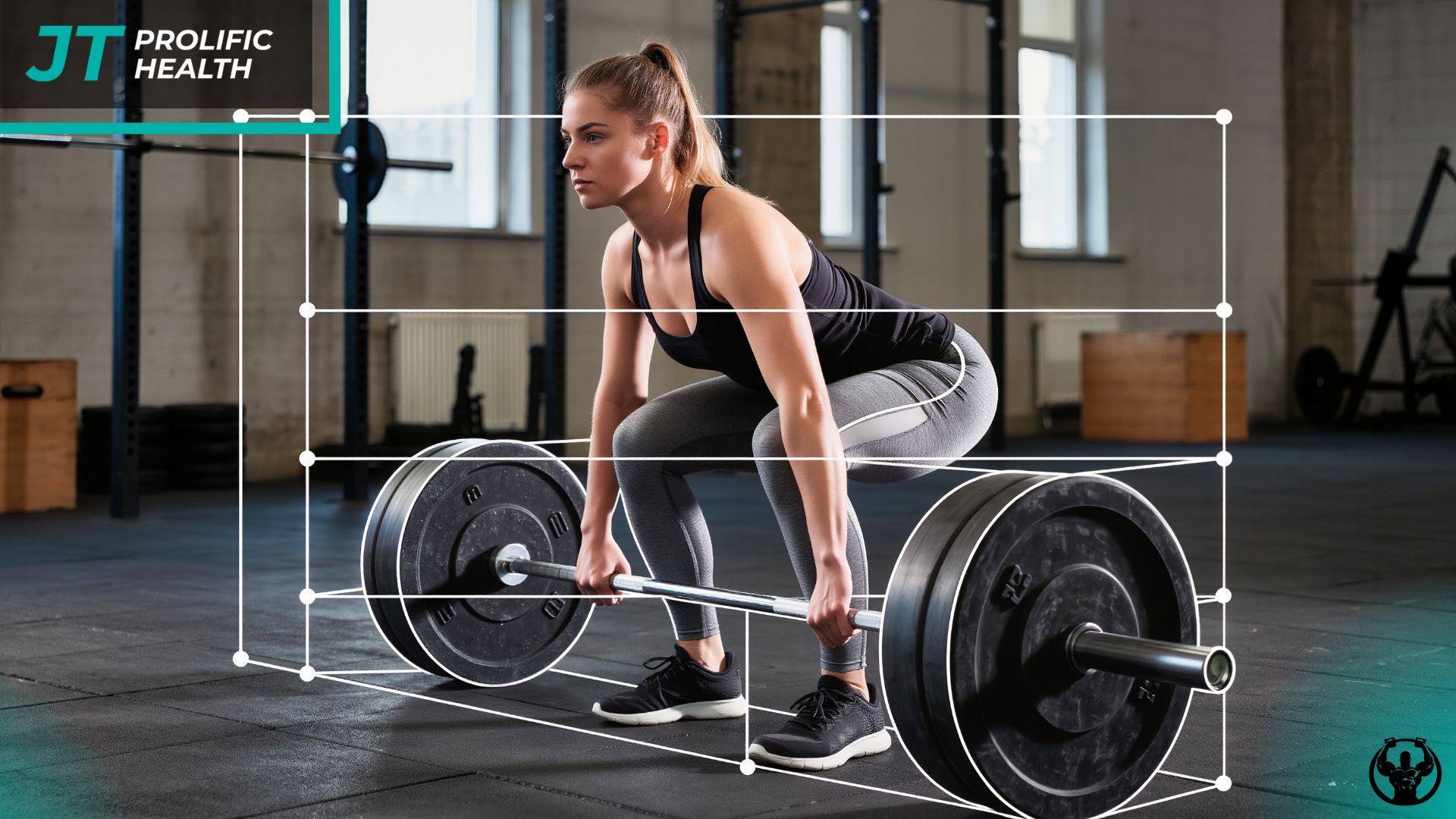
Strength training responses reveal fascinating gender differences that extend far beyond simple muscle size increases. While men typically develop greater absolute strength due to higher testosterone levels and larger muscle mass, women often demonstrate superior strength gains relative to their starting point and show remarkable adaptations in neuromuscular coordination.
Women’s strength gains during the initial months of training frequently exceed men’s percentage improvements. This occurs because women often start with less prior strength training experience and their neuromuscular systems adapt rapidly to new movement patterns. Additionally, women tend to have lower initial strength levels, making relative improvements more dramatic even with smaller absolute changes.
The distribution of strength gains also differs between genders. Men typically see more pronounced upper body strength improvements, reflecting their natural muscle mass distribution and hormonal advantages. Women often excel in lower body strength development and demonstrate superior strength endurance capabilities. These patterns influence exercise selection and progression strategies in well-designed programs.
Recovery between strength training sessions shows distinct gender patterns. Women generally recover faster from high-repetition, moderate-intensity strength training but may need additional recovery time when working at very high intensities (above 90% 1RM). Men typically require longer recovery periods between intense training sessions but can often handle higher training volumes when adequately recovered.
Muscle fiber recruitment patterns also vary. Women often demonstrate more efficient motor unit recruitment and show less fatigue during submaximal contractions. This translates to advantages in strength endurance activities and suggests different optimal rep ranges and training densities for maximizing adaptations.
The psychological aspects of strength training reveal additional gender considerations. Women may initially feel intimidated by heavy weights or complex movements, requiring more extensive education about proper form and gradual progression. Men might be more likely to ego-lift or push through poor form to achieve heavier loads, necessitating different coaching approaches and safety emphasis.
Cardiovascular Training Considerations
Cardiovascular training responses showcase some of the most interesting gender differences in exercise physiology. Women often demonstrate superior fat oxidation capabilities during moderate-intensity exercise, while men may show faster adaptations to high-intensity interval protocols. Understanding these differences allows trainers to optimize cardiovascular programming for each client’s physiology and goals.
Substrate utilization patterns differ significantly between genders. Women typically shift to fat burning more readily during aerobic exercise, maintaining this preference across a wider range of intensities. This metabolic advantage translates to excellent adaptations from moderate-intensity steady-state cardio and makes women particularly responsive to fat-loss focused cardiovascular programs.
Men often excel in high-intensity, short-duration cardiovascular activities. Their higher percentage of fast-twitch muscle fibers and greater anaerobic power output make them naturally suited for sprint intervals, hill repeats, and other explosive cardiovascular training methods. However, this doesn’t mean women can’t benefit from high-intensity training – it simply suggests different optimal work-to-rest ratios and progression strategies.
Thermoregulation during cardiovascular exercise presents unique considerations for each gender. Women’s higher surface area-to-mass ratio often provides advantages in heat dissipation, but hormonal fluctuations can affect temperature regulation throughout the menstrual cycle. Men’s larger muscle mass generates more metabolic heat, requiring attention to hydration and environmental factors during intense cardio sessions.
Heart rate responses to training show gender-specific patterns that affect target zone calculations. Women typically have higher resting heart rates but may achieve similar or higher maximum heart rates compared to men of the same age. This influences how trainers calculate and monitor training intensities, particularly when using heart rate-based programming.
Recovery from cardiovascular training also varies between genders. Women often bounce back more quickly from moderate-intensity cardio sessions but may need additional recovery after very high-intensity interval work. Men typically require longer recovery periods between intense cardio sessions but can often handle higher weekly training volumes when properly periodized.
Injury Prevention and Gender-Specific Risk Factors
Injury prevention strategies must account for gender-specific risk factors that stem from anatomical, hormonal, and biomechanical differences. Women face elevated risks for certain injuries like ACL tears and stress fractures, while men show higher incidences of muscle strains and acute traumatic injuries. Effective training programs address these risk patterns proactively.
ACL injury rates in women exceed men’s by 4-6 times in comparable sports, largely due to anatomical and neuromuscular factors. Women’s wider pelvises create different knee mechanics, and hormonal fluctuations may affect ligament laxity throughout the menstrual cycle. Training programs should emphasize landing mechanics, hip strengthening, and neuromuscular control exercises to address these risk factors.
Stress fracture susceptibility shows clear gender patterns, with women experiencing higher rates particularly in weight-bearing bones. This increased risk relates to lower bone density, hormonal factors affecting bone metabolism, and potential issues with energy availability. Trainers must monitor training loads carefully and ensure clients maintain adequate nutrition to support bone health.
Men’s injury patterns often involve acute muscle strains and overuse injuries related to aggressive training approaches. Their higher testosterone levels and competitive tendencies may lead to pushing through pain or ignoring early warning signs. Prevention strategies should emphasize proper warm-up protocols, load management, and education about recognizing injury symptoms.
Shoulder injuries present differently between genders. Women often experience shoulder impingement and instability issues related to joint laxity and muscle imbalances, while men more commonly suffer from rotator cuff strains and overuse injuries. These patterns require different approaches to shoulder stability training and exercise modification strategies.
The role of proper movement screening becomes crucial when considering gender differences in injury risk. Women may need additional focus on hip stability and knee alignment, while men might require more attention to shoulder mobility and posterior chain activation. Professional trainers who understand proper assessment protocols can identify and address these risk factors before they lead to injury.
Nutritional Considerations and Gender Differences
Nutritional needs and responses to dietary interventions show significant gender variations that impact training outcomes. Women’s cyclical hormonal changes affect appetite, cravings, and nutrient utilization, while men’s higher muscle mass and metabolic rate create different caloric and macronutrient requirements. Understanding these differences helps trainers provide more effective guidance or appropriate referrals to nutrition professionals.
Caloric needs vary dramatically between genders due to differences in muscle mass, metabolic rate, and activity levels. Men typically require 400-600 more calories daily than women of similar age and activity level. However, women’s needs fluctuate throughout their menstrual cycle, with increases of 100-300 calories during the luteal phase when progesterone levels peak.
Protein requirements show interesting gender-specific patterns. While both men and women benefit from adequate protein intake for muscle protein synthesis, women may have slightly lower absolute requirements due to more efficient protein utilization. However, women following restrictive diets or experiencing hormonal changes may need proportionally higher protein intakes to maintain muscle mass and support recovery.
Iron needs present one of the most significant nutritional gender differences. Women’s menstrual losses create iron requirements nearly double those of men, making iron deficiency anemia a common concern that can dramatically impact training performance. Trainers should be aware of fatigue patterns that might indicate iron deficiency and encourage appropriate medical evaluation.
Carbohydrate utilization differs between genders, with women showing greater ability to maintain performance on lower carbohydrate intakes during moderate-intensity exercise. Men often require more consistent carbohydrate intake to support high-intensity training and may experience more dramatic performance decreases when carbohydrates are restricted.
Hydration needs and sweat rates typically favor higher requirements for men due to greater muscle mass and heat production during exercise. However, women’s hydration status can be affected by hormonal fluctuations, with some experiencing increased fluid retention during certain menstrual cycle phases. These patterns influence pre- and post-workout hydration strategies.
Many fitness professionals find that understanding these nutritional differences enhances their ability to support client success. For those interested in expanding their knowledge in this area, exploring nutrition guidance approaches can provide valuable insights into appropriate scope of practice and referral strategies.
Motivation and Psychological Factors
Gender differences in motivation, goal-setting, and psychological responses to training significantly impact program adherence and long-term success. While individual variation always trumps gender generalizations, research reveals consistent patterns that informed trainers can use to enhance client experiences and outcomes.
Goal orientation often differs between men and women entering fitness programs. Women frequently prioritize functional fitness, stress reduction, and overall wellness, while men may focus more heavily on strength gains, performance metrics, and competitive achievements. These different motivational drivers require adjusted communication strategies and program design approaches.
Social aspects of training show distinct gender preferences. Women often thrive in group settings or partner workouts, drawing motivation from social connection and shared experiences. Men may prefer individual challenges or competitive elements within group settings. Understanding these preferences helps trainers structure sessions and recommend appropriate training environments.
Feedback and coaching style preferences reveal important gender considerations. Women often respond well to detailed explanations, collaborative goal-setting, and positive reinforcement strategies. Men may prefer direct, performance-focused feedback and clear progression markers. However, these patterns aren’t universal, and skilled trainers adapt their approach based on individual client preferences.
Body image and self-perception issues affect both genders but manifest differently. Women may struggle with appearance-focused concerns and comparison to unrealistic media standards, while men might experience pressure to achieve certain strength or physique benchmarks. Trainers must navigate these sensitivities while promoting healthy, sustainable approaches to fitness.
Stress responses to training challenges show gender-specific patterns. Women may internalize training difficulties and require more reassurance during skill acquisition phases. Men might externalize frustration or become overly competitive, necessitating different de-escalation and motivation strategies.
The decision-making process around fitness commitments also varies. Women often consider multiple factors including family obligations, time constraints, and financial considerations when evaluating training options. Men may make quicker decisions based primarily on perceived value and results potential. For those exploring their options, understanding whether personal training is right for them can help clarify these decision-making factors.
Prolific Health’s Approach to Gender-Informed Training
At Prolific Health, we recognize that understanding gender differences in training represents just one component of truly personalized fitness programming. Our approach combines evidence-based knowledge of physiological differences with deep appreciation for individual variation, creating training experiences that honor both scientific principles and personal preferences.
Our trainers receive comprehensive education on gender-specific considerations while maintaining focus on individual assessment and customization. We understand that while research reveals general patterns, each client brings unique goals, limitations, and preferences that must guide program design decisions.
The integration of gender-informed training principles appears throughout our service delivery. From initial consultations that explore hormonal considerations and injury history to ongoing program adjustments based on recovery patterns and performance feedback, we maintain awareness of how gender differences might influence training responses while never making assumptions about individual capabilities or preferences.
Our team’s commitment to continuing education ensures we stay current with evolving research on gender differences in exercise science. This knowledge base allows us to provide informed guidance while maintaining appropriate scope of practice and making referrals to specialists when indicated.
We also recognize that gender-informed training extends beyond exercise programming to encompass communication styles, goal-setting approaches, and motivational strategies. Our trainers develop skills in adapting their coaching methods to match client preferences while maintaining the supportive, professional relationships that drive long-term success.
For fitness professionals interested in developing these skills, understanding the business aspects of personalized service delivery becomes crucial. Resources on building successful fitness businesses can provide valuable insights into creating sustainable practices that serve diverse client populations effectively.
Frequently Asked Questions
Do women need completely different workout programs than men?
Not completely different, but modifications based on physiological differences can optimize results. Women may benefit from different rep ranges, recovery periods, and exercise selections while following similar fundamental training principles as men.
Should women avoid heavy weight training?
Absolutely not. Women can and should engage in heavy weight training, though their progression patterns and optimal intensities may differ from men’s. Heavy resistance training provides crucial benefits for bone density, metabolism, and functional strength.
How does the menstrual cycle affect workout performance?
Hormonal fluctuations can impact energy levels, strength, and recovery throughout the cycle. Many women feel strongest during the follicular phase and may need modified intensity during the luteal phase, though individual responses vary significantly.
Are men naturally better at certain types of exercise?
Men typically excel in explosive, high-intensity activities due to higher testosterone and fast-twitch muscle fiber percentages. However, women often outperform men in endurance activities and strength endurance tasks. Both genders can improve in all exercise categories.
How should recovery time differ between men and women?
Women generally recover faster from moderate-intensity training but may need more recovery from very high-intensity sessions. Men typically require longer recovery between intense workouts but can handle higher overall training volumes when properly programmed.
Do gender differences matter for beginner exercisers?
Understanding gender differences helps optimize programming from the beginning, but fundamental movement patterns and progression principles apply to all beginners. Individual assessment remains more important than gender generalizations for new exercisers.
Should nutrition recommendations differ based on gender?
Yes, men and women have different caloric needs, macronutrient requirements, and micronutrient considerations. Women need more iron and may have cyclical appetite changes, while men typically require higher overall caloric intake due to greater muscle mass.
How do injury risks differ between men and women?
Women face higher risks for ACL injuries and stress fractures, while men experience more muscle strains and overuse injuries. Prevention strategies should address these specific risk patterns through targeted exercise selection and education.
Conclusion
Gender differences in training represent a fascinating intersection of biology, psychology, and exercise science that continues to evolve as research expands our understanding. Rather than creating rigid categories or limitations, this knowledge empowers trainers to provide more effective, personalized programming that optimizes results for every individual.
The key lies in balancing evidence-based understanding of physiological differences with deep respect for individual variation and preferences. No two clients are identical, regardless of gender, and successful training programs must account for personal goals, lifestyle factors, and unique physical characteristics while incorporating relevant gender-specific considerations.
For fitness professionals, developing competency in gender-informed training enhances their ability to serve diverse populations effectively. This includes understanding when to modify programming based on hormonal considerations, how to adjust communication styles for different motivational preferences, and recognizing gender-specific injury risk patterns that require preventive attention.
As the fitness industry continues to evolve toward more personalized, evidence-based approaches, the integration of gender differences in training will become increasingly sophisticated. Future developments may include more precise hormonal monitoring, individualized recovery protocols, and technology-assisted program modifications based on real-time physiological feedback.
The ultimate goal remains unchanged: helping every individual achieve their health and fitness objectives through safe, effective, and enjoyable training experiences. By understanding and respecting both the similarities and differences between men and women, fitness professionals can create more successful outcomes while fostering positive relationships with exercise that last a lifetime. Whether someone is just beginning their fitness journey or looking to optimize their current routine, the principles of gender-informed training provide valuable tools for maximizing success while honoring individual needs and preferences.