

The world of fitness is constantly evolving, with new training methods and exercise techniques emerging regularly. However, some of the most effective approaches to building strength and muscle control have been around for decades. Isometric exercises represent one such time-tested method that continues to prove its worth in modern fitness programs. These static holds and muscle contractions offer unique benefits that traditional dynamic movements simply cannot provide.
Isometric exercises involve contracting muscles without changing their length or moving the joints they cross. Unlike dynamic exercises where muscles lengthen and shorten through a range of motion, static holds maintain muscle tension at a fixed position for a predetermined duration. This fundamental difference creates specific adaptations in muscle fibers, neural pathways, and overall body control that complement traditional strength training beautifully.
For individuals seeking to enhance their muscle control, improve stability, and develop functional strength, incorporating isometric exercises into their routine can be transformative. These exercises target deep stabilizing muscles that often get overlooked in conventional workouts, leading to improved posture, reduced injury risk, and enhanced performance in daily activities and sports.
The beauty of isometric training lies in its accessibility and versatility. Whether you’re a complete beginner looking to build foundational strength or an experienced athlete seeking to break through plateaus, static holds can be adapted to meet your specific needs and fitness level. From simple wall sits and planks to advanced single-arm hangs and pistol squat holds, the progression possibilities are virtually limitless.
Understanding how to properly implement isometric exercises requires knowledge of proper form, appropriate progression strategies, and integration techniques that complement your existing training program. When executed correctly, these exercises can significantly enhance your overall fitness journey and provide measurable improvements in strength, endurance, and body awareness.
Key Takeaways
For additional context, see this comprehensive guide.
- Enhanced Muscle Control: Isometric exercises develop precise muscle activation patterns and improve neuromuscular coordination, leading to better overall body control and movement quality in daily activities and athletic performance.
- Joint-Specific Strength: Static holds build strength at specific joint angles, making them invaluable for addressing weak points in movement patterns and improving stability at vulnerable positions during dynamic exercises.
- Time-Efficient Training: Isometric exercises can provide significant strength gains in relatively short workout sessions, making them ideal for busy individuals or as additions to existing training programs without requiring extensive time commitments.
- Low-Impact Benefits: These exercises place minimal stress on joints while still providing intense muscle stimulation, making them suitable for individuals with joint issues or those recovering from injuries.
- Progressive Overload Flexibility: Static holds can be progressed through increased duration, more challenging positions, or added resistance, providing multiple pathways for continued improvement and adaptation.
- Core Stability Development: Many isometric exercises inherently challenge core stability, leading to improved spinal alignment, reduced back pain, and enhanced functional movement patterns throughout the body.
- Mental Focus Enhancement: Maintaining challenging static positions requires significant mental concentration and body awareness, developing mindfulness and the mind-muscle connection that benefits all aspects of training.
- Injury Prevention Potential: Regular isometric training strengthens stabilizing muscles and improves joint stability, potentially reducing the risk of common injuries associated with dynamic movements and sports activities.
Understanding Isometric Exercise Fundamentals

Isometric exercises represent a unique category of strength training that challenges muscles in ways fundamentally different from traditional dynamic movements. The term “isometric” derives from Greek words meaning “same length,” accurately describing how muscles contract and generate force without changing their physical length or moving the associated joints.
This type of muscle contraction occurs naturally throughout daily life, such as when carrying heavy groceries, maintaining posture while sitting, or stabilizing your body during various activities. However, purposeful isometric training takes these natural contractions and applies them systematically to develop specific strength and control adaptations.
The physiological mechanisms behind isometric exercises involve sustained muscle fiber recruitment and neural activation patterns that differ significantly from dynamic contractions. During static holds, muscle fibers must maintain continuous tension against resistance, leading to unique metabolic demands and adaptation responses. This sustained tension creates an environment where stabilizing muscles, often overlooked in traditional training, become primary contributors to the exercise.
One of the most significant advantages of isometric training is its ability to target specific joint angles and positions where individuals may be weakest or most vulnerable to injury. For example, holding a squat at the bottom position can strengthen the muscles at that specific range of motion, improving performance and stability during the most challenging portion of the movement.
The versatility of isometric exercises extends beyond simple strength building. These exercises can be used for rehabilitation purposes, helping individuals regain strength after injury while avoiding potentially harmful ranges of motion. They also serve as excellent assessment tools, allowing trainers and individuals to identify strength imbalances and movement limitations that may not be apparent during dynamic exercises.
Essential Isometric Exercises for Muscle Control
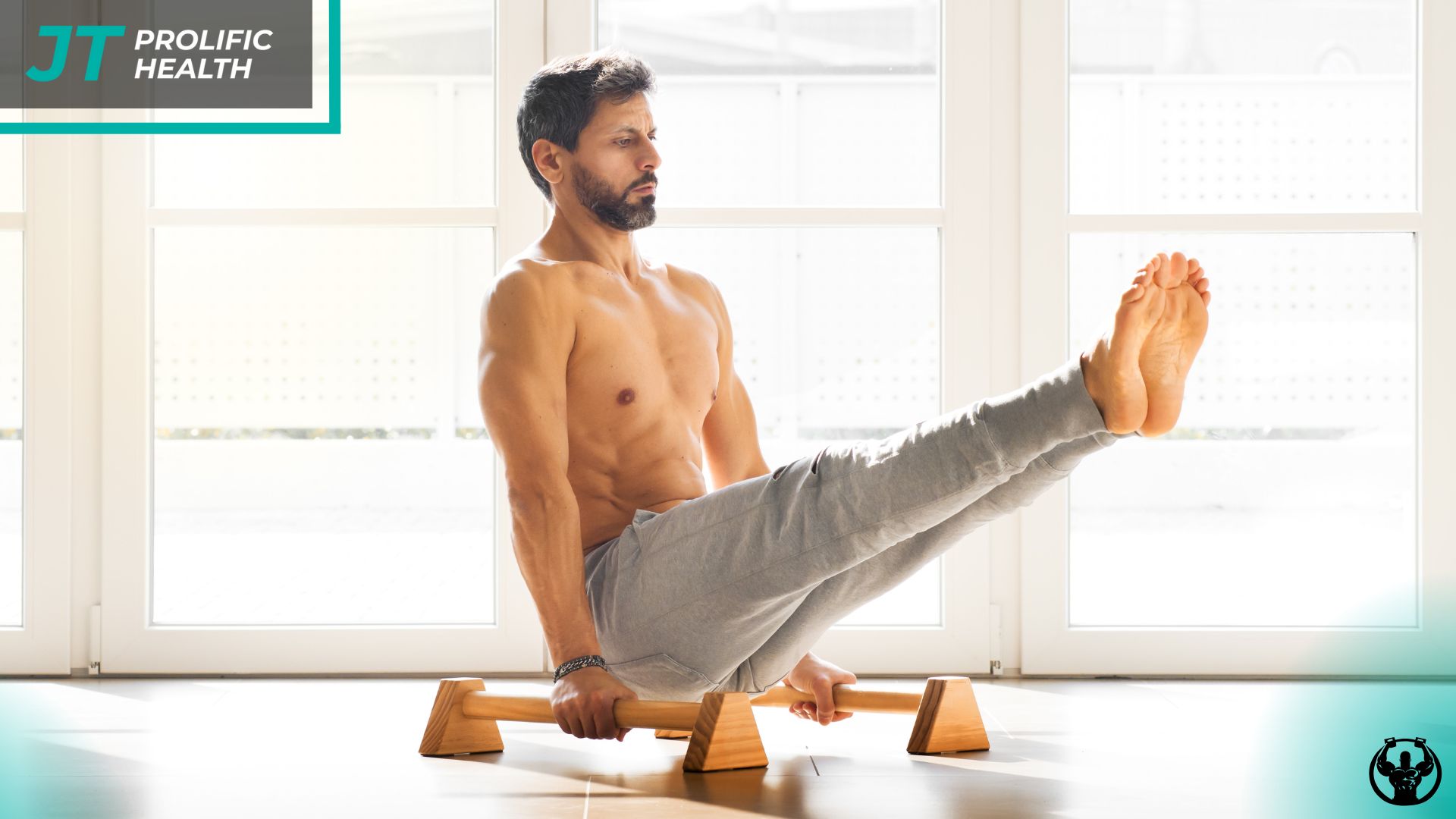
Building an effective isometric exercise repertoire requires understanding which movements provide the greatest benefits for muscle control development. The following exercises represent fundamental static holds that target major muscle groups while emphasizing stability and control.
The plank stands as perhaps the most recognizable and effective isometric exercise for core development. This exercise engages multiple muscle groups simultaneously, including the deep core muscles, shoulders, and glutes. Proper plank execution involves maintaining a straight line from head to heels while preventing sagging hips or elevated buttocks. The beauty of planks lies in their scalability – beginners can start with knee planks or inclined positions, while advanced practitioners can progress to single-arm or single-leg variations.
Wall sits provide exceptional isometric training for the lower body, particularly targeting the quadriceps, glutes, and core stabilizers. This exercise teaches proper squat positioning while building endurance in the muscles responsible for maintaining that position. The static nature of wall sits allows individuals to focus on proper alignment and muscle activation without the complexity of movement patterns.
Dead hangs from a pull-up bar offer tremendous benefits for grip strength, shoulder stability, and core engagement. This simple yet challenging exercise builds the foundation for more advanced pulling movements while improving shoulder health and posture. The sustained grip requirement also develops forearm strength and endurance that transfers to numerous daily activities and sports.
Single-leg stands represent a fundamental balance and stability challenge that improves proprioception and strengthens the small stabilizing muscles throughout the leg and core. This exercise can be progressed by closing eyes, standing on unstable surfaces, or adding arm movements to increase the challenge.
Glute bridges held in the top position target the posterior chain muscles, particularly the glutes and hamstrings, while teaching proper hip extension patterns. This exercise helps counteract the effects of prolonged sitting and strengthens muscles crucial for proper posture and movement mechanics.
For those working with a professional, understanding when to seek guidance from a qualified trainer can ensure these exercises are performed safely and effectively, especially when progressing to more advanced variations.
Progressive Training Strategies and Implementation

Successful integration of isometric exercises requires a systematic approach to progression that challenges the body while preventing overuse injuries. The key to effective isometric training lies in understanding how to manipulate variables such as duration, intensity, and complexity to continue driving adaptations over time.
Duration progression represents the most straightforward method for advancing isometric exercises. Beginning with holds of 15-30 seconds and gradually increasing to 60-90 seconds or longer provides a clear pathway for improvement. However, simply extending hold times indefinitely is not always the most effective approach. Once an individual can maintain proper form for 60-90 seconds, introducing more challenging variations often proves more beneficial than continuing to extend duration.
Position modifications offer another excellent progression strategy. For example, planks can be advanced from standard position to single-arm planks, single-leg planks, or elevated foot planks. Each variation changes the stability requirements and muscle activation patterns, providing new challenges and adaptation stimuli.
Adding external resistance through weighted vests, resistance bands, or manual resistance from a partner can significantly increase the intensity of isometric exercises. This approach allows for continued progression even with familiar movement patterns and positions.
Frequency and volume considerations play crucial roles in isometric training success. Unlike high-intensity dynamic exercises that may require 48-72 hours of recovery, many isometric exercises can be performed daily due to their lower impact nature. However, this doesn’t mean they should be performed maximally every day. Implementing periodization strategies with varying intensities and volumes throughout the week optimizes adaptation while preventing overuse.
Integration with existing training programs requires careful consideration of timing and exercise selection. Isometric exercises can serve as warm-up activities, strength-building components within main workouts, or recovery-focused movements on lighter training days. The specific application depends on individual goals, current fitness level, and overall program design.
For individuals new to structured exercise programs, understanding proper preparation strategies can help ensure successful implementation of isometric training from the beginning of their fitness journey.
Muscle Control and Neuromuscular Benefits
The neuromuscular adaptations resulting from consistent isometric training extend far beyond simple strength gains. These exercises create unique neural adaptations that improve the communication between the brain and muscles, leading to enhanced control, coordination, and movement quality.
Motor unit recruitment patterns during isometric contractions differ significantly from those during dynamic movements. The sustained nature of static holds requires continuous neural drive to maintain muscle activation, leading to improved motor unit synchronization and enhanced neuromuscular efficiency. This adaptation translates to better muscle control during both static and dynamic activities.
Proprioceptive improvements represent another significant benefit of isometric training. The sustained positions challenge the body’s position sense and spatial awareness, leading to enhanced proprioception that improves balance, coordination, and injury prevention. This is particularly evident in single-limb isometric exercises that challenge stability and require constant micro-adjustments to maintain position.
The development of stabilizing muscle strength through isometric training has profound implications for overall movement quality. Many dynamic movements rely heavily on the ability of stabilizing muscles to maintain proper joint positions while primary movers generate force. Isometric exercises specifically target these stabilizing muscles, leading to improved movement efficiency and reduced compensation patterns.
Time under tension, a crucial factor in muscle development, reaches optimal levels during properly performed isometric exercises. The sustained muscle contractions create metabolic stress and mechanical tension that stimulate muscle growth and strength adaptations. This is particularly beneficial for individuals who may have difficulty achieving adequate time under tension during dynamic exercises due to coordination issues or movement limitations.
The mental focus required to maintain challenging isometric positions also contributes to improved mind-muscle connection. This enhanced awareness of muscle activation and body position carries over to other exercises and daily activities, leading to better movement quality and reduced risk of injury.
For those seeking to optimize their training approach, considering factors like optimal training frequency can help maximize the neuromuscular benefits of isometric exercise integration.
Common Mistakes and Safety Considerations
While isometric exercises are generally safe and accessible, certain common mistakes can limit their effectiveness or potentially lead to injury. Understanding these pitfalls and implementing proper safety measures ensures optimal results and long-term training success.
Breath holding represents one of the most frequent errors during isometric exercises. The sustained muscle contractions and mental focus required can lead individuals to unconsciously hold their breath, creating unnecessary cardiovascular stress and limiting performance. Maintaining controlled, rhythmic breathing throughout static holds is crucial for safety and effectiveness. Proper breathing also helps maintain core stability and prevents excessive increases in blood pressure.
Form degradation over time poses another significant challenge in isometric training. As fatigue sets in during longer holds, individuals may gradually compromise their position to continue the exercise. This not only reduces the exercise’s effectiveness but can also place joints in compromised positions. Learning to recognize when form begins to deteriorate and ending the exercise at that point is more beneficial than continuing with poor positioning.
Progression too rapidly is a common mistake that can lead to overuse injuries or burnout. The relatively low perceived exertion of some isometric exercises can lead individuals to advance too quickly in duration or difficulty. Gradual progression allows the body’s tissues and neural systems to adapt properly, reducing injury risk and ensuring continued improvement.
Neglecting proper warm-up before challenging isometric exercises can increase injury risk, particularly for exercises involving significant joint stress or extreme positions. While isometric exercises are generally low-impact, the muscles and connective tissues still benefit from appropriate preparation through light dynamic movements and gradual activation.
Ignoring individual limitations and contraindications can lead to problems for certain populations. Individuals with high blood pressure should be particularly cautious with intense isometric exercises, as they can cause significant increases in blood pressure. Those with joint injuries or limitations should modify exercises appropriately or seek professional guidance.
The importance of proper instruction and guidance cannot be overstated, especially for beginners. Working with qualified professionals helps ensure proper form, appropriate progression, and safe implementation. For those experiencing challenges with their current training approach, understanding when to consider making changes can help optimize their fitness journey.
Integration with Comprehensive Fitness Programs
Maximizing the benefits of isometric exercises requires thoughtful integration with other training modalities rather than treating them as standalone solutions. The most effective fitness programs combine isometric training with dynamic strength training, cardiovascular exercise, and flexibility work to create comprehensive development.
Pre-workout activation represents an excellent application for isometric exercises. Short-duration static holds can activate specific muscle groups and movement patterns before more intensive training. For example, performing glute bridges before squats or planks before overhead pressing can improve muscle activation and movement quality during subsequent exercises.
Strength training integration involves using isometric exercises to address weak points in dynamic movements. If an individual struggles with the bottom position of a squat, incorporating squat holds at that specific position can build strength and confidence in that range of motion. This targeted approach addresses specific limitations while complementing overall strength development.
Recovery and regeneration applications utilize the low-impact nature of isometric exercises to maintain movement quality and muscle activation on lighter training days. Gentle static holds can promote blood flow, maintain movement patterns, and provide active recovery benefits without adding significant stress to recovering tissues.
Injury prevention protocols often incorporate isometric exercises to strengthen commonly injured areas or address movement imbalances. For example, single-leg stands can improve ankle stability and reduce ankle sprain risk, while specific shoulder isometric exercises can address rotator cuff weakness and improve shoulder health.
Sport-specific applications involve selecting isometric exercises that mimic the demands and positions encountered in particular sports or activities. Rock climbers benefit from dead hangs and specific grip positions, while runners gain from single-leg stability exercises that improve landing mechanics and reduce injury risk.
The role of professional guidance in creating effective integrated programs cannot be overlooked. Qualified trainers can assess individual needs, identify appropriate exercises, and create progressive programs that maximize benefits while minimizing risks. Understanding the importance of working with certified professionals helps ensure safe and effective program design.
Nutritional considerations also play a role in supporting isometric training adaptations. For those seeking comprehensive guidance, learning about nutrition strategies that support training goals can enhance the overall effectiveness of their fitness program.
At Prolific Health, we understand the importance of comprehensive fitness programs that incorporate various training modalities, including isometric exercises, to help our clients achieve their health and wellness goals effectively and safely.
Frequently Asked Questions
How long should I hold isometric exercises as a beginner?
Beginners should start with 15-30 second holds and focus on maintaining proper form throughout the duration. As strength and endurance improve, gradually increase hold times by 5-10 seconds per week until reaching 60-90 seconds. Quality of form is more important than duration.
Can isometric exercises replace traditional strength training?
While isometric exercises provide significant benefits, they work best as a complement to, rather than replacement for, traditional dynamic strength training. Each type of exercise provides unique adaptations, and combining both approaches creates the most comprehensive fitness program.
How often should I perform isometric exercises?
Most isometric exercises can be performed daily due to their low-impact nature. However, the frequency depends on intensity and individual recovery capacity. Start with 3-4 sessions per week and adjust based on how your body responds and recovers.
Are isometric exercises safe for people with high blood pressure?
Intense isometric exercises can significantly increase blood pressure during performance. Individuals with hypertension should consult their healthcare provider before beginning isometric training and may need to modify exercises or avoid certain positions.
What’s the difference between isometric and static stretching?
Isometric exercises involve active muscle contractions against resistance to build strength, while static stretching involves passively lengthening muscles to improve flexibility. Though both involve holding positions, their purposes and physiological effects differ significantly.
Can isometric exercises help with injury rehabilitation?
Yes, isometric exercises are commonly used in rehabilitation because they can strengthen muscles without moving injured joints through potentially painful ranges of motion. However, rehabilitation protocols should always be supervised by qualified healthcare professionals.
Do I need special equipment for isometric exercises?
Many effective isometric exercises require no equipment at all, using body weight and gravity as resistance. However, equipment like resistance bands, weights, or pull-up bars can add variety and progression options to your isometric training.
How do I know if I’m progressing with isometric exercises?
Progress can be measured through increased hold times, ability to perform more challenging variations, improved form quality, or enhanced performance in related dynamic exercises. Keep a training log to track these improvements over time.
Conclusion
Incorporating isometric exercises into your fitness routine represents a powerful strategy for developing superior muscle control, enhancing stability, and building functional strength that translates to improved performance in daily activities and athletic pursuits. The unique benefits of static holds complement traditional training methods while providing accessible options for individuals at all fitness levels.
The journey toward better muscle control through isometric training requires patience, consistency, and proper progression strategies. Starting with fundamental exercises like planks, wall sits, and dead hangs provides a solid foundation for more advanced variations as strength and control improve. The key lies in maintaining proper form, progressing gradually, and integrating these exercises thoughtfully within a comprehensive fitness program.
Understanding the neuromuscular adaptations that result from consistent isometric training helps appreciate why these exercises are so effective for developing precise muscle control. The enhanced motor unit recruitment, improved proprioception, and strengthened stabilizing muscles create a foundation for better movement quality and reduced injury risk across all activities.
Safety considerations and proper implementation cannot be overlooked when beginning isometric training. Working with qualified professionals, especially in the early stages, ensures proper form, appropriate progression, and safe integration with existing training programs. For those considering different training approaches, understanding the unique benefits of professional guidance can significantly impact long-term success.
The versatility and accessibility of isometric exercises make them valuable additions to any fitness program, whether you’re a beginner building foundational strength or an experienced athlete seeking to address specific weaknesses or imbalances. By embracing the principles of progressive overload, proper form, and consistent practice, isometric exercises can become powerful tools in your quest for improved muscle control and overall fitness.