

Kettlebell training has emerged as one of the most effective and versatile forms of exercise, combining strength building, cardiovascular conditioning, and functional movement patterns into a single, dynamic workout system. This ancient training tool, originally developed in Russia centuries ago, has experienced a remarkable renaissance in modern fitness culture, and for good reason. Unlike traditional weightlifting equipment that often isolates specific muscle groups, kettlebells demand full-body engagement, creating a more functional and efficient approach to fitness.
What sets kettlebell training apart from other forms of exercise is its unique ability to simultaneously develop multiple fitness components. While performing a single kettlebell movement, you’re not just building strength – you’re also improving your cardiovascular endurance, enhancing your core stability, developing better coordination, and increasing your overall functional fitness. This comprehensive approach makes kettlebell training particularly appealing to busy individuals who want maximum results from their workout time.
The beauty of kettlebell training lies in its accessibility and scalability. Whether you’re a complete beginner taking your first steps into fitness or an experienced athlete looking to add variety to your routine, kettlebells can be adapted to meet your specific needs and goals. The exercises can be modified for different fitness levels, and the progressive nature of kettlebell training means you can continually challenge yourself as your strength and endurance improve.
For many people in Richmond and the greater Vancouver area, kettlebell training represents an ideal solution to common fitness challenges. The compact nature of kettlebells makes them perfect for home workouts, while their versatility ensures you never get bored with your routine. Additionally, the functional movement patterns inherent in kettlebell exercises translate directly to improved performance in daily activities, making this form of training particularly valuable for long-term health and wellness.
The growing popularity of kettlebell training has also been fueled by its proven effectiveness for both strength and endurance development. Scientific research has consistently demonstrated that regular kettlebell training can produce significant improvements in muscular strength, cardiovascular fitness, and body composition. These benefits, combined with the time-efficient nature of kettlebell workouts, make this training method an excellent choice for anyone serious about achieving their fitness goals.
Key Takeaways
For additional context, see this comprehensive guide.
- Full-Body Integration: Kettlebell training engages multiple muscle groups simultaneously, providing a more comprehensive workout than traditional isolation exercises. This integration leads to better functional strength and improved movement patterns that translate to daily activities.
- Cardiovascular and Strength Benefits: Unlike conventional strength training, kettlebell exercises elevate your heart rate while building muscle, delivering both cardiovascular and strength benefits in a single session. This dual benefit makes kettlebell training incredibly time-efficient.
- Progressive Difficulty: Kettlebell training can be easily scaled from beginner to advanced levels through exercise selection, weight progression, and workout structure modifications. This scalability ensures long-term progression and prevents training plateaus.
- Functional Movement Patterns: The dynamic nature of kettlebell exercises mimics real-world movement patterns, improving your ability to perform everyday tasks with greater ease and reduced injury risk.
- Space and Equipment Efficiency: A single kettlebell can provide a complete workout, making this training method ideal for home gyms or limited space situations. The compact nature of kettlebells also makes them cost-effective compared to larger gym equipment.
- Core Strengthening: Every kettlebell exercise requires significant core engagement for proper form and safety, leading to improved core strength and stability without dedicated ab exercises.
- Metabolic Enhancement: The high-intensity nature of kettlebell training creates a significant metabolic boost, leading to increased calorie burn both during and after your workout sessions.
Understanding Kettlebell Training Fundamentals
For additional context, see detailed information on this topic.
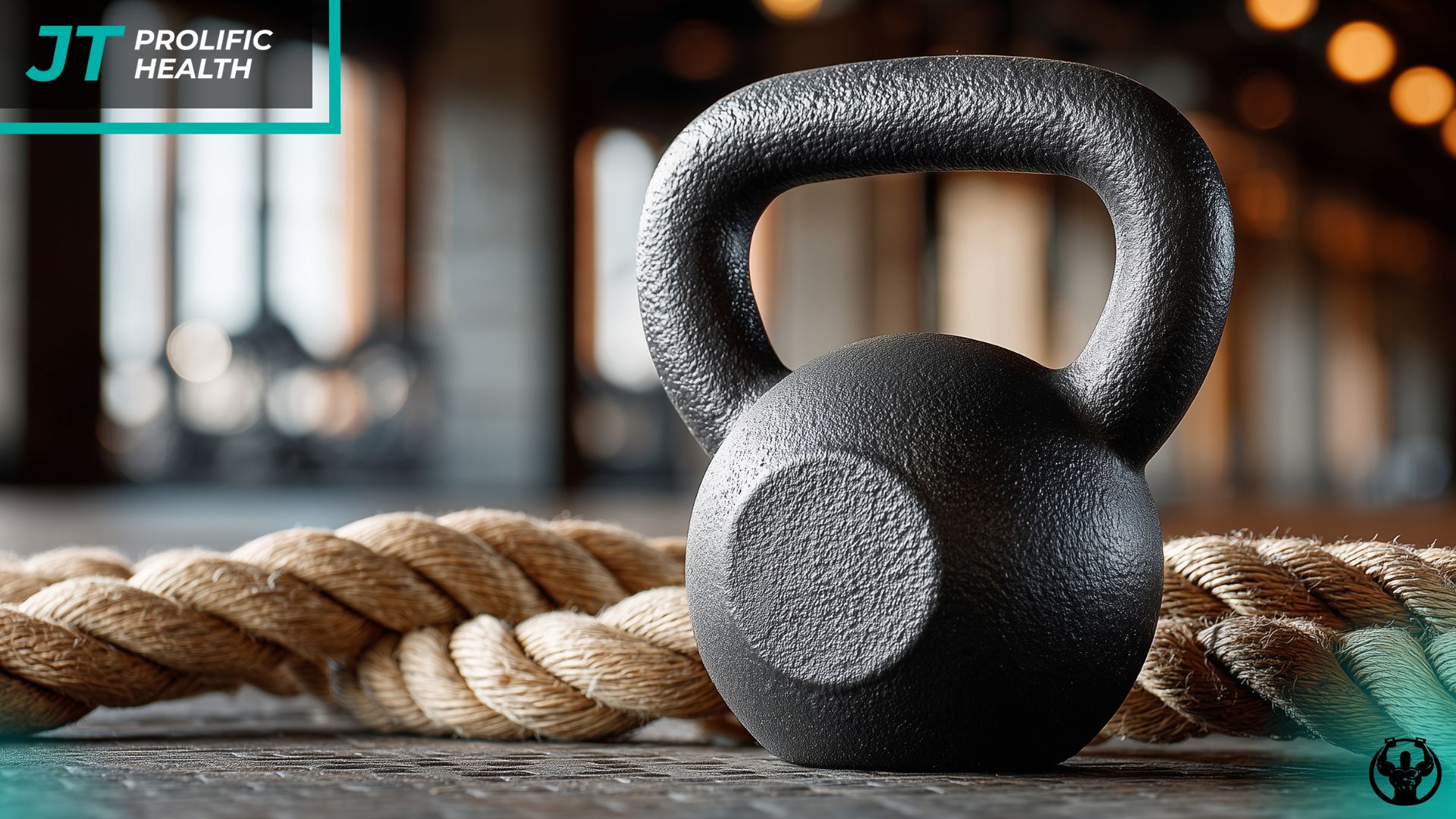
Kettlebell training represents a unique approach to fitness that differs significantly from traditional weightlifting methods. The distinctive shape of a kettlebell, with its handle extending above a concentrated weight, creates an offset center of gravity that challenges your body in ways that dumbbells and barbells simply cannot match. This design forces your muscles to work harder to stabilize and control the weight throughout each movement, resulting in greater muscle activation and improved functional strength.
The foundation of effective kettlebell training rests on mastering fundamental movement patterns before progressing to more complex exercises. These basic patterns include the hip hinge, which forms the basis for swings and deadlifts; the squat pattern, essential for goblet squats and thrusters; and the pressing pattern, crucial for overhead movements. Each of these patterns requires proper technique and body awareness to perform safely and effectively.
One of the most significant advantages of kettlebell training is its emphasis on posterior chain development. The posterior chain, which includes your glutes, hamstrings, and lower back muscles, is often underdeveloped in modern sedentary lifestyles. Kettlebell exercises like swings, deadlifts, and carries specifically target these muscles, helping to correct imbalances and improve overall posture and movement quality.
The ballistic nature of many kettlebell exercises also sets this training method apart from traditional strength training. Movements like swings and snatches involve explosive acceleration followed by controlled deceleration, mimicking the type of power production required in sports and daily activities. This ballistic training component helps develop power, speed, and athletic performance while simultaneously improving cardiovascular fitness.
Essential Kettlebell Exercises for Strength Development

For additional context, see our in-depth resource.
The kettlebell swing stands as the cornerstone of kettlebell training, serving as both a foundational movement and a complete exercise in itself. This powerful hip-hinge movement primarily targets the posterior chain while simultaneously engaging the core, shoulders, and cardiovascular system. The swing teaches proper hip hinge mechanics, which forms the basis for many other kettlebell exercises and translates directly to improved deadlift technique and better movement patterns in daily life.
Mastering the swing requires understanding that the power comes from the hips, not the arms. The movement begins with the kettlebell between your legs, and through an explosive hip thrust, the kettlebell is propelled forward and upward. The arms serve merely as a connection between the body and the weight, while the glutes and hamstrings provide the driving force. This technique emphasis makes the swing an excellent exercise for developing posterior chain strength and power.
The Turkish get-up represents perhaps the most comprehensive single exercise in the kettlebell arsenal. This complex movement involves transitioning from lying down to standing while maintaining control of a kettlebell overhead throughout the entire sequence. The get-up challenges stability, mobility, and strength across multiple planes of movement, making it an invaluable exercise for developing total-body integration and identifying movement limitations.
Goblet squats provide an excellent introduction to kettlebell training while delivering significant strength benefits. Holding a kettlebell at chest level during the squat movement shifts the center of gravity forward, requiring greater core engagement and promoting better squat mechanics. The front-loaded position also makes it easier to maintain proper posture throughout the movement, making goblet squats an ideal exercise for beginners learning proper squat technique.
Kettlebell deadlifts offer all the benefits of traditional deadlifts while providing unique advantages due to the kettlebell’s design. The handle position allows for a more natural grip and can be easier on the wrists and forearms compared to barbell deadlifts. Single-kettlebell deadlifts also introduce an element of anti-rotation core work, as the uneven load challenges the body’s ability to maintain proper alignment throughout the movement.
The kettlebell press, whether performed single-arm or double-arm, develops tremendous upper body and core strength. The offset nature of the kettlebell requires greater stabilization than traditional pressing movements, leading to improved shoulder stability and core strength. Single-arm pressing variations also introduce anti-lateral flexion challenges, forcing the core to work harder to maintain proper spinal alignment.
Building Endurance Through Kettlebell Training
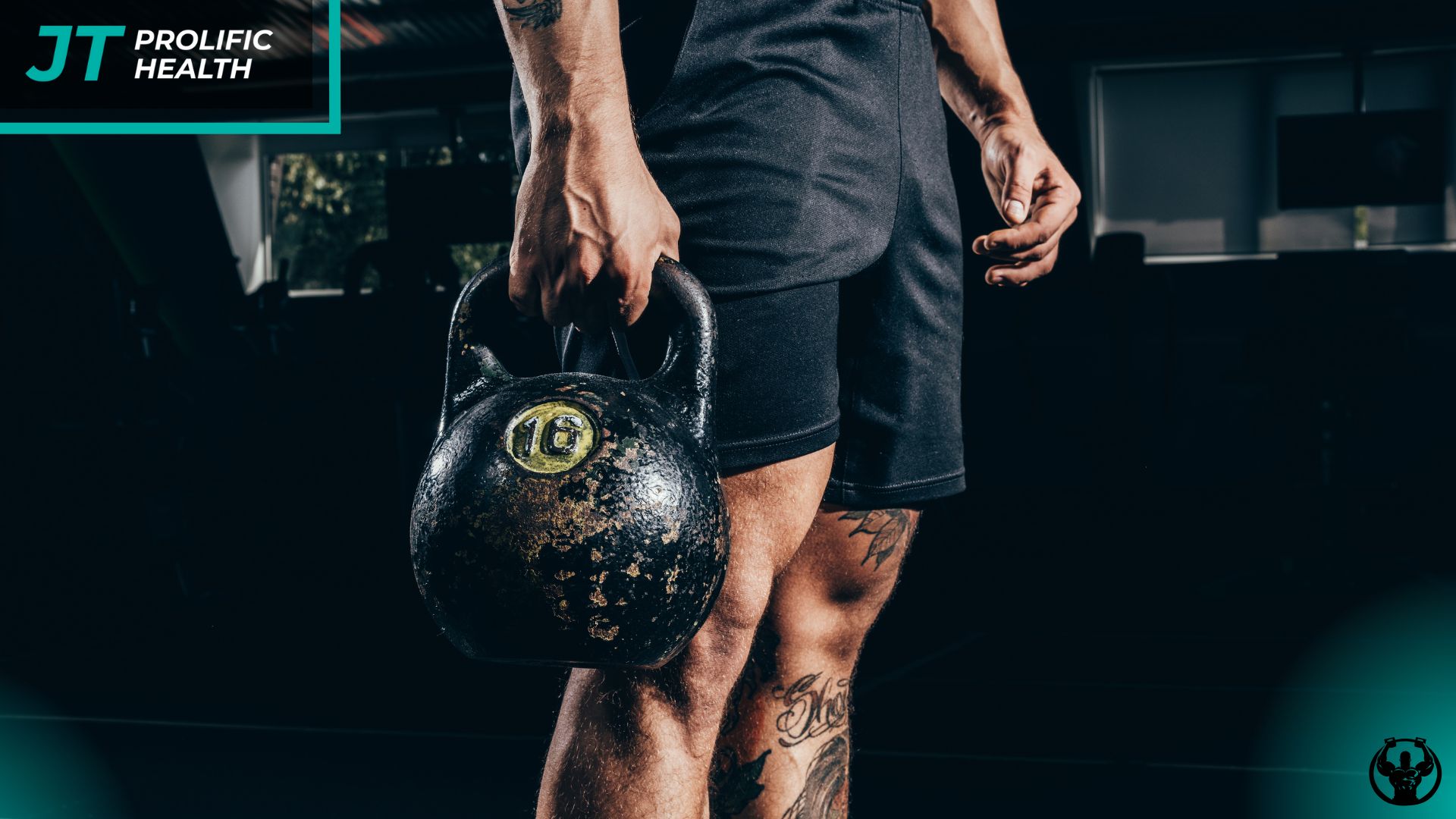
Kettlebell training excels at developing cardiovascular endurance through high-intensity, metabolically demanding workouts that challenge both the muscular and cardiovascular systems simultaneously. Unlike traditional cardio exercises that primarily target the cardiovascular system, kettlebell endurance training builds both strength and aerobic capacity, creating a more comprehensive fitness adaptation that translates to improved performance in all areas of life.
The key to building endurance with kettlebells lies in understanding how to structure workouts for sustained effort while maintaining proper form. Circuit-style training, where you move from one exercise to another with minimal rest, creates a cardiovascular challenge while continuing to build strength. These circuits can be designed to target specific energy systems, whether you’re looking to improve short-term power endurance or longer-duration aerobic capacity.
Kettlebell complexes represent one of the most effective methods for developing endurance while building strength. A complex involves performing multiple exercises back-to-back with the same kettlebell weight, without setting the weight down between movements. For example, a simple complex might include a deadlift, swing, clean, press, and squat performed in sequence. These complexes challenge your ability to maintain strength and technique under fatigue while providing significant cardiovascular benefits.
Time-based training protocols offer another excellent approach to endurance development with kettlebells. Methods like EMOM (Every Minute on the Minute) or AMRAP (As Many Rounds as Possible) create structured intensity while allowing for progression tracking. These protocols can be easily modified based on fitness level and goals, making them suitable for beginners and advanced athletes alike.
The metabolic benefits of kettlebell endurance training extend well beyond the workout itself. The high-intensity nature of kettlebell training creates an significant EPOC (Excess Post-Exercise Oxygen Consumption) effect, meaning your body continues to burn calories at an elevated rate for hours after your workout. This metabolic boost, combined with the muscle-building effects of resistance training, creates an ideal environment for improving body composition and overall fitness.
For those working with a qualified trainer, proper preparation and goal setting become crucial elements in developing an effective kettlebell endurance program. Understanding your current fitness level and establishing clear objectives helps ensure that your training program is appropriately challenging while remaining safe and sustainable.
Proper Form and Safety Considerations
Safety in kettlebell training begins with understanding that proper form is non-negotiable. Unlike some forms of exercise where minor form deviations might simply reduce effectiveness, improper kettlebell technique can lead to serious injury due to the dynamic nature of the movements and the forces involved. The ballistic nature of exercises like swings and snatches means that poor form can result in the kettlebell traveling in unintended directions, potentially causing injury to yourself or others nearby.
The hip hinge movement pattern serves as the foundation for most kettlebell exercises, yet it’s often the most misunderstood aspect of kettlebell training. Many beginners attempt to turn hip-hinge movements into squatting movements, which not only reduces effectiveness but also increases injury risk. Proper hip hinge technique involves pushing the hips back while maintaining a neutral spine, allowing the knees to bend naturally but not driving the movement from the knees.
Grip strength and hand care represent often-overlooked aspects of kettlebell safety. The handle design of kettlebells, while providing excellent functionality, can be challenging for those with limited grip strength or improper grip technique. Learning to grip the kettlebell properly – with the handle running diagonally across the palm rather than straight across – helps prevent blisters and ensures better control of the weight throughout each movement.
Progressive overload in kettlebell training requires a different approach than traditional weightlifting. Rather than simply adding weight, progression often involves increasing volume, improving technique, or advancing to more complex movement patterns. This approach helps ensure that strength and skill develop together, reducing injury risk while maximizing training benefits. Understanding when and how to progress is crucial for long-term success and safety.
The importance of proper warm-up and cool-down procedures cannot be overstated in kettlebell training. The dynamic nature of kettlebell exercises requires that your body be properly prepared for the demands of the workout. A comprehensive warm-up should include mobility work for the hips, shoulders, and thoracic spine, as well as activation exercises for the glutes and core muscles that will be heavily involved in kettlebell movements.
Working with qualified professionals becomes particularly important when starting a kettlebell training program. The complexity of proper kettlebell technique often requires hands-on instruction and feedback to master safely. Professional trainers who understand proper documentation and assessment standards can help identify movement limitations and provide appropriate progressions to ensure safe and effective training.
Programming and Workout Structure
Effective kettlebell programming requires understanding how to balance intensity, volume, and recovery to achieve optimal results while preventing overtraining and injury. Unlike traditional weightlifting programs that often focus on single-rep maximums or high-volume isolation work, kettlebell programming typically emphasizes moderate to high repetitions with submaximal weights, focusing on movement quality and metabolic conditioning rather than pure strength development.
The concept of autoregulation plays a crucial role in kettlebell training programming. Due to the high-intensity, full-body nature of kettlebell exercises, your daily readiness can significantly impact your ability to perform at your best. Learning to adjust workout intensity based on how you feel on a given day helps prevent overtraining while ensuring consistent progress over time. This might mean reducing weight, decreasing volume, or focusing on technique refinement on days when you’re not feeling optimal.
Periodization in kettlebell training often follows a wave-like pattern, with periods of higher intensity and volume followed by periods of relative recovery and technique focus. This approach allows for consistent progress while providing adequate recovery time for adaptation. A typical kettlebell training cycle might include a foundation phase focusing on technique mastery, a strength phase emphasizing heavier weights and lower repetitions, and a conditioning phase featuring higher volume and circuit-style training.
The frequency of kettlebell training sessions depends on various factors including training experience, goals, and recovery capacity. Beginners typically benefit from 2-3 sessions per week, allowing adequate recovery time between sessions while providing sufficient stimulus for adaptation. More advanced trainees might train 4-5 times per week, but this requires careful attention to programming and recovery to prevent overtraining.
Session structure in kettlebell training typically follows a pattern of warm-up, skill practice, main training block, and cool-down. The skill practice portion is particularly important in kettlebell training, as it allows for technique refinement with lighter weights before moving into more intensive training. This approach helps ensure that movement quality remains high throughout the session, reducing injury risk and maximizing training effectiveness.
Understanding how to determine optimal training frequency becomes particularly important when incorporating kettlebell training into a broader fitness program. The high-intensity nature of kettlebell training means that adequate recovery time is essential for continued progress and injury prevention. Working with experienced professionals can help determine the right balance of training and recovery for your individual needs and goals.
Integrating Kettlebell Training with Prolific Health
At Prolific Health, we understand that kettlebell training represents more than just another exercise modality – it’s a comprehensive approach to developing functional strength, endurance, and movement quality that translates directly to improved quality of life. Our team of qualified trainers specializes in helping clients master the unique demands of kettlebell training while ensuring safety and optimal results through personalized programming and expert instruction.
Our approach to kettlebell training begins with a thorough assessment of each client’s movement patterns, strength levels, and individual goals. This comprehensive evaluation allows us to design kettlebell programs that address specific needs while building upon existing strengths. Whether you’re completely new to fitness or an experienced athlete looking to add kettlebell training to your routine, our team provides the guidance and support necessary for success.
The integration of kettlebell training into our broader fitness philosophy emphasizes the importance of movement quality over quantity. We believe that mastering fundamental movement patterns with lighter weights provides a stronger foundation for long-term progress than rushing into advanced exercises with inappropriate loads. This patient, systematic approach helps prevent injury while ensuring that clients develop the skills necessary for independent training success.
Our kettlebell training programs are designed to complement other forms of exercise and can be easily integrated into existing fitness routines. Whether used as a primary training method or as a supplemental tool for improving specific aspects of fitness, kettlebell training provides unique benefits that enhance overall athletic performance and functional capacity. The versatility of kettlebell training makes it an excellent choice for clients with diverse goals and varying time constraints.
The supportive environment at Prolific Health encourages clients to challenge themselves while maintaining focus on proper technique and safety. Our trainers provide ongoing feedback and adjustments to ensure that each workout is both challenging and appropriate for the individual’s current abilities. This personalized attention helps accelerate progress while building confidence in movement skills.
For clients who may be considering whether professional guidance is right for them, understanding when to seek professional support can be crucial for achieving optimal results with kettlebell training. The complex nature of kettlebell movements often benefits from expert instruction, particularly in the early stages of learning.
Frequently Asked Questions
How often should I do kettlebell training as a beginner?
Beginners should start with 2-3 kettlebell training sessions per week, allowing at least one day of rest between sessions. This frequency provides adequate stimulus for adaptation while ensuring sufficient recovery time for muscle repair and growth.
What weight kettlebell should I start with?
Men typically start with a 16kg (35lb) kettlebell, while women often begin with 8-12kg (18-26lb). However, the appropriate starting weight depends on your current strength level and exercise experience. It’s better to start lighter and focus on proper form than to struggle with a weight that’s too heavy.
Can kettlebell training replace traditional cardio?
Kettlebell training can provide excellent cardiovascular benefits and may replace traditional cardio for many people. The high-intensity nature of kettlebell workouts elevates heart rate significantly while also building strength, making it a time-efficient alternative to separate cardio and strength training sessions.
Is kettlebell training safe for people with back problems?
When performed with proper technique, kettlebell training can actually help strengthen the muscles that support the spine. However, individuals with existing back problems should consult with healthcare providers and work with qualified trainers to ensure appropriate exercise selection and progression.
How long should a kettlebell workout be?
Effective kettlebell workouts can range from 15-45 minutes, depending on your goals and fitness level. The high-intensity nature of kettlebell training means that shorter workouts can be highly effective when properly structured.
Can I do kettlebell training every day?
Daily kettlebell training is possible for experienced practitioners, but it requires careful programming and attention to recovery. Most people benefit from alternating high-intensity days with lighter technique-focused sessions or complete rest days.
What’s the difference between kettlebell training and traditional weight lifting?
Kettlebell training emphasizes dynamic, full-body movements that integrate strength and cardiovascular training, while traditional weight lifting often focuses on isolated muscle groups. Kettlebells also provide unique challenges due to their offset center of gravity and handle design.
Do I need multiple kettlebells to get a good workout?
A single kettlebell can provide a complete workout through various exercises and training methods. However, having multiple weights allows for better progression and exercise variety as you advance in your training.
Conclusion
Kettlebell training represents a powerful and efficient approach to developing both strength and endurance simultaneously, making it an ideal choice for anyone seeking maximum results from their fitness investment. The unique design and versatility of kettlebells allow for comprehensive workouts that challenge multiple fitness components while requiring minimal equipment and space. From the foundational hip hinge movements to complex multi-exercise sequences, kettlebell training provides scalable challenges suitable for all fitness levels.
The benefits of kettlebell training extend far beyond simple strength and endurance improvements. The functional movement patterns inherent in kettlebell exercises translate directly to improved performance in daily activities, better posture, and reduced injury risk. The metabolic demands of kettlebell training also provide significant benefits for body composition and overall health, making it an excellent choice for comprehensive fitness development.
Success with kettlebell training requires patience, proper instruction, and a commitment to mastering fundamental movement patterns before progressing to more advanced exercises. The investment in learning proper technique pays dividends in terms of safety, effectiveness, and long-term progress. Whether working independently or with qualified professionals, focusing on movement quality over quantity ensures optimal results while minimizing injury risk.
For those considering adding kettlebell training to their fitness routine, understanding that this form of exercise requires a different approach than traditional weight lifting is crucial. The emphasis on movement integration, technique mastery, and progressive overload through volume and complexity rather than just weight makes kettlebell training both challenging and rewarding. With proper guidance and consistent practice, kettlebell training can become a cornerstone of a comprehensive fitness program that delivers lasting results and improved quality of life.