

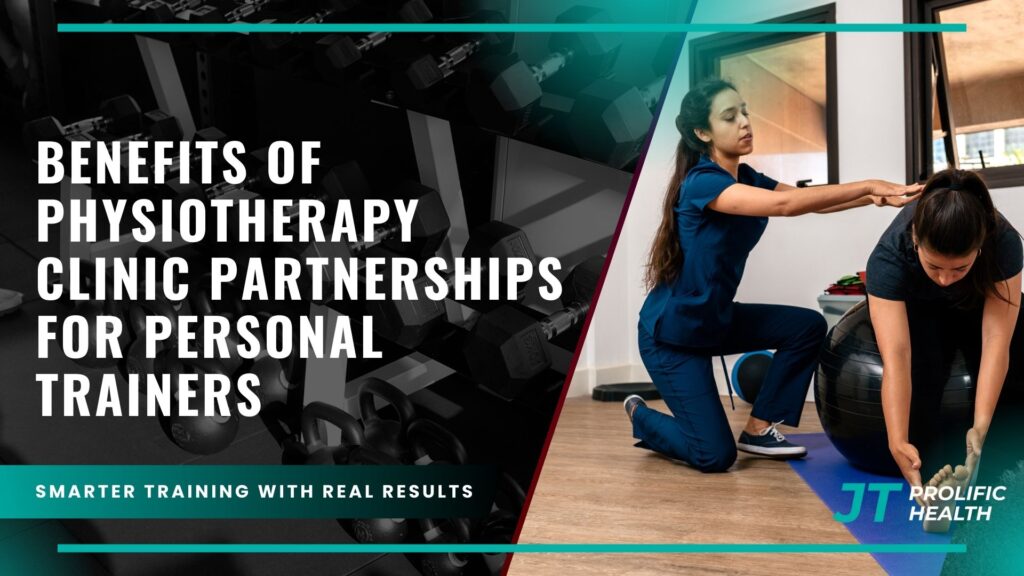
The fitness industry has evolved dramatically over the past decade, with personal trainers increasingly recognizing the value of strategic partnerships to enhance their services and expand their client base. Among the most beneficial collaborations are physiotherapy clinic partnerships, which create a powerful synergy between fitness training and therapeutic rehabilitation. These partnerships offer personal trainers unique opportunities to provide comprehensive care while establishing themselves as integral parts of the healthcare continuum.
Physiotherapy clinic partnerships represent more than simple referral arrangements—they create collaborative ecosystems where fitness professionals and healthcare providers work together to optimize client outcomes. For personal trainers, these relationships open doors to specialized client populations, enhanced credibility, and expanded service offerings that can significantly differentiate their practice in a competitive market.
The modern approach to health and wellness emphasizes integrated care, where movement specialists and healthcare professionals coordinate their efforts to address both preventive and rehabilitative needs. Personal trainers who understand how to navigate and leverage these partnerships position themselves at the forefront of this evolution, creating sustainable business models while delivering superior client results.
These collaborative relationships benefit all parties involved: physiotherapy clinics gain access to qualified fitness professionals who can continue client care beyond the clinical setting, personal trainers receive referrals and professional development opportunities, and clients experience seamless transitions between therapeutic and fitness phases of their health journey. The key lies in understanding how to structure these partnerships effectively and maintain the professional standards that make them successful.
Whether you’re an established personal trainer looking to expand your services or a new professional seeking to build credibility in the industry, physiotherapy clinic partnerships offer pathways to sustainable growth and enhanced client outcomes. The following comprehensive guide explores the multifaceted benefits of these collaborations and provides practical strategies for developing and maintaining successful partnerships.
Key Takeaways
For additional context, see this comprehensive guide.
- Enhanced Client Outcomes: Physiotherapy clinic partnerships enable personal trainers to provide continuity of care for clients transitioning from rehabilitation to fitness maintenance, resulting in better long-term health outcomes and reduced injury recurrence rates.
- Professional Credibility: Association with established healthcare providers significantly enhances a personal trainer’s professional reputation and credibility within the broader healthcare community, leading to increased client trust and referral opportunities.
- Specialized Knowledge Access: Partnerships provide ongoing education opportunities about injury prevention, movement dysfunction, and therapeutic exercise principles that enhance training effectiveness and client safety.
- Expanded Client Base: Physiotherapy clinics offer direct access to individuals who require specialized fitness services, including post-rehabilitation clients, chronic condition management, and injury prevention programs.
- Revenue Diversification: These partnerships create multiple income streams through direct referrals, contract work opportunities, and specialized program development that can stabilize and grow personal training businesses.
- Professional Development: Working alongside healthcare professionals provides invaluable learning experiences that advance clinical reasoning skills and therapeutic exercise knowledge beyond traditional fitness training scope.
- Risk Management: Collaboration with physiotherapists helps personal trainers better identify contraindications, modify exercises appropriately, and maintain detailed documentation standards that protect both clients and practitioners.
- Market Differentiation: Partnership affiliations distinguish personal trainers from competitors by demonstrating commitment to evidence-based practice and comprehensive client care approaches.
Understanding Physiotherapy Clinic Partnerships

For additional context, see detailed information on this topic.
Physiotherapy clinic partnerships encompass various collaborative arrangements between personal trainers and healthcare providers, each designed to bridge the gap between clinical rehabilitation and long-term fitness maintenance. These partnerships typically involve formal agreements that outline referral processes, communication protocols, and shared care responsibilities for clients transitioning between therapeutic and fitness phases of their health journey.
The foundation of successful partnerships lies in understanding the complementary nature of physiotherapy and personal training services. While physiotherapists focus on diagnosing movement dysfunction, treating injuries, and restoring functional capacity, personal trainers excel at maintaining and enhancing fitness levels, preventing future injuries, and supporting long-term wellness goals. This natural progression creates opportunities for seamless client transitions and collaborative care approaches.
Modern physiotherapy clinic partnerships often extend beyond simple referral relationships to include integrated service delivery models. Some arrangements involve personal trainers working directly within clinic settings, providing specialized fitness services under physiotherapist supervision. Others feature co-located practices where both professionals maintain independent operations while sharing resources and client care responsibilities.
The regulatory landscape surrounding these partnerships varies by jurisdiction, making it essential for personal trainers to understand scope of practice limitations and professional boundaries. Successful partnerships require clear communication about each professional’s role, responsibilities, and areas of expertise to ensure appropriate client care and maintain professional standards.
Technology plays an increasingly important role in facilitating effective partnerships, with shared documentation systems, communication platforms, and progress tracking tools enabling seamless information exchange between providers. These technological solutions help maintain continuity of care while ensuring compliance with privacy regulations and professional documentation standards.
Enhanced Client Outcomes Through Integrated Care
For additional context, see our in-depth resource.
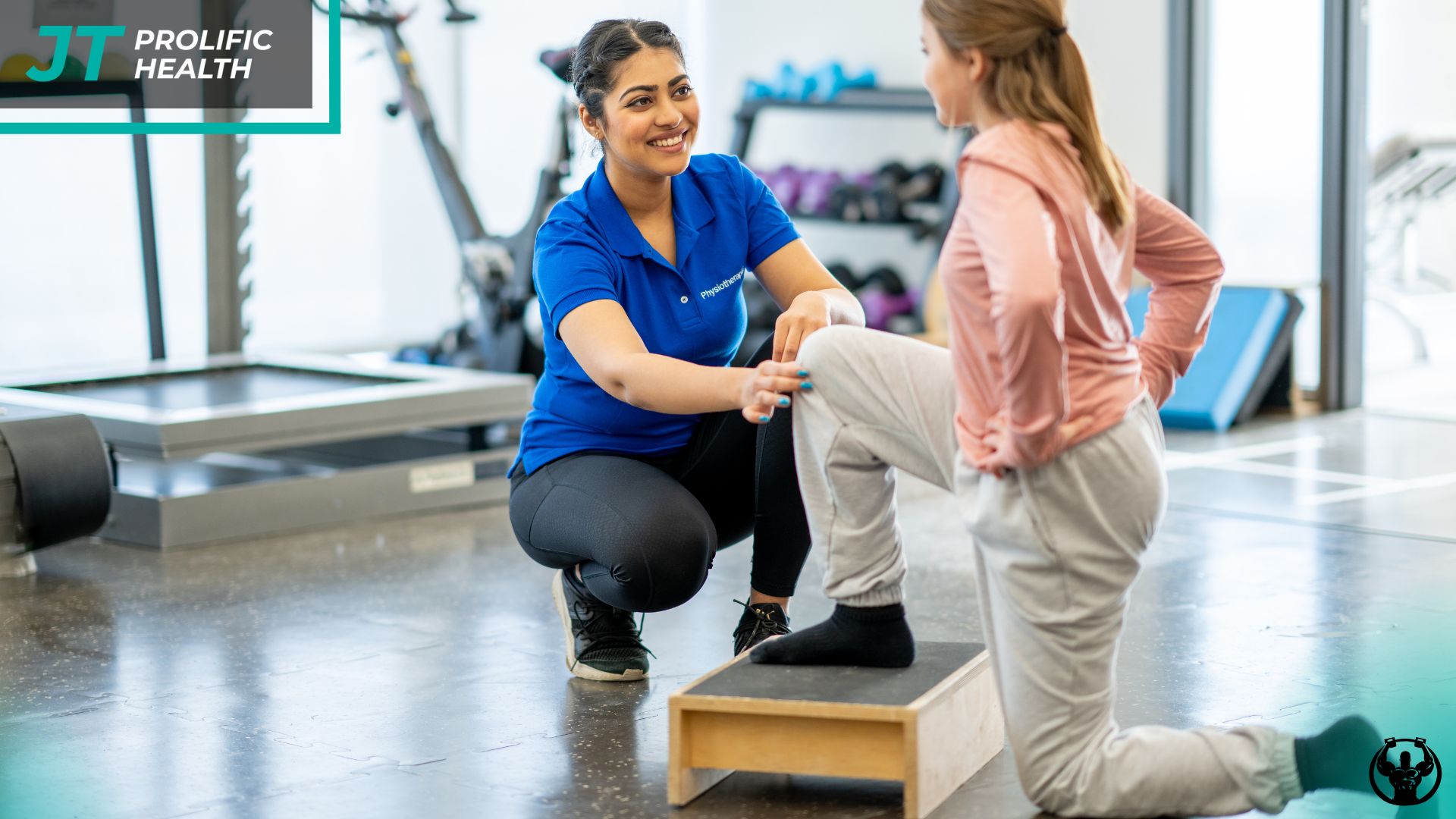
The most significant benefit of physiotherapy clinic partnerships lies in their ability to deliver superior client outcomes through integrated care approaches. When personal trainers and physiotherapists collaborate effectively, clients experience smoother transitions between rehabilitation and fitness phases, resulting in better long-term health outcomes and reduced risk of injury recurrence.
Integrated care models address the common gap that exists between completing physiotherapy treatment and establishing sustainable fitness routines. Many clients struggle with this transition, often experiencing decreased motivation, confusion about appropriate exercises, or fear of re-injury. Personal trainers working in partnership with physiotherapy clinics can bridge this gap by providing specialized knowledge about post-rehabilitation exercise progression and ongoing support for long-term wellness goals.
Research consistently demonstrates that clients who receive coordinated care between healthcare providers and fitness professionals achieve better outcomes than those who navigate these transitions independently. This improvement manifests in various ways, including faster return to pre-injury activity levels, improved adherence to exercise programs, and enhanced overall quality of life measures.
The collaborative approach also enables more comprehensive assessment and treatment planning. Physiotherapists can provide detailed information about client limitations, contraindications, and therapeutic goals, while personal trainers contribute insights about fitness preferences, lifestyle factors, and long-term wellness objectives. This shared knowledge creates more effective, personalized treatment plans that address both immediate rehabilitation needs and long-term fitness goals.
Communication protocols established through formal partnerships ensure that important clinical information is shared appropriately between providers. This includes details about injury mechanisms, treatment progress, movement restrictions, and therapeutic exercise modifications that inform safe and effective fitness programming. Such detailed information exchange would be difficult to achieve without established partnership frameworks.
The psychological benefits of integrated care cannot be overlooked. Clients often feel more confident and motivated when they perceive their care team as cohesive and well-coordinated. This confidence translates into better program adherence, more honest communication about symptoms or concerns, and increased willingness to progress through challenging phases of recovery and fitness development.
Professional Development and Credibility Enhancement

For additional context, see expert insights in this article.
Physiotherapy clinic partnerships provide personal trainers with unparalleled opportunities for professional development and credibility enhancement within the broader healthcare community. Working alongside licensed healthcare providers exposes trainers to advanced clinical reasoning processes, evidence-based practice principles, and specialized knowledge that significantly enhances their professional competency and market positioning.
The educational value of these partnerships extends far beyond formal training programs. Daily interactions with physiotherapists provide real-world learning experiences about anatomy, biomechanics, pathology, and therapeutic exercise principles. Personal trainers gain insights into how injuries develop, how healing processes work, and how exercise interventions can be modified to accommodate various medical conditions and movement limitations.
Professional credibility receives a substantial boost through association with established healthcare providers. Clients, other healthcare professionals, and industry peers view personal trainers differently when they are affiliated with reputable physiotherapy clinics. This enhanced credibility translates into increased referral opportunities, higher client retention rates, and the ability to command premium pricing for specialized services.
The partnership environment also provides opportunities to develop and refine clinical documentation skills. Working within healthcare settings requires adherence to professional documentation standards that exceed typical fitness industry requirements. Personal trainers learn to maintain detailed progress notes, track objective measures, and communicate effectively with other healthcare providers using appropriate medical terminology and formats.
Many partnerships include formal continuing education components, such as case study reviews, joint training sessions, or access to clinical education resources. These opportunities help personal trainers stay current with evidence-based practice developments and maintain relevant certifications or continuing education requirements. Some partnerships even provide pathways for pursuing additional certifications in specialized areas such as corrective exercise or medical fitness.
The networking opportunities inherent in physiotherapy clinic partnerships cannot be understated. Personal trainers gain access to broader healthcare networks, including physicians, specialists, and other allied health professionals. These connections often lead to additional referral sources, collaborative opportunities, and professional development experiences that would be difficult to access independently.
Business Growth and Revenue Diversification
For additional context, see step-by-step instructions.
Physiotherapy clinic partnerships create multiple pathways for business growth and revenue diversification that can significantly enhance the financial sustainability of personal training practices. These collaborative relationships provide access to steady referral streams, contract work opportunities, and specialized service offerings that differentiate trainers from competitors while generating additional income sources.
Direct referrals from physiotherapy clinics represent one of the most valuable aspects of these partnerships. Healthcare providers regularly encounter patients who would benefit from ongoing fitness support after completing their rehabilitation programs. Personal trainers with established clinic partnerships become the natural choice for these referrals, providing a consistent source of new clients who are already motivated to invest in their health and wellness.
Contract work opportunities within clinic settings offer another significant revenue stream. Many physiotherapy practices seek qualified fitness professionals to provide specialized services such as group exercise programs, fitness assessments, or therapeutic exercise instruction. These arrangements can provide steady income while allowing personal trainers to maintain their independent practices and serve additional client populations.
Specialized program development represents an area of particular growth potential. Personal trainers working in partnership with physiotherapy clinics can develop and market specialized services such as post-rehabilitation fitness programs, chronic disease management support, or injury prevention initiatives. These specialized offerings typically command higher rates than general fitness services and appeal to clients with specific health needs.
The partnership environment also enables personal trainers to develop expertise in emerging market segments such as medical fitness, senior wellness, or chronic condition management. As healthcare systems increasingly recognize the value of exercise as medicine, demand for qualified fitness professionals with healthcare experience continues to grow. Personal trainers with physiotherapy clinic partnerships are well-positioned to capitalize on these trends.
Insurance billing opportunities may also become available through certain partnership arrangements. While personal trainers cannot directly bill insurance for their services, some integrated care models allow for fitness services to be included as part of comprehensive treatment plans. Understanding these possibilities and developing appropriate business models can create additional revenue opportunities while serving clients who might not otherwise be able to afford personal training services.
Partnership relationships also provide valuable market intelligence about industry trends, client needs, and emerging opportunities. Physiotherapy clinic staff often have insights into community health needs, demographic trends, and healthcare developments that can inform business planning and service development for personal trainers.
Risk Management and Professional Standards
Working within physiotherapy clinic partnerships significantly enhances risk management capabilities for personal trainers while elevating professional standards through exposure to healthcare-level protocols and procedures. These collaborative relationships provide frameworks for better client screening, improved safety procedures, and enhanced professional liability protection that benefit both practitioners and clients.
Client screening processes become more sophisticated when personal trainers work in partnership with healthcare providers. Physiotherapists can provide detailed medical histories, identify contraindications, and communicate specific precautions that inform safe exercise programming. This level of medical insight helps personal trainers avoid potentially harmful exercises and develop more appropriate training protocols for clients with complex medical conditions or injury histories.
Documentation standards within healthcare settings far exceed typical fitness industry requirements, and exposure to these standards significantly improves personal trainers’ record-keeping practices. Detailed progress notes, objective measurements, and systematic tracking of client responses provide better liability protection while demonstrating professional competency. These enhanced documentation practices also improve program effectiveness by providing clear records of what interventions work best for specific client populations.
Emergency response protocols in clinical settings provide personal trainers with exposure to advanced safety procedures and crisis management strategies. Understanding how to recognize medical emergencies, when to seek immediate medical attention, and how to coordinate with healthcare providers during crisis situations enhances overall safety for all clients, not just those involved in partnership arrangements.
Professional liability considerations are often better addressed through partnership relationships, as many physiotherapy clinics maintain comprehensive insurance coverage that may extend to contracted fitness professionals. Understanding insurance requirements, scope of practice limitations, and professional liability issues becomes clearer when working within established healthcare frameworks.
Quality assurance processes common in healthcare settings help personal trainers develop systematic approaches to program evaluation and continuous improvement. Regular case reviews, outcome tracking, and peer consultation processes enhance professional development while ensuring that services meet high standards of care. These quality assurance practices can be adapted for independent practice settings to maintain consistency and professionalism.
Continuing education requirements and professional development standards in healthcare settings often exceed fitness industry minimums. Personal trainers working in partnership with physiotherapy clinics are exposed to higher standards of professional development and may be required to maintain additional certifications or complete specialized training programs. While these requirements represent additional commitments, they also enhance professional competency and marketability.
Prolific Health’s Approach to Healthcare Partnerships
Prolific Health recognizes the transformative potential of physiotherapy clinic partnerships and has developed comprehensive strategies to help personal trainers navigate and maximize these collaborative relationships. Our approach emphasizes building authentic partnerships that benefit all stakeholders while maintaining the highest standards of professional practice and client care.
Our partnership development process begins with helping personal trainers understand their unique value proposition within healthcare settings. We work with fitness professionals to identify their strengths, develop specialized skills, and position themselves as valuable partners for physiotherapy clinics. This includes guidance on developing clinical reasoning skills, understanding medical terminology, and communicating effectively with healthcare providers.
Professional development support includes specialized training programs that prepare personal trainers for healthcare partnership environments. These programs cover topics such as medical fitness principles, post-rehabilitation exercise progression, chronic disease management, and healthcare documentation standards. We also provide ongoing mentorship and support to help trainers navigate the challenges and opportunities that arise in partnership settings.
Prolific Health facilitates connections between qualified personal trainers and reputable physiotherapy clinics throughout the region. Our established relationships with healthcare providers enable us to make strategic introductions and support the development of mutually beneficial partnerships. We also provide guidance on partnership structuring, contract negotiations, and ongoing relationship management.
Our comprehensive approach includes support for developing specialized service offerings that appeal to physiotherapy clinic partners and their client populations. This includes program development assistance, marketing support, and business planning guidance to help personal trainers capitalize on partnership opportunities while maintaining sustainable business practices.
Quality assurance and professional standards remain central to our partnership approach. We provide ongoing support for maintaining documentation standards, adhering to scope of practice guidelines, and developing risk management protocols that protect both practitioners and clients. Our commitment to excellence ensures that partnership relationships reflect positively on all involved parties.
Through our network of healthcare partnerships, Prolific Health creates opportunities for personal trainers to access continuing education, professional development, and career advancement opportunities that would be difficult to obtain independently. We believe that investing in our trainers’ professional growth ultimately benefits the entire healthcare community and the clients we serve.
Frequently Asked Questions
What qualifications do I need to work with physiotherapy clinics?
Most physiotherapy clinics require personal trainers to hold recognized certifications from reputable organizations, current CPR/First Aid certification, and professional liability insurance. Many also prefer trainers with additional credentials in corrective exercise, medical fitness, or specialized populations. Strong communication skills and understanding of medical terminology are essential.
How do I approach physiotherapy clinics about partnership opportunities?
Begin by researching clinics in your area and understanding their client populations and service offerings. Prepare a professional proposal that outlines your qualifications, services, and how you can add value to their practice. Request informational meetings to discuss potential collaboration opportunities and be prepared to provide references and credentials.
What types of clients typically transition from physiotherapy to personal training?
Common client populations include individuals recovering from orthopedic injuries, those managing chronic conditions like arthritis or diabetes, post-surgical patients, and people seeking ongoing injury prevention support. Each population requires specialized knowledge and modified exercise approaches based on their specific needs and limitations.
How are fees typically structured in physiotherapy clinic partnerships?
Fee structures vary depending on the partnership arrangement. Some involve direct client payment for personal training services, while others include revenue sharing with the clinic. Contract positions may offer hourly rates or per-session fees. It’s important to establish clear financial arrangements that work for all parties involved.
What documentation is required when working with physiotherapy clinic referrals?
Healthcare partnerships typically require detailed progress notes, objective measurements, exercise modifications, and regular communication with referring providers. Documentation should follow healthcare standards and include relevant information about client responses, concerns, and progress toward established goals. Our guide on maintaining professional documentation standards provides comprehensive guidance on this topic.
Can personal trainers work directly in physiotherapy clinic facilities?
Many partnerships include opportunities to provide services within clinic facilities, either as contracted staff or through shared space arrangements. This requires understanding clinic policies, maintaining appropriate professional boundaries, and adhering to healthcare facility standards and regulations.
How do I determine if a physiotherapy clinic partnership is right for my business?
Consider factors such as your professional goals, current client base, available time commitments, and interest in working with specialized populations. Successful partnerships require dedication to professional development and willingness to adapt your services to meet healthcare standards. For those just starting their fitness journey, our beginner-friendly approach to fitness can help establish foundational knowledge.
What ongoing professional development is expected in healthcare partnerships?
Healthcare partnerships typically require commitment to continuing education, staying current with evidence-based practice developments, and maintaining relevant certifications. Many clinics provide or require participation in case study reviews, professional development workshops, and specialized training programs related to medical fitness or therapeutic exercise.
Conclusion
Physiotherapy clinic partnerships represent a significant opportunity for personal trainers to enhance their professional practice, expand their client base, and contribute meaningfully to integrated healthcare delivery. These collaborative relationships offer benefits that extend far beyond simple referral arrangements, creating pathways for professional development, business growth, and improved client outcomes that can transform a personal training career.
The healthcare landscape continues to evolve toward integrated care models that recognize the essential role of exercise and fitness in both treatment and prevention. Personal trainers who position themselves as knowledgeable partners within this ecosystem will find increasing opportunities for meaningful work and professional growth. However, success in these partnerships requires commitment to professional excellence, ongoing education, and adherence to healthcare standards that may exceed traditional fitness industry requirements.
Building successful physiotherapy clinic partnerships takes time, patience, and strategic planning. Personal trainers must invest in developing the specialized knowledge, professional skills, and relationship-building capabilities necessary to add genuine value to healthcare teams. Those who make this investment will find themselves at the forefront of an evolving industry with expanding opportunities for professional fulfillment and financial success.
The key to maximizing these opportunities lies in understanding that successful partnerships are built on mutual respect, clear communication, and shared commitment to client welfare. Personal trainers who approach these relationships with professionalism, humility, and genuine desire to learn will find healthcare providers eager to collaborate and support their professional development.
As the fitness industry continues to mature and integrate with broader healthcare systems, physiotherapy clinic partnerships will likely become increasingly important for personal trainers seeking sustainable, meaningful careers. By developing the knowledge, skills, and professional relationships necessary to succeed in these collaborative environments, personal trainers can position themselves for long-term success while making significant contributions to their clients’ health and wellness journeys.