

Athletic performance isn’t just about lifting heavier weights or running longer distances—it’s about developing the explosive power that separates good athletes from exceptional ones. Plyometric training, often called “jump training,” represents one of the most effective methods for developing this crucial athletic quality. This specialized form of exercise focuses on rapid, powerful movements that train your muscles to generate maximum force in minimum time, a skill that translates directly to improved performance in virtually every sport.
The science behind plyometric training lies in the stretch-shortening cycle, a natural mechanism where muscles rapidly stretch and then contract to produce explosive force. When you watch a basketball player leap for a dunk or a sprinter explode from the starting blocks, you’re witnessing the practical application of plyometric principles. This training method doesn’t just build strength—it develops the neuromuscular coordination and reactive ability that allows athletes to harness their strength more effectively during competition.
What makes plyometric training particularly valuable is its sport-specific nature. Unlike traditional strength training that often involves slow, controlled movements, plyometric exercises mirror the fast, dynamic actions required in athletic competition. Whether you’re looking to improve your vertical jump, increase your sprinting speed, or enhance your agility on the field, plyometric training provides a direct pathway to these improvements.
For athletes in Richmond and Vancouver, incorporating plyometric training into your routine can be the difference between plateau and breakthrough. However, this powerful training method requires proper understanding, progressive implementation, and often professional guidance to maximize benefits while minimizing injury risk. The explosive movements involved in plyometric training place significant demands on your musculoskeletal system, making proper technique and program design essential for success.
Key Takeaways
For additional context, see this comprehensive guide.
- Explosive Power Development: Plyometric training specifically targets the development of explosive power through rapid muscle contractions, directly improving athletic performance in sports requiring quick, powerful movements like jumping, sprinting, and changing direction.
- Neuromuscular Adaptation: These exercises enhance the communication between your nervous system and muscles, improving reaction time, coordination, and the ability to recruit muscle fibers more efficiently during athletic activities.
- Sport-Specific Benefits: Plyometric movements closely mimic the demands of athletic competition, making the strength and power gains highly transferable to actual sports performance rather than just gym-based improvements.
- Injury Prevention Potential: When properly implemented, plyometric training can strengthen connective tissues, improve landing mechanics, and enhance proprioception, potentially reducing injury risk during sports participation.
- Progressive Implementation Required: Successful plyometric training requires a systematic approach, starting with basic movements and gradually progressing to more complex, high-intensity exercises as strength and technique improve.
- Recovery Considerations: Due to the high-intensity nature of explosive movements, plyometric training demands adequate recovery time between sessions and careful integration with other training components to prevent overuse injuries.
- Professional Guidance Value: The technical complexity and injury potential of plyometric exercises make working with qualified trainers particularly beneficial for proper form instruction, program design, and progression planning.
Understanding Plyometric Training Fundamentals

For additional context, see detailed information on this topic.
Plyometric training operates on the principle of the stretch-shortening cycle, a fundamental biomechanical process that occurs naturally in human movement. This cycle consists of three distinct phases: the eccentric phase where muscles lengthen under tension, the amortization phase representing the brief transition period, and the concentric phase where muscles rapidly contract to produce force. Understanding this cycle is crucial because plyometric exercises are specifically designed to optimize each phase for maximum power output.
The eccentric phase occurs when muscles stretch while under load, such as when you land from a jump and your leg muscles absorb the impact. During this phase, elastic energy is stored in the muscle-tendon complex, similar to stretching a rubber band. The amortization phase is the critical transition period between stretching and contracting—the shorter this phase, the more effectively you can utilize the stored elastic energy. Finally, the concentric phase involves the rapid muscle contraction that produces the explosive movement, like launching into another jump.
What distinguishes plyometric training from other forms of exercise is its focus on minimizing the amortization phase while maximizing the force production during the concentric phase. Traditional strength training might involve slow, controlled movements that don’t capitalize on this stretch-shortening cycle, while plyometric exercises specifically train your neuromuscular system to react quickly and powerfully to the stretch stimulus.
The physiological adaptations from plyometric training extend beyond simple muscle strengthening. Regular plyometric exercise improves motor unit recruitment, enhances intermuscular coordination, and increases the stiffness of tendons and connective tissues in a beneficial way. These adaptations allow athletes to generate force more rapidly and efficiently, leading to improvements in jumping ability, sprinting speed, and overall athletic power.
Essential Plyometric Exercises for Athletic Development

For additional context, see our in-depth resource.
Building an effective plyometric training program requires understanding the progression from basic to advanced exercises, each targeting different aspects of explosive power development. Beginning with fundamental movements establishes the proper movement patterns and neuromuscular control necessary for more complex exercises. Basic plyometric exercises include squat jumps, which develop vertical power through a simple up-and-down movement pattern that most athletes can master quickly.
Squat jumps serve as an excellent introduction to plyometric training because they teach the essential elements of explosive hip and knee extension while maintaining relatively low impact forces. From the squat position, athletes drive through their heels and extend rapidly through the hips, knees, and ankles to achieve maximum vertical displacement. The landing phase emphasizes soft, controlled absorption of forces, teaching proper deceleration mechanics that transfer to injury prevention in sports.
Progressing to lateral bounds introduces multidirectional power development, crucial for sports involving cutting and direction changes. These exercises challenge athletes to generate horizontal force while maintaining balance and control during single-leg landings. The lateral component adds complexity by requiring coordination between different muscle groups and challenging stability in the frontal plane, which many traditional exercises neglect.
Advanced plyometric exercises include depth jumps, where athletes step off a platform and immediately jump vertically upon landing. This exercise maximizes the stretch-shortening cycle by increasing the eccentric load through the drop height, but requires significant strength and technical proficiency to perform safely. Box jumps of varying heights provide scalable challenges for developing different aspects of jumping ability, from maximum height achievement to rapid repetitive power.
Medicine ball throws represent another essential category of plyometric exercises, particularly valuable for developing upper body explosive power. Overhead throws, chest passes, and rotational throws each target different movement patterns common in sports while allowing for easy progression through ball weight increases. These exercises are particularly beneficial for athletes in throwing sports, racquet sports, and combat sports where upper body power generation is crucial.
For athletes looking to maximize their plyometric training benefits, understanding when professional guidance becomes valuable can significantly accelerate progress while ensuring safety. The complexity of proper plyometric progression often warrants expert instruction for optimal results, particularly when integrating these exercises into a comprehensive training program.
Biomechanical Benefits and Performance Improvements
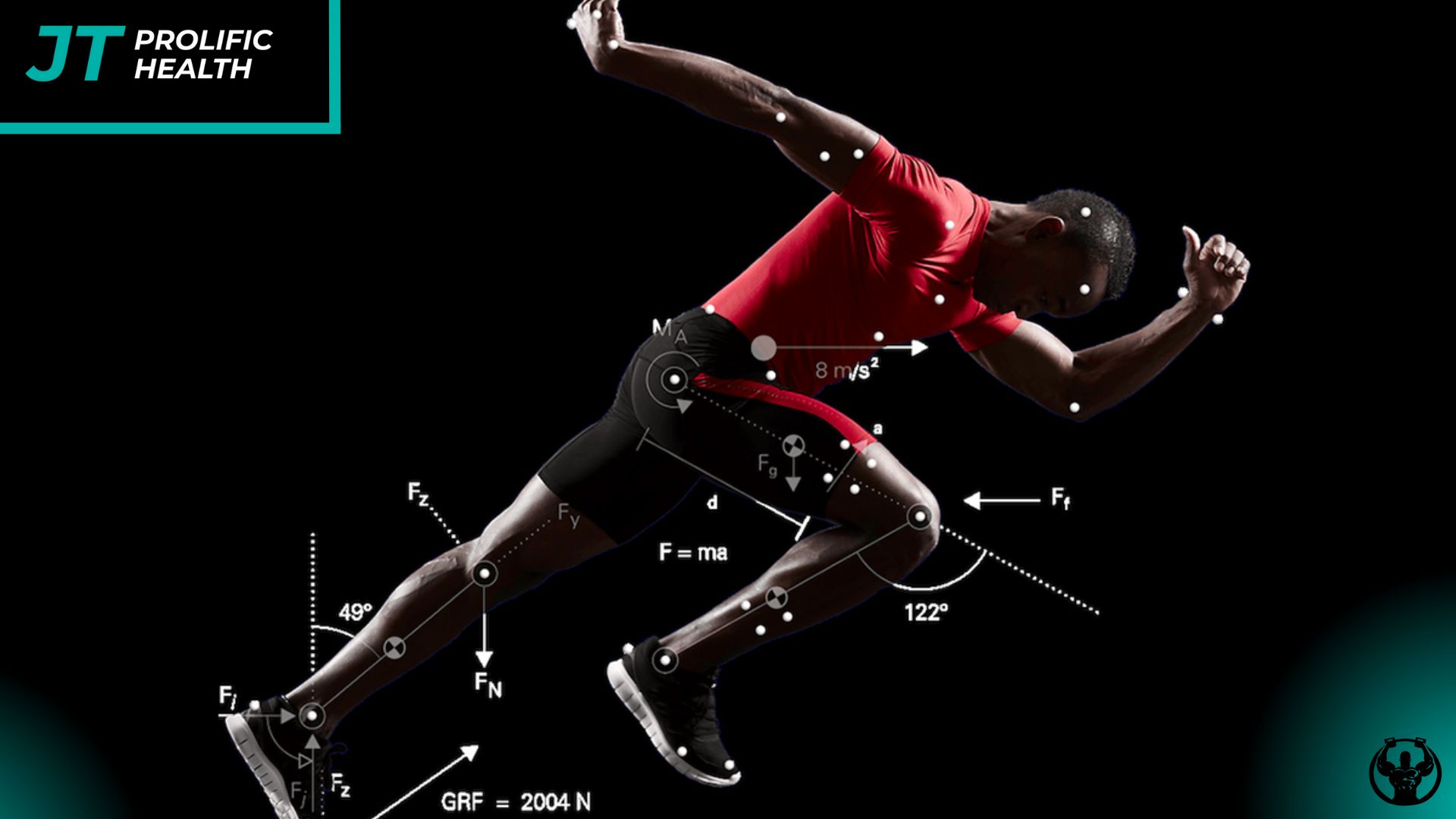
The biomechanical improvements from plyometric training extend far beyond simple strength gains, fundamentally altering how athletes generate and apply force during competition. One of the most significant adaptations involves improved rate of force development (RFD), which measures how quickly an athlete can generate maximum force from a resting state. This quality is crucial in sports where athletes must react quickly to changing situations, such as a basketball player jumping for a rebound or a soccer player accelerating past a defender.
Plyometric training enhances RFD through several mechanisms, including improved motor unit recruitment patterns and increased neural drive to working muscles. Regular plyometric exercise teaches the nervous system to activate more muscle fibers simultaneously and more rapidly, resulting in greater force output in shorter time periods. This adaptation is particularly valuable because many athletic movements occur so quickly that maximum strength cannot be fully expressed—instead, the ability to generate force rapidly becomes the limiting factor.
Another crucial biomechanical benefit involves improvements in elastic energy utilization and storage. The tendons and connective tissues adapt to plyometric training by becoming stiffer and more responsive, allowing for better energy transfer during the stretch-shortening cycle. This adaptation is similar to upgrading from a loose rubber band to a tight, responsive one—the same input force results in greater output power due to improved energy storage and release characteristics.
Plyometric training also significantly improves intermuscular coordination, teaching different muscle groups to work together more effectively during explosive movements. This coordination is essential for complex athletic skills where multiple joints must contribute force in precise timing and sequence. For example, an effective vertical jump requires coordinated extension of the ankles, knees, and hips in a specific pattern that maximizes the contribution of each joint to the overall movement.
The improvements in landing mechanics and deceleration ability represent often-overlooked benefits of plyometric training. Athletes learn to absorb forces more effectively, distribute impact across multiple joints, and maintain control during high-velocity movements. These skills directly translate to injury prevention during sports participation, as many athletic injuries occur during landing or deceleration phases of movement when forces are highest and control is most challenging.
Program Design and Periodization Strategies
Effective plyometric program design requires careful consideration of training volume, intensity, and recovery to maximize adaptations while preventing overuse injuries. The high-intensity nature of explosive movements means that more is not always better—quality of execution and adequate recovery often trump training volume in determining program effectiveness. A well-designed plyometric program typically begins with 2-3 sessions per week, with each session containing 80-100 total foot contacts for beginners, progressing to 120-140 contacts for advanced athletes.
Periodization becomes crucial when integrating plyometric training into an athlete’s overall program, as these exercises must complement rather than compete with other training modalities. During strength-building phases, plyometric volume might be reduced to allow for recovery from heavy resistance training, while during power-focused phases, plyometric training takes priority with reduced strength training volume. This cyclical approach ensures that each training component enhances rather than interferes with the others.
The intensity progression in plyometric training follows a systematic approach from low-intensity, bilateral movements to high-intensity, unilateral exercises. Beginning athletes might start with simple two-foot jumps and progress to single-leg bounds, while advanced athletes might perform complex reactive exercises with multiple direction changes. The key is ensuring that each progression level is mastered before advancing, as poor movement quality at lower intensities will only be magnified at higher intensities.
Recovery considerations are particularly important in plyometric training due to the high neuromuscular demands of explosive exercises. Unlike traditional strength training where local muscle fatigue is the primary limiting factor, plyometric training places significant demands on the central nervous system, requiring longer recovery periods between high-intensity sessions. Typically, 48-72 hours between intense plyometric sessions allows for adequate neuromuscular recovery and adaptation.
Seasonal periodization strategies vary depending on the sport and competition schedule, but generally follow a pattern of building general explosive ability during off-season periods and transitioning to more sport-specific movements as competition approaches. During in-season periods, plyometric training shifts to maintenance mode with reduced volume but maintained intensity to preserve power qualities without inducing excessive fatigue that might impair competition performance.
For athletes seeking to optimize their training frequency and program design, understanding the principles of effective periodization can make the difference between steady progress and plateaus. Professional guidance becomes particularly valuable when determining optimal training frequency for individual needs and ensuring proper integration with other training components.
Safety Considerations and Injury Prevention
While plyometric training offers tremendous benefits for athletic performance, the explosive nature of these exercises also presents unique injury risks that require careful management through proper technique, progression, and program design. The high forces generated during plyometric exercises, particularly during the landing phases, place significant stress on joints, tendons, and ligaments. Understanding and mitigating these risks is essential for long-term training success and athlete health.
Proper landing mechanics represent the foundation of safe plyometric training, as most plyometric-related injuries occur during the eccentric phase when athletes absorb impact forces. Safe landing technique involves contacting the ground with the forefoot first, allowing the heel to settle, and flexing at the ankle, knee, and hip to distribute forces across multiple joints. The knees should track in line with the toes, avoiding inward collapse (valgus), while the torso remains relatively upright to maintain proper spinal alignment.
Pre-participation screening becomes crucial for identifying athletes who may not be ready for plyometric training due to strength deficits, mobility limitations, or previous injuries. Generally, athletes should demonstrate the ability to squat 1.5 times their body weight and show adequate single-leg stability before progressing to high-intensity plyometric exercises. This strength foundation ensures that the musculoskeletal system can handle the demands of explosive training while reducing injury risk.
Progressive overload in plyometric training must be carefully managed, as the temptation to advance too quickly can lead to overuse injuries or acute trauma. Progression should focus on movement quality first, then volume, and finally intensity. Adding complexity through multidirectional movements or reactive components should only occur after mastering basic movement patterns. The principle of “earn your progressions” applies particularly well to plyometric training.
Environmental considerations also play a role in plyometric safety, with appropriate surfaces, adequate space, and proper equipment being essential for safe training. Landing surfaces should provide adequate shock absorption without being so soft that they interfere with force production. Sufficient ceiling height and clear landing areas prevent contact injuries, while proper footwear provides necessary traction and support during explosive movements.
Recovery monitoring becomes particularly important in plyometric training, as the high neuromuscular demands can lead to accumulated fatigue that increases injury risk. Athletes should be educated to recognize signs of excessive fatigue, including decreased jump height, poor landing control, or general feelings of heaviness during movement. When these signs appear, reducing training intensity or taking additional recovery time prevents the progression from fatigue to injury.
At Prolific Health, our experienced trainers understand the delicate balance between pushing athletic boundaries and maintaining safety in plyometric training. We emphasize proper progression, technique mastery, and individualized program design to help Richmond and Vancouver athletes achieve their performance goals while minimizing injury risk. Our comprehensive approach ensures that each athlete receives the guidance necessary to implement plyometric training effectively and safely.
Frequently Asked Questions
How often should I include plyometric training in my workout routine?
Most athletes benefit from 2-3 plyometric sessions per week, with at least 48 hours of recovery between high-intensity sessions. The frequency may vary based on your training phase, sport demands, and overall program design. During competitive seasons, you might reduce frequency to 1-2 sessions weekly to maintain power while allowing for adequate recovery.
Can beginners safely perform plyometric exercises?
Yes, but beginners should start with low-intensity exercises and focus heavily on proper technique before progressing. Basic movements like squat jumps and step-ups provide an excellent introduction to plyometric training. Having adequate base strength and movement quality is essential before advancing to more complex exercises.
What’s the difference between plyometric training and regular strength training?
Plyometric training focuses on developing explosive power and speed of movement, while traditional strength training typically emphasizes maximum force production regardless of time. Plyometric exercises utilize the stretch-shortening cycle to enhance power output, making them more specific to athletic movement demands than slower strength exercises.
How long does it take to see improvements from plyometric training?
Most athletes notice initial improvements in explosiveness within 4-6 weeks of consistent plyometric training. However, significant performance gains typically require 8-12 weeks of progressive training. Neural adaptations occur relatively quickly, while structural changes in muscles and connective tissues take longer to develop.
Are there any age restrictions for plyometric training?
Children and adolescents can safely perform age-appropriate plyometric exercises, but the intensity and complexity should match their developmental stage. For older adults, low-impact plyometric exercises can be beneficial for maintaining power and bone density, though progression should be more conservative than for younger athletes.
What equipment do I need for plyometric training?
Basic plyometric training requires minimal equipment—many exercises can be performed with just body weight. However, equipment like plyo boxes, medicine balls, and agility cones can add variety and progression options. The key is starting with what you have and gradually adding equipment as your training advances.
Can plyometric training help prevent injuries?
When properly implemented, plyometric training can reduce injury risk by improving landing mechanics, enhancing neuromuscular control, and strengthening connective tissues. However, poorly executed plyometric training can increase injury risk, making proper technique and progression essential for injury prevention benefits.
Should I do plyometric exercises before or after my regular workout?
Plyometric exercises are best performed early in your workout when you’re fresh and can maintain proper form and maximum power output. Performing them when fatigued increases injury risk and reduces training effectiveness. If combining with strength training, consider doing plyometrics on separate days or as a warm-up to strength exercises.
For those new to fitness training, understanding how to properly prepare for training sessions can ensure you get the most from your plyometric program while staying safe.
Conclusion
Plyometric training represents one of the most effective methods for developing the explosive power that separates good athletes from great ones. Through its focus on the stretch-shortening cycle and rapid force production, plyometric exercise directly addresses the power demands of athletic competition in ways that traditional training methods cannot match. The biomechanical adaptations from consistent plyometric training—improved rate of force development, enhanced neuromuscular coordination, and better elastic energy utilization—translate directly to improved performance across virtually all sports.
However, the effectiveness of plyometric training depends heavily on proper implementation, progressive program design, and attention to safety considerations. The explosive nature of these exercises demands respect for proper technique, adequate recovery, and systematic progression from basic to advanced movements. Athletes who approach plyometric training with patience and attention to detail will find themselves rewarded with significant improvements in jumping ability, sprinting speed, and overall athletic power.
For athletes in Richmond and Vancouver looking to incorporate plyometric training into their programs, working with qualified professionals can accelerate progress while ensuring safety. The complexity of program design, exercise progression, and integration with other training modalities makes professional guidance particularly valuable for optimizing results. Whether you’re a weekend warrior looking to improve your recreational sports performance or a competitive athlete seeking that extra edge, plyometric training offers a proven pathway to enhanced athletic capability when implemented correctly.
The journey to improved athletic performance through plyometric training requires commitment, patience, and proper guidance, but the results—increased power, better movement quality, and enhanced athletic capability—make the investment worthwhile for any serious athlete. Understanding the value of professional training guidance can help you make informed decisions about how to best incorporate these powerful training methods into your athletic development program.