
Resistance training is the most effective method for increasing muscular strength, enhancing bone density, and improving metabolic health. By forcing your muscles to contract against an external force—whether free weights, machines, bands, or body weight—you trigger physiological adaptations that extend far beyond aesthetics. Research consistently demonstrates that consistent resistance exercise reduces all-cause mortality risk by up to 21% and dramatically improves functional independence as you age.
Key Takeaways
- Resistance training involves muscles working against an opposing force to build strength, endurance, and size.
- Just two to three sessions per week can increase resting metabolic rate by 7% and improve insulin sensitivity.
- Progressive overload—gradually increasing weight, reps, or volume—is the non-negotiable driver of adaptation.
- Compound movements like squats, deadlifts, and presses deliver the highest return on time invested.
- Proper nutrition, including adequate protein intake (1.6–2.2 g/kg of body weight), is essential for recovery and hypertrophy.
- Adults over 50 who resistance train twice weekly reduce sarcopenia (age-related muscle loss) risk by nearly 40%.
- Common mistakes include ego lifting, neglecting mobility work, and inconsistent programming.
What Is Resistance Training and How Does It Work?

At its core, resistance training is any exercise that causes muscles to contract against an external load. This load can come from dumbbells, barbells, kettlebells, resistance bands, cable machines, or even your own body weight during a push-up. The physiological mechanism is straightforward: mechanical tension on muscle fibers creates microscopic tears in the myofibrils. During rest, satellite cells activate to repair and fuse these fibers, increasing their cross-sectional area—a process known as myofibrillar hypertrophy.
According to Dr. Brad Schoenfeld, Associate Professor of Exercise Science at Lehman College, “Mechanical tension is the primary driver of muscle hypertrophy. Without progressive overload, the body has no stimulus to adapt.” This adaptation cascade also stimulates osteoblast activity, laying down new bone matrix and increasing mineral density. A 2022 meta-analysis published in the Journal of Bone and Mineral Research found that postmenopausal women who engaged in high-intensity resistance training increased lumbar spine bone density by 2.9% over 12 months, while a sedentary control group lost 1.2%.
The neuromuscular system also undergoes profound changes. Early strength gains—often seen within the first four weeks—are largely attributed to improved motor unit recruitment and rate coding, not muscle growth. Your nervous system becomes more efficient at activating existing muscle fibers before significant hypertrophy occurs. This explains why beginners often experience rapid strength increases without visible size changes.
9 Science-Backed Benefits of Resistance Training
1. Increased Lean Muscle Mass
Resistance training is the most potent stimulus for muscle protein synthesis. A 2023 study in Sports Medicine demonstrated that individuals following a structured resistance program gained an average of 1.4 kg of lean mass over 10 weeks. This increase directly elevates basal metabolic rate, as muscle tissue burns approximately 13 kcal per kilogram per day at rest, compared to 4.5 kcal for fat tissue.
2. Enhanced Metabolic Health
Research from the American Diabetes Association shows that resistance training improves insulin sensitivity by 23% in individuals with prediabetes. Glucose transporter type 4 (GLUT4) translocation to muscle cell membranes increases, allowing more efficient blood sugar clearance. This effect persists for up to 48 hours post-exercise.
3. Superior Bone Density
The National Osteoporosis Foundation reports that weight-bearing resistance exercise can increase hip and spine bone mineral density by 1–3% annually in older adults. The mechanical loading stimulates osteocytes to signal bone formation, counteracting the natural decline that accelerates after age 50.
4. Cardiovascular Protection
A landmark study from the American Heart Association tracked 12,591 adults over 15 years. Those who performed resistance training at least twice weekly had a 40–70% lower risk of cardiovascular events compared to those who did not, independent of aerobic exercise habits.
5. Improved Joint Function and Pain Reduction
Strengthening the musculature surrounding joints—particularly the quadriceps and hamstrings for knee osteoarthritis—reduces pain and improves function. The Arthritis Foundation endorses resistance training as a first-line intervention, noting a 43% reduction in reported pain scores among consistent participants.
6. Cognitive Function and Mental Health
A 2024 randomized controlled trial in JAMA Psychiatry found that resistance training three times per week reduced depressive symptoms by 30% in adults with mild-to-moderate depression. The mechanism involves increased brain-derived neurotrophic factor (BDNF) and endorphin release.
7. Longevity and All-Cause Mortality
Data from the National Health and Nutrition Examination Survey (NHANES) indicates that adults who strength train regularly have a 21% lower risk of all-cause mortality. Muscle mass is increasingly recognized as a key biomarker of aging.
8. Improved Sleep Quality
A study in the Journal of Strength and Conditioning Research found that resistance training increased slow-wave sleep duration by 17% in previously sedentary adults. This deep sleep stage is critical for physical recovery and memory consolidation.
9. Enhanced Functional Independence
Grip strength, a reliable proxy for overall muscular strength, correlates strongly with the ability to perform activities of daily living (ADLs) past age 70. Resistance training preserves fast-twitch type II muscle fibers, which are preferentially lost with aging.
Types of Resistance Training: Choosing Your Modality
| Modality | Equipment | Best For | Key Advantage |
|---|---|---|---|
| Bodyweight Training | None | Beginners, travel, foundational strength | Zero cost, improves proprioception |
| Free Weights | Barbells, dumbbells, kettlebells | Strength, hypertrophy, athletic performance | Full range of motion, functional carryover |
| Resistance Machines | Selectorized machines, cable stacks | Rehabilitation, isolation, beginners | Guided movement path, reduced injury risk |
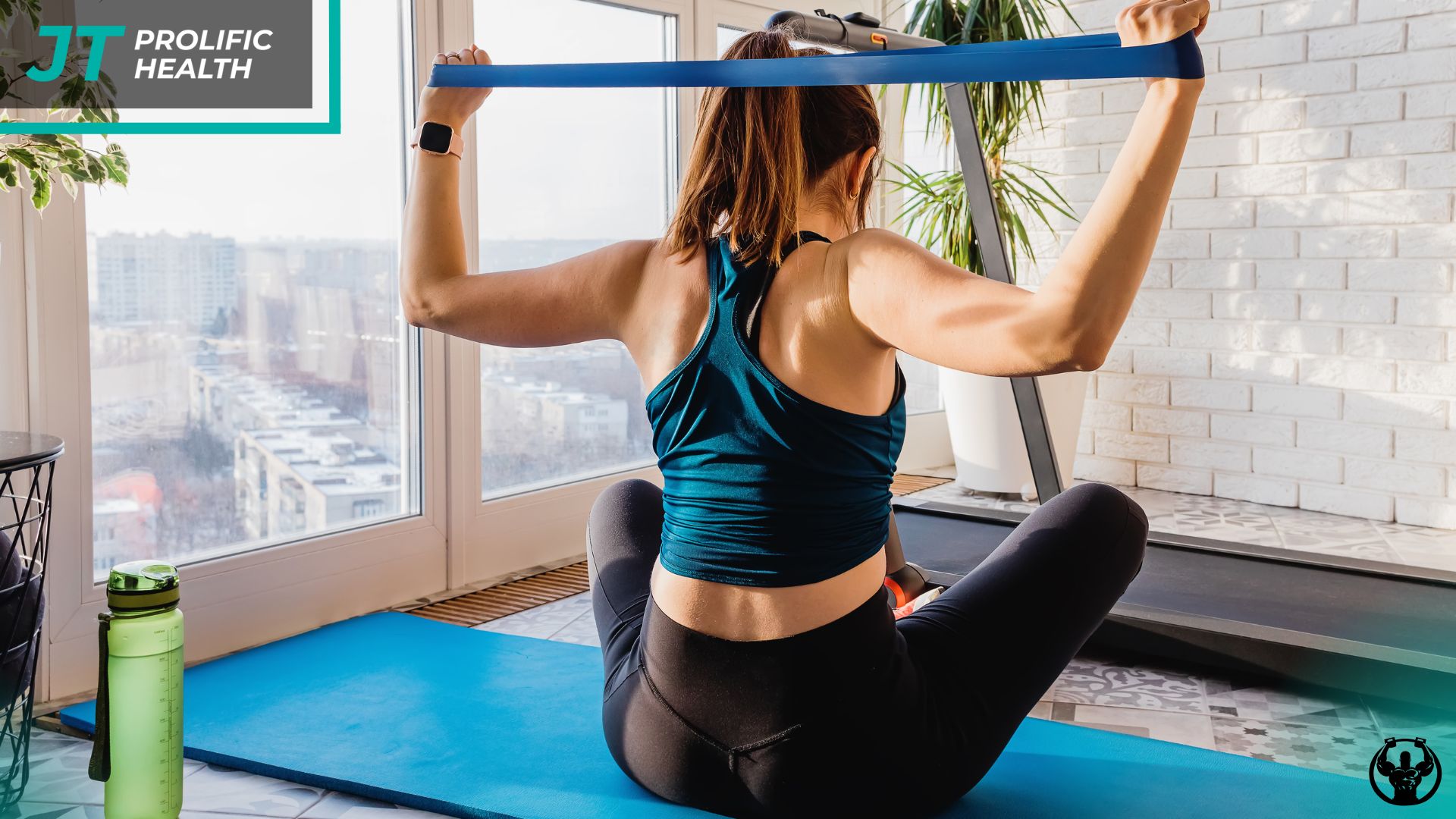
| Resistance Bands | Elastic bands, tubes, loops | Home workouts, rehabilitation, travel | Variable resistance, portable, joint-friendly |
| Suspension Training | TRX straps, gymnastic rings | Core stability, functional strength | Engages stabilizers, highly scalable |
Each modality offers unique advantages. Free weights demand greater stabilization and coordination, translating more directly to real-world strength. Machines isolate specific muscle groups effectively, making them valuable for hypertrophy and rehabilitation. As Dr. Stuart McGill, Professor Emeritus of Spine Biomechanics at the University of Waterloo, notes: “The best modality is the one you will consistently perform with proper technique. Adherence trumps optimization.”
How to Structure a Resistance Training Program
Step 1: Define Your Goal
Your primary objective dictates every programming variable. Strength-focused programs emphasize heavy loads (85–95% of one-repetition maximum) for 1–5 reps. Hypertrophy programs target moderate loads (65–85% 1RM) for 6–12 reps with higher volume. Muscular endurance programs use lighter loads (50–65% 1RM) for 15–20+ reps.
Step 2: Select Your Movements
Build your program around six fundamental movement patterns: squat, hinge (deadlift variation), horizontal push (bench press), horizontal pull (row), vertical push (overhead press), and vertical pull (pull-up or lat pulldown). These compound exercises recruit the most muscle mass and stimulate the greatest hormonal response. Supplement with isolation exercises for lagging muscle groups.
Step 3: Determine Volume and Frequency
Research from the International Journal of Sports Medicine recommends 10–20 working sets per muscle group per week for optimal hypertrophy. Beginners should start at the lower end (10–12 sets) and progress gradually. Training each muscle group twice per week yields superior results compared to once-weekly “bro splits,” as muscle protein synthesis returns to baseline after approximately 48 hours.
Step 4: Apply Progressive Overload
Progressive overload is non-negotiable. Increase weight by 2.5–5% when you can complete all prescribed reps with proper form. Alternatively, add one rep per set each week, then increase weight and reset reps. Track every session meticulously. Without objective data, you cannot confirm progress.
Step 5: Schedule Deload Weeks
Every 4–8 weeks, reduce training volume by 40–60% for one week to allow connective tissue recovery and prevent central nervous system fatigue accumulation. Deloading is not skipping the gym—it’s a strategic reduction in load and volume that enables long-term progress.
Nutrition for Resistance Training: Fueling Adaptation
Training provides the stimulus; nutrition provides the raw materials. Protein intake is paramount. The International Society of Sports Nutrition recommends 1.6–2.2 grams of protein per kilogram of body weight daily for resistance-trained individuals, distributed across 3–4 meals containing 0.4–0.55 g/kg each. Leucine, a branched-chain amino acid found abundantly in whey protein, poultry, and soy, serves as the primary trigger for muscle protein synthesis.
Carbohydrates replenish muscle glycogen depleted during training. Consuming 3–5 g/kg of body weight daily supports performance, with higher intakes warranted for high-volume programs. Pre-workout carbohydrate ingestion (30–60 grams, 60–90 minutes before training) improves set volume and perceived exertion. Post-workout, combining protein (20–40 grams) with carbohydrates (0.8–1.2 g/kg) within two hours optimizes recovery.
Dietary fats support hormonal health, particularly testosterone production. Aim for 0.8–1.2 g/kg of body weight from sources like avocados, nuts, seeds, and olive oil. Omega-3 fatty acids (2–3 grams of combined EPA/DHA daily) reduce exercise-induced inflammation and may enhance muscle protein synthesis, according to research from Washington University School of Medicine.
Common Mistakes and How to Avoid Them
Ego Lifting: Sacrificing form for heavier weight is the fastest path to injury. The lumbar spine is particularly vulnerable during poorly executed deadlifts and squats. Film your sets regularly and compare your technique to established standards.
Neglecting Mobility: Strength without range of motion is incomplete. Tight hip flexors from excessive sitting compromise squat depth. Tight thoracic spines limit overhead pressing. Dedicate 10–15 minutes to dynamic mobility work before each session.
Inconsistent Programming: Randomly selecting exercises each session—”instinctive training”—rarely produces results. Follow a structured program for at least 8–12 weeks before modifying variables.
Insufficient Recovery: Training breaks down muscle; recovery builds it. Sleep 7–9 hours nightly. Manage life stress, as elevated cortisol antagonizes muscle growth. If your resting heart rate is elevated by 5+ bpm upon waking, consider an extra recovery day.
Resistance Training for Special Populations
Older Adults
Sarcopenia—age-related muscle loss—begins in the fourth decade and accelerates after 60. The National Institute on Aging confirms that resistance training twice weekly can reverse decades of muscle loss. Focus on functional movements: chair squats, step-ups, and farmer’s carries. Start with bodyweight or light resistance bands and prioritize balance and coordination.
Adolescents
The outdated myth that resistance training stunts growth has been thoroughly debunked. The American Academy of Pediatrics states that properly supervised resistance training is safe and beneficial for children as young as 7–8 years old. Emphasis should be on technique mastery, not maximal loads. Bodyweight exercises and light resistance bands are ideal starting points.
Pregnant Individuals
The American College of Obstetricians and Gynecologists supports resistance training during pregnancy with appropriate modifications. Avoid supine exercises after the first trimester, Valsalva maneuvers, and maximal lifts. Focus on maintaining strength rather than setting personal records.
Frequently Asked Questions
How often should I do resistance training per week?
For general health and strength, two to three sessions per week on non-consecutive days is optimal. This frequency allows sufficient recovery while maintaining the training stimulus. Advanced lifters may train four to six days per week using split routines that target different muscle groups each session.
Can resistance training help with weight loss?
Yes. While the caloric burn during a resistance session is moderate (200–400 kcal per hour), the long-term metabolic benefits are substantial. Increased lean muscle mass elevates resting metabolic rate. Additionally, excess post-exercise oxygen consumption (EPOC) keeps metabolism elevated for up to 38 hours after intense resistance training.
Do I need to lift heavy to build muscle?
Not necessarily. Research shows that training to failure with lighter loads (30–50% 1RM) can produce comparable hypertrophy to heavy loads (75–90% 1RM), provided sets are taken close to muscular failure. However, heavier loads are more time-efficient and superior for maximal strength development.
What should I eat before resistance training?
Consume a meal containing protein and carbohydrates 2–3 hours before training. If training early in the morning, a small snack like a banana with whey protein 30–60 minutes prior can improve performance. Hydration is equally critical—drink 500–600 ml of water 2–3 hours before exercise.
How long does it take to see results from resistance training?
Neuromuscular adaptations produce measurable strength gains within 2–4 weeks. Visible muscle hypertrophy typically becomes apparent after 6–8 weeks of consistent training. Significant body composition changes usually require 12–16 weeks. Patience and consistency are essential.
Is resistance training safe for people with joint pain?
When performed with proper technique, resistance training often reduces joint pain by strengthening supporting musculature. Start with low-impact modalities like resistance bands or machines. Avoid movements that cause sharp pain, and consult a physical therapist if you have existing joint conditions.
Can I do resistance training at home without equipment?
Absolutely. Bodyweight exercises like push-ups, squats, lunges, and glute bridges provide effective resistance. To progress, increase reps, slow tempo, add isometric holds, or progress to single-limb variations. Resistance bands are an inexpensive, portable addition that dramatically expands exercise options.
Conclusion
Resistance training is not merely an aesthetic pursuit—it is a fundamental health practice with profound effects on longevity, metabolic function, and quality of life. The evidence is unequivocal: consistent, progressive resistance exercise reduces mortality risk, preserves cognitive function, strengthens bones, and maintains functional independence well into advanced age. Whether your goal is building muscle, losing fat, or simply aging gracefully, resistance training delivers measurable results when approached with intention and consistency.
Start with two sessions per week, master the fundamental movement patterns, and prioritize progressive overload. Track your progress, fuel your body appropriately, and allow adequate recovery. The investment of 2–4 hours per week yields returns that compound over a lifetime. Contact us today to develop a personalized resistance training program tailored to your goals and experience level.
References
- Schoenfeld, B. J., et al. “Resistance Training Volume and Muscle Hypertrophy.” Journal of Strength and Conditioning Research. National Strength and Conditioning Association
- American Heart Association. “Resistance Exercise and Cardiovascular Disease Risk.” American Heart Association
- National Institute on Aging. “Exercise and Physical Activity for Older Adults.” National Institute on Aging
- International Society of Sports Nutrition. “Protein and Exercise Position Stand.” International Society of Sports Nutrition
- American College of Obstetricians and Gynecologists. “Exercise During Pregnancy.” American College of Obstetricians and Gynecologists
- National Osteoporosis Foundation. “Exercise for Bone Health.” Bone Health and Osteoporosis Foundation
- Arthritis Foundation. “Strength Training for Arthritis.” Arthritis Foundation
- American Academy of Pediatrics. “Strength Training by Children and Adolescents.” American Academy of Pediatrics