

How Smart Gym Equipment Can Enhance Your Training Sessions Importance of Fitness Equipment Upgrades ensures your gym stays current with the latest technology. The fitness industry has undergone a remarkable transformation in recent years, with smart gym equipment leading the way in revolutionizing how we approach training and exercise. This technological evolution goes far beyond simple calorie counters and heart rate monitors, introducing sophisticated systems that can analyze movement patterns, provide real-time feedback, and create personalized workout experiences that adapt to individual needs and goals.
Smart gym equipment represents a convergence of traditional fitness machinery with cutting-edge technology, including artificial intelligence, Internet of Things (IoT) connectivity, and advanced sensors. These innovations are not just changing how equipment functions, but fundamentally altering the relationship between users and their fitness routines. From treadmills that automatically adjust incline based on your fitness level to strength training machines that track your form and suggest improvements, smart equipment is making workouts more efficient, safer, and more engaging than ever before.
For fitness enthusiasts and professionals alike, understanding how to leverage these technological advances can significantly impact training outcomes. Whether you’re a beginner looking to establish a solid foundation or an experienced athlete seeking to optimize performance, smart gym equipment offers unprecedented opportunities to enhance your training sessions. The integration of data analytics, personalized programming, and real-time coaching features creates an environment where every workout can be precisely tailored to your specific needs and continuously refined based on your progress.
The adoption of smart gym equipment has also democratized access to high-level training insights that were previously available only to elite athletes with dedicated coaching teams. Now, everyday fitness enthusiasts can benefit from detailed biomechanical analysis, heart rate variability monitoring, and sophisticated program design that adapts in real-time based on performance metrics. This technological democratization is particularly valuable for those who want to maximize their training efficiency while minimizing the risk of injury or overtraining.
Key Takeaways
For additional context, see this comprehensive guide.
- Enhanced Data Collection: Smart gym equipment provides comprehensive metrics including heart rate variability, power output, movement velocity, and form analysis that enable more precise training adjustments and better long-term progress tracking.
- Personalized Programming: Advanced algorithms analyze your performance data to create customized workout plans that automatically adjust based on your fitness level, goals, and recovery status, ensuring optimal training stimulus for continued improvement.
- Real-Time Feedback: Interactive displays and audio coaching provide immediate guidance on form, pacing, and technique, helping users maintain proper execution and maximize the effectiveness of each exercise while reducing injury risk.
- Connectivity and Integration: Smart equipment seamlessly connects with fitness apps, wearable devices, and health platforms, creating a comprehensive ecosystem that tracks your fitness journey across all activities and provides holistic insights into your health and performance.
- Motivation and Engagement: Gamification features, virtual training environments, and social connectivity options help maintain long-term adherence to fitness routines by making workouts more enjoyable and providing accountability through community features.
- Professional-Grade Analysis: Access to biomechanical assessments, movement pattern analysis, and performance benchmarking that was previously available only in specialized sports science laboratories, now accessible to general fitness enthusiasts.
- Injury Prevention: Advanced sensors monitor movement quality and can alert users to potential form breakdowns or overuse patterns before they lead to injury, promoting safer and more sustainable training practices.
Understanding Smart Gym Equipment Technology
For additional context, see detailed information on this topic.
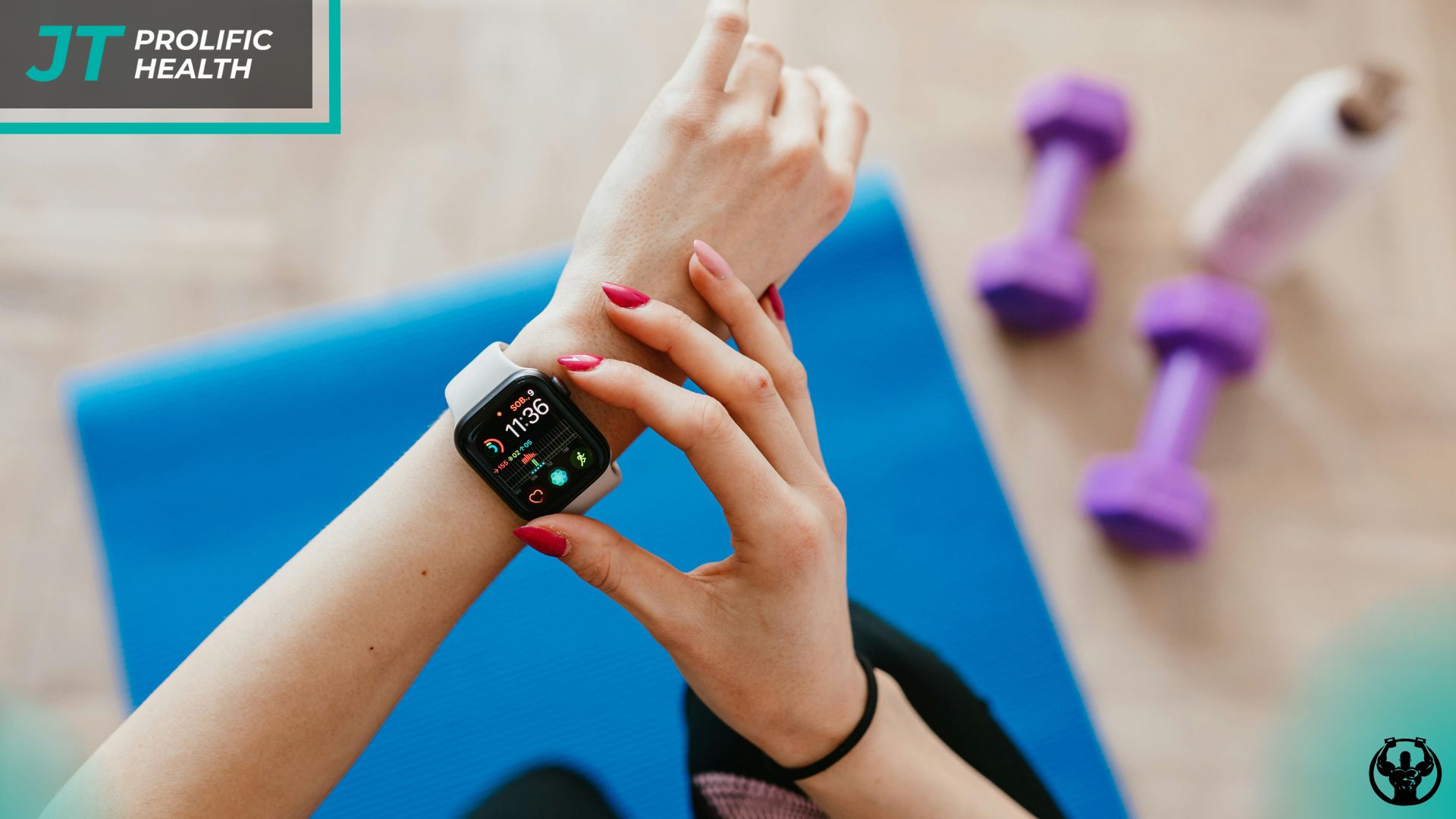
Smart gym equipment encompasses a broad range of technologically enhanced fitness machines that utilize sensors, connectivity, and artificial intelligence to provide users with detailed insights into their workouts and overall fitness progress. These sophisticated systems go far beyond traditional exercise equipment by incorporating multiple layers of technology that work together to create a comprehensive training experience. At the core of most smart gym equipment are advanced sensors that can measure everything from basic metrics like speed and distance to complex biomechanical data such as power output, movement asymmetries, and muscle activation patterns.
The connectivity aspect of smart gym equipment is equally important, as it allows these machines to communicate with other devices and platforms in your fitness ecosystem. This interconnectedness means that data from your smart treadmill can sync with your fitness tracker, nutrition app, and sleep monitoring device to provide a holistic view of your health and fitness status. Many smart machines also feature cloud connectivity, which enables continuous software updates, access to new workout programs, and the ability to save and analyze your workout history over extended periods.
Artificial intelligence plays an increasingly important role in smart gym equipment, enabling machines to learn from your workout patterns and preferences to provide increasingly personalized recommendations. These AI systems can analyze your performance data to identify trends, predict optimal training loads, and even suggest modifications to your routine based on your recovery status or specific goals. For those just beginning their fitness journey, our comprehensive beginner’s guide provides valuable insights into starting your fitness journey effectively.
The user interface design of smart gym equipment has also evolved significantly, with many machines now featuring large touchscreen displays that provide interactive workout experiences. These interfaces can display everything from virtual training environments and live fitness classes to detailed real-time analytics about your performance. The combination of visual feedback, audio coaching, and haptic feedback creates an immersive training experience that can significantly enhance motivation and engagement during workouts.
Cardiovascular Smart Equipment Innovations
For additional context, see our in-depth resource.
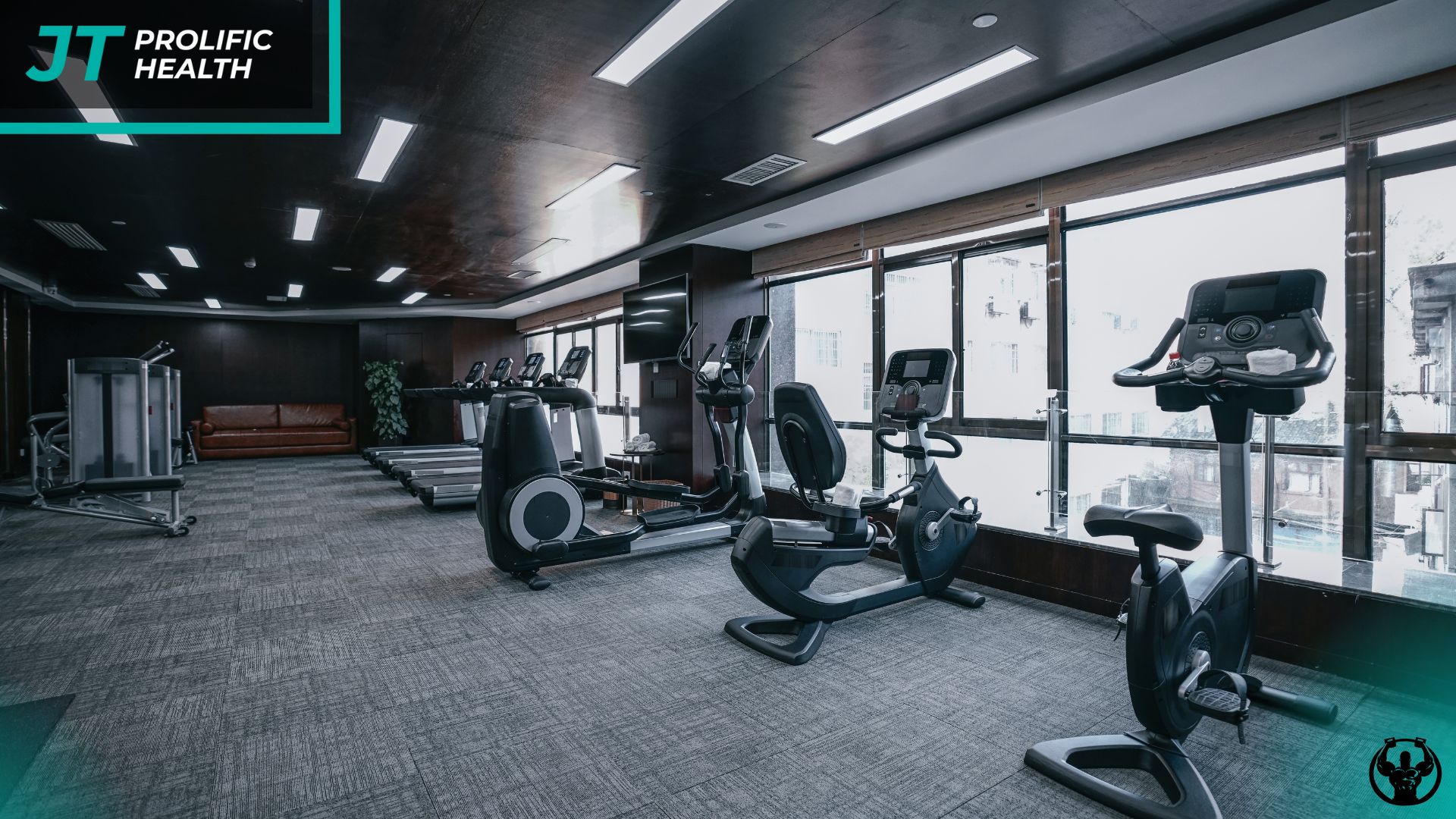
Smart cardiovascular equipment has revolutionized traditional cardio workouts by introducing features that make training more engaging, efficient, and data-driven. Modern smart treadmills, for example, can automatically adjust speed and incline based on your target heart rate zone, ensuring that you maintain optimal training intensity throughout your workout. These machines often include advanced shock absorption systems that adapt to your running style and body weight, reducing impact stress while maintaining the natural feel of outdoor running.
Interactive cycling equipment has perhaps seen some of the most dramatic innovations in the smart fitness space. Smart bikes and spin cycles now offer immersive virtual riding experiences that can transport users to scenic routes around the world or competitive racing environments. These systems use precise power meters and cadence sensors to provide detailed performance metrics, allowing users to track improvements in power output, efficiency, and endurance over time. The integration of virtual coaching and structured training programs helps users optimize their cycling workouts for specific goals, whether that’s improving cardiovascular fitness, building power, or enhancing endurance.
Elliptical machines and rowing equipment have also benefited significantly from smart technology integration. Smart ellipticals can analyze your stride pattern and suggest adjustments to improve efficiency and reduce joint stress. They often include upper body engagement monitoring to ensure balanced muscle activation throughout the workout. Smart rowing machines provide detailed stroke analysis, including power curve visualization and technique feedback that helps users develop proper rowing form while maximizing the cardiovascular and strength benefits of this full-body exercise.
The connectivity features of smart cardiovascular equipment enable seamless integration with popular fitness apps and platforms, allowing users to participate in virtual group classes, compete with friends, or follow structured training programs designed by professional coaches. Many machines also support popular fitness apps like Zwift, Peloton, or iFit, providing access to thousands of workout options and virtual training environments. This variety helps prevent workout monotony and keeps users engaged in their cardiovascular training over the long term. For those considering different training approaches, understanding optimal training frequency can help maximize the benefits of smart equipment usage.
Strength Training Smart Technology

Smart strength training equipment represents one of the most significant advances in fitness technology, offering unprecedented insights into muscle activation, movement quality, and training progression. These sophisticated machines utilize advanced load cells, accelerometers, and position sensors to provide detailed analysis of every repetition, including metrics such as power output, velocity, time under tension, and range of motion. This level of detailed feedback allows users to optimize their strength training in ways that were previously only possible with expensive laboratory equipment and specialized technicians.
Cable machines and functional trainers equipped with smart technology can monitor the resistance curve throughout each exercise, providing feedback on whether you’re maintaining consistent tension and proper movement patterns. These systems can detect compensation patterns or muscle imbalances and suggest corrective exercises or modifications to improve movement quality. Some advanced smart strength equipment includes electromagnetic resistance systems that can adjust load instantly based on your strength curve, providing accommodating resistance that matches your muscle’s natural force production capabilities throughout the range of motion.
Smart free weight systems have introduced innovative approaches to traditional weightlifting by incorporating sensors into barbells, dumbbells, and weight plates. These systems can track lifting velocity, power output, and even provide form analysis by monitoring the path of the weight through space. This technology is particularly valuable for athletes and serious fitness enthusiasts who want to optimize their training for specific adaptations such as power development or strength endurance. The real-time feedback provided by these systems can help users maintain optimal training velocities for their specific goals.
Multi-station smart strength equipment often includes integrated program design features that can create periodized training plans based on your goals, experience level, and available training time. These systems can automatically adjust training variables such as sets, reps, and load based on your performance and recovery status. Some advanced systems even include artificial intelligence that learns from your training patterns and can predict optimal training loads for future sessions. Professional trainers who want to expand their knowledge about implementing these technologies effectively can benefit from comprehensive expansion strategies that incorporate smart equipment into their training facilities.
Data Analytics and Performance Tracking
The data analytics capabilities of smart gym equipment have transformed how we understand and optimize fitness performance, providing insights that go far beyond simple workout logs. Modern smart equipment can collect and analyze hundreds of data points during each training session, creating comprehensive profiles of your fitness capacity, movement patterns, and physiological responses to different types of exercise. This wealth of information enables users to make data-driven decisions about their training that can significantly accelerate progress and reduce the risk of overtraining or injury.
Heart rate variability analysis has become a standard feature in many smart fitness systems, providing insights into your autonomic nervous system function and recovery status. This information can be used to optimize training intensity and volume, ensuring that you’re training hard enough to stimulate adaptation while avoiding excessive fatigue that could lead to decreased performance or increased injury risk. Smart equipment can integrate this data with your workout history to suggest modifications to your training plan based on your current recovery status.
Movement quality assessment through smart equipment provides detailed biomechanical analysis that can identify inefficient movement patterns or muscle imbalances before they become problematic. Advanced systems use computer vision and machine learning algorithms to analyze your movement in real-time, comparing it to optimal movement patterns and providing specific feedback for improvement. This technology is particularly valuable for injury prevention and can help users develop better movement quality that translates to improved performance and reduced injury risk in all activities.
Long-term progress tracking capabilities allow users to visualize their fitness journey over months and years, identifying trends and patterns that might not be apparent from individual workout sessions. Smart equipment can track changes in strength, power, endurance, and movement quality over time, providing objective evidence of improvement and helping users stay motivated during challenging periods of their fitness journey. This historical data can also be valuable for identifying successful training strategies and avoiding approaches that haven’t yielded positive results. For those working with fitness professionals, understanding proper documentation standards can help maximize the value of this data for program design and progress monitoring.
Integration with Personal Training Programs
The integration of smart gym equipment with personal training programs has created new opportunities for both trainers and clients to optimize workout effectiveness and track progress with unprecedented precision. Smart equipment allows personal trainers to gather objective data about their clients’ performance, movement quality, and physiological responses, enabling more precise program adjustments and better long-term planning. This technology-enhanced approach to personal training can significantly improve outcomes while providing clear evidence of progress that helps maintain client motivation and adherence.
Remote monitoring capabilities of smart equipment have expanded the possibilities for personal training beyond traditional in-person sessions. Trainers can now monitor their clients’ workouts in real-time or review detailed performance data from sessions completed independently. This capability allows for more frequent program adjustments and provides opportunities for immediate feedback even when the trainer isn’t physically present. The combination of smart equipment data and regular check-ins creates a more comprehensive and responsive training experience that can adapt quickly to changes in the client’s fitness level or goals.
Program design and periodization become more sophisticated when informed by the detailed data provided by smart gym equipment. Trainers can use objective metrics such as power output, movement velocity, and heart rate response to make precise adjustments to training variables like intensity, volume, and recovery periods. This data-driven approach to program design helps ensure that clients are receiving optimal training stimulus while minimizing the risk of overtraining or injury. The ability to track multiple performance metrics simultaneously also allows trainers to identify and address weaknesses or imbalances that might not be apparent through traditional observation methods.
Client education and engagement are significantly enhanced when smart equipment data is used effectively within personal training programs. The visual representation of performance data helps clients understand their progress and the rationale behind specific training decisions. This transparency can improve client buy-in and adherence to training programs, as clients can see objective evidence of their improvement over time. Smart equipment also enables trainers to set specific, measurable goals that clients can track independently, fostering a sense of ownership and accountability in their fitness journey. For individuals considering whether personal training is right for them, our guide on determining if you need a personal trainer provides valuable insights into making this important decision.
Maximizing Benefits and Avoiding Common Pitfalls
To maximize the benefits of smart gym equipment, users must understand how to effectively interpret and apply the wealth of data these systems provide. One of the most common mistakes is becoming overwhelmed by the sheer volume of metrics available, leading to analysis paralysis rather than actionable insights. Successful users learn to focus on a few key performance indicators that align with their specific goals, gradually expanding their data analysis as they become more comfortable with the technology and their understanding of how different metrics relate to their progress.
Proper calibration and setup of smart equipment is crucial for obtaining accurate and meaningful data. Many users fail to take the time to properly configure their equipment settings, input accurate personal information, or regularly calibrate sensors, leading to unreliable data that can actually hinder progress. Taking the time to understand your equipment’s setup requirements and regularly verifying its accuracy will ensure that you’re making decisions based on reliable information. This includes understanding the limitations of different sensors and knowing when data might be influenced by external factors such as environmental conditions or equipment wear.
Balancing technology use with fundamental training principles is essential for long-term success with smart gym equipment. While the data and feedback provided by these systems can be incredibly valuable, they should complement rather than replace sound training fundamentals such as progressive overload, adequate recovery, and consistent effort. Users who become too dependent on technology feedback may lose touch with their body’s natural signals or become unable to train effectively when smart equipment isn’t available. The goal should be to use technology to enhance your understanding of your body and training, not to replace your ability to listen to and respond to physical feedback.
Data privacy and security considerations are becoming increasingly important as smart gym equipment becomes more connected and sophisticated. Users should understand what data is being collected, how it’s being stored and used, and what privacy controls are available. This includes being thoughtful about sharing personal fitness data on social platforms and understanding the terms of service for connected fitness apps and services. At Prolific Health, we prioritize client privacy and data security while helping individuals leverage technology to achieve their fitness goals safely and effectively.
Frequently Asked Questions
What types of data can smart gym equipment track during workouts?
Smart gym equipment can track a comprehensive range of metrics including heart rate, power output, movement velocity, range of motion, time under tension, caloric expenditure, and biomechanical data such as movement patterns and muscle activation. Advanced systems can also monitor heart rate variability, recovery metrics, and provide detailed form analysis through computer vision technology.
How accurate is the data provided by smart fitness equipment?
The accuracy of smart fitness equipment varies depending on the quality of sensors and calibration procedures. High-end commercial equipment typically provides very accurate data when properly calibrated and maintained. However, users should understand that some metrics may have inherent limitations and should be viewed as trends rather than absolute values, particularly for complex measurements like caloric expenditure.
Can smart gym equipment replace the need for a personal trainer?
While smart gym equipment provides valuable feedback and guidance, it cannot fully replace the expertise, motivation, and personalized attention that a qualified personal trainer provides. The technology works best when combined with professional guidance, especially for beginners who need to learn proper form and develop safe training habits.
Is smart gym equipment suitable for beginners?
Smart gym equipment can be excellent for beginners when used appropriately, as it provides immediate feedback on form and technique while tracking progress objectively. However, beginners should focus on learning fundamental movement patterns and may benefit from starting with simpler metrics before exploring advanced analytics features.
How much does smart gym equipment typically cost compared to traditional equipment?
Smart gym equipment generally costs 20-50% more than comparable traditional equipment, though prices vary widely based on features and brand. While the initial investment is higher, many users find the enhanced functionality and data insights justify the additional cost, particularly for serious fitness enthusiasts and professional training facilities.
What should I look for when choosing smart gym equipment?
Key considerations include data accuracy, ease of use, compatibility with existing devices and apps, software update support, build quality, and the specific metrics that align with your fitness goals. It’s also important to consider the learning curve and whether the equipment’s features match your technical comfort level.
How do I prevent becoming overly dependent on technology for my workouts?
Maintain balance by regularly training without technology feedback, focusing on developing body awareness and listening to internal cues. Use smart equipment data to enhance rather than replace your understanding of effort levels, form, and recovery needs. Practice traditional training methods alongside technology-assisted workouts.
Can smart equipment data help prevent injuries?
Yes, smart equipment can help prevent injuries by monitoring movement quality, identifying muscle imbalances, tracking recovery status, and alerting users to potentially harmful training patterns. However, this technology should complement, not replace, proper warm-up procedures, gradual progression, and attention to pain or discomfort signals.
Conclusion
Smart gym equipment represents a significant evolution in fitness technology that offers unprecedented opportunities to enhance training effectiveness, safety, and engagement. The integration of advanced sensors, artificial intelligence, and connectivity features has transformed traditional exercise equipment into sophisticated training partners that can provide real-time feedback, detailed performance analysis, and personalized program recommendations. For fitness enthusiasts at all levels, these technological advances offer the potential to accelerate progress, prevent injuries, and maintain long-term motivation through objective tracking and gamification features.
The key to successfully leveraging smart gym equipment lies in understanding how to balance technological insights with fundamental training principles and body awareness. While the data and feedback provided by these systems can be incredibly valuable, they work best when combined with proper education, professional guidance when needed, and a commitment to consistent effort and progressive training. Users who take the time to properly understand and configure their equipment while maintaining focus on their specific goals will find that smart technology can significantly enhance their fitness journey.
As the fitness industry continues to evolve, smart gym equipment will likely become even more sophisticated and accessible, offering new possibilities for personalized training and health optimization. By staying informed about these developments and learning to effectively integrate technology with proven training methods, fitness enthusiasts can position themselves to take advantage of these innovations while maintaining the fundamental principles that drive long-term success in health and fitness.