
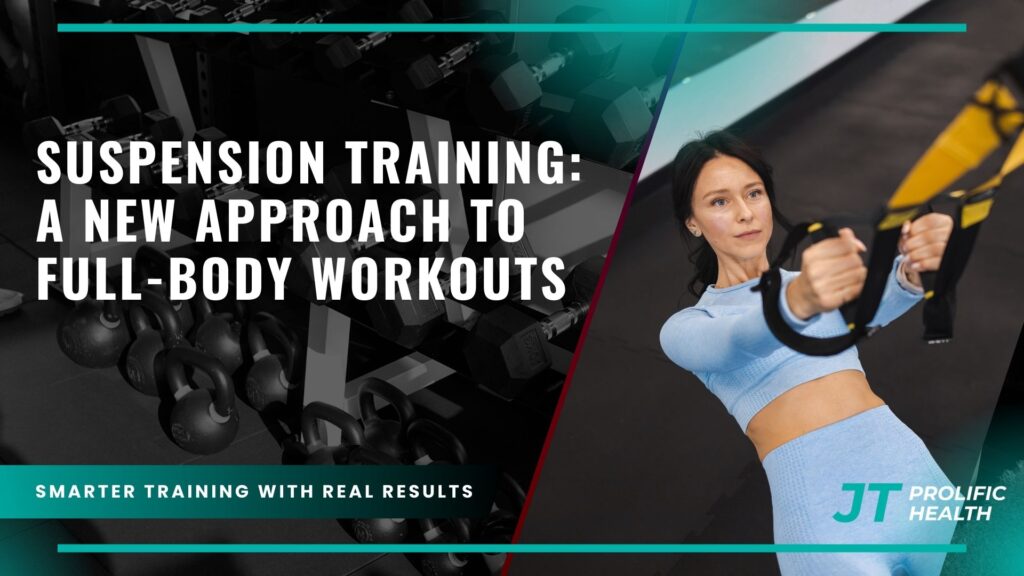
Suspension training has revolutionized the fitness industry by offering a versatile, equipment-efficient approach to full-body conditioning that challenges traditional workout methodologies. This innovative training system utilizes body weight and gravity as primary resistance sources, creating an unstable environment that forces multiple muscle groups to work simultaneously for stabilization and movement execution.
The beauty of suspension training lies in its accessibility and adaptability. Whether you’re a fitness novice taking your first steps into structured exercise or an elite athlete seeking to enhance performance, suspension systems can be adjusted to accommodate virtually any fitness level. The equipment’s portability means workouts can happen anywhere – from your living room to a local park, eliminating common barriers to consistent exercise.
What sets suspension training apart from conventional workout methods is its emphasis on functional movement patterns that translate directly to real-world activities. Unlike isolated muscle exercises performed on machines, suspension training demands core engagement, balance, and coordination throughout every movement. This comprehensive approach not only builds strength but also improves mobility, stability, and neuromuscular control.
The science behind suspension training reveals why it’s so effective. By creating an unstable training environment, your body must constantly adjust and adapt to maintain proper positioning. This continuous micro-adjustment process activates stabilizing muscles that often remain dormant during traditional exercises, leading to improved overall functional strength and reduced injury risk.
For personal trainers and fitness enthusiasts in Richmond and Vancouver, suspension training represents an opportunity to maximize workout efficiency while minimizing equipment needs. A single suspension trainer can replace an entire gym’s worth of equipment, making it an ideal solution for home gyms, outdoor training sessions, or space-limited facilities.
Key Takeaways
For additional context, see this comprehensive guide.
- Versatility and Scalability: Suspension training accommodates all fitness levels through simple angle adjustments and body positioning modifications. Beginners can start with more upright positions for reduced resistance, while advanced users can increase difficulty by changing leverage and adding dynamic movements.
- Full-Body Integration: Every suspension exercise engages multiple muscle groups simultaneously, promoting functional strength development that translates to improved daily activities and athletic performance. This integration approach maximizes workout efficiency and time investment.
- Core Stability Enhancement: The unstable nature of suspension training forces constant core engagement, developing deep stabilizing muscles that traditional exercises often miss. This enhanced core stability contributes to better posture, reduced back pain, and improved overall movement quality.
- Space and Equipment Efficiency: A single suspension trainer weighs less than two pounds yet provides hundreds of exercise possibilities. This portability makes consistent training possible regardless of location, travel schedule, or available space constraints.
- Injury Prevention and Rehabilitation: The controlled instability of suspension training helps identify and correct movement imbalances while strengthening supporting muscles around joints. Many physical therapists incorporate suspension training into rehabilitation protocols for this reason.
- Progressive Overload Opportunities: Unlike fixed-weight equipment, suspension training allows for infinite progression possibilities through angle changes, tempo variations, range of motion modifications, and single-limb variations, ensuring continued challenge and adaptation.
Understanding Suspension Training Fundamentals
For additional context, see detailed information on this topic.
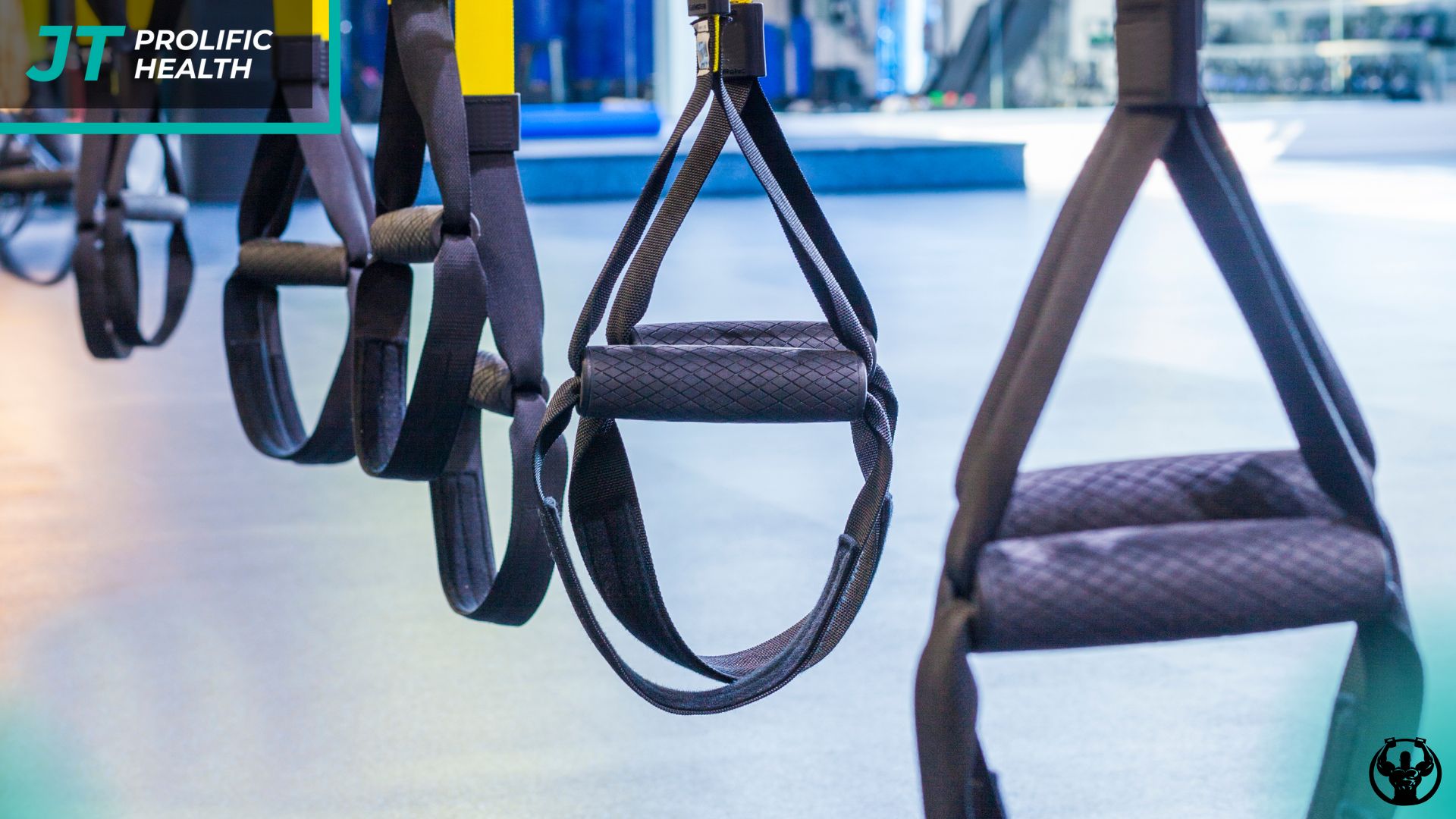
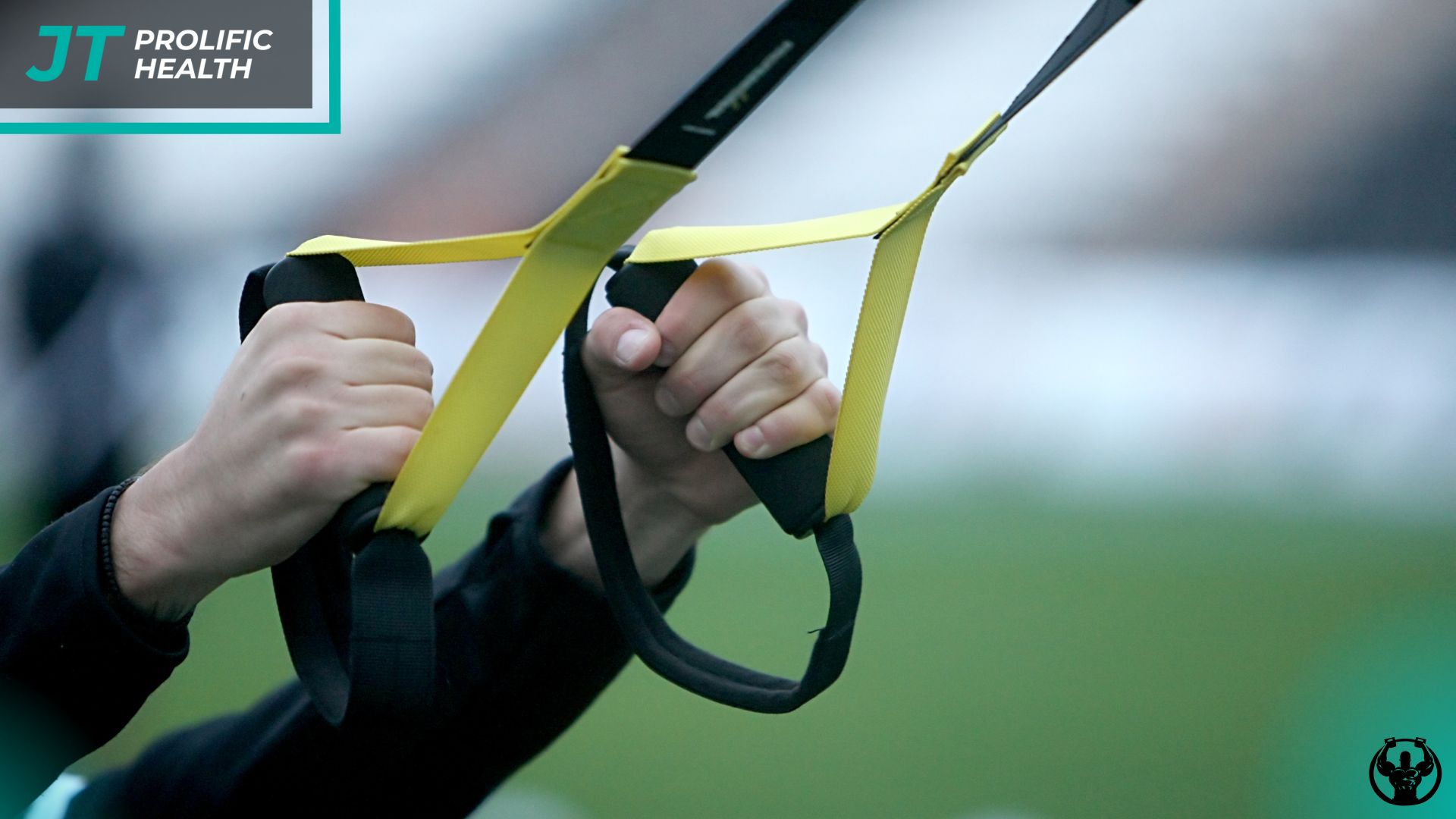
Suspension training operates on the principle of leveraging body weight and gravity to create resistance while maintaining an unstable training environment. The system consists of adjustable straps with handles and foot cradles that anchor to a secure point above or in front of the user. This setup creates a pendulum effect where the user’s body position relative to the anchor point determines exercise difficulty.
The fundamental concept revolves around the manipulation of leverage and stability. When you position your body closer to being underneath the anchor point, exercises become easier due to reduced load and increased stability. Conversely, moving your body further away from the anchor point increases the load and decreases stability, making exercises more challenging.
Vector training forms the backbone of suspension exercise methodology. Unlike traditional weights that work primarily against gravity in a vertical plane, suspension training allows for multi-planar movement patterns that mirror real-world activities. This three-dimensional approach to resistance training develops strength in all planes of motion while improving coordination and proprioception.
The instability factor distinguishes suspension training from other resistance methods. Your body must constantly make micro-adjustments to maintain proper positioning, activating stabilizing muscles throughout the kinetic chain. This continuous stabilization demand enhances neuromuscular control and develops functional strength that transfers directly to athletic performance and daily activities.
Understanding the anchor point’s role is crucial for safe and effective suspension training. The anchor must be secure and positioned at an appropriate height for the intended exercises. Most suspension systems require an anchor point capable of supporting at least 300 pounds and positioned between seven to nine feet above the ground for optimal versatility.
Essential Suspension Training Exercises for Beginners
For additional context, see our in-depth resource.
Starting your suspension training journey requires mastering fundamental movement patterns that form the foundation for more advanced exercises. These beginner-friendly movements focus on proper form, body awareness, and gradual strength development while introducing the unique challenges of unstable resistance training.
The suspension squat serves as an excellent introduction to lower body suspension training. By holding the handles while performing a squat motion, beginners can use the straps for balance assistance while learning proper squat mechanics. The straps provide stability feedback, helping users maintain proper knee tracking and weight distribution. As strength and confidence improve, reliance on the straps can be gradually reduced.
Upper body development begins with the suspension row, a versatile pulling exercise that targets the back, biceps, and posterior deltoids. By adjusting body angle, beginners can start with an easier, more upright position and progress to more challenging horizontal positions as strength develops. This exercise teaches proper pulling mechanics while developing the posterior chain muscles often neglected in traditional training programs.
The suspension chest press introduces pushing movements in an unstable environment. Starting with a more upright body position reduces the load while allowing beginners to focus on maintaining core stability throughout the movement. This exercise develops chest, shoulder, and tricep strength while challenging core stability in ways traditional push-ups cannot achieve.
Core-specific exercises like the suspension plank and knee tuck provide targeted abdominal training with built-in progression options. The suspension plank challenges core stability more than floor planks due to the unstable foot support, while knee tucks add dynamic movement to core training. These exercises develop both strength and coordination in the core musculature.
Balance and stability training through single-leg exercises introduces unilateral movement patterns early in the learning process. Single-leg squats with suspension support help develop leg strength while improving balance and proprioception. These exercises identify and address strength imbalances between limbs while building functional stability.
For those just beginning their fitness journey, understanding how to properly prepare for training sessions can significantly impact the effectiveness and safety of suspension training workouts.
Advanced Suspension Training Techniques and Progressions
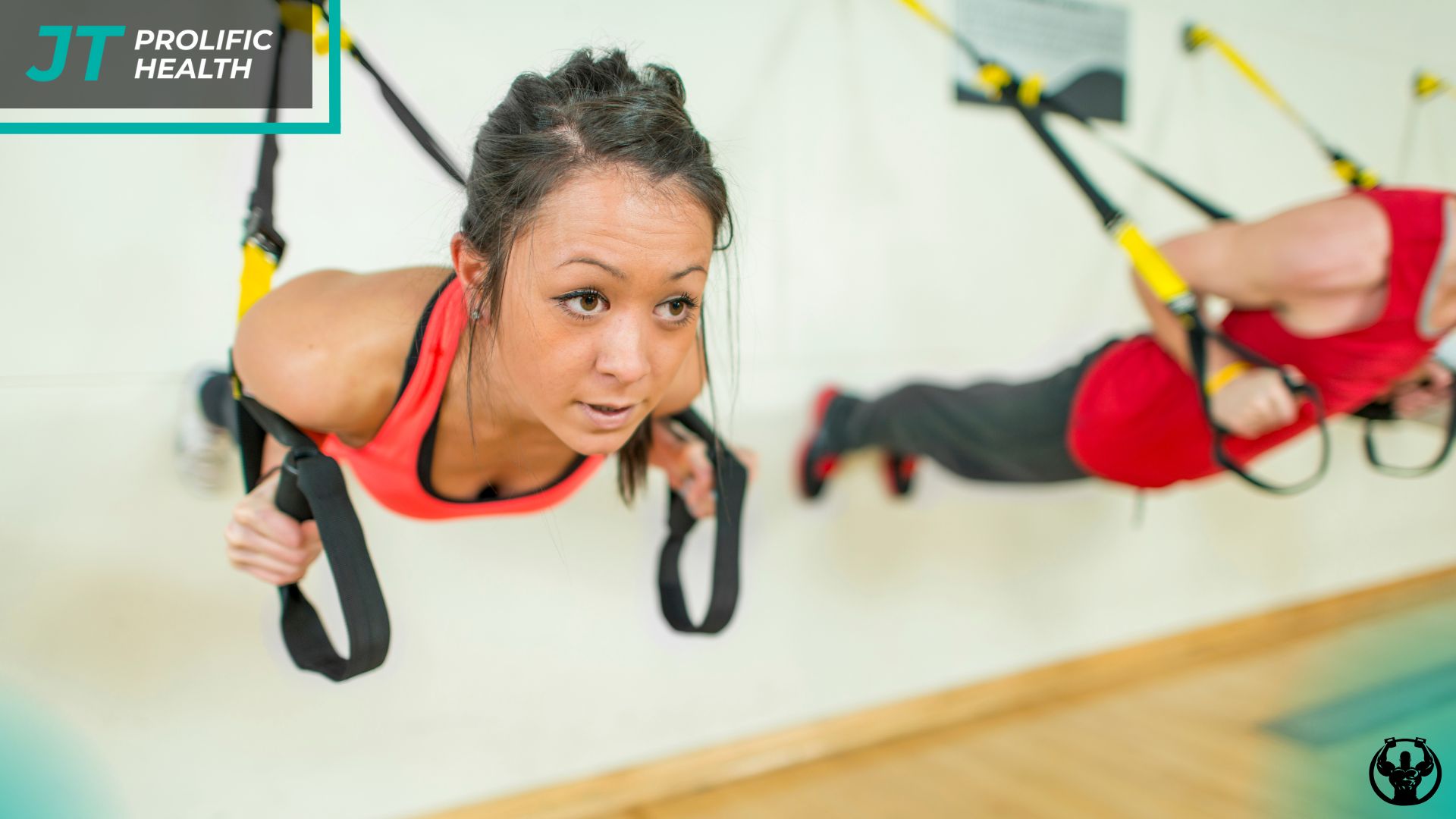
Advanced suspension training transcends basic movements by incorporating complex movement patterns, increased instability, and higher strength demands. These progressions challenge experienced users while developing elite-level functional strength, power, and coordination that directly transfers to athletic performance and advanced fitness goals.
Plyometric suspension exercises represent the pinnacle of explosive power development within this training modality. Suspension jump squats, explosive push-ups, and power pulls integrate the stretch-shortening cycle while maintaining the instability challenge inherent to suspension training. These movements develop reactive strength and neuromuscular power that traditional plyometric exercises cannot match due to the added stability demands.
Single-limb variations of traditional exercises create significant progression opportunities for advanced users. Single-arm rows, one-leg squats, and unilateral chest presses not only increase strength demands but also challenge core stability and coordination to extreme levels. These exercises expose and address strength imbalances while developing unilateral strength crucial for athletic performance.
Multi-planar movement combinations integrate several movement patterns into fluid sequences that challenge coordination, strength, and cardiovascular fitness simultaneously. Examples include rotation-to-row combinations, squat-to-overhead press sequences, and lunge-to-rotation patterns. These complex movements develop the movement variability and adaptability required for real-world activities and sports performance.
Suspension training with external load adds another dimension to advanced programming. Wearing a weighted vest or holding dumbbells while performing suspension exercises increases absolute strength demands while maintaining the stability challenges. This combination approach maximizes strength development while preserving the functional movement benefits of suspension training.
Time-based progressions introduce metabolic challenges that transform strength exercises into cardiovascular conditioning tools. Interval protocols, density training, and circuit formats using suspension exercises create intense metabolic demands while maintaining strength and stability benefits. These approaches make suspension training suitable for comprehensive fitness development.
Advanced practitioners often benefit from understanding optimal training frequency principles to maximize adaptation while preventing overtraining in these demanding exercise protocols.
Suspension Training Program Design and Periodization
Effective suspension training program design requires understanding how to manipulate training variables to achieve specific fitness goals while accommodating the unique characteristics of unstable resistance training. Unlike traditional programming that relies primarily on load manipulation, suspension training programs must consider body position, stability demands, and movement complexity as primary progression tools.
Periodization in suspension training follows similar principles to conventional resistance training but with modified application methods. Linear periodization might progress from stable, assisted movements to unstable, unassisted variations over several weeks. Undulating periodization could alternate between strength-focused sessions using challenging body angles and endurance-focused sessions using higher repetitions with easier angles.
Volume progression in suspension training occurs through multiple pathways. Repetition increases, set additions, and exercise density improvements all contribute to progressive overload. However, suspension training also allows for unique volume progressions through range of motion increases, stability reductions, and movement complexity additions that don’t exist in traditional training modalities.
Intensity manipulation requires creative approaches since external load cannot be easily adjusted. Body angle changes, single-limb variations, tempo modifications, and stability challenges all serve as intensity modulators. Advanced programs might combine multiple intensity techniques within single exercises, such as performing slow eccentric suspension squats with single-leg emphasis.
Recovery considerations become particularly important in suspension training due to the high neuromuscular demands of unstable training environments. The constant stabilization requirements can create significant central nervous system fatigue that may not be immediately apparent through traditional muscle soreness indicators. Programs must account for this hidden fatigue through appropriate rest intervals and recovery weeks.
Specificity principles guide exercise selection based on individual goals and needs. Athletic populations might emphasize multi-planar movements and explosive exercises, while general fitness clients could focus on fundamental movement patterns and progressive strength development. Understanding client goals and current capabilities ensures appropriate exercise selection and progression.
Professional trainers developing suspension training programs should consider established documentation standards for tracking client progress and program modifications throughout the training process.
Integrating Suspension Training with Other Fitness Modalities
Modern fitness programming increasingly emphasizes the integration of multiple training modalities to create comprehensive, well-rounded fitness development. Suspension training serves as an excellent complement to various other exercise methods, enhancing their effectiveness while addressing potential limitations or gaps in traditional training approaches.
Combining suspension training with kettlebell training creates a powerful synergy that maximizes functional strength development while improving cardiovascular fitness. Kettlebell exercises excel at developing hip hinge patterns, rotational power, and metabolic conditioning, while suspension training enhances upper body pulling strength, core stability, and unilateral movement patterns. Together, these modalities provide comprehensive functional fitness development.
The integration might involve alternating exercises within circuits, such as performing kettlebell swings followed immediately by suspension rows, or dedicating specific training days to each modality. This combination approach ensures balanced development across all movement patterns while maintaining training variety and engagement.
Traditional strength training and suspension training complement each other exceptionally well when properly programmed. Heavy compound movements like squats, deadlifts, and bench presses develop absolute strength and muscle mass, while suspension exercises enhance movement quality, stability, and functional strength application. Many successful programs use suspension training as warm-up preparation, active recovery, or finisher exercises alongside traditional strength training.
Cardiovascular training integration transforms suspension exercises into powerful conditioning tools. High-intensity interval protocols using suspension exercises can provide cardiovascular benefits while maintaining strength and stability development. This approach maximizes training efficiency for time-constrained individuals while addressing multiple fitness components simultaneously.
Yoga and mobility work pair naturally with suspension training due to shared emphasis on body awareness, control, and functional movement patterns. Suspension-assisted stretching can enhance flexibility development while providing support for challenging positions. The mindful movement approach common to both modalities creates natural programming synergies.
Sport-specific training benefits significantly from suspension training integration. The unstable environment and multi-planar movement capabilities of suspension training closely mimic the unpredictable demands of most sports. Athletes can use suspension training to develop sport-specific strength patterns while improving injury resistance through enhanced stability and movement quality.
For fitness professionals looking to expand their service offerings, developing entrepreneurship skills alongside technical expertise can help successfully integrate multiple training modalities into comprehensive client programs.
Frequently Asked Questions
How often should I perform suspension training workouts?
Suspension training frequency depends on your fitness level, goals, and other activities. Beginners should start with 2-3 sessions per week, allowing at least one day of rest between sessions for proper recovery. Advanced users can train more frequently, up to 4-5 times per week, by varying intensity and focus areas. The high neuromuscular demands of unstable training require adequate recovery time.
Can suspension training replace traditional gym workouts completely?
Suspension training can provide a comprehensive workout covering all major movement patterns and muscle groups. However, it may not fully replace heavy resistance training for maximum strength development or provide the same muscle-building stimulus as traditional weightlifting. For general fitness, weight loss, and functional strength, suspension training can serve as a complete solution.
What equipment do I need to get started with suspension training?
The primary equipment needed is a quality suspension trainer system with adjustable straps, handles, and foot cradles. You’ll also need a secure anchor point such as a door anchor, ceiling mount, or outdoor anchor. Optional accessories include extension straps for outdoor use and protective sleeves for tree anchoring. The entire system typically weighs less than two pounds.
Is suspension training suitable for people with joint problems?
Suspension training can be joint-friendly due to its ability to accommodate limited ranges of motion and provide assistance through strap support. However, individuals with joint issues should consult healthcare providers before beginning any new exercise program. The adjustable nature of suspension training often allows for modifications that work around joint limitations while still providing effective exercise.
How do I know if I’m progressing in my suspension training?
Progress in suspension training can be measured through multiple indicators: increased repetitions, more challenging body angles, improved stability and control, reduced reliance on strap assistance, and successful completion of more advanced exercise variations. Unlike traditional weight training, progress isn’t always measured by load increases but rather by movement quality and exercise complexity improvements.
What are the most common mistakes beginners make with suspension training?
Common beginner mistakes include choosing body angles that are too challenging initially, neglecting proper form for increased difficulty, insufficient warm-up preparation, and progressing too quickly through exercise variations. Many beginners also underestimate the core strength requirements and fatigue more quickly than expected. Starting conservatively and focusing on movement quality prevents these issues.
Can suspension training help with weight loss goals?
Suspension training can be highly effective for weight loss when combined with proper nutrition. The full-body nature of suspension exercises burns significant calories while building lean muscle mass, which increases metabolic rate. High-intensity suspension training circuits can provide both strength and cardiovascular benefits, maximizing calorie burn during and after workouts. Many people find professional nutrition guidance helpful for optimizing weight loss results.
How does suspension training compare to other bodyweight exercises?
Suspension training offers advantages over traditional bodyweight exercises through infinite scalability, increased instability challenges, and greater exercise variety. While traditional bodyweight exercises like push-ups and squats are limited by fixed body positions, suspension training allows for precise difficulty adjustments and unique movement patterns impossible with floor-based exercises. The instability factor also provides enhanced core engagement and functional strength development.
Conclusion
Suspension training represents a paradigm shift in fitness methodology, offering a versatile, efficient, and highly effective approach to full-body conditioning that transcends traditional exercise limitations. Its unique combination of instability, scalability, and functional movement patterns makes it an invaluable tool for individuals across all fitness levels and goals.
The evidence supporting suspension training’s effectiveness continues to grow, with research demonstrating its benefits for strength development, core stability, balance improvement, and injury prevention. The system’s ability to provide comprehensive fitness development using minimal equipment makes it particularly relevant in our increasingly mobile and space-constrained world.
For fitness professionals and enthusiasts in Richmond and Vancouver, suspension training offers opportunities to maximize training efficiency while providing clients with engaging, challenging workouts that produce measurable results. The system’s versatility allows for endless program variations, preventing staleness while continuously challenging the body in new ways.
At Prolific Health, we recognize suspension training as a cornerstone of modern functional fitness programming. Whether you’re a beginner seeking an accessible entry into structured exercise or an advanced athlete looking to enhance performance, suspension training provides the tools necessary for achieving your goals. The investment in learning proper suspension training techniques pays dividends through improved movement quality, enhanced strength, and better overall fitness.
As the fitness industry continues evolving toward more functional, practical approaches to exercise, suspension training stands out as a methodology that bridges the gap between traditional strength training and real-world movement demands. Its adoption into your fitness routine represents a commitment to comprehensive, sustainable fitness development that will serve you well throughout your health and wellness journey.