
For many people, the phrase “personal trainer” conjures images of drill sergeants screaming at clients to do one more burpee. Or perhaps you picture a gym rat with a clipboard, counting reps while checking their phone. If this has been your exposure to the industry, it is natural to be skeptical and to wonder what is personal fitness training really about. However, for the busy professional balancing a career, family, and mortgage, this outdated stereotype misses the mark entirely.
So, what is personal fitness training when stripped of the “grind culture” hype? It is a professional partnership designed to bridge the gap between where you are and where you want to be. It is not about destroying your body in the gym; it is about building a body that supports your life outside of it. At Prolific Health, we define it as a strategic management system for your physical longevity, ensuring you have the energy to perform at your peak without burning out.
Key Takeaways
-
Strategic Partnership: Personal training is a collaborative relationship, not just a supervised workout.
-
Injury Prevention: Expert oversight significantly reduces the risk of injury compared to unguided exercise.
-
Efficiency: Customized programming maximizes results in less time, respecting your busy schedule.
-
Holistic Focus: True coaching integrates sleep, stress management, and nutrition, not just lifting weights.
-
Accountability: A coach provides the consistent support system needed to turn sporadic bursts of effort into lifelong habits.
-
Adaptability: Programs adjust in real-time based on your daily energy levels and life stressors.
Overview
In this guide, we will move beyond the dictionary definition to explore what is personal fitness training in a practical, modern context. We will examine how professional coaching integrates fitness, recovery, and mindset to create a sustainable lifestyle. You will learn why the “no pain, no gain” mentality is often counterproductive for high-performers and how a data-driven approach leads to better health outcomes. We also discuss the limitations of the DIY approach and why investing in expert guidance is the safest path forward. Finally, we answer common questions and explain how we help you reclaim your vitality.
Defining the Practice: More Than Just Reps
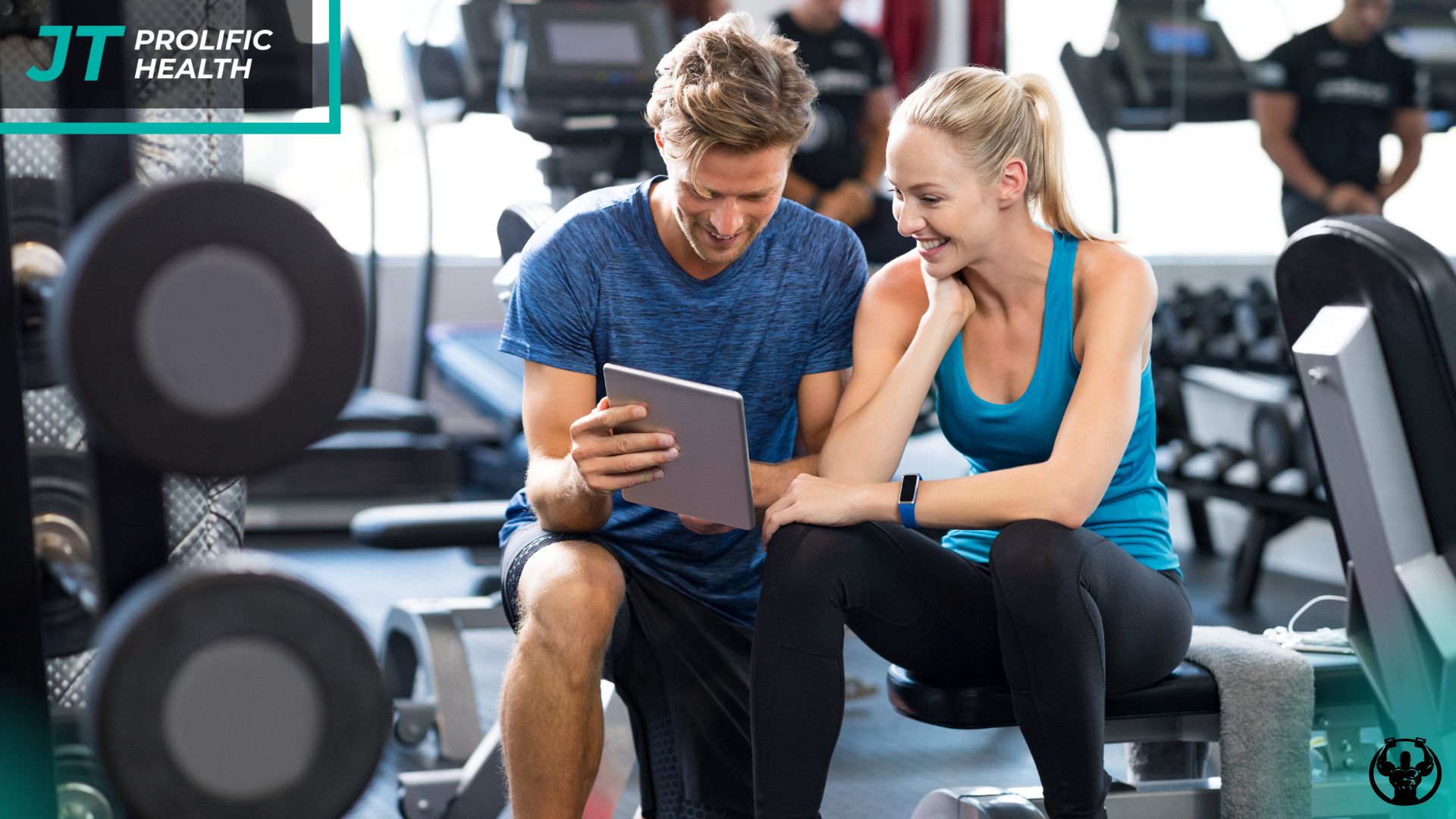
At its core, personal fitness training is the application of exercise science to an individual’s specific needs. It involves assessing your current biomechanics, medical history, and goals to create a roadmap for success. But for us, it goes deeper.
What is personal fitness training if not an education in your own physiology? A qualified coach teaches you why you are doing a movement, not just how. This empowerment allows you to move with confidence in your daily life, whether you are lifting a suitcase or playing with your children. According to the American Council on Exercise (ACE), working with a certified professional ensures your program adheres to safety standards and is rooted in evidence-based practice rather than social media trends. Discover The Science of Effective Movement.
The Holistic Ecosystem: Recovery and Mindset

Physical exertion is only one variable in the equation of health. If you train hard but sleep poorly and manage stress ineffectively, your progress will stall. This is where the distinction between a “trainer” and a “coach” becomes clear.
Prioritizing Recovery
For busy professionals, recovery is often the missing link. Training applies stress to the body; growth happens during rest. We monitor your recovery metrics—like sleep quality and daily energy—to adjust your training intensity. If you walk into a session after a sleepless night, a skilled coach will pivot from a high-intensity session to mobility work or active recovery. Research from the Journal of Sports Science & Medicine highlights that monitoring fatigue is essential for preventing overtraining and injury.
Cultivating a Growth Mindset
Your mindset determines your longevity in fitness. We often see clients who are “all or nothing.” They either workout six days a week or not at all. Our role is to shift that perspective. We help you view fitness as a lifelong practice, not a 6-week challenge. Read more about Mindset Shifts for Long-Term Success.
Why “Grind Culture” Fails Busy People
There is a prevailing narrative that you must feel pain to see progress. Phrases like “No Pain, No Gain” are deeply embedded in fitness marketing. However, for the general population, this mentality is often dangerous.
If your job involves high cognitive stress, adding extreme physical stress (like daily high-intensity interval training) can lead to adrenal fatigue or hormonal imbalances. In this context, effective training acts as a regulator. We often find ourselves telling high-achievers to do less in the gym so they can achieve more in their overall health.
-
Cortisol Management: Excessive intensity can chronically elevate cortisol, hindering fat loss and sleep.
-
Sustainability: You might sustain a “grind” regimen for a month, but rarely for a decade.
-
Safety: High-fatigue workouts with poor form are a primary cause of gym-related injuries.
By rejecting the grind in favor of progressive overload and proper technique, you protect your joints and energy reserves. Learn Why Rest Is Productive.
The Limitations of DIY Fitness
We understand the appeal of independent workouts. Apps are cheap, and running outside is free. However, the DIY route lacks two critical components: objective feedback and adaptability.
When you train alone, you cannot see your own spinal alignment during a deadlift. You might not notice the subtle compensations your body makes to lift a weight, which can lead to chronic pain months down the line. Furthermore, a static PDF program cannot ask you how your day was and adjust the volume accordingly.
Investing in coaching services—whether private or small group—outsources that decision-making. It changes the dynamic from “I hope I’m doing this right” to “I know I’m on the right path.” That shift is often the difference between failure and success. Explore The Hidden Costs of DIY Fitness.
Integrating Health into a Busy Schedule
The final piece of the puzzle is logistics. How do you fit health into a 60-hour work week? This is where strategic programming shines.
We focus on high-yield movements. Compound exercises like squats, presses, and rows deliver more benefit per minute than isolation exercises. By optimizing your time in the gym, you have more time for your career and family. The National Strength and Conditioning Association (NSCA) supports the efficacy of time-efficient resistance training for improving health markers in busy adults. See our approach to Time-Efficient Workouts for Parents.
Prolific Health Address: 7471 Blundell Road, Richmond, BC, V6Y1J6, Canada Phone: +1 604 818 6123 Founder/Lead Trainer: Jason Tam
If you are ready to stop guessing and start progressing, we invite you to experience the difference professional guidance makes. What is personal fitness training if not the smartest investment you can make in your future self? Would you like to schedule a consultation with us to discuss your goals?
Common Questions About What Is Personal Fitness Training
Q: Do I need to be in shape before hiring a trainer?
A: Absolutely not. This is a common misconception. Trainers are educated to work with individuals at all starting points, including complete beginners. Your program will be built around your current capability, ensuring a safe and gradual progression.
Q: How often should I meet with a trainer?
A: Frequency depends on your goals, budget, and schedule. Most clients find that 2–3 sessions per week provide the best balance of accountability and results. However, even one session a week can be effective if you follow a structured plan on your own days.
Q: Is personal training only for weight loss?
A: No. While weight loss is a common goal, training also addresses strength, mobility, pain reduction, and mental health. Many busy professionals train specifically to improve their energy levels and manage work-related stress, regardless of the number on the scale.
Q: What is the difference between a gym instructor and a personal trainer?
A: A gym instructor usually offers general advice to all members on the gym floor. A personal trainer provides a specific, long-term plan customized to your body and goals. The relationship is deeper, more focused, and driven by specific metrics.
Q: Can a personal trainer help with my diet?
A: Yes, to an extent. Trainers can provide nutritional guidance and help you build healthy eating habits. However, for specific medical nutrition therapy or detailed meal plans to treat conditions, a Registered Dietitian is the appropriate referral.
Q: What happens during the first session?
A: The first session is typically an assessment. We discuss your medical history, lifestyle, and goals. We then perform a movement screen to check for imbalances or mobility restrictions. This data allows us to build your safety profile and program.
Q: Is personal training safe if I have an old injury?
A: Yes, it is often the safest way to exercise post-injury. A qualified trainer works around your limitations and can help strengthen the surrounding areas. We often collaborate with physiotherapists to ensure your training supports your rehabilitation.
Q: How long does it take to see results?
A: You may feel mental and energy improvements within two weeks. Physiological changes, such as strength gains and body composition shifts, typically become noticeable after 6–12 weeks of consistent effort. Patience and consistency are key.
Conclusion
Understanding what is personal fitness training reveals that it is far more than a luxury for the wealthy or a necessity for athletes. It is a vital tool for anyone who wants to manage the demands of modern life with strength and energy. By prioritizing safety, recovery, and expert strategy, you protect your most valuable asset: your body.
Don’t let another year pass you by with “start and stop” fitness attempts. The path to a healthier, more capable you begins with a structured plan and the right support system.
Ready to build a stronger, healthier future? Contact Prolific Health today to book your initial assessment.