
What to Expect After Fitness Workshop Completion: Importance of Fitness Equipment Upgrades: Completing a fitness workshop marks a significant milestone in your health and wellness journey. Whether you’ve just finished a specialized training program, certification course, or comprehensive fitness education series, the period immediately following fitness workshop completion is crucial for maintaining momentum and applying your newly acquired knowledge. Many participants find themselves wondering what comes next and how to effectively transition from structured learning to independent practice.
The transformation that occurs during intensive fitness education extends far beyond the final day of instruction. Your body has adapted to new movement patterns, your mind has absorbed evidence-based training principles, and your confidence in exercise execution has grown substantially. However, the real test begins when you step out of the supportive workshop environment and into the real world of consistent, long-term fitness practice.
Understanding what to expect after fitness workshop completion helps you prepare for both the opportunities and challenges ahead. The knowledge gained during your workshop represents the foundation upon which you’ll build your ongoing fitness success. This transition period requires careful planning, realistic expectations, and a clear strategy for maintaining the habits and skills you’ve developed.
The immediate aftermath of workshop completion often brings a mix of excitement and uncertainty. You’re energized by new possibilities yet may feel overwhelmed by the responsibility of self-directed practice. This emotional rollercoaster is entirely normal and represents the natural progression from guided learning to independent application. Recognizing these feelings as part of the process helps you navigate this transition more effectively.
Your post-workshop experience will largely depend on the type of program you completed, your personal fitness goals, and how well you prepare for the transition. Some workshops focus on specific techniques or methodologies, while others provide comprehensive lifestyle overhauls. Regardless of the scope, the principles of gradual implementation, consistent practice, and ongoing education remain constant across all fitness workshop experiences.
Key Takeaways
For additional context, see this comprehensive guide.
- Gradual Implementation: Avoid attempting to implement every workshop lesson simultaneously. Instead, focus on integrating 2-3 key concepts per week to ensure sustainable adoption of new habits and techniques.
- Continued Education: Workshop completion represents the beginning, not the end, of your fitness education. Plan to revisit workshop materials regularly and seek additional learning opportunities to deepen your understanding.
- Community Connection: Maintain relationships with fellow workshop participants and instructors. These connections provide ongoing support, accountability, and motivation as you apply your new knowledge.
- Progress Tracking: Establish clear metrics for measuring your post-workshop progress. Document your workouts, physical improvements, and how you feel to maintain motivation and identify areas for adjustment.
- Professional Support: Consider working with qualified fitness professionals who can help you refine techniques learned during the workshop and provide personalized guidance for your specific goals and circumstances.
- Realistic Expectations: Understand that skill development and physical improvements take time. Set realistic timelines for achieving your goals and celebrate small victories along the way.
- Adaptation Period: Allow 4-6 weeks for your body and mind to fully adapt to new routines and techniques. During this period, focus on consistency over intensity.
- Resource Accessibility: Organize workshop materials, notes, and resources in an easily accessible format. Create a reference system that allows quick consultation when questions arise during independent practice.
Overview of Post-Workshop Expectations

For additional context, see detailed information on this topic.
The immediate period following fitness workshop completion typically spans 4-8 weeks, during which your body and mind adjust to the new information and practices you’ve learned. This transition phase is characterized by both exciting discoveries and occasional setbacks as you work to integrate workshop teachings into your daily routine. Understanding this timeline helps set realistic expectations and prevents discouragement when progress feels slower than anticipated.
Physical adaptations continue well beyond the workshop’s end date. Your muscles, cardiovascular system, and nervous system require time to fully adapt to new movement patterns and training intensities introduced during the program. Many participants notice continued improvements in strength, flexibility, and endurance for several weeks after completion, especially when they maintain consistent practice of workshop techniques.
Mental and emotional changes often prove more profound than physical transformations. The confidence gained through mastering new skills, the satisfaction of achieving workshop goals, and the expanded understanding of fitness principles contribute to a more positive relationship with exercise. However, some participants also experience temporary anxiety about maintaining progress without constant instructor guidance.
The knowledge retention curve following intensive education shows that without reinforcement, people typically forget 50% of new information within 24 hours and up to 90% within a week. This reality underscores the importance of having a structured plan for reviewing and applying workshop content in the days and weeks following completion. Regular practice and deliberate review help cement learning and prevent valuable insights from fading.
Social dynamics shift significantly after workshop completion. The camaraderie and shared experience of learning alongside others gives way to more independent practice. Some participants thrive in this newfound autonomy, while others miss the built-in accountability and motivation that group settings provide. Planning for this social transition helps maintain engagement and prevents isolation from derailing progress.
Physical Changes and Adaptations
For additional context, see our in-depth resource.
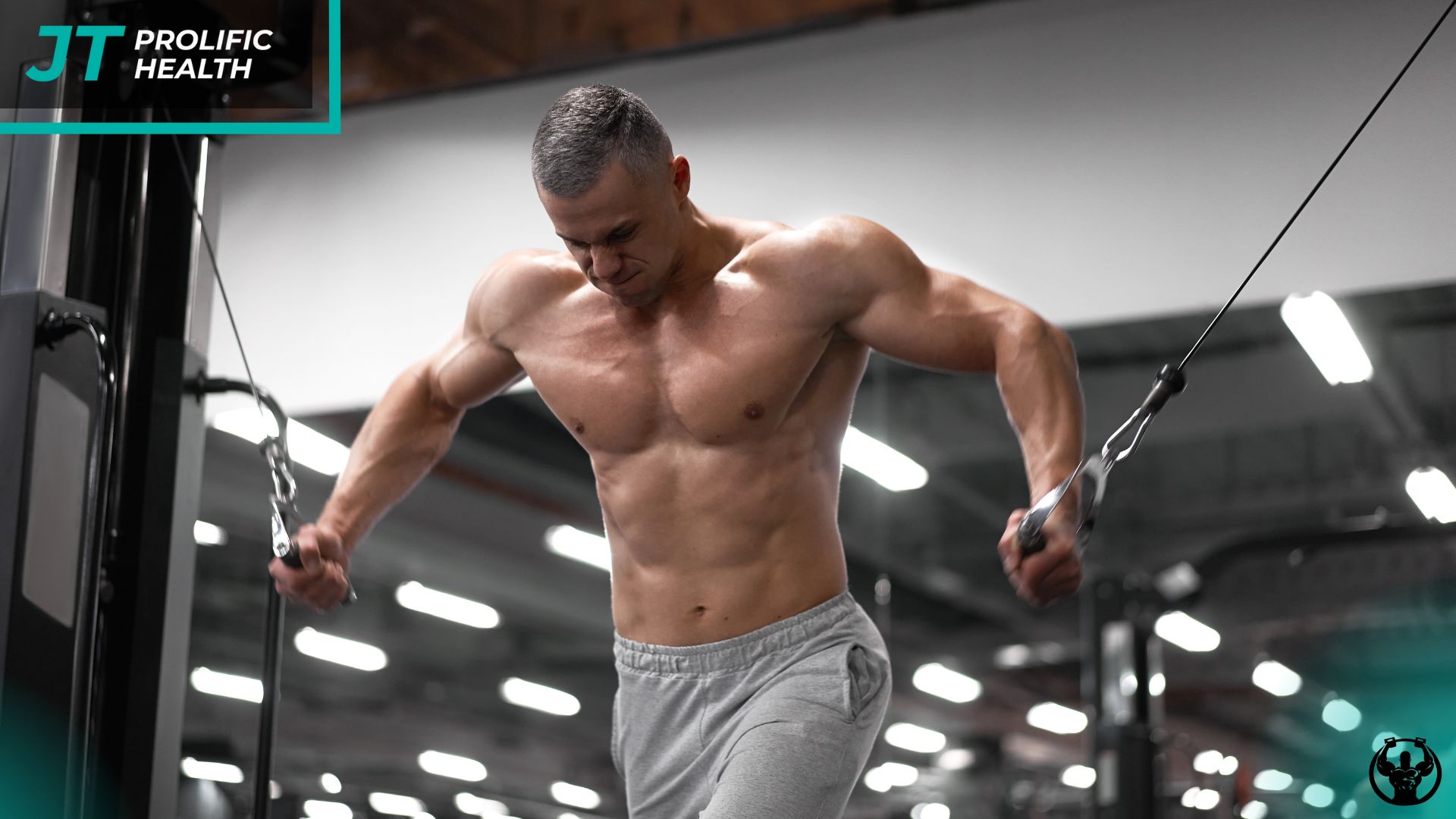
Your body continues adapting to the training stimulus introduced during the workshop for several weeks after completion. These ongoing physical changes represent the delayed effects of consistent practice and proper technique application. Muscle memory, developed through repetitive practice during the workshop, becomes more refined as your nervous system optimizes movement patterns and coordination improves naturally over time.
Strength gains often plateau temporarily in the first 2-3 weeks post-workshop as your body consolidates the neural adaptations that occurred during intensive training. This plateau doesn’t indicate regression but rather represents a natural consolidation phase where your body integrates new movement patterns and prepares for continued progress. Understanding this pattern prevents unnecessary concern when immediate post-workshop gains seem to stall.
Flexibility and mobility improvements typically continue for 4-6 weeks after workshop completion, provided you maintain consistent stretching and movement practices learned during the program. The soft tissue adaptations initiated during the workshop require ongoing stimulus to become permanent changes. Daily application of mobility techniques ensures these improvements don’t reverse due to neglect.
Cardiovascular adaptations show perhaps the most dramatic continued improvement post-workshop. Your heart’s efficiency, lung capacity, and overall endurance often continue improving for 6-8 weeks following completion, especially if the workshop included progressive cardiovascular training components. This delayed improvement occurs as your body’s oxygen delivery systems optimize in response to consistent training stimulus.
Energy levels frequently fluctuate during the first month after workshop completion. Some days you’ll feel incredibly energized and motivated to train, while others may bring fatigue or decreased enthusiasm. These fluctuations are normal as your body adjusts to new training volumes and intensities. Maintaining consistent sleep, nutrition, and hydration helps stabilize energy levels during this transition period.
Recovery patterns also shift as your body adapts to new training demands. You might notice changes in how quickly you recover from workouts, how your muscles feel the day after training, or how much sleep you need for optimal performance. Paying attention to these recovery signals helps you adjust training intensity and frequency to match your body’s current adaptation capacity.
For those considering working with fitness professionals to optimize their post-workshop progress, understanding when professional guidance becomes beneficial can help determine if additional support would accelerate your continued development and ensure proper technique maintenance.
Mental and Emotional Adjustments
The psychological impact of fitness workshop completion extends far beyond the physical realm, creating lasting changes in how you perceive your capabilities and relationship with exercise. Confidence levels typically experience significant boosts as you realize your ability to master new skills and overcome physical challenges you previously thought impossible. This newfound self-efficacy often spills over into other areas of life, creating a positive feedback loop of personal growth and achievement.
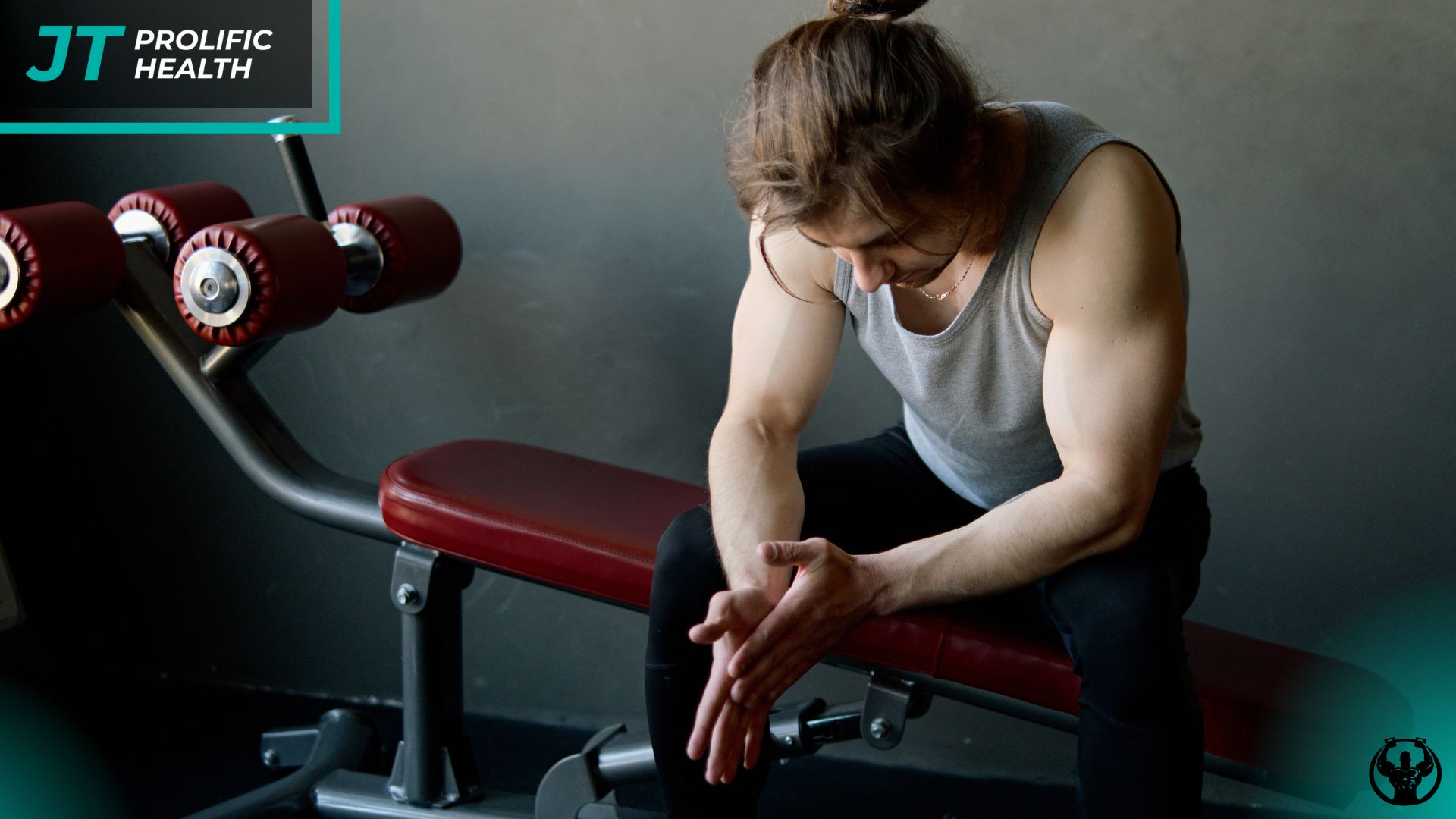
However, the transition from structured guidance to self-directed practice can trigger anxiety in some participants. The safety net of constant instructor feedback and peer support disappears, leaving you responsible for maintaining proper form, choosing appropriate progressions, and staying motivated without external accountability. This independence anxiety is temporary and diminishes as you gain confidence in your ability to apply workshop teachings effectively.
Goal-setting perspectives often shift dramatically after workshop completion. What once seemed like impossible aspirations now appear achievable through the systematic approach learned during the program. Many participants find themselves setting more ambitious yet realistic goals, armed with the knowledge and tools necessary to pursue them methodically. This goal evolution represents healthy growth in your fitness mindset and long-term vision.
Motivation patterns typically follow a predictable cycle post-workshop. Initial enthusiasm remains high for 1-2 weeks, followed by a potential dip as the novelty wears off and reality sets in. This motivation valley, occurring around weeks 3-4 post-completion, tests your commitment to the principles learned during the workshop. Anticipating this pattern helps you prepare strategies for maintaining consistency during challenging periods.
The relationship with failure and setbacks transforms significantly after comprehensive fitness education. Workshop participants often develop greater resilience and perspective, viewing temporary setbacks as learning opportunities rather than personal failures. This mindset shift proves crucial for long-term success, as it prevents minor obstacles from derailing entire fitness journeys.
Social confidence in fitness environments increases substantially after workshop completion. Armed with proper knowledge and technique, you’ll feel more comfortable in gyms, fitness classes, and other exercise settings. This confidence enables you to explore new activities and challenges that might have felt intimidating before your workshop experience.
Many participants discover that their relationship with their body changes fundamentally during this period. Instead of viewing exercise as punishment or obligation, it becomes a celebration of capability and an investment in future health. This philosophical shift creates sustainable motivation that extends far beyond temporary enthusiasm or external pressure.
Implementing Workshop Knowledge
Successfully translating workshop knowledge into daily practice requires a systematic approach that prevents overwhelm while ensuring consistent progress. The temptation to implement every technique and principle simultaneously often leads to burnout and abandonment of the entire program. Instead, prioritize 2-3 core concepts from your workshop and focus on mastering these before adding additional complexity to your routine.
Creating a structured implementation timeline helps bridge the gap between workshop completion and long-term habit formation. Week one should focus on establishing basic routines and reviewing fundamental techniques. Weeks two and three can introduce more advanced concepts while reinforcing basics. By week four, you should have a sustainable rhythm that incorporates the most valuable workshop elements into your regular fitness practice.
Documentation becomes crucial during the implementation phase. Keep detailed records of which techniques you’re practicing, how they feel, and what results you’re observing. This documentation serves multiple purposes: it reinforces learning through repetition, provides data for adjusting your approach, and creates a reference for future consultation when questions arise about proper execution.
Environmental modifications often prove necessary for successful implementation. Your home workout space, gym routine, or daily schedule may need adjustments to accommodate new practices learned during the workshop. These environmental changes might seem minor but play a significant role in making new behaviors feel natural and sustainable rather than forced or inconvenient.
Progressive overload principles learned during workshops require careful application in the post-completion phase. Without instructor guidance, it’s easy to progress too quickly or too slowly. Establish clear criteria for when to increase intensity, duration, or complexity of exercises. This systematic approach prevents plateaus while avoiding the injury risk that comes with overly aggressive progression.
Technique refinement continues long after workshop completion. Video recording yourself performing key exercises allows for self-assessment and comparison with workshop demonstrations. Regular technique check-ins help maintain the quality standards established during formal instruction and prevent the gradual degradation of form that often occurs without ongoing feedback.
For those who completed workshops focused on business aspects of fitness, developing essential entrepreneurship skills becomes crucial for translating education into professional success. The implementation phase requires both technical knowledge and business acumen to create sustainable career growth.
Integration with existing routines requires thoughtful planning to avoid disrupting positive habits already established. Rather than completely overhauling your current approach, identify specific areas where workshop knowledge can enhance or replace less effective practices. This gradual integration approach increases the likelihood of long-term adherence and success.
Building Long-Term Success Habits
The foundation of lasting success after fitness workshop completion lies in transforming temporary enthusiasm into permanent lifestyle changes. This transformation requires deliberate habit formation strategies that extend far beyond the motivational high experienced immediately after workshop completion. Research shows that habit formation takes an average of 66 days, meaning your post-workshop period represents the critical window for establishing lasting behavioral changes.
Consistency trumps intensity when building long-term success habits. Rather than attempting to maintain the high-intensity environment of workshop sessions, focus on creating sustainable daily practices that you can maintain regardless of external circumstances. This might mean shorter daily workouts instead of lengthy weekend sessions, or simple mobility routines that fit into busy schedules rather than complex exercise sequences that require significant time commitments.
Environmental design plays a crucial role in habit sustainability. Arrange your physical environment to support the behaviors you want to maintain while removing obstacles that might derail progress. This includes organizing workout spaces, preparing exercise equipment in advance, and creating visual reminders of your goals and the techniques learned during your workshop experience.
Accountability systems become essential when transitioning from external structure to self-directed practice. This might involve regular check-ins with workshop classmates, progress sharing with family members, or working with fitness professionals who can provide ongoing guidance. For those considering professional support, understanding optimal training frequency can help determine the level of ongoing support that best fits your needs and budget.
Continuous learning prevents stagnation and maintains engagement long after workshop completion. Dedicate time each month to reviewing workshop materials, researching new developments in areas covered during your program, or exploring advanced applications of basic principles you learned. This ongoing education keeps your practice fresh and prevents the boredom that often leads to program abandonment.
Flexibility in application allows your practice to evolve with changing life circumstances. The rigid structure that worked during your workshop may need modification as you encounter new challenges, schedule changes, or evolving fitness goals. Building adaptability into your approach ensures that temporary disruptions don’t derail long-term progress.
Celebration and reward systems help maintain motivation during challenging periods. Establish meaningful milestones that acknowledge progress and effort, not just final outcomes. These celebrations reinforce positive behaviors and create positive associations with the sometimes difficult work of maintaining consistent fitness practices.
Community connection provides ongoing support and inspiration beyond the workshop environment. Seek out local fitness groups, online communities, or recreational sports leagues that align with your interests and goals. These connections provide accountability, learning opportunities, and social enjoyment that make fitness feel less like work and more like a rewarding lifestyle choice.
Common Challenges and Solutions
Motivation decline represents the most common challenge faced 3-4 weeks after fitness workshop completion. The initial excitement fades as the reality of consistent, self-directed practice sets in. Combat this predictable dip by preparing motivational strategies in advance: revisit your original goals, review progress photos or measurements, and reconnect with the reasons you attended the workshop initially. Having these tools ready prevents temporary motivation loss from becoming permanent program abandonment.
Technique degradation occurs gradually when practicing without regular instructor feedback. Small form breakdowns compound over time, potentially leading to reduced effectiveness or increased injury risk. Schedule regular technique reviews using workshop videos or materials, consider periodic sessions with qualified trainers for form checks, and maintain detailed practice logs that include notes about how exercises feel and any concerns about proper execution.
Information overload can paralyze progress when participants attempt to implement too many workshop concepts simultaneously. This challenge is particularly common after comprehensive programs that cover multiple fitness domains. Prioritize implementation by identifying the 3-5 most impactful concepts from your workshop and focusing exclusively on these until they become habitual before introducing additional complexity.
Social isolation emerges when the supportive workshop community disperses and participants return to individual practice. The loss of peer encouragement and shared experience can significantly impact motivation and adherence. Proactively address this by maintaining contact with workshop classmates, joining local fitness groups, or working with professionals who can provide ongoing support and accountability.
Plateau frustration develops when the rapid improvements experienced during intensive workshop training slow to more typical rates of progress. Understanding that plateaus are normal parts of fitness development helps maintain perspective and prevents discouragement. Use plateau periods to focus on technique refinement, explore new applications of learned principles, or address previously neglected aspects of fitness.
Equipment or space limitations may become apparent when attempting to practice workshop techniques in real-world environments. Not everyone has access to the same resources available during formal instruction. Develop creative modifications and alternatives that maintain the essential elements of learned techniques while working within your practical constraints. This adaptability ensures that resource limitations don’t prevent continued progress.
Time management challenges often surface when integrating new fitness practices into existing schedules. Workshop environments typically provide dedicated time blocks that may not reflect real-world availability. Address this by identifying minimum effective doses of key practices, creating flexible routine options for different schedule scenarios, and prioritizing the most impactful activities when time is limited.
For those experiencing persistent challenges or considering whether their current approach is optimal, exploring when to seek different support can provide valuable perspective on whether adjustments to your post-workshop strategy might be beneficial.
Prolific Health’s Approach to Post-Workshop Support
At Prolific Health, we understand that fitness workshop completion marks the beginning of your real journey, not the end of our relationship. Our comprehensive post-workshop support system acknowledges that the transition from structured learning to independent practice requires ongoing guidance, encouragement, and resources. We’ve developed this support framework based on years of observing what helps workshop graduates maintain momentum and achieve long-term success.
Our follow-up program includes scheduled check-ins at strategic intervals: one week, one month, and three months post-completion. These touchpoints provide opportunities to address questions, troubleshoot challenges, and celebrate progress. During these sessions, we review your implementation of workshop concepts, assess technique maintenance, and adjust strategies based on your evolving needs and circumstances.
Resource accessibility remains a priority beyond workshop completion. All participants receive lifetime access to workshop materials, including video demonstrations, written guides, and supplementary resources. We regularly update these materials based on new research and participant feedback, ensuring that your reference library remains current and comprehensive. This ongoing resource access supports continuous learning and technique refinement.
Community building extends our workshop environment into long-term support networks. We facilitate alumni groups where past participants can share experiences, ask questions, and provide mutual encouragement. These communities often become valuable sources of accountability, motivation, and practical advice for navigating real-world implementation challenges.
Continuing education opportunities allow workshop graduates to deepen their knowledge and expand their skills. We offer advanced workshops, specialized seminars, and refresher courses designed specifically for alumni. These programs build upon foundational knowledge while addressing more sophisticated applications and emerging trends in fitness and wellness.
Individual consultation services provide personalized support when group resources aren’t sufficient for specific needs. Whether you’re dealing with unique implementation challenges, want technique refinement, or need help adapting workshop concepts to changing life circumstances, our team remains available to provide targeted guidance and support.
Our documentation and progress tracking systems help you maintain the structured approach that made your workshop experience successful. We provide templates, apps, and tools that make it easy to monitor progress, track technique development, and maintain the detailed records that support continued improvement and motivation.
Frequently Asked Questions
How long should I expect to feel the effects of my fitness workshop?
The effects of a comprehensive fitness workshop typically last 6-12 months with consistent application of learned principles. Physical improvements can continue for 6-8 weeks post-completion, while knowledge and skill development provide lasting benefits when regularly practiced and reinforced.
What should I do if I start losing motivation after my workshop?
Motivation dips are normal 3-4 weeks post-completion. Combat this by revisiting your original goals, connecting with fellow participants, reviewing workshop materials, and celebrating small progress markers. Consider working with a fitness professional for additional accountability and support during challenging periods.
How often should I review my workshop materials?
Plan to review core workshop materials weekly for the first month, then monthly for the following three months. After that, quarterly reviews help maintain technique quality and reinforce key concepts. Keep materials easily accessible for quick reference when questions arise during practice.
Is it normal to feel overwhelmed by all the information from my workshop?
Yes, information overwhelm is common after intensive fitness education. Focus on implementing 2-3 core concepts initially rather than trying to apply everything simultaneously. Gradual integration over several weeks prevents overwhelm while ensuring sustainable adoption of new practices.
When should I consider working with a personal trainer after completing a fitness workshop?
Consider professional support if you’re struggling with technique maintenance, need help adapting exercises to your specific situation, want accountability for consistent practice, or desire personalized progression beyond workshop basics. Many find that starting with structured guidance helps bridge the gap between workshop completion and independent practice.
How can I maintain the community aspect that I enjoyed during my workshop?
Stay connected with workshop classmates through social media or regular meetups, join local fitness groups or classes, participate in online communities related to your workshop topic, or work with trainers who emphasize community building. The social component significantly impacts long-term success and enjoyment.
What’s the best way to track my progress after workshop completion?
Maintain detailed logs including workout details, how exercises feel, energy levels, and any concerns about technique. Take regular measurements, photos, and performance assessments. Use apps or journals that make tracking convenient and sustainable for your lifestyle and preferences.
Should I expect to continue improving at the same rate I did during the workshop?
No, the rapid improvements experienced during intensive workshops typically slow to more sustainable rates afterward. This is normal and healthy. Focus on consistency over speed of progress, and remember that sustainable, gradual improvement leads to better long-term results than unsustainable rapid changes.
Conclusion
Fitness workshop completion represents a pivotal moment in your health and wellness journey, marking the transition from guided learning to empowered, independent practice. The weeks and months following your workshop are crucial for transforming temporary knowledge into lasting lifestyle changes that will serve you for years to come. Understanding what to expect during this transition period helps you navigate both the opportunities and challenges that lie ahead.
The physical, mental, and emotional changes initiated during your workshop continue evolving long after the final session. Your body adapts to new movement patterns, your confidence grows through consistent practice, and your relationship with fitness transforms from obligation to opportunity. These ongoing changes require patience, consistency, and realistic expectations as you work to integrate workshop teachings into your daily life.
Success after fitness workshop completion depends largely on your approach to implementation. Rather than attempting to change everything at once, focus on gradual integration of key concepts while maintaining the habits and routines that already serve you well. This measured approach increases the likelihood of sustainable change while preventing the overwhelm that often leads to program abandonment.
The challenges you’ll face during this transition period are predictable and manageable with proper preparation. Motivation fluctuations, technique concerns, and social adjustments are normal parts of the process. Having strategies ready to address these challenges prevents temporary setbacks from becoming permanent obstacles to your continued growth and development.
Remember that your fitness workshop completion is not an ending but a beginning. The knowledge, skills, and confidence you’ve gained provide the foundation for a lifetime of health and wellness. With consistent application, ongoing learning, and appropriate support when needed, the investment you made in your workshop education will continue paying dividends for years to come. Your journey toward optimal health and fitness has been launched—now it’s time to enjoy the ride while staying committed to the destination.