
You have likely been there before. You are motivated, consistent, and seeing progress, and then you feel a twinge in your lower back during a deadlift. Or perhaps a nagging shoulder pain flares up every time you press a weight overhead. The old “no pain, no gain” mentality would tell you to push through it. Alternatively, the fear of injury might convince you to stop training altogether.
Neither option is the solution. The answer lies in exercise modifications. For busy professionals and parents, stopping your fitness routine because of a minor ache is not a viable strategy for long-term health. Conversely, ignoring pain often leads to serious injuries that force you out of the gym for months.
The Philosophy of Modification: Training Smarter
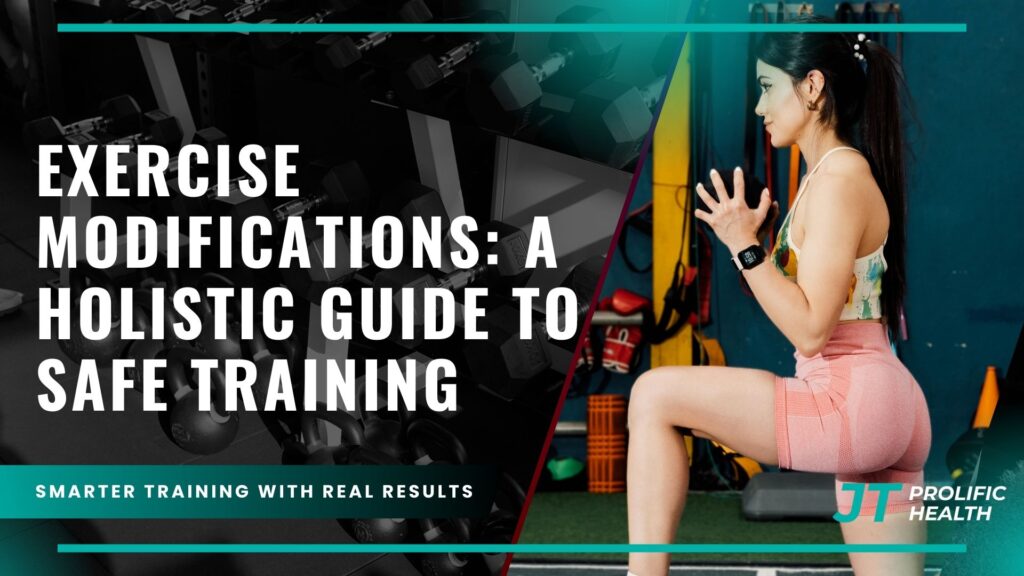
There is a common misconception that if you are not doing the “standard” version of an exercise, you are cheating. If you do a push-up on your knees or elevate your hands on a bench, you might feel like you are not working hard enough. This mindset is dangerous.
The goal of any exercise is to place stress on a specific tissue to force an adaptation. If you are doing a barbell back squat but your knees hurt so much that you cannot engage your quadriceps, you are failing to achieve the goal of the exercise. By switching to a box squat or a goblet squat, you can target the same muscles without the joint pain. Modification is about finding the “minimum effective dose” that stimulates your body without overwhelming your recovery and sleep quality.
Regressions vs. Progressions: Building a Foundation
In the fitness world, a progression makes an exercise harder, while a regression makes it more accessible by adding stability or reducing the range of motion.
Think of regression as a foundational tool. If you cannot hold a solid plank for 30 seconds, doing push-ups on the floor will likely lead to sagging hips and lower back strain. Regressing the movement by placing your hands on a sturdy bench allows you to build the necessary core strength safely. This systematic approach protects your joints and ensures your training consistency remains high.
Variables You Can Modify
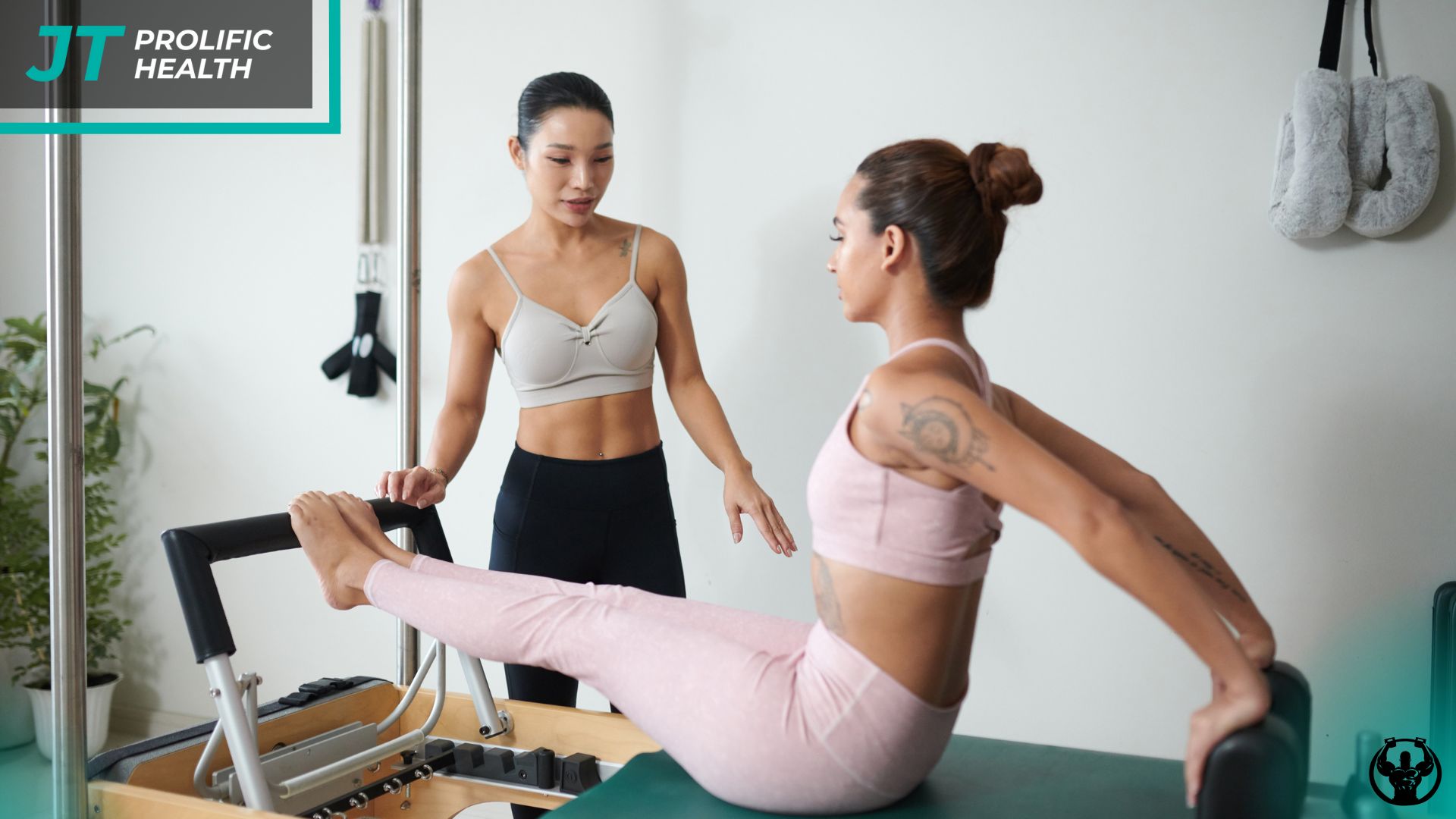
When we talk about modifying, we aren’t just lowering the weight. We can manipulate several variables:
-
Range of Motion (ROM): You don’t always need to go “ass to grass.” Squatting to a parallel box is a valid modification that keeps you safe while you work on mobility.
-
Tempo: If heavy weights aggravate your joints, slow down. Taking 3-4 seconds to lower a lighter weight increases the “time under tension,” creating a massive stimulus without the crushing mechanical load.
-
Stability: Machines are excellent tools for modification. If your core is exhausted from work, switching to a seated press provides the external stability needed to train your shoulders without risking your lower back.
Common Modifications for “Office Body” Issues
Most of our clients in Richmond deal with the effects of sedentary jobs. Sitting causes tight hip flexors and rounded shoulders. Here is how we often modify standard lifts for the typical office body:
-
The Deadlift: Pulling from the floor requires significant hamstring flexibility. A Trap Bar Deadlift is a great modification that changes the center of gravity and reduces shear force on the spine.
-
The Overhead Press: If you lack shoulder mobility, a Landmine Press (at a 60-75 degree angle) is much friendlier to the joint while still training the deltoids effectively.
-
The Squat: Barbell squats require significant shoulder mobility. Safety Bar Squats remove this restriction, allowing you to focus strictly on your legs.
Moving Beyond DIY: The Danger of Generic Plans
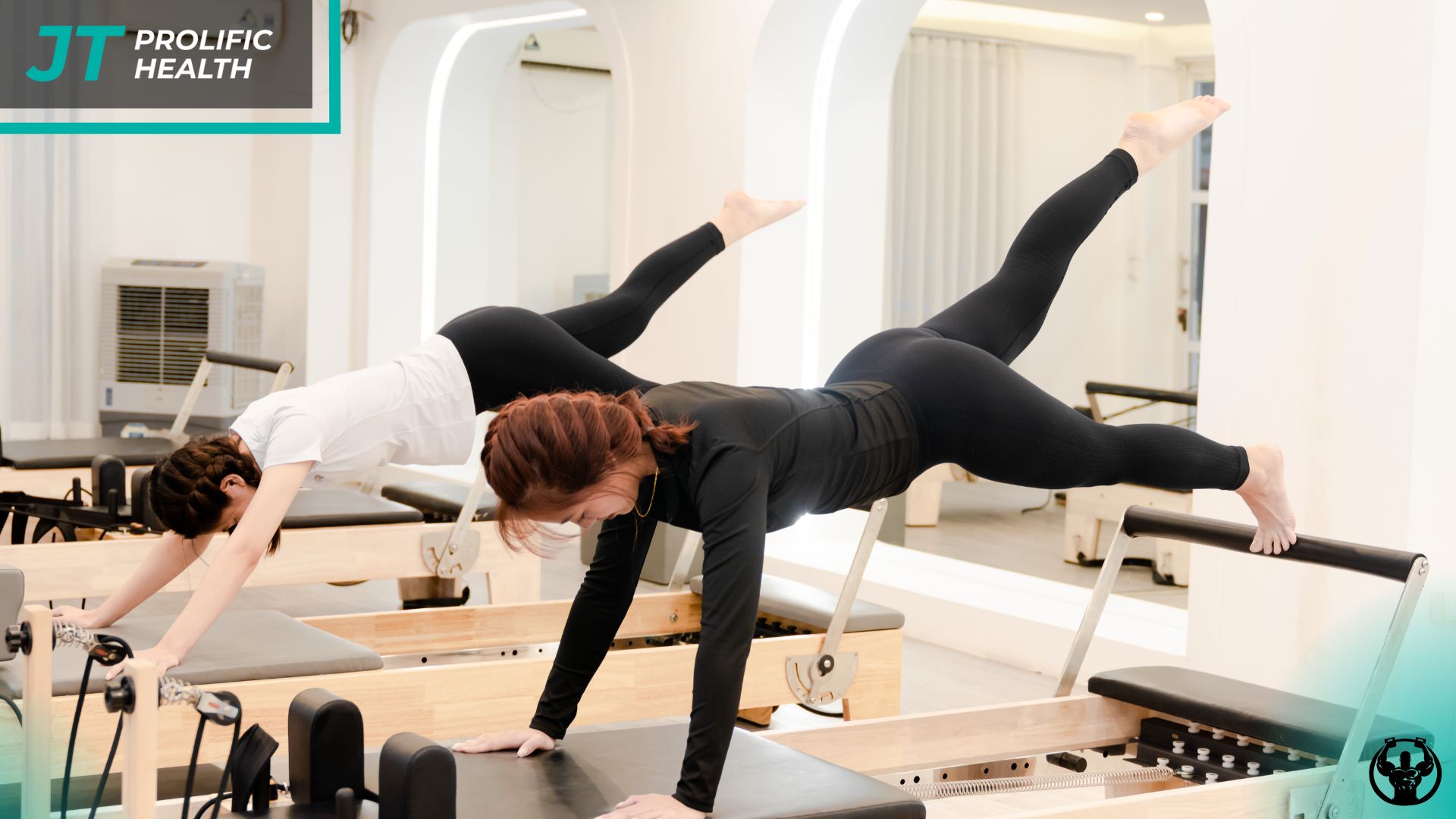
The internet is full of “best” workout plans, but these PDFs cannot see you. They don’t know your injury history or if you slept four hours last night. This is where DIY workouts often fail.
This is why professional coaching—whether through one-on-one private training or our hybrid coaching model—is an investment in your safety. At Prolific Health, we monitor your biomechanics in real-time. We manage the variables so you can enhance your training cycles and train for decades, not just weeks.
How Prolific Health Can Help
Located at 7471 Blundell Road, Richmond, BC, we specialize in customizing fitness for real life. Lead trainer Jason Tam and our team are experts in biomechanics and regression strategies. We don’t believe in “one size fits all.”
Common Questions
-
Does modifying mean a worse workout? No. It often makes the workout better because you can feel the target muscle working rather than just feeling pain.
-
When should I modify? Pain is the primary indicator. If you feel sharp or shooting sensations in a joint, it’s time to regress.
-
Is it safe to exercise while injured? Generally, yes, but you must avoid the injured area. Movement often helps recovery when managed correctly.
Take the Next Step
Exercise modifications are not a shortcut; they are a strategy for longevity. They allow you to stay on the path to better health regardless of what life throws at you.
Ready to stop training in pain? Book your personalized consultation at Prolific Health today and let us design a program that fits your life.