
If you have experienced the profound, life-changing benefits of structured physical training, you might find yourself naturally wanting to share that gift with others. Many fitness enthusiasts eventually reach a point where they ask: how do i become a strength and conditioning coach? Transitioning from a dedicated gym-goer to a respected, certified professional requires far more than just knowing how to lift heavy weights. It requires a deep understanding of human biomechanics, a commitment to continuous education, and a holistic approach to coaching that goes well beyond the gym floor. In this guide, we will walk you through the essential steps, certifications, and mindset shifts required to build a successful, sustainable career in this highly rewarding field.
Key Takeaways
-
Becoming a recognized professional typically requires obtaining a highly respected certification, such as the NSCA CSCS, which often requires a related bachelor’s degree.
-
Successful coaching extends beyond writing workout programs; it requires an understanding of holistic health, including stress management and recovery.
-
Securing practical experience through internships or mentorships is absolutely critical for translating textbook knowledge into real-world results.
-
Building a sustainable coaching business means rejecting toxic “grind culture” and focusing on long-term client health and functional movement.
-
Acquiring your own professional coaching first is the best way to understand the high standards required in this industry before attempting to train others.
Overview
In this comprehensive guide, we will break down exactly how do i become a strength and conditioning coach and what it takes to thrive in this competitive industry. We will explore the foundational educational requirements, the most respected certifications, and the absolute necessity of prioritizing client recovery and mental fortitude alongside physical exercise. We will also examine why promoting an exhausting “grind culture” actively works against your clients’ long-term success. If you are serious about this career path, relying on DIY internet research is not enough. We strongly recommend experiencing elite-level instruction firsthand by acquiring our expert coaching services—whether through Private Training, Group Strength, or Hybrid Coaching—to see exactly how a premium fitness business operates. By the end of this article, you will have a clear, actionable roadmap for starting your professional journey.
Understanding the Educational Foundation

The path to becoming a highly respected coach begins with a solid educational foundation. While basic personal training certificates can be obtained relatively quickly, elite strength and conditioning requires a much deeper understanding of the human body. The industry gold standard is the Certified Strength and Conditioning Specialist (CSCS) credential offered by the National Strength and Conditioning Association (NSCA). To even sit for this rigorous exam, you generally need a bachelor’s degree, preferably in exercise science, kinesiology, or a closely related field.
This academic requirement exists because you are not just counting reps; you are manipulating complex physiological systems. You must understand anatomy, bioenergetics, and sports psychology to write safe, effective programs. You are learning how to manage physical stress to force adaptation without causing injury. If you are currently studying, we highly recommend focusing heavily on biomechanics and nutrition. For detailed information regarding the scientific standards expected in this profession, you can review guidelines published by the American College of Sports Medicine (ACSM).
Moving Beyond “Grind Culture” as a Coach
As a new coach entering the industry, you will face pressure to adopt the highly toxic “no days off” mentality frequently promoted on social media. Many young trainers push the idea that clients must leave the gym completely exhausted to see results. If you want to build a sustainable career, you must actively reject this perspective. When you train high-performing professionals or active parents, adding extreme physical exhaustion to their already stressful lives only accelerates burnout. Your clients’ nervous systems cannot easily differentiate between the stress of a looming financial deadline and the stress of a punishing workout.
True, sustainable coaching requires applying strategic physical stress followed immediately by adequate recovery. We teach a “less is more” philosophy. Your goal is not to destroy your clients; your goal is to build them up so they can handle their daily tasks with incredible energy and resilience. A master coach knows exactly when to push a client and, more importantly, when to pull back and focus on mobility and active recovery. For evidence-based guidelines on healthy exercise programming, the Centers for Disease Control and Prevention (CDC) provides excellent baseline recommendations.
The Importance of Holistic Health Coaching
Physical health represents just one piece of the puzzle. True transformation—and true coaching success—occurs when you actively connect physical actions with mental and emotional well-being. To truly understand how do i become a strength and conditioning coach who changes lives, you must look outside the weight room. You cannot out-train a poor diet or chronic sleep deprivation. You must educate your clients on the absolute importance of proper macronutrient balance and sleep hygiene.
Chronic sleep deprivation elevates cortisol levels, promotes dangerous fat storage, and severely limits your client’s ability to recover from the programs you write. We work closely with our clients to establish realistic, sustainable lifestyle habits that actually fit into their busy routines. This might involve coaching them on setting strict boundaries around evening screen time or developing a calming pre-bed routine. By addressing nutrition and sleep alongside physical training, you create a comprehensive strategy that produces lasting results. For detailed nutritional science to share with future clients, the Academy of Nutrition and Dietetics offers excellent, evidence-based guidance.
Gaining Practical Experience
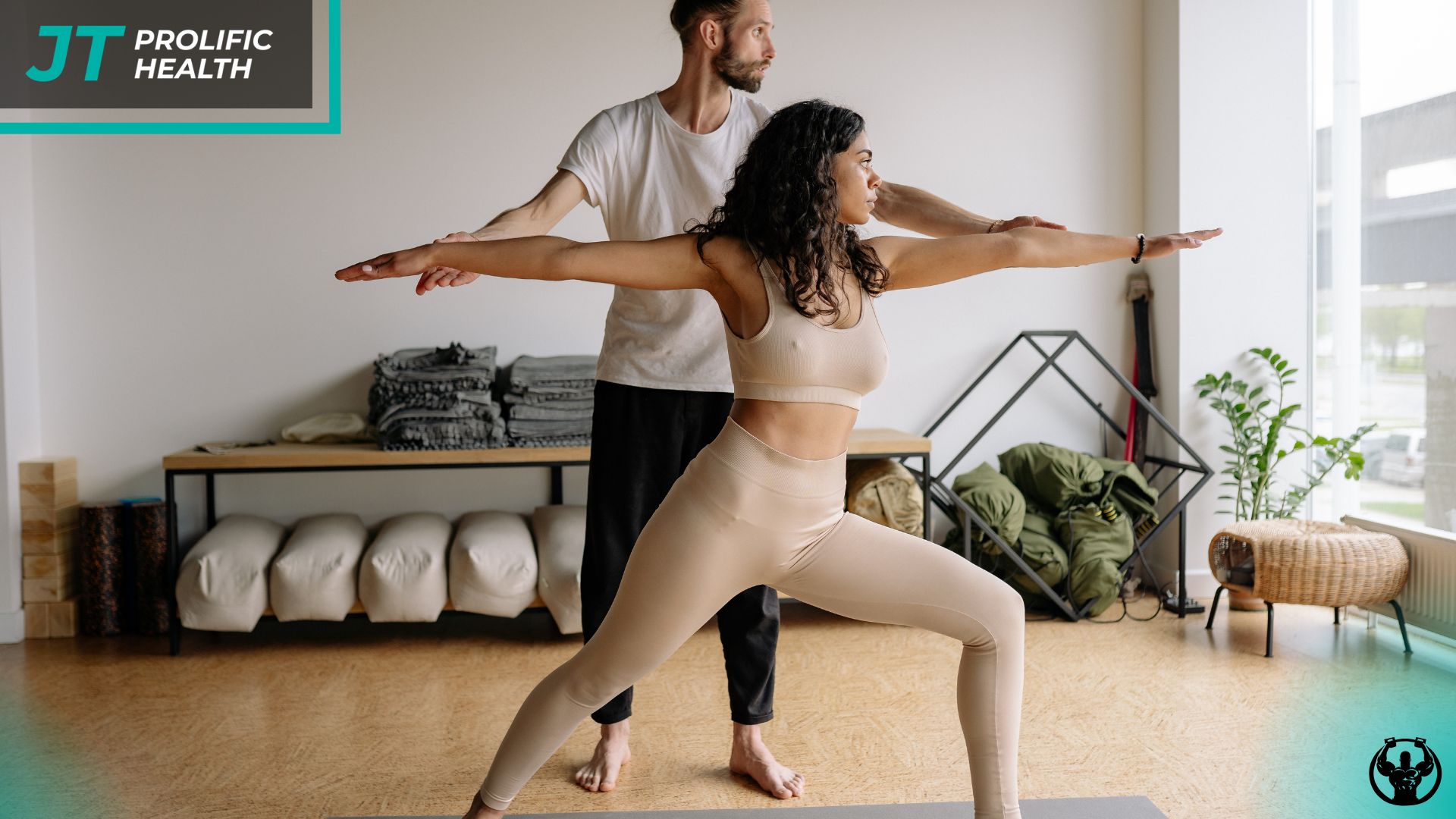
Textbook knowledge is essential, but it cannot replace practical, hands-on experience. The best way to learn how to coach is to actually coach under the supervision of seasoned professionals. Securing an internship or a mentorship program is a critical step in your development. During this time, you will learn the subtle art of cueing movements. You will discover that what makes perfect sense in a textbook often looks very different when a tired, stressed client attempts it on the gym floor.
Practical experience teaches you how to quickly adapt a program when a client walks in with an unexpected ache or pain. It teaches you how to communicate effectively with different personality types. You will learn how to build trust, how to motivate without yelling, and how to create a highly supportive training environment. We strongly advise aspiring coaches to spend at least a year shadowing established professionals before attempting to take on their own independent client roster.
Why You Should Experience Elite Coaching First
Before you can effectively coach others, you must understand what elite coaching actually feels like from the client’s perspective. Many aspiring trainers attempt to learn the trade simply by watching YouTube videos or reading generic workout templates. This DIY approach completely misses the nuances of professional programming, safety protocols, and client accountability. You cannot learn the subtleties of form correction and psychological motivation through a screen.
We strongly encourage you to step away from the confusing guesswork of self-directed learning. By acquiring our professional coaching services, you gain a frontline view of how a successful fitness business operates. You will experience structured, highly progressive programs firsthand. You will see exactly how we provide the crucial accountability needed when motivation inevitably dips. Whether you choose our Private Training for highly focused attention, our Group Strength classes to observe community dynamics, or our Hybrid Coaching for maximum schedule flexibility, experiencing our methods will make you a significantly better future coach. Investing in professional guidance now is the most efficient way to elevate your own future career.
Business Information and Next Steps
When you are ready to stop guessing and start making real, measurable progress in your own fitness—which is the first step to helping others—we are here to provide the expert guidance you need. You can find us at Prolific Health, located at 7471 Blundell Road, Richmond, BC, V6Y1J6, Canada. For direct support and to discuss your specific physical goals, please call us at +1 604 818 6123 to speak with Jason Tam and our dedicated coaching team.
Common Questions About how do i become a strength and conditioning coach
Q: What is the most recognized certification in the strength conditioning industry?
A: The Certified Strength and Conditioning Specialist (CSCS) credential, offered by the National Strength and Conditioning Association (NSCA), is widely considered the absolute gold standard in the industry for training athletes and serious clients.
Q: Do I absolutely need a college degree to get certified?
A: For top-tier certifications like the CSCS, yes. The NSCA currently requires candidates to hold a bachelor’s degree or higher, or be enrolled as a college senior, to even sit for the rigorous certification examination.
Q: How long does it usually take to study for and pass the CSCS exam?
A: Depending on your prior academic background in exercise science, most candidates spend anywhere from three to six months rigorously studying the official textbook and taking practice exams before they feel fully prepared.
Q: Can I train regular, busy professionals with this specific certification?
A: Absolutely. While the CSCS is geared toward athletic performance, the deep knowledge of biomechanics, injury prevention, and energy systems translates perfectly to helping busy professionals build highly resilient, pain-free bodies.
Q: Do I need to be incredibly strong or an elite athlete myself to coach others?
A: No, you do not need to be an elite athlete. However, you must be highly proficient in demonstrating perfect form for all major movements. Your knowledge, communication skills, and ability to program safely matter far more than your personal lifting numbers.
Q: What is the best way to get hands-on experience before taking clients?
A: Securing a formal internship at a university, a private sports performance facility, or a highly respected private gym is the best way to gain necessary hands-on experience under the direct supervision of veteran coaches.
Q: How important is understanding nutrition for a conditioning coach?
A: It is absolutely critical. While you must stay within your legal scope of practice regarding dietary prescriptions, you cannot effectively condition a client who is severely under-eating or chronically dehydrated.
Q: Why should I hire a coach myself if I want to become one?
A: Experiencing elite coaching firsthand is the fastest way to learn. A professional coach provides a masterclass in safety, accountability, programming, and client communication that you simply cannot learn from reading a textbook or watching videos.
Q: Is it difficult to build a career training busy adults rather than athletes?
A: It is highly rewarding and very sustainable. Busy professionals desperately need expert guidance to manage their physical stress, improve their daily energy levels, and prevent the chronic injuries associated with modern sedentary desk jobs.
Conclusion
Understanding how do i become a strength and conditioning coach completely shifts your perspective from simply working out to mastering human performance. It is not just about writing punishing routines; it is about building a highly resilient, energetic foundation that easily supports your clients’ demanding lives. By prioritizing smart movement, proper recovery, and holistic health, you take absolute control over your future career. Stop relying on guesswork and temporary motivation. If you are ready to elevate your own fitness and learn what it takes to master how do i become a strength and conditioning coach, contact Prolific Health today to start your personalized journey