

We have all had those weeks. The deadline is looming, the kids are sick, and your shoulders feel like they are practically touching your ears from tension. In these moments, the idea of a massage feels like a distant luxury reserved for vacations. However, viewing bodywork solely as “pampering” is a mistake. For the high-performing individual, recovery is not a reward; it is a necessity.
The massage benefits for your physical and mental state go far deeper than sixty minutes of peace. They impact your cortisol levels, your range of motion, and your ability to perform in the gym and the boardroom. But here is the catch: passive recovery alone rarely fixes the root cause of the pain. We are here to explore how massage therapy serves as a crucial tool in your holistic health toolkit and how combining it with the right training structure creates a body that is resilient, not just relaxed.
Key Takeaways
-
Cortisol Regulation: Massage significantly lowers stress hormones, allowing your body to switch from “fight or flight” to “rest and digest.”
-
Improved Circulation: Mechanical pressure enhances blood flow, delivering oxygen and nutrients to tired muscles to speed up repair.
-
Pain Management: It interrupts the pain cycle, providing immediate relief for the nagging “tech neck” caused by desk work.
-
Mobility Boost: Releasing tight fascia improves your range of motion, allowing for safer, deeper squats and overhead presses.
-
The Active Balance: While massage provides relief, pairing it with strength training ensures the pain doesn’t return next week.
Overview
This guide dives into the science of recovery. We will examine how massage benefits your training longevity by managing inflammation and improving sleep quality. We will discuss the specific implications for office workers battling poor posture and why the “grind culture” mentality of skipping recovery leads to burnout. You will learn why relying on self-massage tools like foam rollers has limits and why professional guidance is superior. Finally, we answer common questions about timing and frequency to help you integrate recovery into your busy life.
The Science of Stress and Muscle Tension

Stress is not just in your head; it is in your tissues. When you are under chronic mental strain—common for the professionals we work with—your body produces cortisol. High cortisol levels inhibit protein synthesis (muscle repair) and increase muscle tension as a protective mechanism. This is why you feel stiff even if you haven’t worked out.
One of the primary massage benefits is the physiological signal it sends to your nervous system. By stimulating the parasympathetic nervous system, massage lowers your heart rate and reduces cortisol. This creates an internal environment where recovery can actually happen. If you are training hard but staying stressed, you are fighting a losing battle.
We often see clients who train intensely but see zero results because their bodies are constantly inflamed from stress. Incorporating recovery strategies, including massage or cardiovascular exercises that promote blood flow, acts as a reset button for your hormones.
Boosting Circulation for Faster Recovery
Think of your blood as a delivery system. It carries the “building blocks” (amino acids, oxygen) your muscles need to repair themselves after a workout. When muscles are tight or knotted, local circulation is restricted.
Massage creates a mechanical flushing effect. The pressure pushes blood through the congested tissue, allowing fresh, nutrient-rich blood to rush in. This is critical for clearing out metabolic waste products like lactate and creatine kinase that accumulate during high-intensity sessions.
However, circulation isn’t just about passive treatment. Active movement is equally powerful. Our guide to exercise selection focuses on movements that utilize full ranges of motion, which inherently improves blood flow and joint health long after the massage is over.
Countering the “Tech Neck” Epidemic

Most of our clients spend their days hunched over keyboards or staring at phones. This posture shortens the chest muscles and overstretches the upper back, leading to the dreaded “tech neck.”
Massage is excellent for temporarily releasing those tight chest muscles (pectorals) and soothing the strained upper traps. It provides a window of opportunity where your posture feels corrected and your pain is gone.
But here is the reality check: if you return to the same desk and the same weak posture, the pain will return. This is where holistic coaching comes in. We use the temporary relief provided by massage to introduce strengthening exercises for the upper back. By building the muscles that hold you upright, we make the relief permanent. This approach is central to our personal training basics, where we teach you to move better, not just feel better for an hour.
Why “Grind Culture” Hates Recovery
There is a pervasive belief that if you aren’t sweating, you aren’t working. “Grind culture” treats recovery as laziness. This mindset is dangerous. Your muscles do not grow while you are working out; they grow while you are resting.
Ignoring the need for soft tissue work and rest leads to “overtraining syndrome.” Symptoms include irritability, insomnia, and a plateau in strength. Recognizing the massage benefits of improved sleep and relaxation is a sign of maturity in your fitness journey.
We encourage you to view recovery as part of the work. Taking an hour to address your tissue quality is just as productive as an hour spent lifting. It allows you to return to the gym with more intensity and focus.
The Limits of DIY Recovery Tools
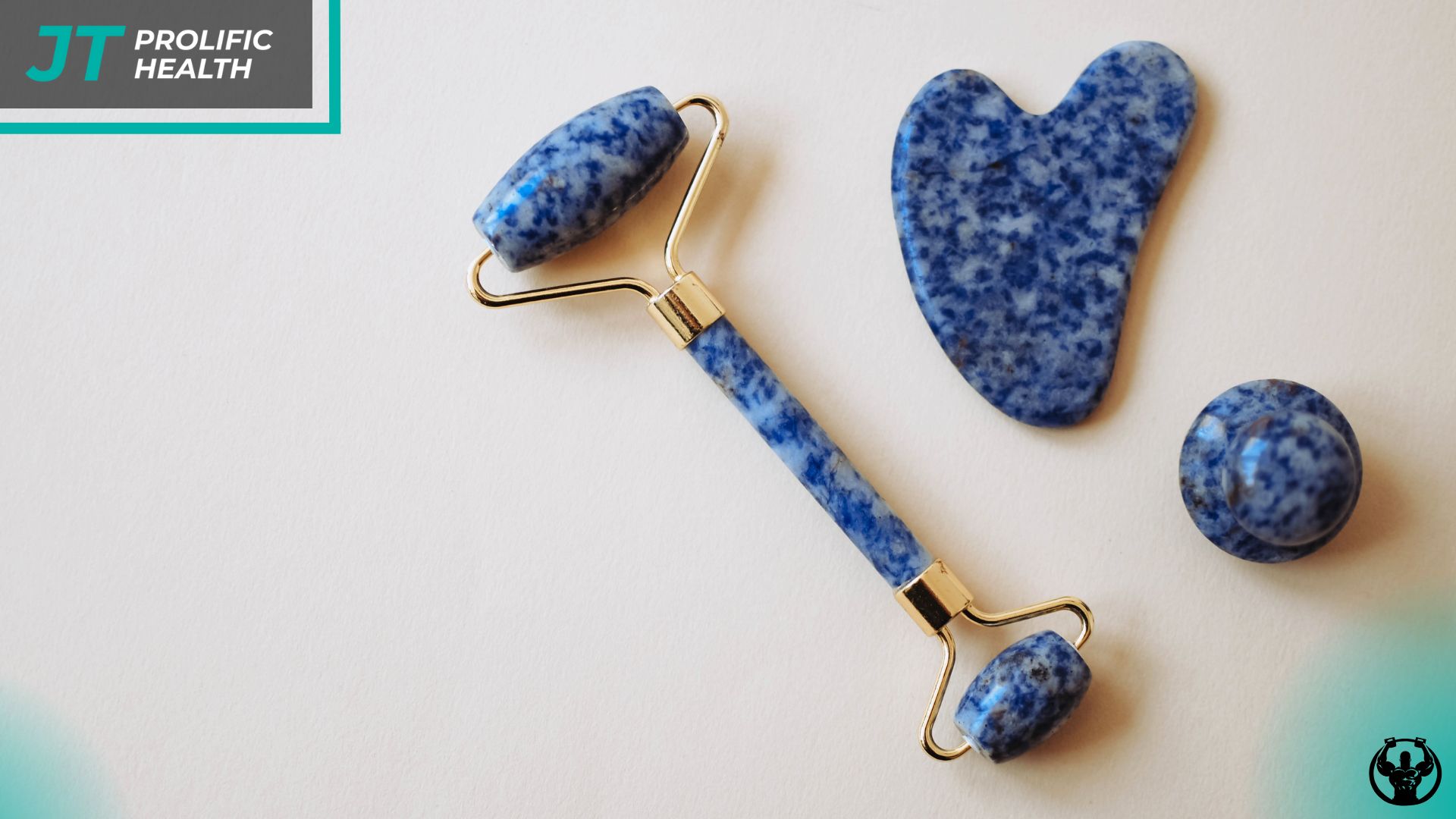
We love a good foam roller or percussion gun (like a Theragun). They are fantastic for quick maintenance. However, relying solely on DIY tools has limitations. It is difficult to relax a muscle while you are actively using your own arms to apply pressure to it.
Furthermore, a DIY approach lacks diagnostic capability. You might be rolling your IT band because your knee hurts, not realizing the pain is actually referred from your hip. A professional—whether a massage therapist or a personal trainer assessing your movement—can identify the source.
We see this often with clients trying to fix their own back pain. They treat the symptom without understanding the cause. Our male strength training techniques and programming are designed to correct the structural imbalances that cause the knots in the first place.
Integrating Recovery with Active Training
The ultimate goal is a body that functions without constant maintenance. While massage is a powerful tool for acute relief and relaxation, it should be paired with a structured strength training program.
Think of massage as the mechanic changing your oil, and strength training as upgrading the engine. You need both. Strength training improves your tissue tolerance, making your muscles more resistant to tightness and strain in the future.
At Prolific Health, we look at the big picture. We want you to enjoy the massage benefits of relaxation, but we also want you to be strong enough to handle your life. We bridge the gap between therapy and performance, ensuring you are not just surviving your week, but thriving in it. You can see how this combination has helped others in our client case studies.
Ready to Fix the Root Cause?
If you are tired of the cycle of stress, pain, and temporary relief, it is time for a more comprehensive approach. We invite you to visit Prolific Health at 3231 No 6 Rd Unit 105, Richmond, BC V6V 0C2. You can also reach us at +1 604 818 6123 to schedule a consultation. Let us help you build a body that recovers as hard as it works.
Common Questions About Massage Benefits
Q: How does massage help with muscle growth? A: Massage does not directly build muscle, but by improving blood flow and reducing inflammation, it speeds up recovery. This allows you to train more frequently and with higher intensity, which drives growth.
Q: Can massage replace a warm-up? A: No. While massage increases blood flow, it does not prime the nervous system or raise your core temperature the way an active warm-up does. Always perform dynamic movements before lifting.
Q: Is it safe to workout immediately after a massage? A: It is generally better to rest. Deep tissue work can temporarily relax muscle tone and slightly reduce force output. We recommend scheduling massages on rest days or after your workout.
Q: How often should I get a massage for fitness benefits? A: For most active professionals, once a month is a great maintenance schedule. If you are training for a specific event or rehabilitating an injury, more frequent sessions may be beneficial.
Q: Does massage release toxins? A: The idea of “releasing toxins” is largely a myth. However, massage does mechanically mobilize metabolic waste products (like lactate) from the muscle tissue into the bloodstream, where your kidneys and liver can process them.
Q: Can massage help with gym anxiety? A: Yes. By lowering overall anxiety and increasing body awareness (proprioception), massage can help you feel more connected to your body and confident in your movements.
Q: Will a massage fix my posture permanently? A: No. It will provide temporary relief and improved range of motion. To make the change permanent, you must strengthen the weak muscles responsible for holding your posture.
Q: What if I feel sore after a massage? A: This is called DOMS (Delayed Onset Muscle Soreness) and is normal after deep tissue work. It is a sign that the therapist effectively worked on tight adhesions. Hydration helps clear this up quickly.
Conclusion
Understanding massage benefits is about recognizing the value of maintenance. In a high-speed world, slowing down to care for your tissues is a competitive advantage. It keeps you in the game longer, reduces the risk of injury, and improves your mental clarity. However, passive recovery is only half the equation. To truly bulletproof your body against pain and stress, you must combine recovery with intelligent, active strength training. Invest in both, and your body will thank you for decades to come.