

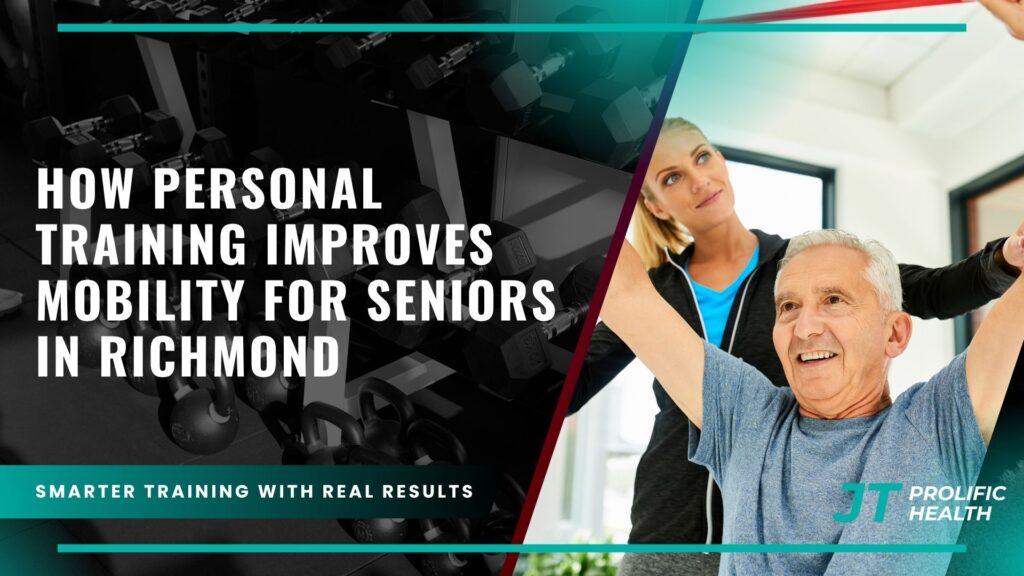
As we age, maintaining mobility becomes increasingly crucial for preserving independence, quality of life, and overall health. For seniors in Richmond, British Columbia, the challenge of staying mobile and active can feel overwhelming, especially when dealing with age-related changes in strength, balance, and flexibility. However, personal training has emerged as one of the most effective solutions for helping older adults maintain and even improve their mobility well into their golden years.
Personal training for seniors goes far beyond traditional fitness routines. It represents a specialized approach that addresses the unique physiological changes that occur with aging, including decreased muscle mass, reduced bone density, slower reflexes, and potential chronic health conditions. In Richmond’s diverse community, where many seniors want to remain active participants in their families and social circles, personal training offers a pathway to sustained independence and vitality.
The benefits of personal training for senior mobility extend into every aspect of daily life. From climbing stairs and getting out of chairs to maintaining balance while walking or reaching for items on high shelves, improved mobility directly translates to enhanced quality of life. For Richmond seniors, this means being able to enjoy the city’s beautiful parks, participate in community activities, and maintain the confidence to live independently in their own homes for as long as possible.
What makes personal training particularly valuable for seniors is its individualized approach. Unlike group fitness classes or generic exercise programs, personal training takes into account each individual’s medical history, current fitness level, specific mobility challenges, and personal goals. This customized approach ensures that exercises are both safe and effective, addressing the specific areas where each senior needs the most support while building on their existing strengths.
The science behind mobility improvement in seniors through personal training is well-established. Research consistently shows that targeted exercise programs can significantly improve balance, strength, flexibility, and coordination in older adults. These improvements directly translate to reduced fall risk, better functional movement, and increased confidence in performing daily activities. For Richmond’s aging population, this means the difference between thriving independently and struggling with basic tasks.
Key Takeaways
For additional context, see this comprehensive guide.
- Personalized Assessment and Programming: Personal trainers conduct comprehensive evaluations of senior clients’ current mobility levels, identifying specific areas of weakness or limitation. This assessment forms the foundation for creating targeted exercise programs that address individual needs while respecting physical limitations and health conditions.
- Fall Prevention and Balance Training: One of the primary benefits of personal training for seniors is the significant reduction in fall risk through specialized balance and stability exercises. These programs focus on improving proprioception, strengthening core muscles, and enhancing reaction time to help seniors navigate daily activities with greater confidence and safety.
- Strength and Functional Movement: Personal trainers help seniors build and maintain muscle mass through resistance training specifically designed for older adults. This approach focuses on functional movements that directly translate to daily activities like getting up from chairs, climbing stairs, and carrying groceries.
- Flexibility and Range of Motion: Targeted stretching and mobility work help seniors maintain and improve their range of motion, reducing stiffness and improving overall movement quality. This is particularly important for maintaining independence in activities like dressing, bathing, and household tasks.
- Chronic Condition Management: Many seniors in Richmond deal with conditions like arthritis, diabetes, or heart disease. Personal trainers with appropriate training can design exercise programs that work with these conditions rather than against them, often helping to manage symptoms and improve overall health outcomes.
- Progressive and Sustainable Approach: Personal training for seniors emphasizes gradual progression and long-term sustainability rather than quick fixes. This approach helps build lasting improvements in mobility while minimizing the risk of injury or burnout.
- Confidence and Mental Health Benefits: Beyond physical improvements, personal training helps seniors build confidence in their movement abilities, reducing fear of falling and encouraging more active lifestyles. This psychological component is crucial for maintaining long-term mobility and independence.
Understanding Senior Mobility Challenges in Richmond
For additional context, see detailed information on this topic.
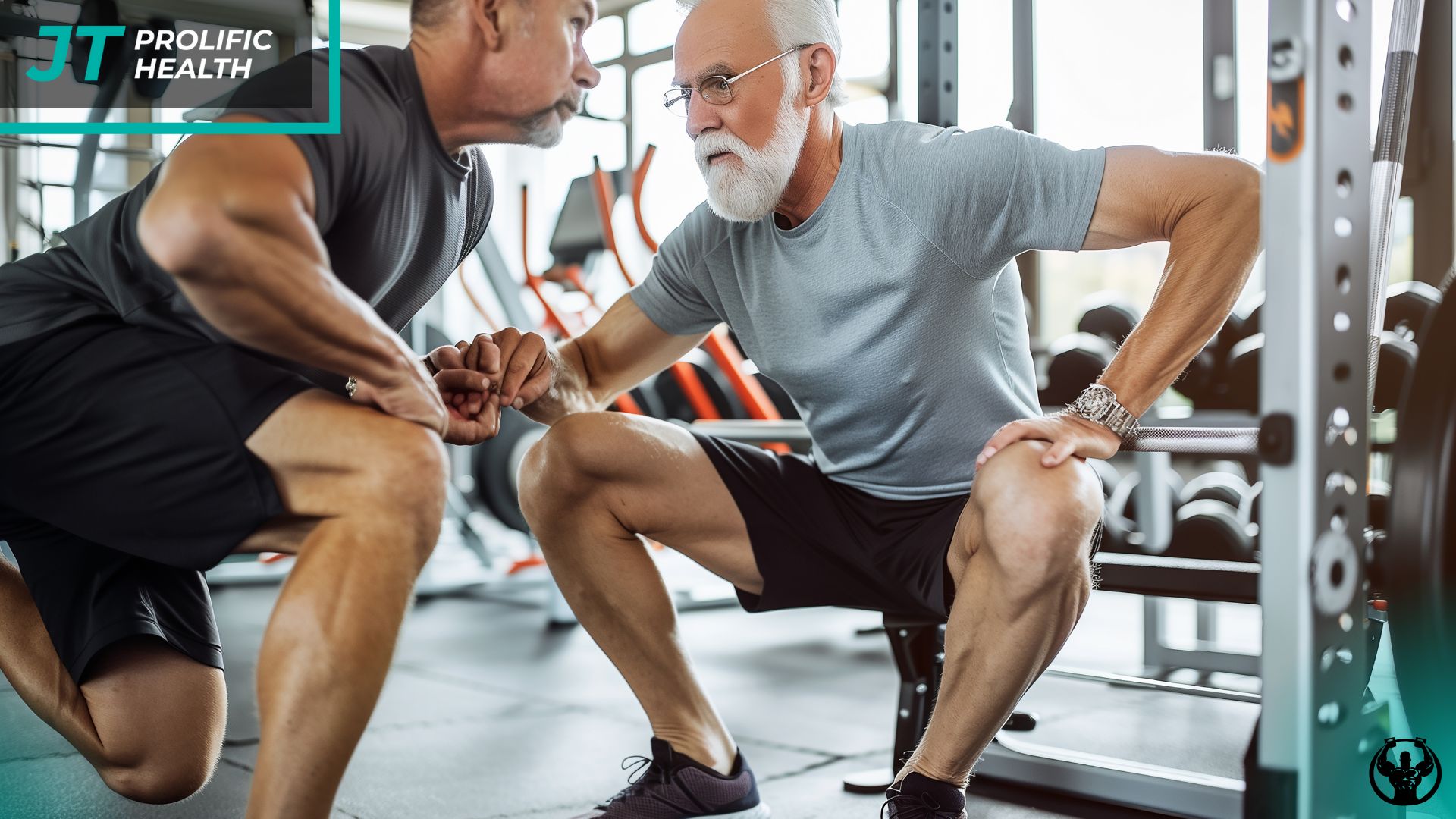
Richmond’s senior population faces unique mobility challenges that reflect both the natural aging process and the specific lifestyle factors common to the region. As people age, several physiological changes occur that directly impact mobility and movement quality. Muscle mass naturally decreases by approximately 3-8% per decade after age 30, with this loss accelerating after age 60. This sarcopenia, combined with changes in bone density, joint flexibility, and nervous system function, creates a complex web of factors that can significantly impact a senior’s ability to move freely and confidently.
In Richmond’s climate, where wet weather can persist for months, many seniors find themselves spending more time indoors during winter months, leading to decreased activity levels and further mobility decline. The city’s aging infrastructure in some neighborhoods can also present challenges, with uneven sidewalks, steep hills, and limited accessibility features that can make outdoor activity more difficult for those with mobility limitations.
The psychological aspect of mobility challenges cannot be overlooked. Many seniors develop a fear of falling, which can lead to reduced activity levels and a downward spiral of declining fitness and confidence. This fear is often well-founded, as falls are a leading cause of injury among older adults. However, the resulting inactivity can actually increase fall risk by further weakening muscles and reducing balance capabilities.
Personal training addresses these challenges through a comprehensive approach that considers both the physical and psychological aspects of mobility. By working with qualified professionals who understand the aging process, Richmond seniors can develop targeted strategies to maintain and improve their movement capabilities while building the confidence necessary to stay active and engaged in their communities.
The Science Behind Personal Training for Senior Mobility
For additional context, see our in-depth resource.
The effectiveness of personal training for improving senior mobility is backed by extensive scientific research that demonstrates the remarkable plasticity of the human body, even in advanced age. Studies consistently show that seniors who engage in structured exercise programs can experience significant improvements in strength, balance, flexibility, and overall functional capacity. The key lies in understanding how the aging body responds to different types of exercise stimuli and designing programs that maximize these responses while minimizing risk.
Neuroplasticity plays a crucial role in mobility improvement for seniors. The brain’s ability to form new neural pathways and adapt to new movement patterns doesn’t disappear with age, though it may slow down. Personal trainers who understand this concept can design exercises that challenge the nervous system in appropriate ways, helping seniors develop better motor control, improved reaction times, and enhanced balance responses. This is particularly important for complex movements that require coordination between multiple muscle groups and sensory systems.
Resistance training forms the cornerstone of effective mobility programs for seniors. Research published in leading gerontology journals demonstrates that older adults can increase muscle strength by 25-30% or more through properly designed resistance training programs. This strength improvement directly translates to better functional capacity, with seniors reporting easier performance of daily activities like rising from chairs, climbing stairs, and maintaining balance during walking.
The concept of progressive overload applies to seniors just as it does to younger adults, but with important modifications. Personal trainers skilled in working with older adults understand how to apply just enough stimulus to promote adaptation without overwhelming the body’s recovery capacity. This might involve longer rest periods between sessions, more gradual increases in intensity, and careful attention to signs of overtraining or excessive fatigue.
Balance training deserves special attention in senior fitness programs due to its direct impact on fall prevention. The systems responsible for balance—including vision, inner ear function, and proprioception—all decline with age. However, specific balance training can significantly improve these systems’ function and coordination. Personal trainers use various tools and techniques, from simple standing exercises to complex multi-directional movements, to challenge and improve balance responses in safe, controlled environments.
Comprehensive Assessment and Program Design
The foundation of successful personal training for senior mobility begins with a thorough assessment that goes far beyond basic fitness testing. Personal trainers working with older adults must evaluate multiple systems and consider various factors that influence movement quality and safety. This comprehensive approach ensures that exercise programs are not only effective but also appropriate for each individual’s unique circumstances and health status.
A proper senior mobility assessment typically begins with a detailed health history review, including current medications, past injuries, surgeries, and chronic conditions. This information helps trainers understand potential limitations and contraindications while identifying areas that may require special attention or medical clearance. Many trainers in Richmond work closely with healthcare providers to ensure that exercise programs complement medical treatment plans and support overall health goals.
Functional movement screening forms a critical component of the assessment process. Rather than focusing solely on traditional fitness metrics like maximum strength or cardiovascular capacity, trainers evaluate how well seniors perform movements that mirror daily activities. This might include assessments of getting up from a chair, reaching overhead, walking with direction changes, and maintaining balance during various tasks. These functional assessments provide valuable insights into real-world mobility challenges and help prioritize training goals.
Balance and stability testing requires particular attention in senior assessments. Trainers may use simple tests like single-leg standing or more complex assessments that challenge multiple balance systems simultaneously. Understanding a senior’s current balance capabilities helps determine appropriate starting points for balance training and identifies specific areas of weakness that need targeted intervention.
Flexibility and range of motion assessments help identify restrictions that may limit functional movement or increase injury risk. Age-related changes in connective tissue can significantly impact joint mobility, affecting everything from walking patterns to the ability to perform personal care tasks. Personal trainers document these limitations and design stretching and mobility programs to address specific restrictions while working within safe ranges of motion.
Once the assessment is complete, skilled trainers design progressive programs that address identified limitations while building on existing strengths. This individualized approach ensures that each senior receives training that is both challenging and achievable, promoting steady progress while maintaining safety and motivation. For those seeking guidance on evaluating trainer qualifications and experience, it’s important to find professionals who understand the complexities of working with older adults.
Targeted Exercise Interventions for Mobility Enhancement
Effective personal training for senior mobility involves carefully selected exercise interventions that target the specific systems and functions most critical for maintaining independence and movement quality. These interventions go beyond generic fitness routines to address the unique needs and challenges faced by older adults, with each exercise chosen for its direct impact on functional movement and daily activity performance.
Strength training for seniors requires a nuanced approach that emphasizes functional movement patterns over traditional bodybuilding exercises. Personal trainers focus on compound movements that engage multiple muscle groups and mirror real-world activities. For example, sit-to-stand exercises directly improve the ability to get up from chairs, while step-ups enhance stair climbing capacity. These functional strength exercises are typically performed with body weight, resistance bands, or light weights, with emphasis on proper form and controlled movement rather than maximum load.
Balance training interventions progress from simple static exercises to complex dynamic challenges that prepare seniors for real-world balance demands. Beginning with basic exercises like tandem walking or single-leg stands, trainers gradually introduce more challenging activities such as balance board work, multidirectional reaching, or dual-task exercises that combine balance challenges with cognitive tasks. This progression helps improve not only balance reactions but also confidence in maintaining stability during unexpected situations.
Flexibility and mobility work takes on special importance in senior training programs, as age-related changes in connective tissue can significantly impact movement quality. Personal trainers incorporate both static and dynamic stretching techniques, often using props like resistance bands or foam rollers to enhance effectiveness. Particular attention is paid to areas that commonly become tight with age, such as hip flexors, shoulders, and the thoracic spine, as restrictions in these areas can significantly impact posture and movement efficiency.
Cardiovascular conditioning for seniors focuses on improving endurance for daily activities rather than achieving maximum heart rates. Low-impact activities like walking, stationary cycling, or seated exercises help improve cardiovascular health while minimizing stress on joints. Personal trainers carefully monitor intensity levels and adjust activities based on individual tolerance and health conditions, ensuring that cardiovascular benefits are achieved safely.
Coordination and motor skill training helps address age-related declines in reaction time and movement precision. These exercises might include activities like catching and throwing balls, stepping patterns, or hand-eye coordination tasks. While these exercises might seem simple, they play a crucial role in maintaining the complex neural pathways necessary for smooth, coordinated movement in daily life.
The integration of these various exercise types into cohesive programs requires considerable skill and experience. Personal trainers must understand how different interventions complement each other and how to sequence exercises for maximum benefit while minimizing fatigue. This is where the expertise of qualified professionals becomes invaluable, as they can design programs that address multiple aspects of mobility simultaneously while keeping sessions engaging and manageable for older adults.
Safety Considerations and Risk Management
Safety represents the paramount concern when designing and implementing personal training programs for seniors, as the consequences of injury can be far more severe and long-lasting than in younger populations. Personal trainers working with older adults must possess a deep understanding of age-related physiological changes, common health conditions, and appropriate risk management strategies to ensure that exercise programs enhance rather than compromise their clients’ wellbeing.
Medication interactions and their impact on exercise response require careful consideration in senior training programs. Many older adults take multiple medications that can affect heart rate response, blood pressure regulation, balance, and coordination. Beta-blockers, for example, can blunt heart rate response to exercise, making traditional heart rate monitoring less reliable. Diuretics can affect hydration status and blood pressure regulation during exercise. Personal trainers must understand these interactions and adjust programming accordingly, often working closely with healthcare providers to ensure safe exercise participation.
Environmental safety takes on heightened importance when working with seniors who may have compromised balance, vision, or reaction time. Training facilities must be well-lit, free of obstacles, and equipped with appropriate safety features like handrails and non-slip surfaces. Personal trainers should always position themselves to provide immediate assistance if needed and ensure that emergency procedures are clearly established and practiced.
Exercise intensity and progression must be carefully managed to avoid overexertion while still providing sufficient stimulus for improvement. The principle of “start low and go slow” applies particularly well to senior training, with gradual increases in intensity and duration allowing the body time to adapt safely. Personal trainers must be skilled at recognizing signs of excessive fatigue, cardiovascular stress, or other warning signs that indicate the need to modify or stop exercise.
Fall prevention strategies should be integrated into every aspect of senior training programs. This includes not only specific balance and stability exercises but also careful attention to exercise selection, equipment use, and environmental factors that could contribute to fall risk. Personal trainers should be trained in fall prevention techniques and emergency response procedures, ensuring they can respond appropriately if incidents occur.
Communication with healthcare providers forms an essential component of safe senior training programs. Many personal trainers in Richmond maintain relationships with local physicians, physical therapists, and other healthcare professionals to ensure coordinated care for their senior clients. This collaboration helps identify potential contraindications, monitor progress, and adjust programs based on changing health status or medical recommendations. Understanding proper certifications and qualifications helps ensure trainers have the knowledge necessary to work safely with older adults.
Regular health monitoring and program adjustments ensure that training remains safe and effective as clients’ conditions change over time. This might involve periodic blood pressure checks, monitoring of symptoms during exercise, and regular reassessment of functional capabilities. Personal trainers must remain vigilant for changes that might indicate the need for medical evaluation or program modification, always prioritizing client safety over training goals.
Frequently Asked Questions
How often should seniors work with a personal trainer to see mobility improvements?
Most seniors benefit from 2-3 personal training sessions per week, with additional independent exercise on off days. Consistency is more important than frequency, and many seniors see noticeable improvements in mobility within 4-6 weeks of regular training. The exact frequency depends on individual fitness levels, health conditions, and specific mobility goals.
Is personal training safe for seniors with chronic conditions like arthritis or diabetes?
Yes, personal training can be very beneficial for seniors with chronic conditions when properly designed and supervised. Qualified trainers understand how to modify exercises for various health conditions and often work with healthcare providers to ensure safe, effective programming. Exercise can actually help manage many chronic conditions by improving circulation, reducing inflammation, and enhancing overall health.
What should I look for when choosing a personal trainer for mobility improvement?
Look for trainers with specific certifications in senior fitness, experience working with older adults, and knowledge of age-related health conditions. They should conduct thorough assessments, communicate clearly about safety procedures, and demonstrate patience and understanding of the unique challenges seniors face. References from other senior clients can be particularly valuable.
How long does it typically take to see improvements in mobility through personal training?
Many seniors notice improvements in strength and confidence within 2-4 weeks, with more significant mobility improvements typically occurring within 8-12 weeks of consistent training. Balance improvements may take longer, often requiring 3-6 months of regular practice. Individual results vary based on starting fitness level, consistency, and specific health factors.
Can personal training help prevent falls in seniors?
Research strongly supports the role of structured exercise programs in fall prevention for seniors. Personal training that includes balance, strength, and coordination exercises can significantly reduce fall risk by improving stability, reaction time, and confidence in movement. Many seniors report feeling more secure and confident in their daily activities after participating in well-designed training programs.
What types of exercises are most effective for improving senior mobility?
The most effective exercises for senior mobility include functional strength training (like sit-to-stand and step-ups), balance training (single-leg stands and dynamic balance challenges), flexibility work (stretching and range of motion exercises), and coordination activities. The key is combining these different types of exercises in a progressive, individualized program.
How much does personal training for seniors typically cost in Richmond?
Personal training costs in Richmond vary depending on the trainer’s qualifications, session length, and package options. Many trainers offer senior discounts or group training options to make services more affordable. Some seniors find that the investment in personal training helps them avoid costly medical interventions related to falls or mobility decline.
Should I get medical clearance before starting personal training as a senior?
It’s generally recommended that seniors obtain medical clearance before beginning any new exercise program, especially if they have chronic health conditions, take multiple medications, or have been sedentary. Most personal trainers require medical clearance for clients over certain ages or with specific health conditions. This ensures that exercise programs are safe and appropriate for individual health status.
Conclusion
Personal training represents one of the most effective interventions available for improving and maintaining mobility in Richmond’s senior population. Through individualized assessment, targeted exercise programming, and ongoing professional guidance, seniors can experience significant improvements in strength, balance, flexibility, and overall functional capacity. These improvements translate directly into enhanced quality of life, increased independence, and greater confidence in performing daily activities.
The science supporting personal training for senior mobility is robust and continues to evolve, providing trainers with evidence-based strategies for helping older adults maintain and improve their movement capabilities. From fall prevention and balance training to functional strength development and flexibility enhancement, comprehensive personal training programs address the multiple factors that influence mobility in aging adults.
Safety remains the cornerstone of effective senior training programs, requiring trainers to possess specialized knowledge of age-related physiological changes, common health conditions, and appropriate risk management strategies. The investment in qualified, experienced personal trainers pays dividends in terms of both safety and effectiveness, helping seniors achieve their mobility goals while minimizing injury risk.
For Richmond seniors considering personal training to improve their mobility, the key is finding qualified professionals who understand the unique needs and challenges of older adults. Whether dealing with specific health conditions, recovering from injury, or simply wanting to maintain independence as long as possible, personal training offers a pathway to better mobility and enhanced quality of life. The expertise provided by services like those offered by Prolific Health can make the difference between struggling with mobility limitations and thriving with confidence and independence well into the golden years.
As Richmond’s population continues to age, the importance of maintaining mobility and independence becomes increasingly critical. Personal training provides a proactive approach to aging, helping seniors build and maintain the physical capabilities necessary for continued independence and active participation in their communities. For those interested in learning more about building confidence through fitness or understanding comprehensive lifestyle approaches to health, professional guidance can provide the support and expertise necessary for successful aging in place.