You love fitness. You love the feeling of a heavy deadlift moving smoothly or the mental clarity that comes after a long run. Naturally, you have thought about turning this passion into a profession. The path of a coach seems straightforward on the surface: get certified, get hired, and start counting reps. But if you are truly asking how to be a personal trainer who lasts in this industry, the answer is more complex. It requires a shift from loving your own workouts to loving the process of helping others find theirs.
At Prolific Health, we believe the industry needs more than just rep counters. It needs empathetic leaders who understand that health is not just about physical exertion—it is about life balance, stress management, and long-term autonomy.
Key Takeaways
-
Education First: While passion is the spark, accredited certifications (like NSCA or ACE) and continuous learning are the fuel for a legitimate career.
-
The “Gap” in Knowledge: Most certifications teach anatomy, but they don’t teach you how to communicate, empathize, or manage a client’s psychological barriers.
-
Experience is the Best Teacher: The fastest way to learn how to be a personal trainer is to hire one yourself. Experience the service from the client’s perspective to understand the value of coaching.
-
Scope of Practice: Understanding what you can’t do (like diagnosing injuries or prescribing medical meal plans) is just as important as knowing what you can do.
-
Holistic Approach: The future of training isn’t just “grind culture.” It is about integrating sleep, recovery, and mindset into your clients’ lives.
Overview
This guide is for the aspiring professional who wants to do more than just fill a t-shirt. We will explore the tangible steps of becoming a certified personal trainer, but we will also go deeper. We will discuss the soft skills that actually drive client retention, the importance of understanding the “business of people,” and why the most successful coaches are the ones who prioritize their own health and recovery too. You will learn why “grind culture” is dying and how a people-first philosophy is the future of fitness. Whether you are looking to work in a private studio in Richmond or launch an online business, this is your roadmap to building a career that changes lives—starting with your own.
The Foundation: Credentials and Education
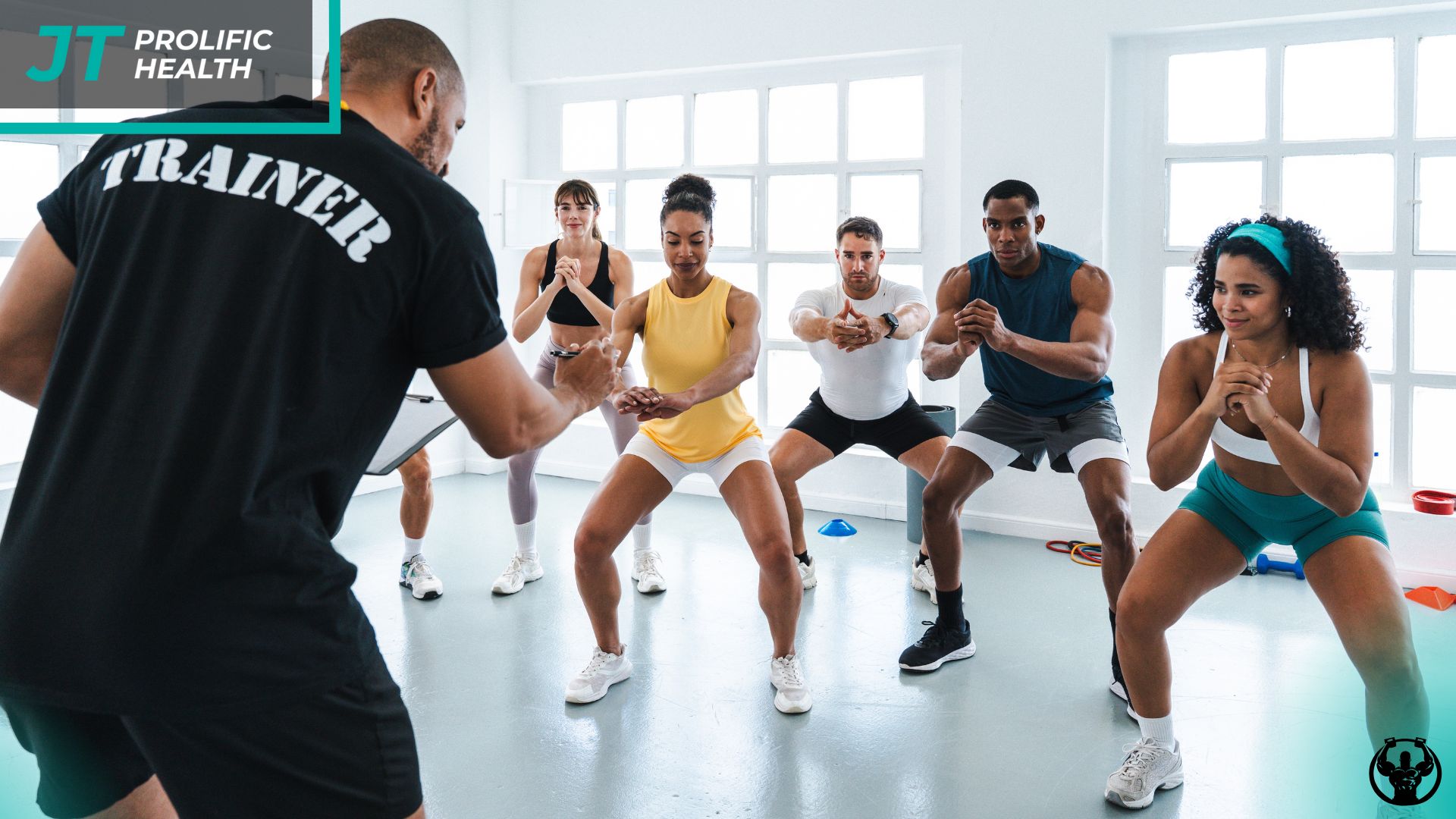
You cannot build a house on sand, and you cannot build a fitness career on “bro-science.” The barrier to entry in the fitness industry is deceptively low, but the barrier to excellence is high.
Choosing the Right Certification
There are hundreds of certifications available, but only a few hold weight in the medical and professional communities. If you want to know how to be a personal trainer who is respected by physiotherapists and doctors, look for organizations accredited by the NCCA (National Commission for Certifying Agencies).
-
NSCA (National Strength and Conditioning Association): The gold standard for strength and conditioning.
-
ACE (American Council on Exercise): Excellent for general population and behavior change.
-
ACSM (American College of Sports Medicine): Heavily clinical, great for working with special populations.
A study in the Journal of Strength and Conditioning Research highlights that trainers with accredited certifications demonstrate significantly higher knowledge of exercise physiology and safety compared to those without (Source: PubMed).
Continuous Education
Passing the exam is just the beginning. The human body is incredibly complicated. To serve your clients well, you must commit to being a lifelong student. This means reading research papers, attending seminars, and understanding that what we know about fitness changes. Ten years ago, static stretching before a workout was standard; now, we know dynamic warm-ups are superior for performance. Staying current is your responsibility.
The Art of Coaching: It’s Not About the Workout
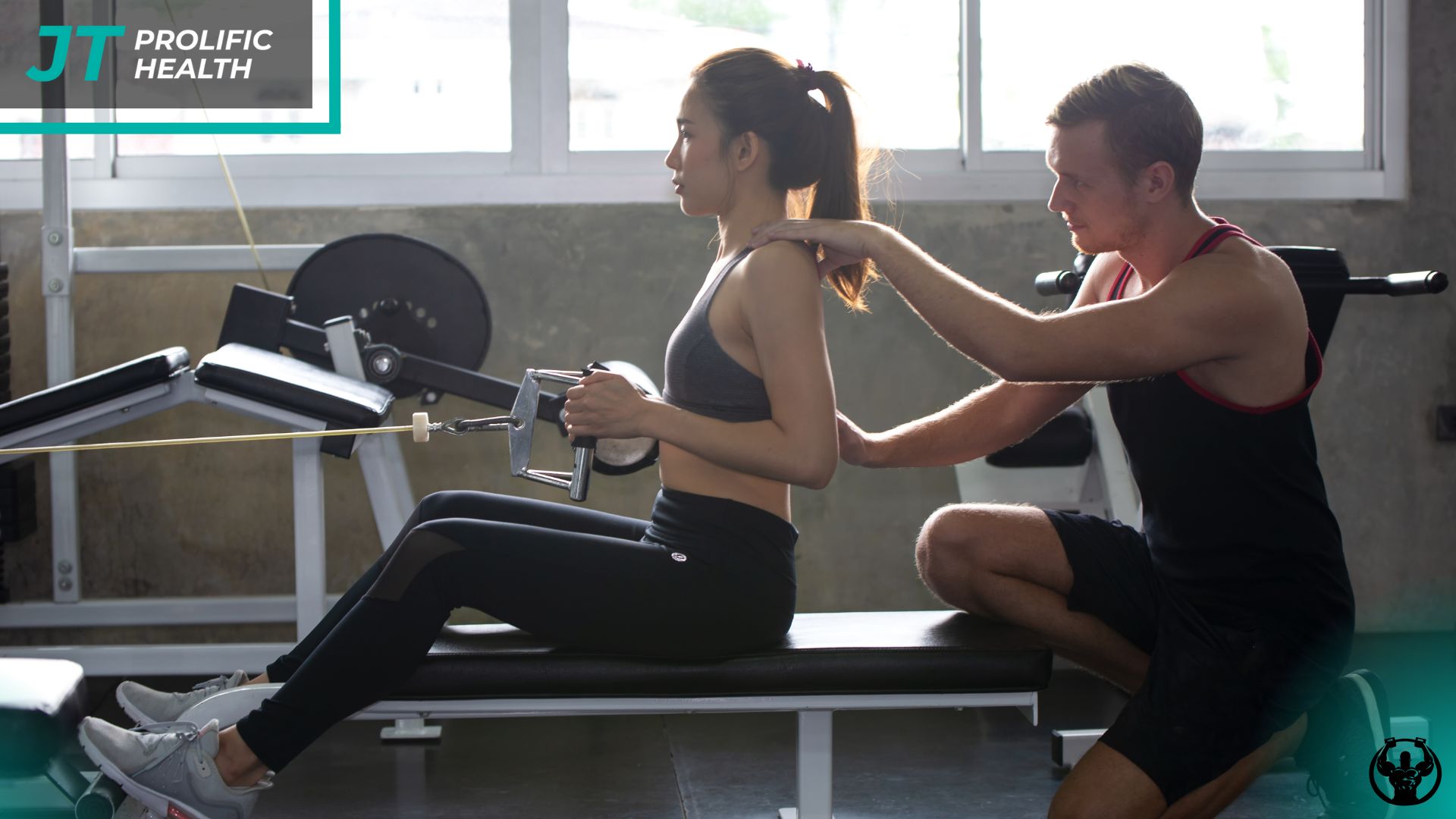
Many new trainers make the mistake of thinking their value lies in writing the “perfect” program. In reality, the perfect program is useless if the client hates it or cannot stick to it.
Developing High-Level Empathy
Your clients are not professional athletes. They are busy parents, stressed executives, and people dealing with chronic pain. Learning how to be a personal trainer means learning to listen. If a client walks in exhausted from a sleepless night with a sick toddler, pushing them to hit a personal best on the squat rack is not good coaching—it is negligence. A great coach adjusts. They might switch the session to mobility work or lighter volume. This ability to read the room and adapt is what builds trust. It shows the client you care about them, not just their numbers.
Communication and Cues
You might understand biomechanics, but can you explain it to someone who has never stepped foot in a gym? Using technical jargon often confuses clients. Instead, you need to master external cues.
-
Internal Cue: “Contract your latissimus dorsi.”
-
External Cue: “Squeeze an orange in your armpit.”
Effective communication helps clients develop a strong mind muscle connection, ensuring they feel the exercise in the right muscles. This keeps them safe and makes the exercise more effective.
The Anti-Grind Mindset: Promoting Holistic Health
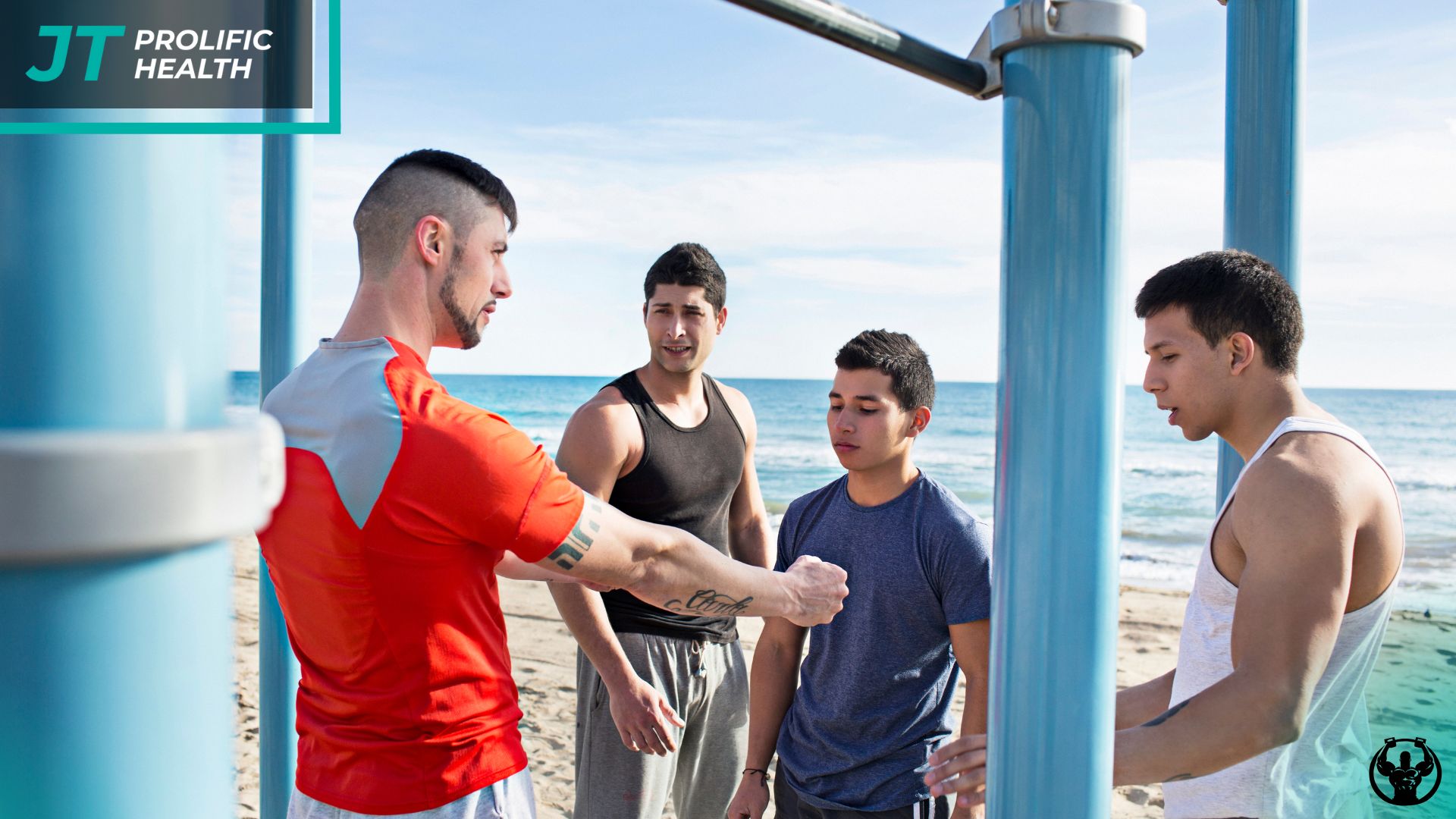
The old school mentality of “go hard or go home” is fading. As a modern trainer, your job is to help clients fit fitness into their lives, not force their lives around fitness.
Managing Stress, Not Just Sets
Exercise is a form of stress. For a client who is already overflowing with life stress (work deadlines, financial pressure), adding a high-intensity workout can lead to burnout or injury. Part of learning how to be a personal trainer is learning to manage this “allostatic load.” We encourage our team to look at the big picture. Are they sleeping? Are they drinking water? Sometimes, the most productive thing you can do for a client is teach them how to breathe and recover.
The Scope of Practice
You must know your lane. You are a trainer, not a doctor, physical therapist, or registered dietitian.
-
Can Do: Suggest healthy eating habits, teach proper form, design exercise programs.
-
Cannot Do: Prescribe meal plans (medical nutrition therapy), diagnose a rotator cuff tear, manipulate soft tissue. Crossing these lines is unethical and dangerous. When in doubt, refer out. Building a network of trusted professionals (physios, RMTs, RDs) makes you a more valuable resource to your clients.
The Best Way to Learn: Be a Client First
This is the most overlooked step. If you want to sell coaching, you must buy coaching. You need to feel what it is like to be on the other side of the clipboard.
Experiencing Professional Standards
By hiring a mentor or joining a reputable program, you see how pros handle the details. How do they greet you? How do they structure the first session? How do they follow up? At Prolific Health, we often see aspiring trainers come through our doors. They realize that reading a textbook is different from the practical application of training principles in a live setting.
Moving Beyond DIY
You might be fit because you have “figured it out” over the years. But your future clients don’t have years. They need results now, and they need them safely. Relying on DIY workouts often leads to gaps in your development. You might be great at chest presses but terrible at assessing hip mobility. Working with a coach exposes your weak points and shows you the standard of care required to charge for your services.
Building Your Career: Employment Options
Once certified, where do you go? The environment you choose will shape your early career.
Commercial Gyms
Big box gyms are the traditional starting point. The pay is often low, and the hours are long, but the volume of people is high. It is a “sink or swim” environment where you learn to sell and handle different personality types quickly. However, the turnover is high because the focus is often on sales numbers rather than client results.
Private Studios and Clinics
Facilities like Prolific Health operate differently. The focus is on quality over quantity. In a private setting, you often have more time to dedicate to each client, and the mentorship from senior staff is usually more hands-on. If you are serious about a long-term career, look for environments that prioritize 1-on-1 Private Training excellence and education over hitting sales quotas.
Hybrid and Online Training
The digital shift has opened new doors. Many trainers now operate using a Hybrid Personal Training model, combining in-person assessments with app-based programming. This requires excellent organization and digital communication skills, but it allows for a more flexible schedule.
The Importance of E-E-A-T in Your Career
Google evaluates content based on Experience, Expertise, Authoritativeness, and Trustworthiness (E-E-A-T). As a trainer, your career is built on the same pillars.
-
Experience: Log the hours. There is no shortcut to seeing 1,000 different squats.
-
Expertise: Specialize. Don’t try to be everything to everyone. Be the expert in back pain, or post-natal, or athletic performance.
-
Authoritativeness: Share accurate info. When you post on social media or talk to clients, cite sources. Be the voice of reason in a sea of fitness trends.
-
Trustworthiness: Keep your word. Show up on time. Keep client information private.
Why Coaching Matters for Your Growth
We have discussed the technical steps, but the biggest hurdle is often the “imposter syndrome” that comes with starting. You might wonder, “Who am I to tell people what to do?”
This is why we strongly recommend immersing yourself in a professional environment before trying to launch a solo business. By joining a community like our Group Strength Training, you observe how a coach manages a room, modifies exercises on the fly, and creates a supportive atmosphere. You learn through osmosis.
Prolific Health 7471 Blundell Road, Richmond, BC, V6Y1J6, Canada Phone: +1 604 818 6123
At Prolific Health, led by Jason Tam, we are committed to raising the standard of the fitness industry. We believe that better coaches create healthier communities. Whether you are an aspiring trainer looking to refine your own technique or a client seeking the highest standard of care, our doors are open.
Common Questions About how to be a personal trainer
Q: Do I need a college degree to be a personal trainer?
A: Not strictly, but it helps. Most commercial gyms require at least a high school diploma and a CPT certification. However, high-end medical fitness facilities often prefer or require a bachelor’s degree in Kinesiology or Exercise Science.
Q: How long does it take to get certified?
A: It varies by program. Most self-study certification courses (like ACE or NASM) take between 3 to 6 months to complete if studying part-time. Intensive workshops can shorten this timeline, but the depth of knowledge takes years to acquire.
Q: Can I make a full-time living as a personal trainer?
A: Yes, but it takes time to build a client base. The average trainer starts part-time. To make a sustainable full-time income, you need to treat it like a business—focusing on retention, referrals, and potentially adding revenue streams like online coaching.
Q: Is it hard to find clients?
A: In the beginning, yes. You have to be proactive. This is why starting in a gym with existing foot traffic is easier than starting a home business from scratch. Building relationships and delivering results is the best marketing strategy.
Q: Do I need to look like a bodybuilder to be a trainer?
A: Absolutely not. Clients want to know that you are healthy and practice what you preach, but they care more about your ability to help them than the size of your biceps. Relatability and empathy are more important than a six-pack.
Q: What insurance do I need?
A: You need professional liability insurance. This protects you in case a client gets injured during a session and decides to sue. Most certification bodies offer discounted insurance rates for their members.
Q: How do I choose a specialization?
A: Start with the general population. As you work, you will notice what problems you enjoy solving. Do you love helping seniors regain balance? do you love helping runners get faster? Let your experience guide your niche.
Q: What is the hardest part of the job?
A: The schedule. Trainers often work when others are free—early mornings, evenings, and weekends. It can be socially isolating if you don’t set boundaries. Learning to manage your energy and schedule is critical for longevity.
Conclusion
Learning how to be a personal trainer is a journey of constant evolution. It starts with a textbook, but it truly begins when you shake hands with your first client. It is a career that demands your head and your heart.
If you are serious about this path, don’t try to walk it alone. Invest in your own body and mind first. Hire a coach, learn the standards, and feel the difference that professional guidance makes. When you understand the power of coaching from the inside out, you will be ready to change lives.
Ready to experience the standard of professional coaching? Contact Prolific Health today to book your consultation and see what elite training looks like in practice.