
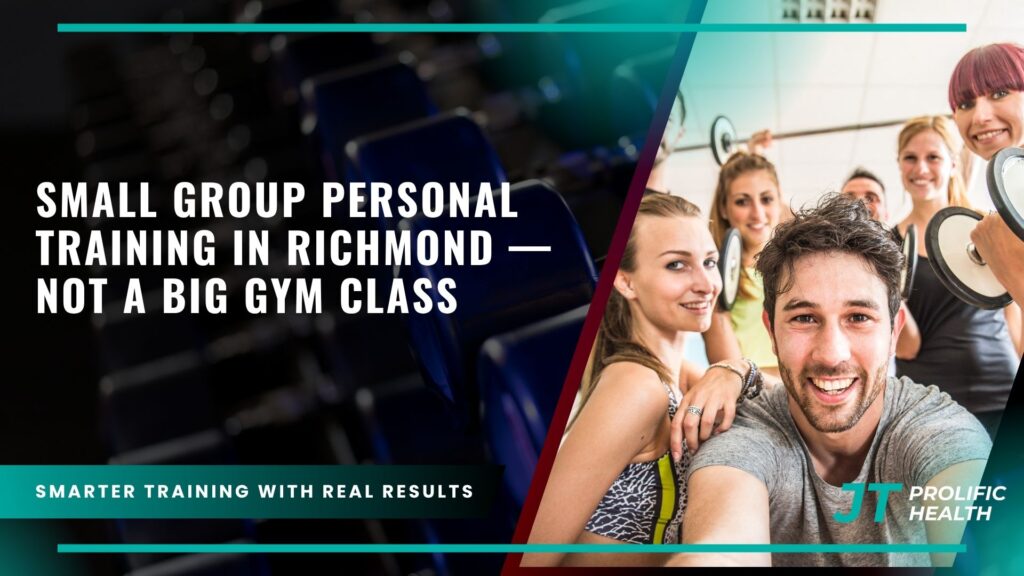
When most Richmond residents search for small group personal training near me, they’re looking for something specific that large commercial gym group classes don’t deliver. They want the energy and cost efficiency of training with others but with a level of individual attention, movement feedback, and programming structure that disappears the moment a class grows beyond the point where a single coach can track every person in the room. That combination is harder to find locally than the number of group fitness options in Richmond would suggest.
Large group fitness classes serve a genuine purpose. They’re accessible, energetic, and provide enough structure to support consistency for people whose primary goal is general activity. What they can’t provide, regardless of how qualified the instructor is, is meaningful individual coaching in a room of fifteen or twenty people. The instructor manages group energy and demonstrates movements. They cannot simultaneously monitor your knee tracking during a squat, cue your shoulder position on a press, and adjust your load based on how your third set compared to your first. In a small group setting of four to eight people, all of those things become possible. The entire coaching model changes.
Prolific Health operates a small group personal training program in Richmond built around exactly that model. This article explains what small group training actually delivers, how it differs from both large group classes and 1-on-1 private training, and what Richmond and Vancouver residents should expect from a program that takes the small group format seriously.
Key Takeaways
- Small group personal training near me searches reflect a specific need that large commercial gym classes don’t meet: individual coaching attention within a group training environment.
- Small group training at Prolific Health combines the accountability and cost efficiency of group formats with the movement feedback, progressive programming, and individual coaching depth that large classes structurally cannot deliver.
- The optimal small group size for genuine coaching accountability is four to eight participants; beyond that threshold, individual attention per person drops below what produces meaningful movement correction and progress tracking.
- Progressive programming across training cycles is what separates small group personal training from recurring group fitness classes, and it is the structural element that determines whether results compound over time or plateau.
- Small group personal training in Richmond is typically more cost-effective than 1-on-1 private training while delivering substantially better individual coaching outcomes than large group class formats.
- A proper intake assessment before joining any small group program is the clearest indicator that the coaching model is built around individual participants rather than generic group management.
What Small Group Personal Training Actually Means
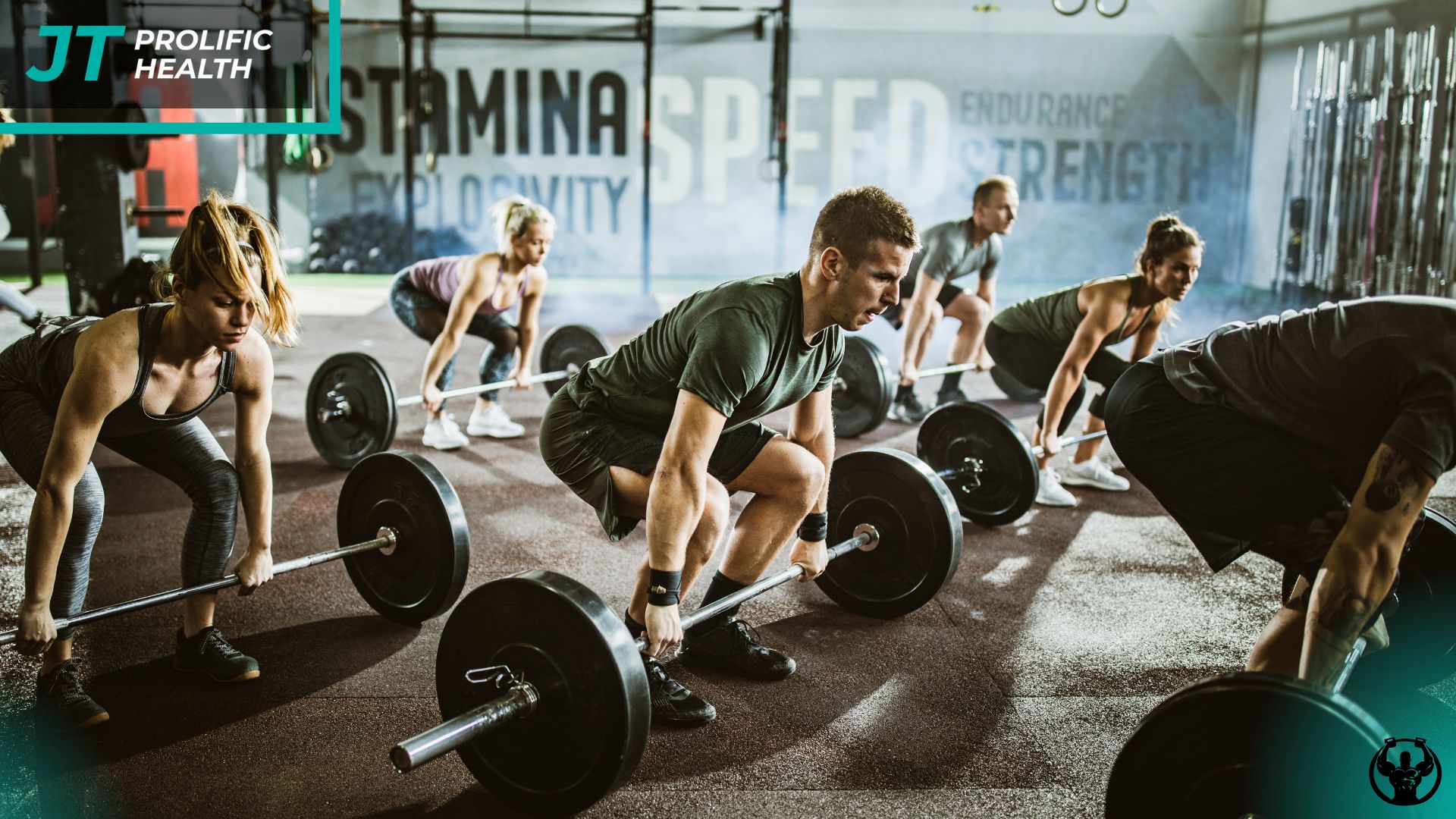
The term small group personal training gets used loosely enough across the Richmond and Metro Vancouver fitness market that it’s worth defining clearly before evaluating any specific option. Small group personal training near me results will include everything from two-person buddy training arrangements to groups of twelve described as intimate by a marketing team with flexible standards.
Genuine small group personal training involves a qualified coach working with a deliberately limited number of participants, typically four to eight, within a session designed to accommodate individual movement assessment, load adjustments, and specific coaching cues for each person present. The programming is periodized and progressive across weeks and months rather than varied for novelty. The coach knows each participant’s injury history, movement limitations, and training background because they gathered that information during an intake process before the participant joined. The result is a training environment that feels meaningfully different from a fitness class and produces outcomes that reflect that difference across any realistic training timeline.
At Prolific Health, the group strength and conditioning program operates on that model. Head coach Jason Tam conducts an intake assessment with every participant before their first group session, building enough individual context to coach them specifically within the group setting rather than generically. Session sizes are managed deliberately to maintain the individual attention threshold that makes the small group model worth choosing over larger alternatives. For Richmond clients in Bridgeport and Hamilton who’ve tried large group class formats and found the individual coaching absent, the difference is apparent within the first session.
The Coaching Gap Between Small Group and Large Group Formats
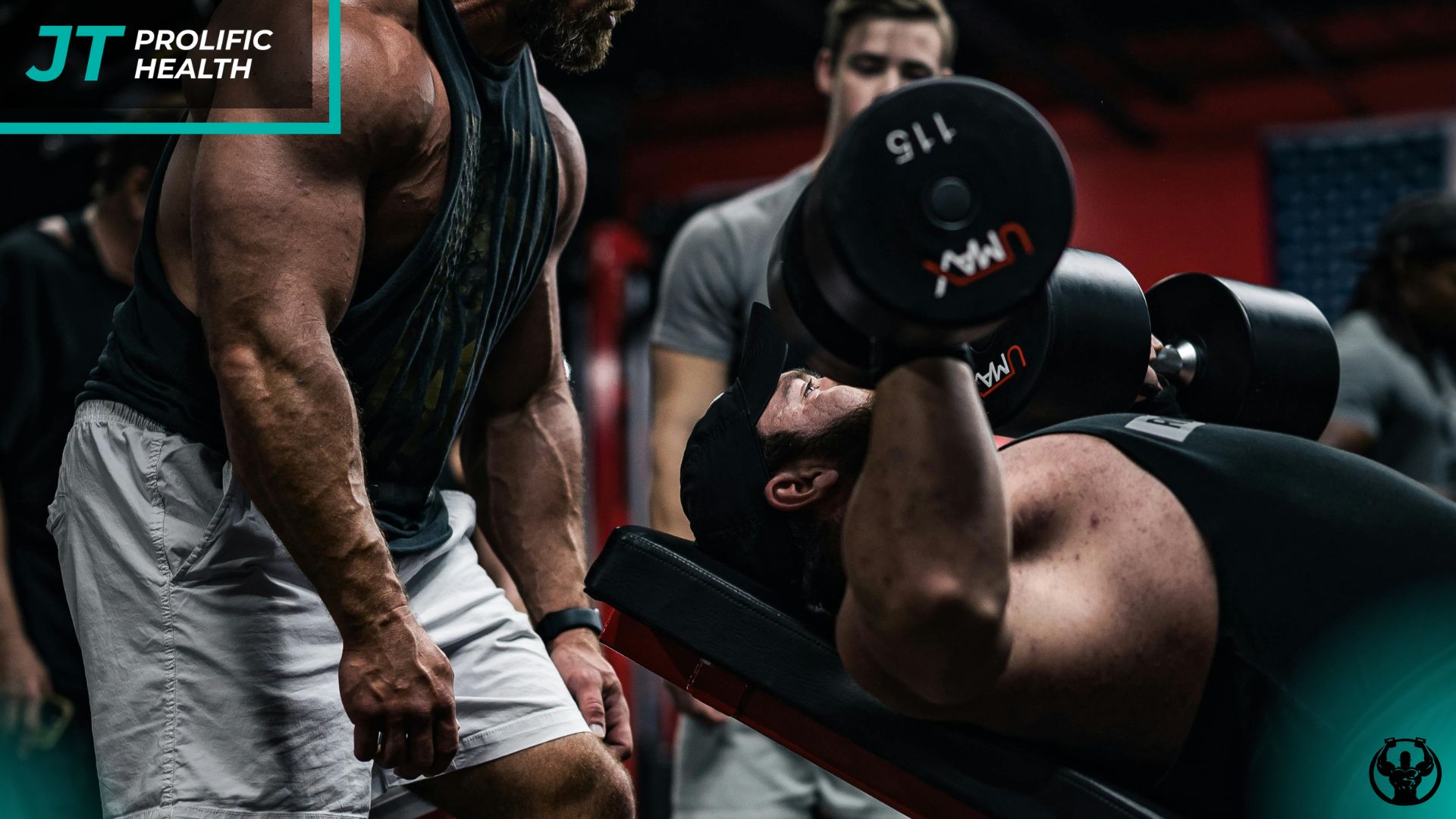
Understanding why small group personal training near me is a meaningfully different search from group fitness classes near me requires understanding what happens to coaching quality as group size increases. This is not an abstract concern. It has direct consequences for injury risk, movement development, and the rate at which participants produce results.
A coach working with five people can watch everyone move across an entire set, identify the participant whose knee is tracking inward during a lunge, provide a specific cue before the next repetition, and confirm the correction happened before moving to the next participant. That cycle takes thirty seconds per person and keeps every participant in the room receiving individual-level movement feedback throughout the session. A coach working with eighteen people cannot replicate that cycle. The mathematics don’t allow it, regardless of how skilled or attentive the coach is.
The consequences of that gap compound over time. A movement error that gets corrected in week two of a small group program continues uncorrected across months in a large group class where the coach’s attention is too divided to catch it consistently. That uncorrected error, loaded progressively across sessions, eventually produces the overuse injury or chronic discomfort that sidelines training and requires professional intervention to resolve. Most Richmond residents who’ve attended large group fitness classes for extended periods have experienced some version of this, often without recognizing the group size as the underlying cause.
Progressive load management is the other coaching function that small group settings enable and large group formats structurally prevent. A coach working with five or six people can track what each participant lifted in the previous session, adjust today’s load target accordingly, and make real-time decisions about whether a participant is ready to progress or needs another session at the current load. In a large group class, that individual load management is functionally impossible, which means participants self-select loads based on feel and observation rather than based on a coach’s informed recommendation. That self-selection process is one of the primary reasons large group class participants plateau earlier than small group training participants. This resource on how personal trainers track progress for Vancouver clients explains how that tracking and adjustment process functions within a professionally coached training relationship.
What Small Group Training Costs in Richmond and Why It’s Worth Comparing Carefully
For Richmond residents evaluating small group personal training near me options, the cost comparison across different training formats is worth making carefully rather than simply comparing monthly fees.
Large commercial gym memberships in Metro Vancouver typically run $40 to $100 per month and provide equipment access and group class schedules. The monthly cost is low, and for participants who can self-direct effectively, it delivers reasonable value. For participants who need coaching feedback to produce results and avoid injury, the low monthly cost reflects the low level of individualized service.
Large group fitness classes through boutique studios in Richmond and Vancouver typically run $150 to $300 per month for unlimited class access or package pricing. The coached environment improves on the self-directed gym model, but the large group limitations on individual attention apply across every session regardless of what the monthly fee suggests about the quality of the experience.
Small group personal training at Prolific Health runs within the group strength and conditioning pricing range of $100 to $250 per month depending on session frequency, delivering individual coaching attention and progressive programming at a monthly cost that is comparable to or lower than many boutique class studio packages. The value comparison shifts significantly when you account for what each option actually produces across three to five months of consistent participation rather than simply what it costs per month. For a full breakdown of how different coaching formats compare in value across the Richmond and Vancouver market, this guide to personal training costs in Vancouver provides the relevant context.
1-on-1 private training at $60 to $150 per session delivers the highest level of individualization but at a monthly cost that exceeds what many Richmond residents can sustain consistently. For participants whose physical situation allows effective coaching within a small group setting, the small group format often delivers eighty to ninety percent of the 1-on-1 outcome at a fraction of the monthly investment. The right format is the one that delivers sufficient individualization for your specific situation at a cost that allows consistent long-term participation. This comparison of personal training versus gym membership options in Richmond covers how to think about that format decision practically.
Who Benefits Most From Small Group Personal Training in Richmond
The small group personal training near me model is not the optimal format for every Richmond client, and being honest about who it serves best helps set accurate expectations before joining a program.
Small group training works best for clients who have completed an initial intake and movement assessment, whose physical limitations don’t require session-by-session individualization beyond what a skilled coach can deliver within a group setting, who are motivated by the social dynamic of training alongside others, and whose goals, whether body composition, functional strength, or general fitness improvement, can be addressed through a well-designed group strength program. Most Richmond adults in their 30s through 50s who are managing the standard physical consequences of sedentary professional work fit that profile well.
1-on-1 private training is typically the better starting format for clients who are immediately post-rehabilitation from a significant injury, managing complex movement limitations that require session-by-session individualization, or working toward goals specific enough that the group programming can’t be tailored to them adequately. For those clients, the small group format may be an excellent option after an initial 1-on-1 period establishes the movement foundation that allows safe and productive participation in a coached group setting. This guide on how to start a fitness journey with a trainer covers how to assess that starting format decision before your first consultation.
If you’ve been searching for small group personal training near me in Richmond and haven’t found an option that delivers genuine individual coaching within a group setting, Prolific Health is currently accepting new participants. Jason Tam works with Richmond and Vancouver clients from the studio at 7471 Blundell Rd, Richmond, BC V6Y 1J6, and the intake consultation before joining the group program is included at no charge. Call 604 818 6123 to book your first conversation and find out whether small group training or another coaching format is the right fit for your specific situation.
Frequently Asked Questions About Small Group Personal Training Near Me
Q: How is small group personal training different from a regular group fitness class in Richmond?
A: Small group personal training involves deliberate session size limits, an individual intake assessment before joining, and a coach who provides specific movement feedback and load adjustments to each participant during every session. Regular group fitness classes apply the same workout to everyone simultaneously with limited individual attention. The structural difference produces meaningfully better movement correction, safer progressive loading, and more durable long-term results than large class formats deliver.
Q: What is the ideal group size for small group personal training in Richmond?
A: Four to eight participants is the range within which a qualified coach can provide meaningful individual attention to every person in the session. At Prolific Health, session sizes are managed deliberately to stay within that threshold, because maintaining individual coaching attention is what distinguishes the small group model from large class formats and justifies the programming approach that produces results.
Q: Do I need prior training experience to join the small group program at Prolific Health?
A: No prior experience is required. The intake assessment before joining establishes your current movement quality and physical capacity, which Jason Tam uses to scale loads and movements to your individual starting point during sessions. Complete beginners and experienced participants train in the same sessions with the program scaled to each person’s context. This resource on how personal trainers help gym beginners covers what that early stage process looks like for Richmond residents starting from a low baseline.
Q: How often should I attend small group sessions to see meaningful results?
A: Two to three sessions per week produces the most reliable results for most Richmond participants. Two consistent sessions per week delivers meaningful strength and body composition improvements for clients whose schedule or recovery capacity makes three sessions per week difficult to sustain. The social accountability structure of the small group setting often produces better attendance consistency than solo training, which helps the compounding effects of progressive programming accumulate reliably across the critical first three to five months.
Q: Can I participate in the small group program if I have a previous injury?
A: Yes. The intake assessment specifically identifies physical limitations that affect how you should train within the group setting, and Jason Tam scales movements and loads for participants with injury history throughout every session. The small group format allows a level of individual movement oversight that makes participating with physical limitations significantly safer than large class formats where those limitations may go unaddressed. This resource on how trainers modify exercises for injuries in Richmond explains how that modification process works in practice.
Conclusion
Small group personal training near me searches reflect a genuine need that large commercial gym classes consistently fail to meet: a training environment that provides individual movement coaching, progressive programming, and real coaching accountability within a group setting that also delivers social consistency and reasonable monthly cost.
The small group model at Prolific Health is built specifically around delivering those outcomes rather than approximating them. Session sizes are managed to preserve individual coaching attention, programming progresses deliberately across training cycles rather than varying for variety’s sake, and every participant goes through an intake process that gives Jason Tam the context to coach them specifically rather than generically.
Richmond residents who’ve settled for large group class formats because they couldn’t find a genuine small group option nearby now have a closer alternative than they might expect. When you’re ready to find out what coached small group training actually feels like compared to what you’ve been doing, the studio on Blundell Road is where that comparison becomes immediately clear.