

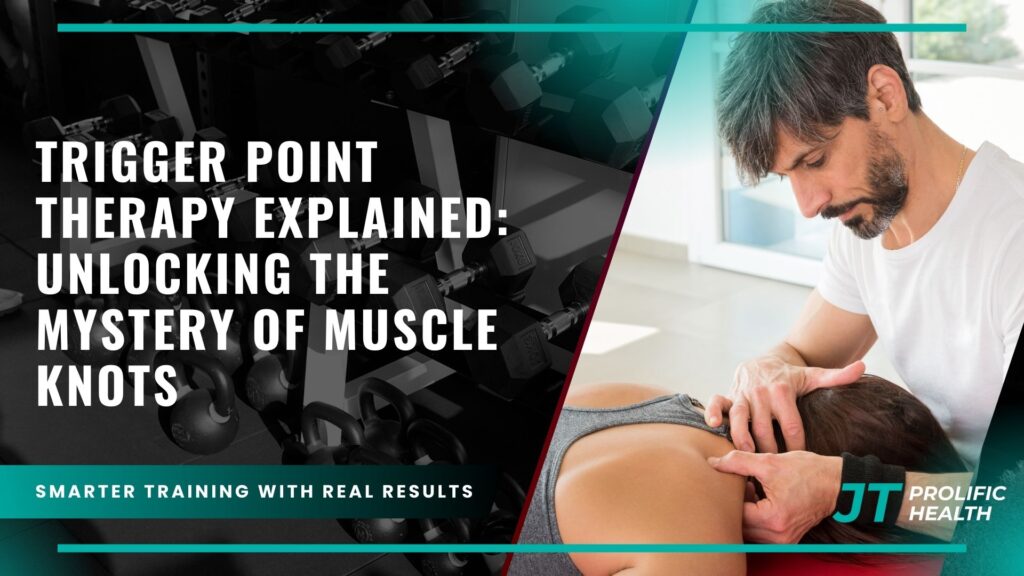
You know that nagging, localized pain in your upper back that just won’t go away? Or perhaps a dull ache in your shoulder that flares up every time you sit at your desk for too long? We often dismiss these sensations as “just stiffness” or the inevitable result of aging. In reality, you are likely dealing with a myofascial trigger point—a hyper-irritable spot in a tight band of muscle.
While the term might sound technical, the sensation is universally understood. These “knots” can severely limit your range of motion, weaken your strength, and even send referral pain to completely different parts of your body. Trigger point therapy is the systematic approach to releasing these contracted areas, allowing blood flow to return and normal function to resume. For the busy professional juggling high stress and long hours, understanding this therapy is often the key to training without pain and living without restriction.
Key Takeaways
-
Referred Pain: A key characteristic of trigger points is that they often cause pain in distant areas, making diagnosis tricky without professional help.
-
Oxygen Deprivation: Knots create a localized hypoxic (low oxygen) environment, preventing the muscle from healing naturally.
-
Mechanical Release: Therapy involves applying sustained pressure to physically disrupt the contraction and flush out metabolic waste.
-
Stress Connection: Chronic mental stress exacerbates muscle tension, turning minor knots into major mobility roadblocks.
-
Active Recovery: Combining therapy with specific exercises ensures the knot doesn’t return the moment you sit back down.
Overview
This comprehensive guide dives deep into the mechanism of trigger point therapy. We will move beyond the simple explanation of “muscle knots” to explore the physiological “energy crisis” happening inside your tissues. You will learn how modern work habits contribute to their formation and why the “no pain, no gain” mentality of aggressive foam rolling often backfires. We also discuss why relying solely on DIY tools can lead to misdiagnosis and how professional assessment provides a lasting solution. Finally, we answer common questions about pain levels, frequency, and what to expect during a session.
The Physiology of the “Knot”
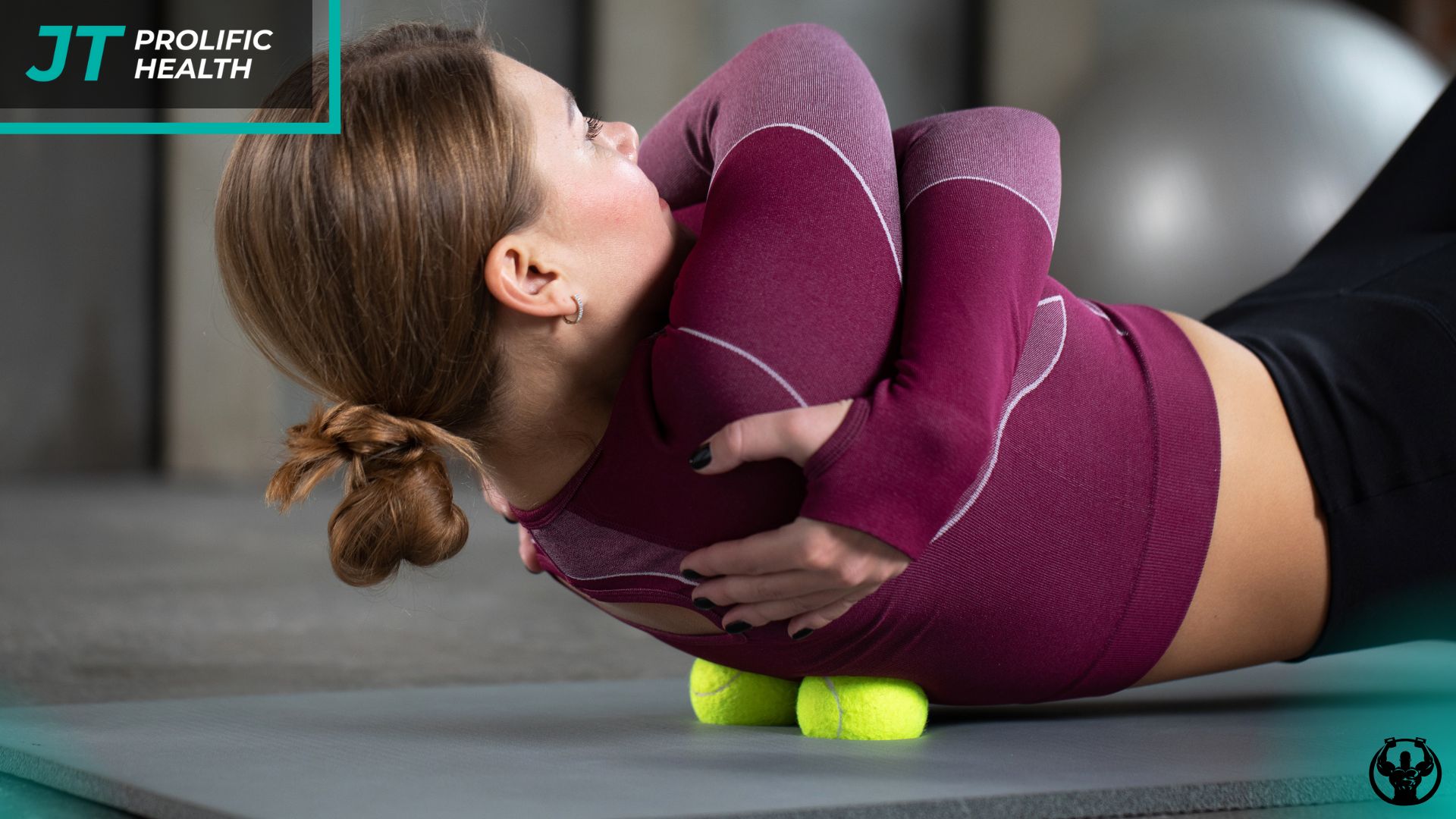
To understand the solution, we must first understand the problem. A trigger point is not physically a knot like you would find in a rope. It is a cluster of muscle fibers that have become stuck in a contracted state.
Normally, muscle fibers contract and relax like a pump. However, due to repetitive strain (like typing for 8 hours) or acute overload (lifting something too heavy), the fibers can get locked in the “on” position. This constant contraction constricts the surrounding capillaries, cutting off the blood supply.
According to research published in the Journal of Bodywork and Movement Therapies, this creates a metabolic crisis. The area becomes acidic because waste products like lactate cannot be flushed out, and fresh oxygen cannot get in. Trigger point therapy intervenes by applying direct pressure. This mechanical compression momentarily stops blood flow completely; when released, a rush of fresh, nutrient-rich blood floods the tissue, breaking the cycle of pain and stiffness.
The Connection Between Posture and Pain
For our clients in Richmond, the most common cause of trigger points is not a heavy deadlift—it is the office chair. Sustained, low-level contraction is actually more damaging to muscle tissue than brief, high-intensity effort.
When you sit with rounded shoulders, your chest muscles (pectorals) are in a constantly shortened state, while your upper back muscles (trapezius and rhomboids) are constantly overstretched. Both scenarios create the perfect environment for trigger points to form.
This is why you might feel a headache that starts at the base of your skull and wraps around your eye. That is often a trigger point in the upper trapezius referring pain upwards. Understanding this referral pattern is crucial. You might be treating your head with painkillers when the real culprit is your shoulder. Our personal training basics guide emphasizes the importance of posture correction alongside therapy to prevent these patterns from becoming permanent.
Trigger Point Therapy vs. “Grind Culture”
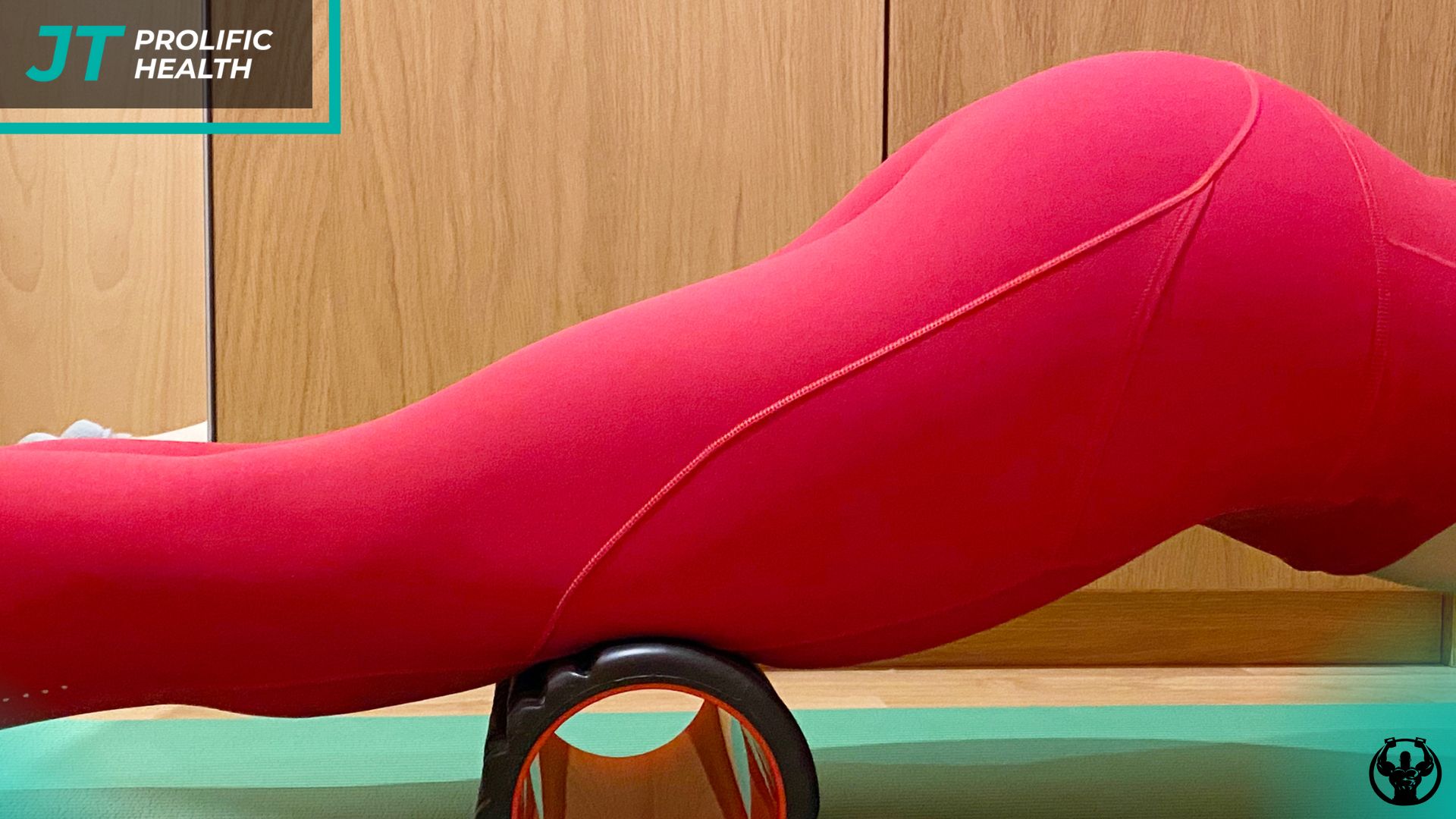
There is a misconception in the fitness world that recovery should hurt. You see people aggressively rolling on hard PVC pipes, grimacing in pain, believing they are “breaking up scar tissue.” This aggressive approach often triggers a protective reflex where the muscle tightens up even more to defend itself.
Trigger point therapy requires a calibrated touch. The goal is to melt the tension, not crush it. If the pain is too intense, your nervous system shifts into “fight or flight” mode, flooding your system with cortisol. This is the opposite of what we want for recovery.
We advocate for a holistic approach. We use a pain scale of 1 to 10. Effective therapy usually sits around a 6 or 7—uncomfortable, but “good pain.” This allows your parasympathetic nervous system (rest and digest) to remain active, facilitating true release. Integrating cardiovascular exercises after therapy can further help by increasing systemic blood flow to flush out the released toxins.
Why DIY Tools Have Limits
We are big fans of empowering you to take care of your body. Tools like lacrosse balls and massage canes are excellent for maintenance. However, they lack the diagnostic intelligence of a professional.
A tennis ball cannot tell the difference between a trigger point and an inflamed tendon. Pressing hard on a tendon can cause injury. Furthermore, because of referred pain, the spot that hurts is rarely the spot that needs to be treated. You might be digging a ball into your lower back when the actual trigger point is in your glute or hip flexor.
A professional trainer or therapist understands anatomy. We trace the pain back to its source. We identify if the knot is a primary trigger point or a satellite point caused by an issue elsewhere. This strategic approach saves you time and prevents you from bruising yourself unnecessarily.
Integrating Therapy into a Strength Program
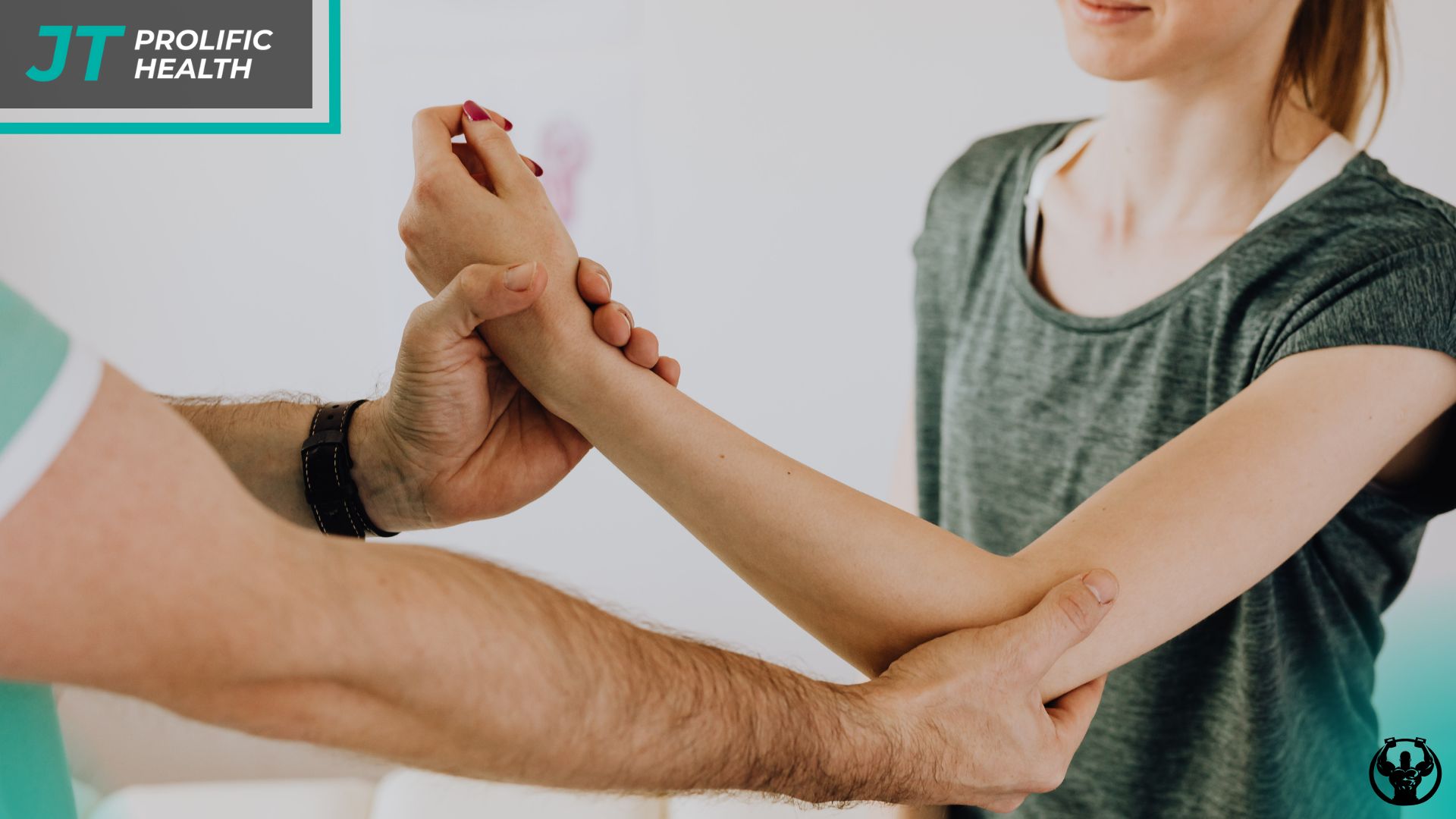
Many people view therapy and training as separate entities. You train to get strong; you get therapy when you are hurt. At Prolific Health, we view them as integrated components of performance.
A muscle with a trigger point is a weak muscle. It is already partially contracted, meaning it has less capacity to generate force. By releasing the trigger point, you instantly restore the muscle’s potential strength. This is why we often perform localized release work before or during a workout to improve range of motion.
For example, releasing tight hip flexors before a squat session allows you to achieve better depth and engage your glutes more effectively. This active integration is a key part of our male strength training techniques, ensuring that you are building strength on a foundation of healthy, pliable tissue.
The Mental Release
It is impossible to separate the physical from the mental. High-stress professionals often carry their anxiety in their musculature—specifically the jaw, neck, and shoulders. “Armoring” is a subconscious tensing of muscles in response to stress.
Trigger point therapy does more than just relax fibers; it signals safety to the brain. When a chronic knot finally releases, clients often report a sudden drop in anxiety and a feeling of lightness. It is a physical manifestation of “letting go.”
We encourage you to view these sessions not as a luxury, but as a reset button for your nervous system. It is a time to disconnect from the digital world and reconnect with your physical self. This mindfulness aspect is essential for long-term adherence and happiness.
Moving From Relief to Resilience
The ultimate goal is not to need therapy forever. While maintenance is healthy, we want to build a body that is resilient to trigger points. This requires strengthening the muscles in their full range of motion.
Once a trigger point is released, the window of opportunity opens. You must then train that muscle to handle load. If you just release it and go back to slouching, the knot will return. We use effective exercise selection to strengthen the weak areas that were compensating in the first place.
For instance, after releasing tight chest muscles, we immediately focus on strengthening the upper back. This pulls your shoulders back into alignment naturally, removing the mechanical stress that caused the trigger point. This cycle of Release-Mobilize-Strengthen is the blueprint for a pain-free life.
Ready to Release the Tension?
If you are tired of living with mysterious aches and limited mobility, it is time to address the root cause. We invite you to visit Prolific Health at 3231 No 6 Rd Unit 105, Richmond, BC V6V 0C2. You can also reach us directly at +1 604 818 6123 to schedule a consultation. Let us help you unlock your body’s potential with a professional, integrated approach to health.
Common Questions About Trigger Point Therapy
Q: Is trigger point therapy the same as deep tissue massage? A: Not exactly. Deep tissue massage treats the whole muscle with broad strokes. Trigger point therapy is highly specific, applying static pressure to a focused point to release a contraction.
Q: How painful is the treatment? A: It involves some discomfort, often described as “good pain.” We aim for a level where you can still breathe deeply. If you are tensing up or holding your breath, the pressure is too deep.
Q: Can I workout after a session? A: Light exercise is actually encouraged. Moving the muscle through its full range of motion helps flush out metabolic waste. However, avoid max-effort heavy lifting on the same muscle group immediately after intense work.
Q: How long does it take for a knot to go away? A: New trigger points can release in seconds. Chronic knots that have been there for years may require multiple sessions and consistent lifestyle changes to fully resolve.
Q: Why do I feel sore the next day? A: This is post-treatment soreness, similar to what you feel after a workout. The release process releases waste products into the tissue. Hydration and light movement help clear this quickly.
Q: Can trigger points cause headaches? A: Absolutely. Trigger points in the neck (SCM, trapezius, suboccipitals) are a leading cause of tension headaches. Treating the neck often eliminates the headache instantly.
Q: Do I need special equipment? A: No. While therapists use their hands, elbows, or specialized tools, effective maintenance can be done with a lacrosse ball or foam roller once you know the correct spots.
Q: Will the knots come back? A: If you return to the habits that caused them (poor posture, repetitive strain, lack of movement), they will likely return. Strengthening the surrounding muscles is the best prevention.
Conclusion
Trigger point therapy is a powerful tool for anyone seeking to improve their quality of life. It bridges the gap between medical treatment and fitness, addressing the invisible sources of pain that plague so many busy professionals. By understanding the physiology of these “knots” and treating them with precision, you can restore your range of motion, reduce stress, and improve your performance in the gym. Do not accept stiffness as your new normal. With professional guidance and a holistic plan, you can live pain-free.