
Deciding to prioritize your health is a monumental first step, but the path forward often feels cluttered with conflicting advice and endless options. You may find yourself asking, “How do i find a personal trainer who actually understands my schedule?” For busy professionals and parents, fitness cannot be a second job. It must be a supportive system that enhances your energy and sharpens your focus. At Prolific Health, we recognize that you aren’t just looking for someone to count your reps; you are looking for a high-level strategist to manage your physical well-being.
Searching for a coach is about more than proximity or price. It is about finding a professional who respects the physiological demands of your high-stress career and your family life. We understand that your time is a finite resource. Therefore, the search for a trainer should focus on expertise, safety, and a holistic philosophy that aligns with your values. This guide will provide the framework you need to identify a coach who provides genuine value and lasting results.
Key Takeaways
Expertise Over Appearance: Prioritize certifications and experience in exercise science rather than social media followers.
Holistic Alignment: Look for trainers who address sleep, stress, and recovery alongside physical movement.
Communication Standards: A great trainer must be able to explain the “why” behind every exercise without using unnecessary jargon.
Safety First: Professional coaching is essential for preventing long-term injuries caused by improper DIY form.
Professional Compatibility: Your coach should be a partner in your work-life balance, not an additional source of stress.
Overview
This comprehensive guide breaks down the process of identifying elite fitness coaching. We will explore the vital credentials you should look for, such as those from the National Strength and Conditioning Association (NSCA), and why a people-first philosophy matters. You will learn how we help busy individuals through Private Training, Group Strength, and Hybrid Coaching models. We also cover how to spot “grind culture” red flags and why a data-driven approach to hypertrophy and mobility is superior to generic workout apps. Our goal is to empower you with the knowledge to make an informed choice for your longevity.
Identifying Professional Credentials and Expertise

When you begin wondering how do i find a personal trainer, your first filter should always be education. A qualified coach should possess a deep understanding of human anatomy and biomechanics. At Prolific Health, we emphasize that certifications from the American College of Sports Medicine (ACSM) or similar bodies are the baseline for safety. These organizations provide the scientific foundation required to create periodized programs that adapt to your specific needs. This expert oversight is what prevents the acute injuries often associated with unguided gym ventures.
Beyond basic certifications, look for a trainer who understands hypertrophy (the growth of muscle cells) and its role in metabolic health. For a professional, building lean muscle isn’t just about aesthetics; it is about creating a resilient body that resists the effects of aging and chronic disease. We use evidence-based protocols to ensure that your training stimulates these adaptations efficiently. Research published in the Journal of Strength and Conditioning Research consistently shows that supervised training leads to superior strength gains and better adherence than independent exercise.
The Importance of Corrective Exercise and Mobility
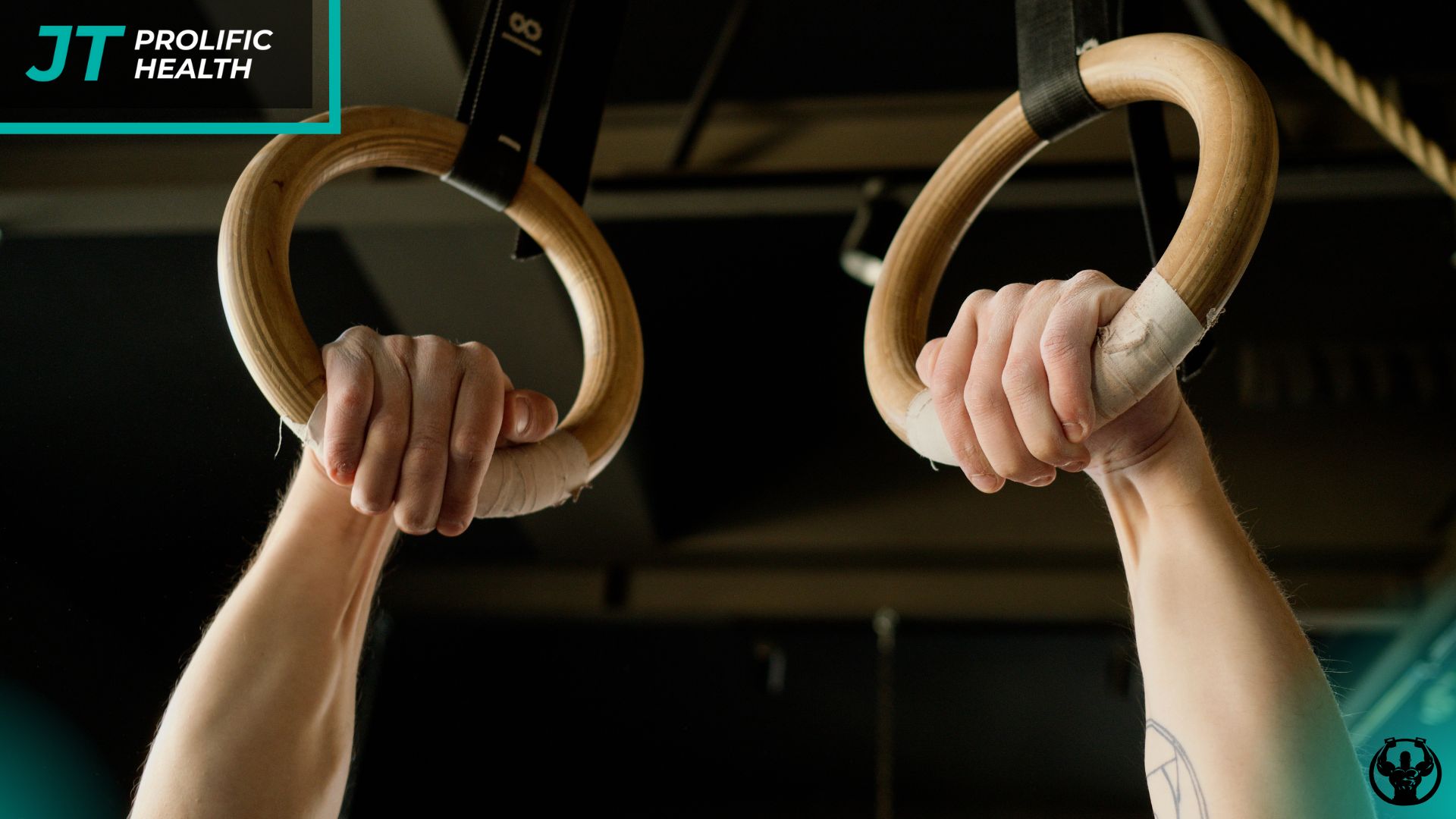
A significant part of professional coaching involves addressing the “sitting-at-a-desk” syndrome. Elite trainers focus heavily on mobility—the active control of a joint through its full range of motion. This is different from passive stretching. We integrate movement assessments into our sessions to identify imbalances before they become painful problems. By focusing on your biomechanics, we make sure that your exercise program supports your posture and reduces the daily aches that can distract you from your work.
We also look at your metabolic conditioning. For a parent with limited time, long bouts of cardio are often impractical. We implement high-efficiency cardiovascular work that improves heart health and endurance without requiring hours of your time. This level of technical planning is a core part of what a trainer provides. We take the guesswork out of the gym so you can focus on the execution.
The Holistic Perspective: Beyond the Gym Floor
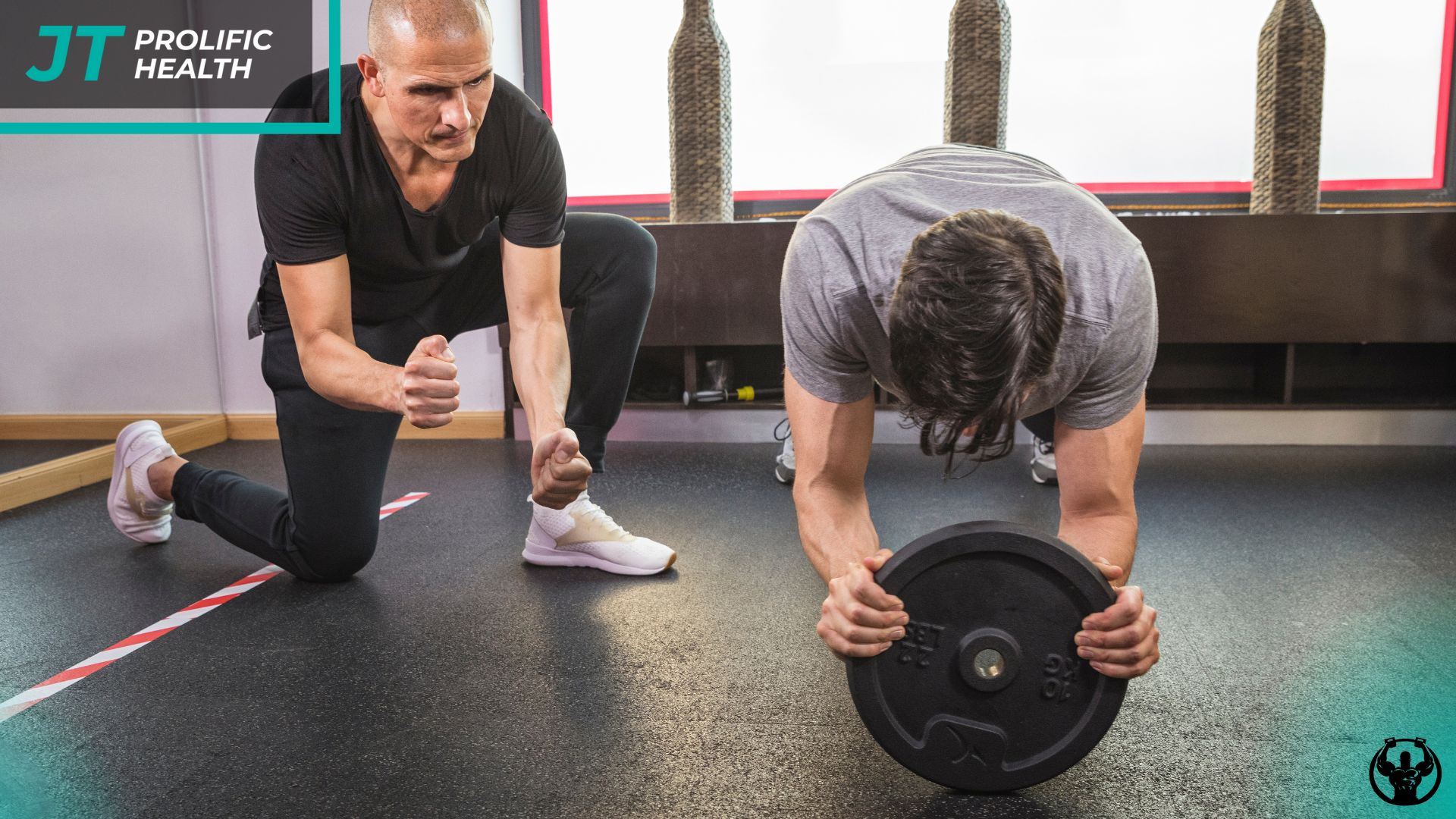
A professional trainer should be a steward of your total health. This includes discussing your recovery strategies, such as sleep hygiene and macronutrient balance. We know that if you are chronically underslept, a high-intensity session might do more harm than good. A holistic trainer monitors your “total stress load” and adjusts your program accordingly. This ensures that you are always training in a way that promotes health, not just fatigue.
This approach is vital for maintaining a healthy work-life balance. When your fitness routine is integrated seamlessly with your lifestyle, it becomes a source of mental clarity and emotional resilience. Studies from the American Psychological Association (APA) suggest that structured physical activity is one of the most effective ways to manage workplace stress and prevent burnout. By viewing your health as an interconnected system, we help you thrive in every area of your life.
Avoiding the Pitfalls of Grind Culture
One perspective to consider when searching for a coach is their attitude toward “grind culture.” Many fitness environments promote an “all or nothing” mentality that is simply unsustainable for busy people. We argue that “no pain, no gain” is a dangerous philosophy that often leads to burnout and injury. Instead, we promote a philosophy of “consistency over intensity.” A great trainer knows when to push you and when to pull back, ensuring that your fitness remains a lifelong habit rather than a temporary obsession.
DIY workouts and generic fitness apps often feed into this grind culture by providing high-intensity workouts that aren’t matched to your current recovery capacity. Without a professional to guide you, it is easy to fall into the trap of overtraining. We provide the external perspective needed to keep your training productive and safe. This is why we advocate for professional services over relying on yourself indefinitely; the accountability and safety of a guided program are worth the investment.
Navigating Different Coaching Models
As you investigate how do i find a personal trainer, you will find several ways to work with a professional. At Prolific Health, we offer Private Training for those who need highly specific, one-on-one attention. This is ideal if you have a history of injuries or a very complex schedule. We also provide Group Strength sessions, which offer a community atmosphere and a more accessible price point without sacrificing professional oversight.
For the modern professional who travels or works remotely, Hybrid Coaching is an excellent option. This model blends the best of both worlds: in-person sessions for form checks and physical assessments, combined with a digital program you can follow anywhere. This flexibility ensures that your fitness doesn’t stop when you leave Richmond. It allows us to stay connected to your progress and provide the accountability you need, regardless of your location.
Finding the right fit for your fitness journey is a vital decision for your long-term success. Prolific Health is here to provide the expertise and community you need to reach your goals. We are located at 7471 blundell road, Richmond, BC, V6Y1J6, Canada. If you are ready to stop searching and start training, call us at +1 604 818 6123 to speak with Jason Tam or one of our expert coaches. Let us show you how a professional partnership can change the way you think about health.
Common Questions About How Do I Find a Personal Trainer
Q: What is the first thing I should check when looking for a trainer? A: Always verify their professional credentials and insurance. Organizations like the NSCA and ACSM set high standards for their certified professionals. Beyond paperwork, look for a trainer who asks about your medical history and lifestyle before they even mention a workout. This shows they are committed to a people-first approach and your personal safety.
Q: Should I find a personal trainer who specializes in my specific goal? A: Yes, specialization is helpful. If your goal is hypertrophy or improved mobility, find a coach with a track record in those areas. However, a great trainer should be a generalist in human health, understanding how to adjust your plan as your goals evolve. At Prolific Health, we focus on the fundamental pillars of health that benefit everyone.
Q: Is it better to find a trainer at a big gym or a private studio? A: Private studios often provide a more focused, less distracting environment. In a private setting like ours, the attention is entirely on the client, and the equipment is maintained to professional standards. Large gyms can sometimes be crowded and intimidating, which might hinder your consistency. Choose the environment where you feel most comfortable and supported.
Q: How do I know if a trainer’s personality is a good fit for me? A: Most professionals offer an initial consultation or a trial session. Use this time to see if they listen more than they talk. You want a coach who is encouraging and empowering, not someone who uses shame or “drill sergeant” tactics. A strong professional relationship is built on mutual respect and clear communication.
Q: How much does it typically cost to hire a personal trainer? A: Rates vary based on experience and the type of coaching. While it is an investment, consider the cost of potential injuries or the wasted time of ineffective DIY workouts. Many trainers, including us, offer tiered options like Group Strength or Hybrid Coaching to make professional expertise more accessible to different budgets.
Q: Can a personal trainer help me if I have a chronic injury? A: Yes, and in many cases, it is highly recommended. A trainer with experience in corrective exercise can help you move around an injury while strengthening the surrounding tissues. We work within your pain-free range of motion to improve your function. However, always ensure your coach is willing to coordinate with your physical therapist or doctor.
Q: How do I find a personal trainer who works with my busy schedule? A: Look for coaches who offer early morning, late evening, or weekend hours. At Prolific Health, we understand the demands on professionals and parents. We offer flexible scheduling and Hybrid Coaching options to ensure that your training fits into your life, rather than forcing your life to fit around the gym.
Q: How long should I work with a trainer before seeing results? A: You will often feel better—more energetic and less stressed—within the first few weeks. Physical changes like muscle growth or weight loss usually become visible within 8 to 12 weeks of consistent training. The key is to find a trainer who focuses on sustainable progress rather than “quick fixes” that don’t last.
Conclusion
The journey toward better health is too important to leave to chance. Knowing how do i find a personal trainer is about identifying a partner who values your time, your safety, and your holistic well-being. By prioritizing expertise over trends and looking for a coach who understands the nuances of a busy lifestyle, you set yourself up for a lifetime of strength and vitality. Remember, the best trainer isn’t the one who works you the hardest, but the one who helps you work the smartest.