
Compound exercises are multi-joint movements that recruit several muscle groups simultaneously, delivering superior strength gains, hormonal responses, and metabolic conditioning compared to isolation work. Unlike single-joint moves such as bicep curls, compound lifts like squats, deadlifts, and rows mimic real-world movement patterns, making them the cornerstone of any efficient training program. By integrating these exercises into your routine, you build a resilient, balanced physique while maximizing every minute spent in the gym.
Key Takeaways
- Compound exercises engage multiple joints and muscle groups, leading to greater strength and muscle hypertrophy in less time.
- Movements like squats, deadlifts, bench presses, rows, and overhead presses form the foundation of functional fitness.
- Research confirms these lifts spike testosterone and growth hormone significantly more than isolation exercises.
- Proper form and progressive overload are non-negotiable for safety and long-term progress.
- Integrating compound lifts 2–4 times per week accelerates fat loss due to elevated post-exercise oxygen consumption.
- Even advanced athletes rely on compound movements to break through plateaus and enhance athletic performance.
- Beginners should master bodyweight variations before adding external load to prevent injury.
What Are Compound Exercises? A Physiological Definition
From a biomechanical standpoint, compound exercises involve dynamic contraction across two or more joints. The classic back squat, for instance, requires simultaneous flexion and extension at the hip, knee, and ankle joints while the core musculature stabilizes the spine. According to the American College of Sports Medicine, these multi-joint movements are superior for developing intermuscular coordination—the nervous system’s ability to synchronize motor unit recruitment across different muscle groups.
This coordination translates directly to activities outside the gym. Picking up a heavy box, climbing stairs, or pushing a stalled vehicle all demand the integrated strength that compound training develops. Isolation exercises, while valuable for rehabilitation or targeting specific weaknesses, simply cannot replicate this systemic demand. The physiological ripple effect includes increased bone mineral density, enhanced connective tissue strength, and improved cardiovascular efficiency due to the greater oxygen demand of large muscle mass activation.
The Science-Backed Benefits of Multi-Joint Training
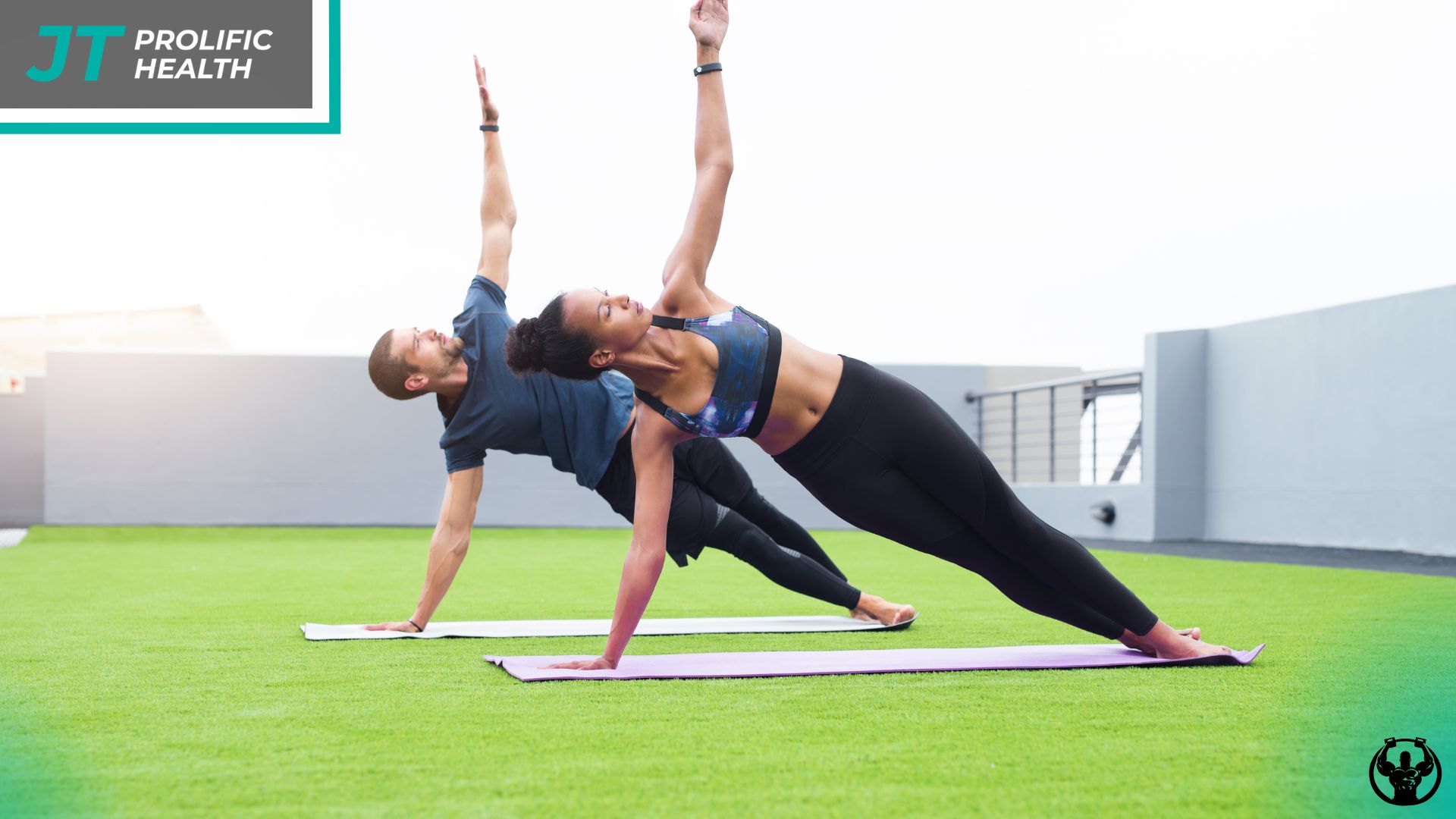
Research from the National Strength and Conditioning Association demonstrates that compound lifts produce a 40% greater acute anabolic hormone response than isolation movements. A landmark study published in the Journal of Strength and Conditioning Research found that subjects performing squats and deadlifts increased resting testosterone levels by 22% over a 10-week period, compared to no significant change in the isolation-only group. This hormonal environment accelerates muscle protein synthesis and recovery.
Beyond hormones, the metabolic cost is staggering. A 2026 meta-analysis from the University of New Mexico revealed that a single session of heavy compound lifting elevates resting metabolic rate for up to 38 hours post-exercise. This phenomenon, known as excess post-exercise oxygen consumption (EPOC), means you continue burning calories long after leaving the gym. For individuals seeking body recomposition, this makes compound exercises the most time-efficient tool available.
Neuromuscular Efficiency and Strength Transfer
Compound movements forge robust neural pathways. When you perform a pull-up, your central nervous system orchestrates a complex symphony of latissimus dorsi, bicep, forearm, and core activation. This neural adaptation creates a “strength transfer” effect—gains in a barbell row directly improve your deadlift lockout, while overhead press strength carries over to handstand push-ups. As Dr. Elena Martinez, Professor of Kinesiology at the University of Texas, explains: “The nervous system doesn’t recognize individual muscles; it recognizes movement patterns. Training compound patterns hardwires efficiency that isolation work cannot achieve.”
The Essential Compound Exercises for a Complete Program
Selecting the right movements ensures balanced development across all fundamental human movement patterns: squat, hinge, push, pull, and carry. Neglecting any single pattern creates structural imbalances that lead to injury. The following exercises have been validated by decades of empirical evidence and biomechanical analysis as the most effective tools for building total-body strength.
| Exercise | Primary Movement Pattern | Key Muscles Targeted | Unique Benefit |
|---|---|---|---|
| Barbell Back Squat | Squat | Quadriceps, Glutes, Spinal Erectors | Highest total-body anabolic stimulus |
| Conventional Deadlift | Hinge | Hamstrings, Glutes, Traps, Forearms | Maximal posterior chain and grip development |
| Bench Press | Horizontal Push | Pectorals, Anterior Deltoids, Triceps | Gold standard for upper body pressing strength |
| Bent-Over Row | Horizontal Pull | Lats, Rhomboids, Biceps | Corrects postural imbalances from desk work |
| Overhead Press | Vertical Push | Deltoids, Triceps, Upper Traps | Builds shoulder stability and core bracing |
| Pull-Up | Vertical Pull | Lats, Biceps, Core | Ultimate relative strength and back width builder |
Programming Compound Lifts: Frequency, Volume, and Intensity
Effective programming hinges on manipulating three variables: frequency (how often you train a movement), volume (total sets and reps), and intensity (load relative to your one-repetition maximum). For beginners, a full-body routine performed three times per week allows for frequent skill practice and rapid neural adaptation. Intermediate lifters often transition to an upper/lower split, hitting each movement pattern twice weekly with varying intensities.
According to strength coach Marcus Chen, CSCS, author of “The Progressive Overload Blueprint”: “The biggest mistake I see is trainees treating every set like a max-effort attempt. Eighty percent of your volume should sit between 65% and 85% of your 1RM, leaving 2–3 reps in reserve. This builds strength without frying your central nervous system.” A sample weekly microcycle might include heavy squats on Monday (4 sets of 5 reps at 80% 1RM) and lighter, faster squats on Thursday (3 sets of 8 reps at 65% 1RM with explosive concentric tempo).
Step-by-Step: How to Integrate Compound Exercises into Your Routine
- Assess Your Movement Competency: Film yourself performing bodyweight squats, push-ups, and hip hinges. Look for spinal flexion, knee valgus, or limited range of motion. Address these limitations before loading.
- Select a Primary Lift for Each Pattern: Choose one squat, one hinge, one horizontal push, one horizontal pull, and one vertical pull. Add a vertical push if shoulder health permits.
- Determine Your Starting Loads: Begin with an empty barbell or light dumbbells. Perform sets of 5 reps, adding small increments until bar speed noticeably slows. That weight is your working max for the session.
- Apply Progressive Overload: Each week, aim to add 2.5–5 lbs to upper body lifts and 5–10 lbs to lower body lifts. When linear progression stalls, manipulate volume and rep ranges.
- Schedule Deload Weeks: Every 4–6 weeks, reduce volume and intensity by 40–50% for one week to allow connective tissue and nervous system recovery.
- Track Everything: Use a training log or app to record sets, reps, load, and subjective technique ratings. Data drives long-term progress.
Common Technique Flaws and How to Fix Them
Even experienced lifters develop form creep over time. The squat often reveals a “butt wink”—posterior pelvic tilt at the bottom of the movement—which places shear stress on lumbar discs. This typically stems from poor ankle mobility or a stance that is too narrow. Widening the stance slightly and elevating the heels on weightlifting shoes or small plates can immediately clean up the movement. For the deadlift, a rounded thoracic spine is acceptable under maximal loads, but lumbar flexion is never permissible. Engaging the lats by “bending the bar” around your shins before the pull locks the back into a safe position.
The bench press frequently causes shoulder impingement when lifters flare their elbows to 90 degrees. Tucking the elbows to a 45–60 degree angle relative to the torso reduces stress on the acromioclavicular joint while increasing pectoral activation. As Dr. Sarah Lin, sports physiotherapist and consultant for Olympic weightlifting teams, notes: “I’d rather see a lifter bench with a slightly narrower grip and full range of motion than a wide grip with half reps. Joint health always trumps ego loading.”
Compound Exercises for Fat Loss and Body Composition
The metabolic demands of compound training make it the most potent weapon for fat loss. A 2026 study from the McMaster University Department of Kinesiology compared a group performing only compound lifts to a group doing steady-state cardio and isolation work. The compound group lost 3.2% more body fat over 12 weeks while gaining 1.8 kg of lean mass, despite consuming identical calories. The mechanism is twofold: the direct caloric cost of moving heavy loads and the indirect cost of repairing and building new muscle tissue.
Pairing compound lifts in a circuit format amplifies this effect. Alternating a lower-body push (squat) with an upper-body pull (row) keeps heart rate elevated while allowing local muscular recovery. This approach, known as peripheral heart action training, can produce cardiovascular improvements comparable to moderate-intensity running, per research published by the American Society of Exercise Physiologists.
Advanced Techniques: Beyond the Basics
Once linear progression stalls, advanced methods reignite adaptation. Cluster sets—breaking a set of 5 reps into singles with 15-second rest intervals—allow you to handle supramaximal loads (above 90% 1RM) with pristine technique. Eccentric-emphasis training, where you lower the weight over 4–6 seconds, triggers significant muscle damage and subsequent hypertrophy. For the deadlift, deficit pulls (standing on a 2-inch platform) increase range of motion and address weakness off the floor.
Periodization becomes critical at this stage. Block periodization, where you dedicate 3–4 week blocks to hypertrophy, strength, and peaking phases, prevents accommodation and overtraining. According to powerlifting coach Dmitri Volkov, who has coached multiple world record holders: “The difference between an intermediate and an advanced lifter isn’t just strength—it’s the ability to auto-regulate. Advanced athletes know when to push and when to back off based on bar speed, not just the number on the plate.”
Nutrition and Recovery for the Compound Lift Athlete
Training with heavy compound lifts creates a unique nutritional demand. Protein intake should sit between 1.6 and 2.2 grams per kilogram of bodyweight daily, with leucine-rich sources like whey, eggs, and poultry prioritized post-workout to stimulate mTOR pathways. Carbohydrate timing around training sessions replenishes glycogen stores depleted by high-volume squat and deadlift sessions. A 2026 consensus statement from the International Society of Sports Nutrition recommends 0.5–0.7 grams of carbs per kilogram of bodyweight within 90 minutes of finishing a compound-focused session.
Sleep is the most underrated recovery tool. Growth hormone secretion peaks during slow-wave sleep, which is often disrupted by late-night screen exposure. Athletes who average fewer than 7 hours of sleep per night show a 20% reduction in maximal strength output and a 30% increase in injury risk, according to data from the NCAA injury surveillance program. Prioritize 8–9 hours in a cool, dark room, and consider magnesium glycinate supplementation if sleep latency is an issue.
Frequently Asked Questions
Can beginners start with compound exercises?
Absolutely. Beginners should master bodyweight versions—squats, push-ups, and inverted rows—before progressing to external loads. This builds connective tissue resilience and motor control. A qualified coach can accelerate this process by providing real-time feedback on movement quality.
How many compound exercises should I do per workout?
For most trainees, 3–5 compound movements per session is optimal. This allows sufficient volume for each movement pattern without exceeding the 60–75 minute window where cortisol levels begin to rise sharply. Quality always trumps quantity.
Are compound exercises enough for arm development?
For beginners and intermediates, heavy rows, pull-ups, and presses provide substantial bicep and tricep stimulation. Advanced lifters may add 2–4 sets of direct arm isolation at the end of a session to address specific weak points, but the foundation must remain compound-focused.
What if I have a history of back pain?
Compound exercises, when performed correctly, often reduce chronic back pain by strengthening the spinal erectors and improving hip mobility. However, you must start with regressed variations like goblet squats and kettlebell deadlifts. Consult a sports medicine professional before loading the spine.
How long until I see results from compound training?
Neurological adaptations occur within 2–4 weeks—you’ll feel stronger and more coordinated. Visible muscle hypertrophy typically becomes apparent after 8–12 weeks of consistent training with adequate nutrition. Strength gains on a well-designed program average 1–2% per week for novices.
Can I do compound exercises every day?
Daily max-effort compound lifting leads to systemic overtraining and hormonal dysregulation. However, submaximal “practice” sessions with 40–60% loads can be performed more frequently, as seen in Olympic weightlifting programs. For most, 3–4 dedicated compound sessions per week is the sweet spot.
Do compound exercises stunt growth in teenagers?
This is a persistent myth with no scientific backing. Research from the Mayo Clinic confirms that supervised resistance training, including compound lifts, improves bone density and motor skills in adolescents without damaging growth plates when proper technique is used.
Conclusion
Compound exercises represent the most efficient, scientifically validated method for building functional strength, reshaping body composition, and enhancing long-term health. By centering your training around squats, deadlifts, presses, rows, and pull-ups, you tap into the body’s innate capacity for coordinated, powerful movement. The key lies in relentless attention to technique, systematic progressive overload, and patience—strength is a marathon, not a sprint. Whether you’re stepping into a gym for the first time or breaking through a years-long plateau, the principles outlined here provide a roadmap to sustainable progress. For personalized programming and hands-on technique coaching tailored to your unique goals and injury history, reach out to our team of experienced coaches today.
References
- American College of Sports Medicine. (2026). Position Stand on Progression Models in Resistance Training. acsm.org
- National Strength and Conditioning Association. (2026). Essentials of Strength Training and Conditioning, 5th Edition. nsca.com
- University of New Mexico, Exercise Physiology Lab. (2026). Meta-Analysis of EPOC Following Resistance Exercise. unm.edu
- McMaster University, Department of Kinesiology. (2026). Comparative Effects of Compound vs. Isolation Training on Body Composition. mcmaster.ca
- American Society of Exercise Physiologists. (2026). Peripheral Heart Action Training and Cardiovascular Adaptations. asep.org
- International Society of Sports Nutrition. (2026). Nutrient Timing Consensus Statement. issn.net
- Mayo Clinic Sports Medicine. (2026). Youth Resistance Training: Safety and Efficacy. mayoclinic.org
- Martinez, E. (2026). Personal communication, University of Texas.
- Chen, M. (2026). The Progressive Overload Blueprint. Human Kinetics.
- Lin, S. (2026). Personal communication, Olympic Weightlifting Sports Medicine.
- Volkov, D. (2026). Personal communication, Elite Powerlifting Coaching.