
In the fast-paced environment of modern fitness, it is easy to get lost in the noise. Social media feeds are flooded with influencers promoting the “next big thing,” magic supplements, or complex workouts that promise overnight transformations. For the busy professional or parent, this information overload often leads to confusion. You might find yourself jumping from one program to another, wondering why you aren’t seeing the changes you want, or worse, dealing with nagging injuries. The truth is, effective fitness does not rely on trends or gimmicks. It relies on science. There are fundamental laws of human physiology that dictate how our bodies adapt to stress and grow stronger. These are known as training principles. Whether you are an elite athlete or someone who just wants to have enough energy to play with their children after work, these rules remain the same. Understanding these concepts is the difference between spinning your wheels and making consistent, safe progress. By aligning your efforts with how your body actually functions, you can stop guessing and start building a body that supports your lifestyle.
Key Takeaways
Consistency is King: The principle of Reversibility teaches us that fitness is rented, not owned; regular activity is essential to keep your gains.
More Isn’t Always Better: Progressive Overload requires strategic increases in difficulty, not just crushing yourself every single workout.
You Are an Individual: Generic online templates fail because they ignore the Principle of Individualization; your program must match your biology and schedule.
Recovery Drives Growth: Gains happen when you rest, not when you train. Respecting recovery is just as important as the workout itself.
Specificity Matters: You get what you train for. Your exercise selection must align directly with your personal health goals.
Overview
In this comprehensive guide, we will break down the essential training principles that form the bedrock of any successful health journey. We will move beyond textbook definitions and explain how these concepts apply to your daily life as a busy individual. You will learn why doing the same workout forever leads to plateaus, why “grind culture” can actually hinder your progress, and how to structure your recovery for maximum benefit. Finally, we will answer common questions about fitness fundamentals and discuss why professional guidance is the safest route to long-term success.
The Principle of Progressive Overload: The Engine of Growth
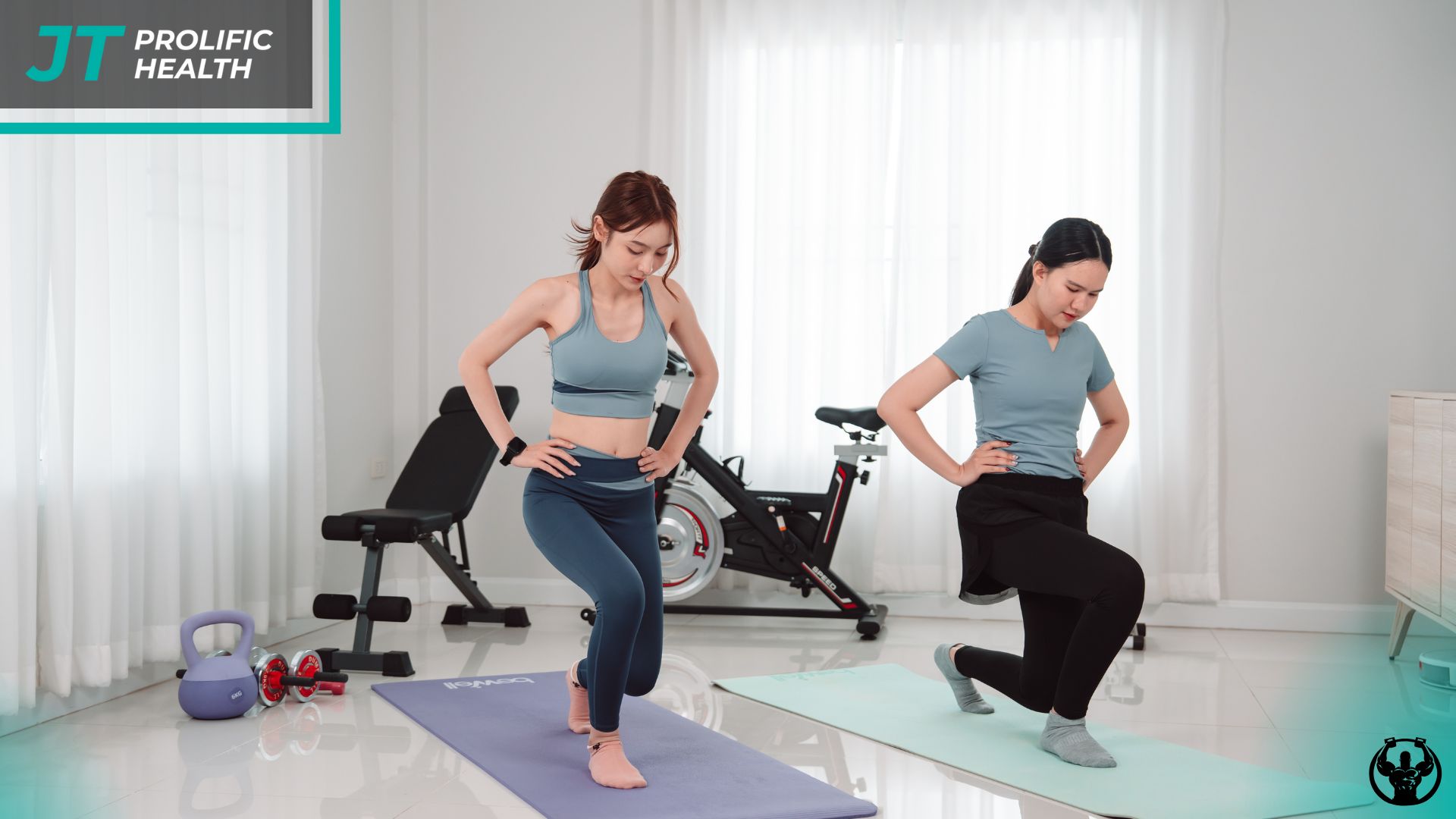
The human body is incredibly efficient at maintaining homeostasis, or balance. It does not want to change unless it has a compelling reason to do so. Progressive overload is that reason. This principle states that for a tissue (muscle, bone, or the cardiovascular system) to improve, it must be exposed to a stress greater than what it is accustomed to. However, many people misinterpret this. They believe overload means every session must be a maximum effort, leaving them exhausted on the floor. This is a fast track to burnout. True progressive overload is about small, incremental increases over time. This could mean adding a little more weight to the bar, doing one extra repetition, resting less between sets, or improving your technique. According to the National Strength and Conditioning Association (NSCA), systematic progression is crucial for avoiding plateaus. If you lift the same 10-pound dumbbells for the same 10 reps for a year, your body adapted to that stress in the first month. For the remaining 11 months, you were merely maintaining, not improving. For busy professionals, this principle is liberating. You do not need to destroy yourself in the gym; you just need to do slightly better than you did last week. Discover the Benefits of Strength Training
The Principle of Specificity: Training for Your Reality
The Principle of Specificity represents the “what you do is what you get” rule of fitness. Technically known as SAID (Specific Adaptation to Imposed Demands), this rule dictates that your body adapts specifically to the type of stress you place on it. If you run long distances, your heart and lungs will become more efficient, but your upper body strength will not improve. For our clients, this means we must clearly define your goals. If your objective is to have the strength to lift your growing children or carry groceries without back pain, your training must mimic those demands. Spending hours on a stationary bike will not prepare your lower back for lifting a toddler. This helps us cut out the fluff. We focus on movements that offer the highest return on investment for your specific life requirements. By narrowing our focus, we save you time and maximize the relevance of every minute you spend exercising.
The Principle of Reversibility: Use It or Lose It

This is perhaps the harshest reality of physiology. The Principle of Reversibility states that the adaptations you work so hard to achieve will diminish if training stops. Fitness is a perishable commodity. Research from the American College of Sports Medicine (ACSM) indicates that cardiovascular gains can begin to decrease within just two weeks of total inactivity, while muscular strength tends to last a bit longer but will eventually fade. This is why we advocate for consistency over intensity. A sustainable routine that you can maintain year-round is infinitely more valuable than a brutal six-week boot camp that leaves you injured or too burnt out to continue. We want to help you build a lifestyle where movement is a constant, ensuring you never have to “start over” from zero. Essential Guide: How to Start and Stay Consistent
The Principle of Individualization: Why Templates Fail
No two bodies are exactly alike. Genetics, age, injury history, stress levels, and sleep quality all influence how we respond to exercise. The Principle of Individualization acknowledges that a program that works wonders for your colleague might cause injury for you. This is the primary flaw of DIY workouts found online or generic fitness apps. They assume a “standard” human that doesn’t exist. For example, if you spend eight hours a day sitting at a desk, your hip mobility and posture will differ significantly from someone who works a physical job. An effective program must account for these variables. It should modify exercises to fit your biomechanics and adjust volume (how much you do) based on your recovery capacity. This customization is what transforms a workout from a chore into a tool for personal empowerment.
The Principle of Recovery: Balancing Stress and Rest

In a culture that glorifies “the grind,” recovery is often viewed as weakness. However, the training principles clearly dictate that adaptations happen during rest, not during the workout. When you train, you are actually breaking down muscle tissue and depleting energy stores. It is during sleep and rest days that the body repairs itself, building back stronger to handle future stress. If you ignore recovery, you enter a state of “overtraining.” This can lead to chronic fatigue, irritability, hormonal imbalances, and a weakened immune system. For high-performers managing stressful careers, adding excessive physical stress without adequate recovery is dangerous. We view recovery strategies—like sleep hygiene, nutrition, and stress management—as part of the training program, not separate from it. Prioritizing rest allows you to show up for your next session with focus and intensity. Read our Philosophy on Sleep and Recovery
The Principle of Variation: Preventing Stagnation
Doing the exact same routine for years will eventually lead to diminishing returns. Your body becomes so efficient at the movements that they no longer provide a sufficient stimulus. The Principle of Variation suggests that we must periodically change the stimulus to keep adaptations fresh. However, there is a fine line. Changing your workout every single time (often called “muscle confusion”) is counterproductive because you never give your body time to master a skill or progressively overload it. Variation should be strategic. We might keep the main lifts the same but change the number of repetitions, the tempo (speed of movement), or the accessory exercises. This keeps training mentally engaging while still grounded in solid progression.
Why Professional Coaching is Essential
Understanding these training principles is one thing; applying them correctly to a dynamic human life is another. This is where the limitations of DIY fitness become apparent. It is incredibly difficult to be objective about your own training. You might skip the exercises you hate (which are usually the ones you need most) or push too hard when you should be resting. Acquiring professional coaching services provides you with an expert external eye. We manage the variables for you. We know when to push you to achieve overload and when to pull back to prioritize recovery. We ensure your technique is safe, protecting your joints for the long haul. At Prolific Health, we move beyond generic advice. We offer a partnership. whether you choose Personal Training for maximum attention, Group Strength for community motivation, or Hybrid Coaching for flexibility, we build the safety and accountability structure you need. We take the guesswork out of the equation so you can focus on executing the plan. Personal Training vs. Group Classes: Which is Right for You?
The Danger of Ignoring the Basics
Ignoring these foundational rules often leads to the “boom and bust” cycle. You get motivated, train excessively hard (violating the principle of progression), ignore your body’s aches (violating individualization and recovery), and eventually get injured or burn out. We see this constantly with individuals trying to navigate the fitness world alone. They waste months or years on ineffective methods. By respecting biology and physics, you create a linear path to health. It might not be as flashy as the latest internet challenge, but it is reliable, safe, and effective.
Taking Action with Prolific Health
We understand that you have a life outside the gym. You are a parent, a partner, and a professional. Your training should enhance those roles, not detract from them. At Prolific Health, we specialize in applying these scientific standards to real-world schedules. We are located at 7471 Blundell Road, Richmond, BC, V6Y1J6, Canada. If you are ready to stop guessing and start training with purpose, contact our founder Jason Tam and our dedicated team at +1 604 818 6123. Let us handle the planning and science. You just bring the effort. Contact the Prolific Health Team
Common Questions About Training Principles
Q: Can I train the same muscle every day? A: Generally, no. Muscles need roughly 48 hours to repair and rebuild after a significant stimulus. Training the same muscle group daily violates the Principle of Recovery and can lead to overuse injuries and stalled progress.
Q: How long does it take to see results? A: Physiological changes take time. Neurological adaptations (getting stronger) can happen in weeks, but structural changes (muscle growth) often take 8–12 weeks of consistent effort. Patience and adherence to the principles are key.
Q: Do I have to lift heavy weights to use progressive overload? A: Not necessarily. While increasing weight is the most common method, you can also overload by doing more reps, resting less, performing the movement slower, or increasing the range of motion.
Q: Why am I not getting stronger even though I workout? A: You may have hit a plateau due to a lack of progressive overload or insufficient recovery. If the stimulus hasn’t changed or increased, your body has no reason to adapt further.
Q: Does the Principle of Specificity mean I should only do one thing? A: No, but your primary training should reflect your primary goals. You can still have variety for general health, but if you want to run a marathon, swimming shouldn’t be your main activity.
Q: Is it better to train longer or more intensely? A: Intensity usually trumps duration for busy people. A focused, 45-minute session that adheres to these principles is often more effective than a distracted 90-minute session.
Q: What happens if I miss a week of training? A: While Reversibility is real, one week is not enough to lose significant progress. It is often a welcome deload for your body. The key is to jump back in without guilt.
Q: Can I apply these principles if I am over 50? A: Absolutely. These principles apply to all humans regardless of age. However, the Principle of Individualization becomes even more important as we age to accommodate for recovery time and joint health.
Conclusion
Fitness is not a riddle to be solved; it is a biological process to be managed. By basing your routine on proven training principles rather than fleeting trends, you safeguard your health and ensure your hard work yields tangible rewards. Remember, the goal is not to be the best at exercising; the goal is to be the best at living. A well-structured, science-based program gives you the vitality to excel in your career and be present for your family.
Start Your Evidence-Based Journey Today
Are you ready to build a body that lasts? Don’t leave your health to chance. Book a Consultation with Prolific Health and let us design a program that respects your time, your body, and your potential.