
Starting a new fitness routine can feel overwhelming. You might be juggling a demanding career, family obligations, and the desire to finally reclaim your health, but the path forward isn’t always clear. Perhaps you have tried generic apps or crowded classes, only to find yourself injured or uninspired a few weeks later.
The decision to seek professional guidance is a pivotal moment. It marks the shift from guessing what works to implementing a strategy built specifically for your body and your life. By getting started with personal training, you are not just signing up for workouts; you are investing in a system of accountability, safety, and education that serves you long after the session ends.
Key Takeaways
Clarity Over Guesswork: Professional coaching eliminates the confusion of what exercises to do, ensuring your time is spent efficiently.
Safety First: A proper assessment and supervised movement protect you from injury, especially if you have been sedentary.
Holistic Approach: Real results come from balancing heavy lifting with adequate recovery, sleep, and stress management.
Accountability: Having a scheduled appointment increases adherence to your program by over 80% compared to self-directed training.
Long-Term Independence: The ultimate goal is to teach you how to move well so you can maintain your health for life.
Overview
If you are ready to prioritize your physical well-being, this guide covers everything you need to know about getting started with personal training. We will move beyond the typical “gym grind” mentality and explore how a structured, science-backed approach helps busy professionals and parents build lasting strength.
You will learn what happens during a comprehensive fitness assessment, why recovery is just as important as the workout, and how to spot the difference between a generic routine and a truly helpful coaching relationship. We also answer common questions about frequency, costs, and what to wear, ensuring you feel prepared for your first session. Whether you are recovering from an injury or looking to level up your performance, we are here to help you navigate this journey with confidence.
Defining Your “Why” and Setting Realistic Expectations
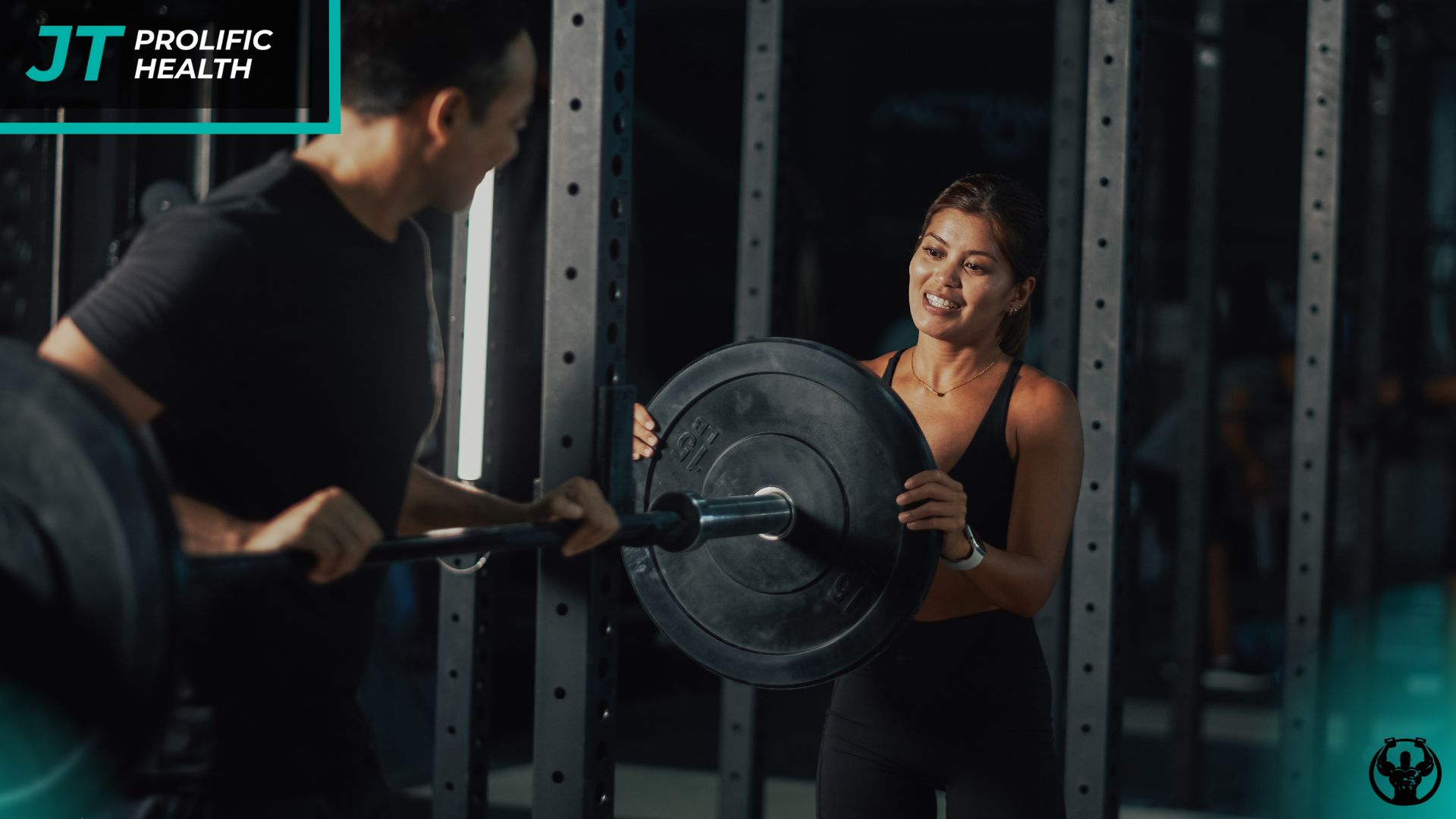
Before you even step onto the gym floor, the most critical part of getting started with personal training is understanding your motivation. Are you training to keep up with your grandchildren, to manage back pain from sitting at a desk all day, or to improve your mental resilience? Your “why” dictates the direction of your program.
In our experience at Prolific Health, many clients come to us after being burned by the “all-or-nothing” approach. They assume that to see results, they must train six days a week and feel exhausted after every session. This is a myth. Sustainable progress is built on consistency, not intensity. A professional coach will help you set realistic expectations, mapping out a timeline that accommodates your work schedule and energy levels. It is about integrating fitness into your life, not letting fitness take over your life.
For those new to this journey, understanding the fundamental principles of movement is key. You can learn more about our philosophy and educational approach on our blog.
The Assessment: The Blueprint for Your Success
One of the primary benefits of getting started with personal training is the objective data you receive about your body. A high-quality trainer will never guess; they will assess. This initial phase—often called a movement screen or intake—is where we gather the necessary information to build your program.
We look at your joint mobility, stability, and baseline strength. Can you squat without knee pain? Do you have limited range of motion in your shoulders from years of computer work? These insights allow us to select exercises that challenge you without risking injury. This process is far superior to following a random internet workout, which cannot account for your specific biomechanics.
If you are curious about what specific metrics we track, you can read more about our fitness assessment to understand how we measure progress beyond just the scale.
Why Safety Trumps Intensity
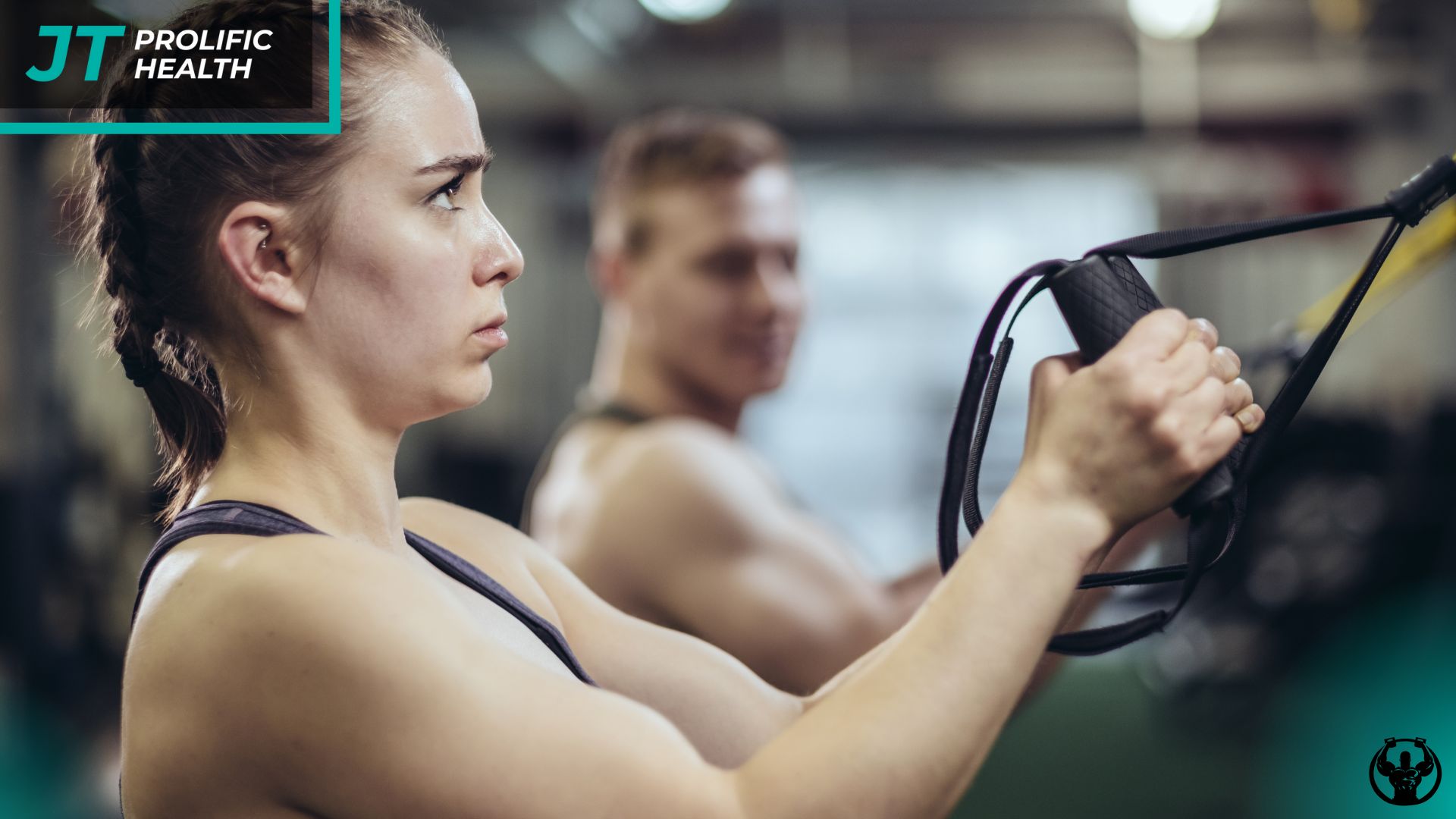
In the early stages, the focus is on motor control—learning how to control your body through space. You might feel like you can lift heavier, but your trainer may hold you back to correct your form. This patience is vital. Building strength on top of dysfunction leads to injury, whereas building strength on top of good form leads to longevity.
The Role of Recovery and Lifestyle Management
You cannot out-train a poor lifestyle. When you are getting started with personal training, you quickly realize that the hour you spend in the gym is only a fraction of the equation. The other 23 hours of the day—how you sleep, eat, and manage stress—determine your results.
We often see high-performing professionals who treat their bodies like machines that never need maintenance. However, training breaks muscle tissue down; recovery builds it back up. If you are under-sleeping or chronically stressed, adding high-intensity interval training (HIIT) might actually be detrimental to your health. A holistic coach will monitor your “allostatic load” (total stress) and adjust your training volume accordingly.
Stress and the Nervous System
Exercise is a form of stress—”eustress” or good stress—but your body processes it through the same pathways as work deadlines or traffic jams. If your nervous system is already fried, we might prioritize mobility and steady-state cardio over heavy lifting for a session. This adaptability is what separates a programmed app from a human coach.
Exercise Selection: Customization for Your Body
Generic programs often rely on the “big three” lifts (squat, bench, deadlift) without considering if they are right for you. When getting started with personal training, exercise selection is critical.
For example, a traditional barbell back squat might not be suitable if you lack shoulder mobility or have lower back issues. A goblet squat or leg press might be a safer, more effective alternative that targets the same muscles. We prioritize “regression and progression models,” meaning we start with the version of a movement you can master today and slowly increase the difficulty as you earn it. This thoughtful approach ensures you get the most out of every rep.
The Problem with “Grind Culture”
Social media often glorifies the “grind”—the idea that if you aren’t suffering, you aren’t working. This is dangerous advice for the general population. Pain is a signal, not a badge of honor. Our philosophy centers on “minimum effective dose”: doing enough to stimulate change without causing excessive fatigue that ruins your productivity at work or presence at home.
Why Coaching Beats DIY for Busy People
You might be thinking, “Can’t I just do this myself?” While self-directed workouts have their place, they often lack the structure required for continuous progress. When you are getting started with personal training, you are outsourcing the planning and decision-making to an expert.
Efficiency: You walk in, do the work, and walk out. No time wasted wondering what to do next.
Safety: Immediate feedback prevents bad habits from taking root.
Progression: We track your weights and reps, ensuring you are applying “progressive overload” (doing slightly more over time) which is essential for results.
Accountability: Knowing someone is waiting for you is a powerful motivator on days when willpower is low.
Ultimately, we want to graduate you. We want you to learn so much that eventually, you can maintain your fitness independently. But in the beginning, that guidance is the bridge between failure and success.
Ready to Make a Change?
At Prolific Health, we specialize in helping busy professionals and parents in Richmond and Vancouver build sustainable fitness routines. We understand the demands on your time and energy, which is why we offer flexible options including 1-on-1 Private Training, Group Strength, and Hybrid Coaching.
Visit us at: 7471 Blundell Road, Richmond, BC, V6Y 1J6, Canada. Call us: +1 604 818 6123. Lead Trainer:Jason Tam.
Common Questions About Getting Started with Personal Training
Q: How often should I train when I am just starting out?
A: For most beginners, 2–3 sessions per week is the “sweet spot.” This frequency allows for sufficient stimulus to build muscle and improve cardiovascular health while providing enough recovery time between sessions. As your conditioning improves, you might increase frequency, but consistency at a lower volume always beats inconsistent high volume.
Q: Do I need to get in shape before hiring a personal trainer?
A: Absolutely not. This is a common misconception. The purpose of getting started with personal training is to help you get in shape safely, regardless of your starting point. We meet you exactly where you are, whether you haven’t exercised in ten years or are returning from an injury.
Q: What should I wear to my first session?
A: Wear comfortable, breathable clothing that allows for a full range of motion. You don’t need expensive gear. A supportive pair of athletic shoes, shorts or leggings, and a moisture-wicking t-shirt are perfect. Bring a water bottle and a small towel if you tend to sweat.
Q: Is personal training only for weight loss?
A: No. While weight management is a common goal, clients also train for pain reduction, improved posture, increased energy, athletic performance, and mental health benefits. We focus on “non-scale victories” like lifting heavier weights, sleeping better, and feeling more confident in your daily life.
Q: How long does it take to see results?
A: You will likely feel a difference in energy and mood within 2–3 weeks. Measurable physical changes, like increased muscle tone or weight loss, typically become noticeable after 8–12 weeks of consistent training and proper nutrition. Patience and adherence to the plan are key.
Q: What if I have an old injury?
A: Personal trainers are trained to work around and help rehab injuries (often in conjunction with your physiotherapist). We can modify exercises to avoid pain while strengthening the surrounding areas. Always disclose your full medical history during your initial fitness assessment.
Q: What is the difference between Group Strength and Private Training?
A:Private Training offers 100% personalized attention and programming specific to your unique biomechanics. Group Strength provides a supportive community atmosphere and a structured workout at a lower price point, but with less individual customization. Both are excellent ways of getting started with personal training depending on your budget and preferences.
Q: Will lifting weights make me “bulky”?
A: This is highly unlikely for the vast majority of people. Building significant muscle mass requires years of intense training and a very specific, high-calorie diet. For most, resistance training results in a leaner, stronger, and more defined physique, not excessive bulk.
Conclusion: Taking the Next Step
Deciding to focus on your health is the first victory. By understanding the process of getting started with personal training, you remove the fear of the unknown and set yourself up for a positive experience. Remember that this journey is about progress, not perfection. It is about showing up for yourself, listening to your body, and trusting a professional to guide you toward the strongest version of yourself. Whether you choose private coaching or a group environment, the most important thing is to begin.
Ready to transform your health?Contact Prolific Health today to schedule your consultation for getting started with personal training and let us build a plan that works for your life.