
We have all heard the mantra that “compound movements are king.” While it is true that squats and deadlifts offer tremendous value, relying solely on them can leave gaps in your physical armor. For the busy professional juggling deadlines, family life, and limited gym time, these gaps often manifest as nagging aches, plateaus, or muscle imbalances that lead to injury.
Isolation exercises are not just for bodybuilders seeking aesthetic perfection; they are a vital tool for longevity and structural integrity. By targeting specific muscles that larger movements miss, you can build a body that isn’t just strong on the surface, but resilient down to the smallest stabilizer.
Key Takeaways
Precision Targeting: Isolation movements allow you to strengthen specific weak points that compound lifts might gloss over.
Injury Prevention: Strengthening tendons and smaller muscle groups reduces the risk of strains during daily activities.
Recovery Friendly: You can increase training volume without taxing your central nervous system, making it ideal for high-stress weeks.
Mind-Muscle Connection: These exercises teach you how to feel and control individual muscles, improving overall movement quality.
Structural Balance: Correcting left-to-right asymmetries helps you maintain better posture at your desk and in life.
Overview
In this guide, we are shifting the perspective on isolation exercises. Instead of viewing them as “extra credit” or vanity work, we will explore their role in a holistic health strategy. We will break down the science of single-joint movements, explain why they are crucial for those with sedentary jobs, and discuss how to integrate them into a routine that respects your energy levels.
You will also find answers to common questions about rep ranges, equipment, and how these exercises fit into a broader wellness plan. Whether you are rehabbing a tweak or looking to improve your main lifts, this article offers a clear path forward.
What Are Isolation Exercises?
At its simplest, an isolation exercise involves movement at a single joint, targeting one specific muscle group. Think of a bicep curl (elbow joint only) versus a pull-up (shoulder and elbow joints). While compound movements are excellent for systemic strength, they allow stronger muscles to compensate for weaker ones.
For example, during a bench press, your strong shoulders might take over the work that your chest should be doing. By utilizing isolation exercises like a chest fly, you force the pectoral muscles to do the work without help. This creates a “truth serum” for your muscles—there is nowhere to hide.
This precision is vital for what we call “structural balance.” If your hamstrings are weak but your quads are strong, your knees will eventually pay the price. Targeted work ensures every link in the chain is equally robust. For more on how we identify these links, check out our Fitness Assessment Tests.
The Holistic Benefits: Recovery and Nervous System
One of the biggest misconceptions in the fitness industry is the “grind mindset”—the idea that every workout must leave you gasping for air. For busy professionals, this is often counterproductive. If you are already stressed from a high-pressure meeting, your “allostatic load” (total stress bucket) is full. Adding a heavy, central nervous system-taxing workout might push you into burnout or injury.
Isolation exercises offer a powerful alternative. They allow you to stimulate muscle tissue and improve blood flow without placing a heavy demand on your nervous system. You can perform high-repetition leg extensions or lateral raises to build endurance and flush out metabolic waste while keeping your heart rate manageable.
Active Recovery and Circulation
Light isolation work can act as active recovery. By pumping blood into specific areas—like the rotator cuff or the lower back—you deliver nutrients that aid in tissue repair. This approach aligns perfectly with our philosophy of sustainable health. You are not just working out; you are actively managing your body’s resources. To understand how to balance effort with downtime, read our article on Understanding Rest Periods.
Correcting the “Desk Body”
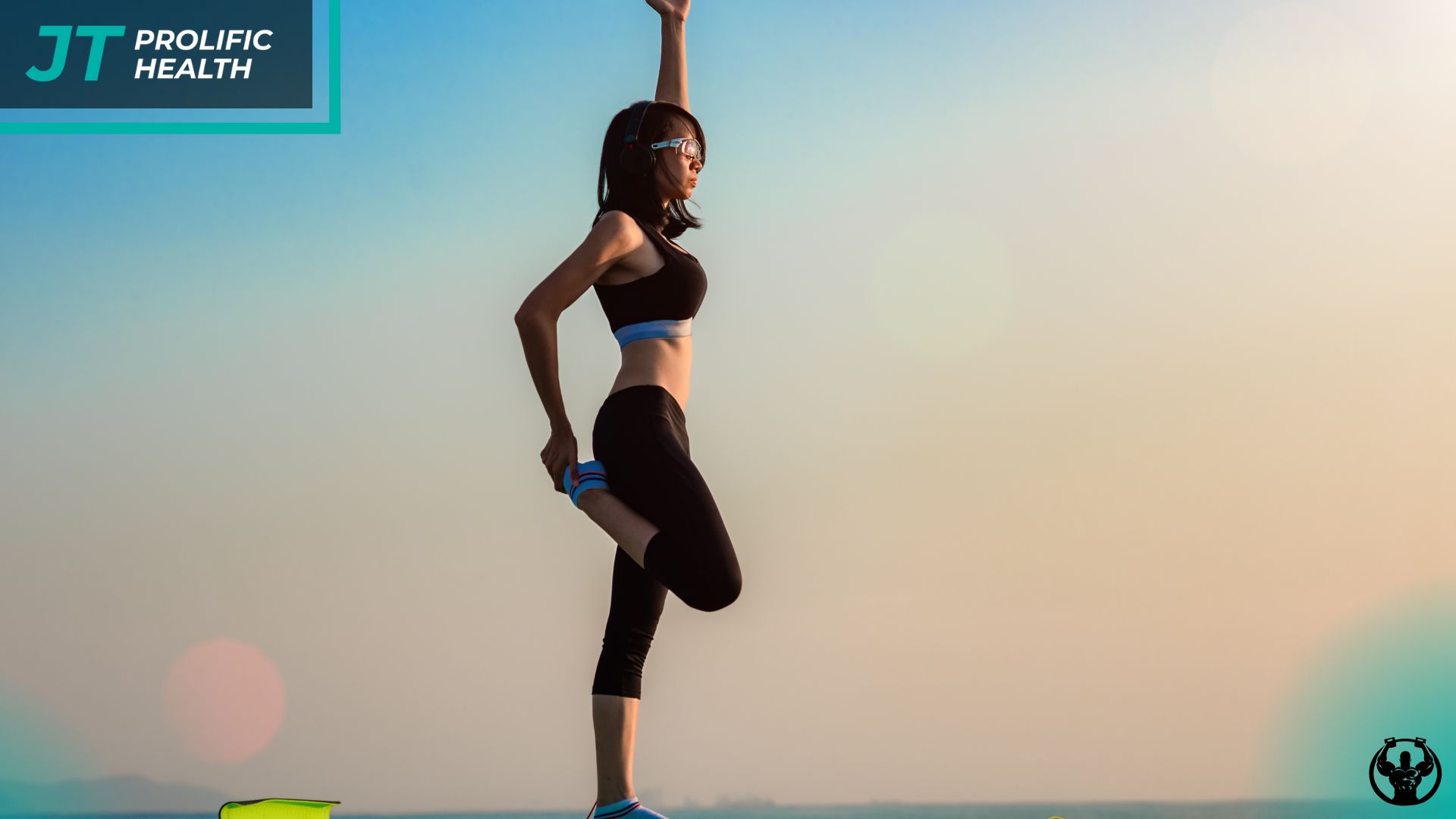
Sitting for 8–10 hours a day creates specific patterns of dysfunction. Hip flexors get tight, glutes turn “off,” and shoulders roll forward. A generic workout might reinforce these patterns if you aren’t careful.
This is where isolation exercises shine. We can prescribe specific movements to “wake up” the dormant muscles:
Glute Bridges: Isolate the glutes without overworking the lower back.
Face Pulls: Target the rear deltoids and external rotators to pull the shoulders back.
Hamstring Curls: Counteract the shortening of the quads from sitting.
By addressing these specific areas, you aren’t just getting stronger; you are undoing the daily damage of modern life. This connects deeply to our Fitness Training Basics Guide, where we discuss the importance of movement quality over quantity.
The Mental Component: Mind-Muscle Connection
There is a meditative quality to isolation training that is often overlooked. Because the movement is simple, you can focus entirely on the sensation of the muscle contracting and lengthening. This “internal focus” builds a stronger mind-muscle connection.
When you learn to voluntarily contract a muscle hard during an isolation movement, you gain better control over that muscle during complex movements. It teaches your brain where your body is in space (proprioception). For many of our clients, this is the first time they truly feel their body working as intended, leading to a boost in confidence and body awareness.
Why Coaching Matters for “Simple” Movements
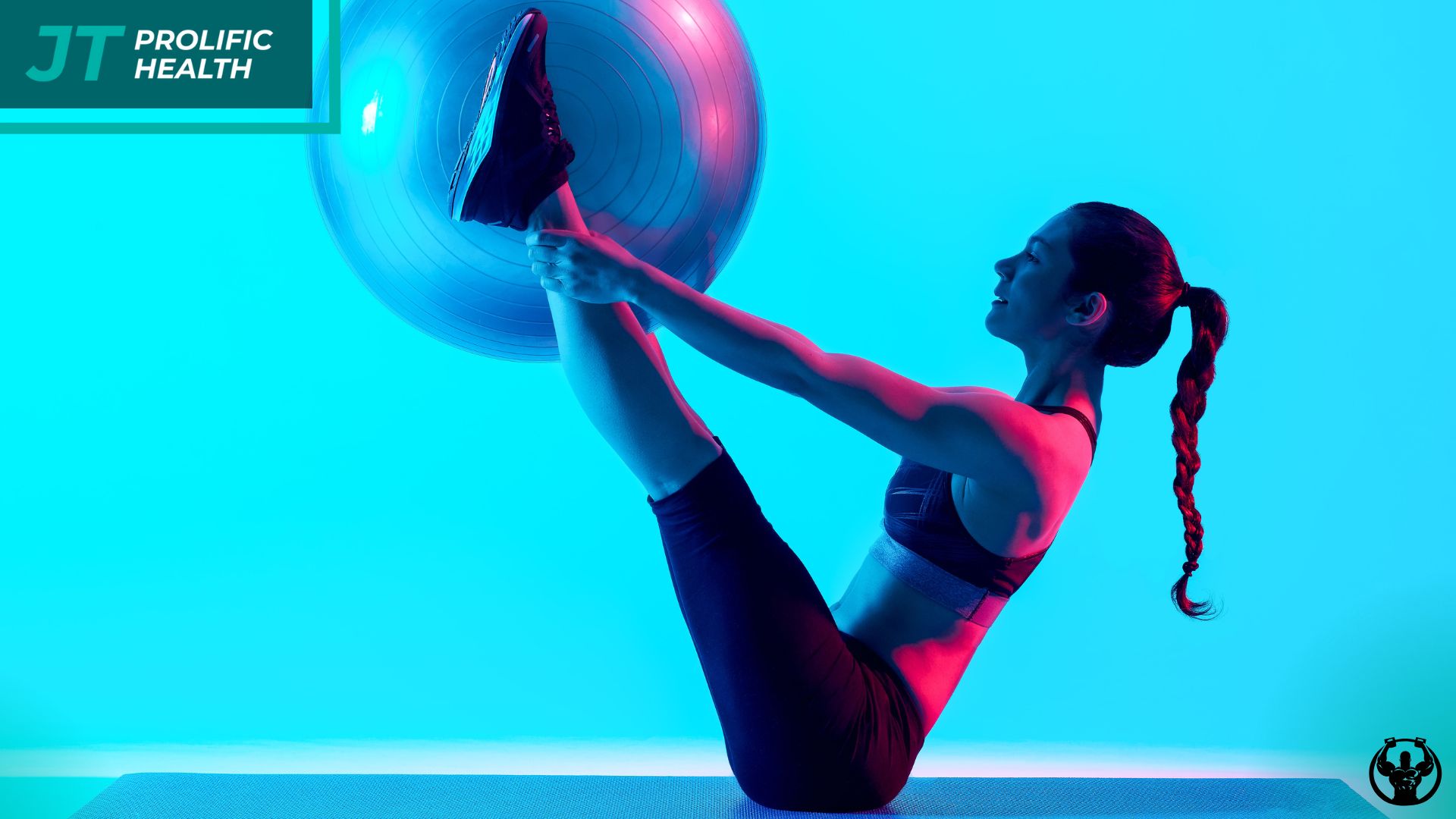
It is easy to assume that because isolation exercises are simple, you don’t need guidance. However, the nuance lies in the execution. A bicep curl performed with swinging momentum is useless. A lateral raise done with the wrong shoulder mechanics can cause impingement.
DIY workouts often lack the critical “why” and “how.” Without a coach to correct your form or program the right volume, you might just be adding “junk volume”—wasting energy without getting the physiological response you need. At Prolific Health, we select specific isolation movements based on your assessment data. We don’t just guess; we engineer your program to fill your specific gaps.
For example, if we see a deficiency in your stabilizer muscles, we might program specific rotator cuff work. This level of detail is impossible to get from a generic app. Learn more about how we curate your routine in Your Guide to Exercise Selection.
Take the Guesswork Out of Your Health
You don’t have to figure this out alone. At Prolific Health, we build comprehensive programs that balance heavy lifting with the targeted precision of isolation work, all designed for the busy life you lead.
Visit us at: 7471 Blundell Road, Richmond, BC, V6Y 1J6, Canada. Call us: +1 604 818 6123. Lead Trainer:Jason Tam.
Common Questions About Isolation Exercises
Q: Are isolation exercises necessary for beginners?A: Yes, but they serve a specific purpose. While beginners should focus on mastering compound movements, isolation exercises are essential for activating dormant muscles (like glutes) so that the compound movements are performed correctly. They also help build connective tissue strength, preparing your joints for heavier loads later.
Q: Can I build muscle with only isolation exercises?A: Technically yes, but it is inefficient. You would need to perform many different exercises to cover the entire body, which takes a lot of time. The best approach is a hybrid model: use compound lifts for the foundation and isolation movements to target specific growth areas or weak points.
Q: How many reps should I do for isolation movements?A: Generally, isolation movements are performed with lighter weights and higher repetitions (10–20 reps). This ensures you are targeting the muscle rather than stressing the joint. Heavy, low-rep isolation work (like a 1-rep max bicep curl) increases the risk of injury and is rarely recommended.
Q: Do isolation exercises burn fat?A: Any physical activity burns calories, but isolation movements burn fewer calories than compound movements because they use less muscle mass. Their primary role is muscle strengthening and shaping, not calorie expenditure. However, increased muscle mass eventually leads to a higher resting metabolic rate.
Q: When should I do isolation exercises in my workout?A: Typically, they are done at the end of a session after your main compound lifts. This ensures you have maximum energy for the most demanding exercises. However, we sometimes use them first to “pre-exhaust” a muscle or to activate a lazy muscle before a main lift.
Q: Are machines or free weights better for isolation?A: Both have their place. Machines (like a leg extension) provide constant tension and stability, making them great for beginners or rehab. Free weights (like dumbbell lateral raises) require you to stabilize the weight, offering a different challenge. A good program will likely include both.
Q: Can isolation exercises help with back pain?A: Absolutely. Often, back pain is caused by weak glutes or a weak core. By using isolation movements to strengthen these specific areas without loading the spine (as a heavy squat might), you can alleviate pain and build the support system your back needs.
Q: How often should I switch my isolation exercises?A: You do not need to confuse your muscles constantly. Stick with a movement for 4–6 weeks to see progress. We only change exercises when progress stalls, pain occurs, or your goals shift. Consistency allows you to track strength gains accurately.
Conclusion: Building a Complete Body
Isolation exercises are the bridge between a good physique and a high-performing, pain-free body. They allow us to address the specific demands of your lifestyle, correct the imbalances caused by desk work, and keep you training safely for decades. By respecting the small details, you ensure the big picture takes care of itself.
Ready to fine-tune your fitness?Contact Prolific Health today to schedule your assessment. Let us show you how a smart combination of compound and isolation exercises can transform your health without burning you out.