
How long does it take to become a personal trainer? You are standing at a crossroads, considering a career where you can genuinely impact lives through health and movement. A quick search might tell you “three months” or “six weeks,” but if you are looking to build a sustainable, meaningful career rather than just pass a test, the answer is more nuanced. At Prolific Health, we believe that becoming a trainer is not a destination but a continuous evolution of skills, empathy, and expertise.
Key Takeaways
Certification Timelines: Most accredited certification programs (like ACE, NSCA, or NASM) generally take between 3 to 6 months of dedicated study to complete.
Degree Pathways: For those seeking deep physiological knowledge, a university degree in Kinesiology or Exercise Science takes 4 years and opens doors to specialized medical fitness roles.
The “Experience Gap”: Passing an exam is just step one; it typically takes another 1 to 2 years of hands-on floor time to develop the confidence and intuition of a skilled coach.
Fast-Track Risks: Rushing through a 4-week course often leaves new trainers unprepared for real-world client issues like injuries or psychological barriers, leading to early career burnout.
Lifelong Learning: The best trainers never stop studying. Expect to dedicate time every week to continuing education credits (CECs) to stay relevant and effective.
Overview
If you are asking how long does it take to become a personal trainer, the short answer is that you can get a piece of paper in a few months, but becoming a professional takes years. In this guide, we will break down the realistic timelines for different paths in 2026—from self-study certifications to university degrees. We will look beyond the exam to the “hidden curriculum” of mentorship and practical application that truly defines your success. You will learn why the quickest route is rarely the most effective for long-term job satisfaction and why investing time in understanding holistic health—stress, sleep, and mindset—is crucial for working with busy professionals. We will also discuss how joining a supportive team or engaging in hybrid training models can accelerate your growth far faster than trying to go it alone.
The Certification Path: 3 to 6 Months
For the vast majority of aspiring trainers, the journey begins with a certification from an accredited body. This is the industry standard for entry-level employment.
Self-Study Options
Most major organizations offer self-paced study materials. If you are disciplined and can dedicate 10-15 hours a week to studying anatomy, biomechanics, and program design, you can realistically be ready for the exam in 3 to 4 months. However, rushing this process is unwise. The concepts you learn here—like bioenergetics and safety protocols—are the foundation of your clients’ safety.
ACE (American Council on Exercise): Known for a strong behavior change curriculum.
NASM (National Academy of Sports Medicine): Famous for its corrective exercise model.
NSCA (National Strength and Conditioning Association): The gold standard for performance and strength.
According to the Bureau of Labor Statistics, employment of fitness trainers is projected to grow, but competition is strong. Those who take the time to deeply understand the material, rather than just memorizing answers for the test, find it much easier to secure jobs (Source: BLS).
Intensive Workshops
Some organizations offer fast-track workshops that cram the curriculum into 4-6 weeks. While this answers how long does it take to become a personal trainer with “very quickly,” we advise caution. These courses often skip the nuance required to handle complex human bodies. You might pass the test, but you may feel lost when a client walks in with shoulder pain.
The Academic Path: 2 to 4 Years
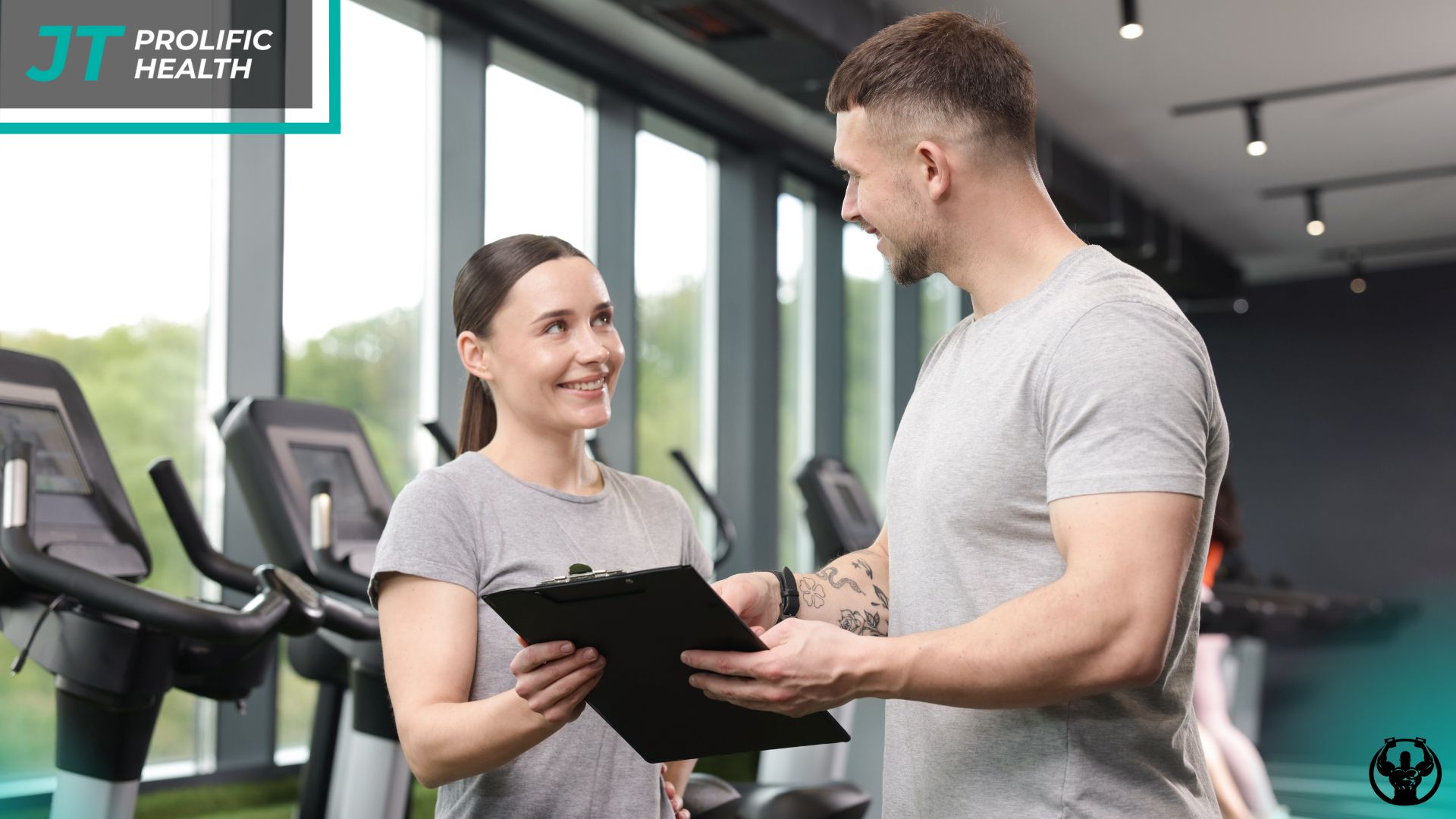
If your goal is to work with specialized populations, professional athletes, or in clinical settings, a university education is the preferred route.
University Degrees
A Bachelor’s degree in Kinesiology, Exercise Science, or Human Kinetics takes four years. This timeline allows for a depth of knowledge that a textbook cannot provide. You will spend time in labs, dissecting movement patterns and understanding the physiological mechanisms of stress and recovery. Graduates with degrees are often fast-tracked into higher-paying roles and have a broader scope of practice. They are viewed as health professionals rather than just “gym staff.”
College Diplomas
Many community colleges offer 2-year diploma programs in Fitness and Health Promotion. These are excellent hybrids, offering more practical, hands-on experience than a university degree while providing more depth than a certification.
The “Apprenticeship” Phase: 1 to 2 Years
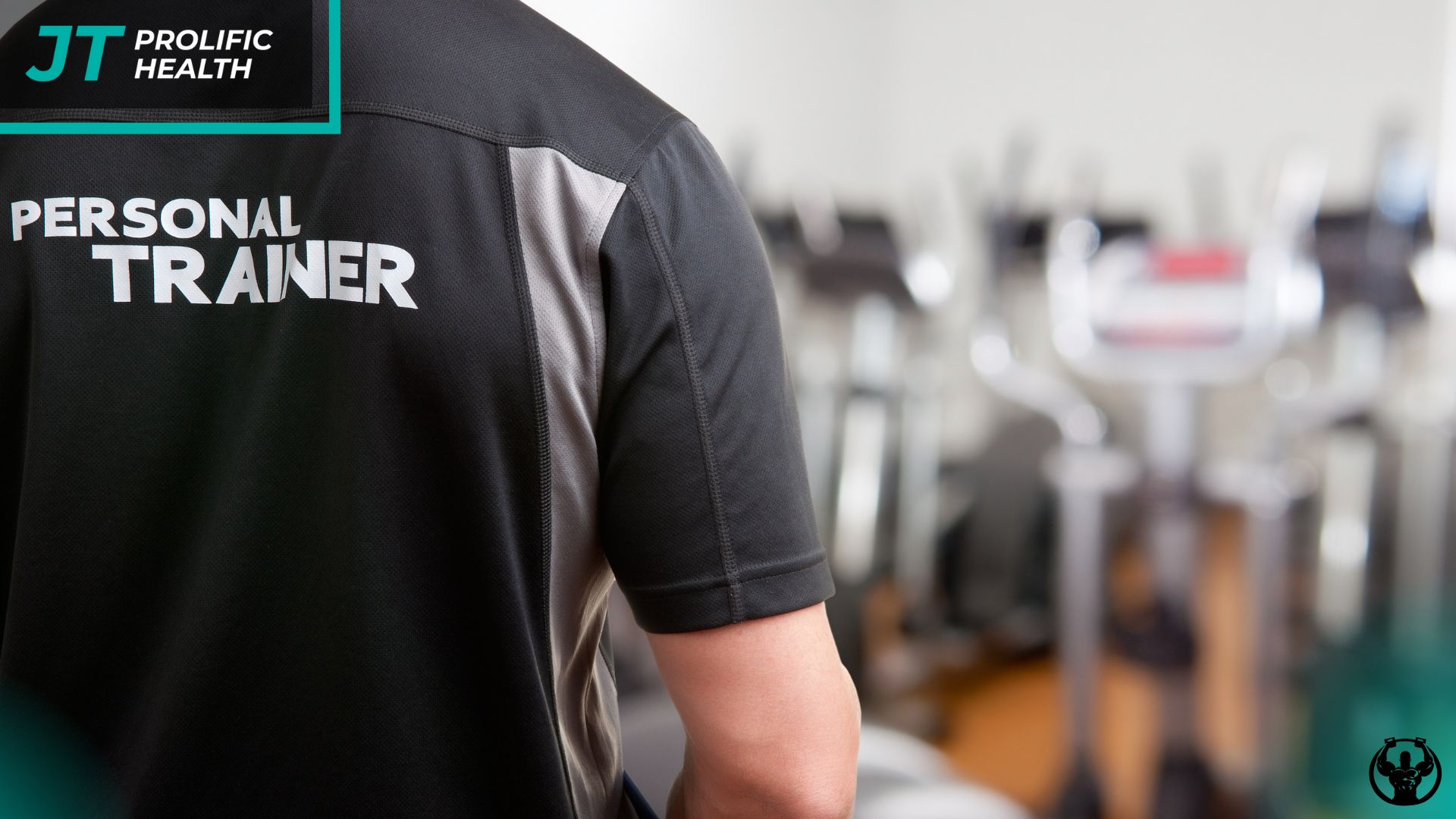
Here is the truth that few certification bodies will tell you: you are not really a trainer the day you pass your exam. You are a rookie with a permission slip to learn.
Closing the Experience Gap
The first year on the gym floor is where the real learning happens. You will encounter clients with injuries not mentioned in your textbook, personalities that challenge your patience, and schedules that require creative programming. We call this the “Apprenticeship Phase.” To shorten this learning curve, it is vital to work under a mentor. Observing a senior coach helps you understand the soft skills—how to listen, how to cue effectively, and how to build trust.
Why DIY is a Dead End
Many new trainers try to launch their own business immediately after certifying, relying on their own workouts as a template. This is a mistake. Your body is not your client’s body. Relying on a DIY approach often leads to burnout because you lack the systems and support network to handle business operations and client results simultaneously. Instead, we encourage new trainers to join established teams where they can learn training principles that have been tested and proven over thousands of hours.
Holistic Development: Beyond the Reps
To truly succeed in 2026, you need to understand more than just muscles. You need to understand people.
The Psychology of Change
A huge part of your time will be spent helping clients manage stress and behavior. Learning the psychology behind habit formation takes time. You need to study motivational interviewing and empathy. This doesn’t happen overnight. It is a skill honed through hundreds of conversations. A study in the International Journal of Behavioral Nutrition and Physical Activity found that the quality of the trainer-client relationship is a primary predictor of client adherence (Source: PubMed). Building this relational capacity is a long-term project.
Understanding Life Balance
Our clients are busy professionals and parents. They exist in a high-stress world. A trainer who subscribes to “grind culture”—pushing clients to failure every session—will quickly lose those clients to injury or fatigue. Developing a holistic philosophy where you value sleep, nutrition, and mental health as much as the bench press takes maturity. It requires shifting your mindset from “trainer” to “coach.”
Accelerating Your Growth with Prolific Health
If the timeline feels daunting, remember that you don’t have to walk it alone. Being part of a cohesive environment speeds up your development.
Learning Through Observation
At Prolific Health, we foster an environment of continuous improvement. By engaging with our Group Strength Training, you can see how experienced coaches manage different ability levels simultaneously. You see safety protocols in action. You see how we modify exercises for pain without making the client feel broken.
Structured Mentorship
We believe in developing our team. We move beyond the basic certification to teach advanced assessment protocols and program design logic. This mentorship compresses years of trial-and-error into months of targeted learning.
Prolific Health7471 Blundell Road, Richmond, BC, V6Y1J6, CanadaPhone: +1 604 818 6123
Founded by Jason Tam, Prolific Health is dedicated to setting a higher standard. We know that becoming a master trainer is a marathon, not a sprint. We are here to support that journey, whether you are a client looking for the best or an aspiring coach looking for a home.
Common Questions About how long does it take to become a personal trainer
Q: Can I become a personal trainer in 2 weeks?
A: Technically, there are unaccredited online exams you can pass quickly, but we strongly advise against them. No reputable gym will hire you, and you will not have the knowledge to keep clients safe. The minimum for a quality foundation is 3 months.
Q: Do I need to be fit before starting my certification?
A: You should practice what you preach, but you do not need to be a fitness model. The timeline to become a trainer is about your intellectual and practical growth, not your physical transformation. Clients relate more to a healthy, balanced lifestyle than to perfection.
Q: Is a degree better than a certification?
A: It depends on your goals. A degree takes 4 years but allows you to work in clinical settings (hospitals, rehab centers) and often commands higher pay. A certification is faster and sufficient for general population training in gyms and studios.
Q: How much time should I dedicate to studying per week?
A: If you are working full-time while studying for a certification, aim for 10-12 hours per week. This allows you to digest the complex topics like anatomy without becoming overwhelmed. Consistency is key.
Q: Does the learning stop after I get certified?
A: Never. To maintain your certification, you must complete Continuing Education Credits (CECs) every two years. This ensures you stay up-to-date with the latest research in sports science and nutrition.
Q: What is the fastest way to gain experience?
A: Internships. Offer to shadow a senior trainer at a local studio. Even 5 hours a week of shadowing is more valuable than 20 hours of reading. You need to see real bodies in motion.
Q: Can I work part-time while I learn?
A: Yes, many trainers start part-time while keeping their day jobs. This removes the financial pressure and allows you to build your client base organically. It creates a longer transition period but is often more stable.
Q: How long until I make a full-time income?
A: Typically, it takes 6 to 12 months of consistent work to build a full client roster (15-25 hours of training per week) that generates a full-time salary. This varies based on your sales skills and the gym’s traffic.
Conclusion
So, how long does it take to become a personal trainer? The certification takes months. The career takes a lifetime.
If you are looking for a quick fix, this industry will chew you up. But if you are willing to invest the time to learn the science, master the art of connection, and commit to the holistic health of your clients, the rewards are immeasurable. You get to be the catalyst for change in people’s lives.
Don’t settle for the minimum. Commit to the mastery.
Ready to start your fitness journey the right way? Contact Prolific Health today to experience what true professional coaching looks like.