
If you’re searching how to be a online fitness coach, you’re likely looking for two things: the freedom to work remotely and the ability to coach clients safely and effectively—not just send workout PDFs. Learning how to be a online fitness coach means understanding that real coaching goes beyond exercises. It combines training knowledge, clear communication, accountability systems, and structured programming that helps clients stay consistent even when life gets busy.
When mastering how to be a online fitness coach, you must design plans that support busy professionals and parents who can’t rely on random intensity or vague routines. True online coaching delivers clarity, progression, and support—so clients get real results, not just workouts.
This guide gives you a practical path to start coaching online with a people-first mindset: we’ll cover skills, structure, screening, programming, check-ins, and the “boring” operations that keep your coaching consistent. We’ll also talk about recovery and mindset, because your clients’ stress and sleep will affect results as much as the sets and reps. Along the way, we’ll address a common trap: grind culture can look impressive online, but it often fails real humans with real schedules. (Related Prolific Health read: Workout Scheduling: The Key to Consistent Fitness Results.)
Key Takeaways
Being an online fitness coach is less about content and more about process: assessment, programming, feedback, and accountability repeated weekly.
Use a public-health baseline as a reference, then scale it to the client’s schedule and recovery capacity.
Strength results depend on planned progression over time, not constant “max effort.” (Optional related reads: Linear Periodization in Strength Training and Block Periodization Training Benefits.)
Online coaching works best with clear check-ins, simple tracking, and decision rules for adjustments. (Helpful for the “weekly rhythm” mindset: Workout Scheduling: The Key to Consistent Fitness Results.)
If you want to coach well, get coached first—so you understand what safe progression and accountability feel like as a client. (See Prolific Health services: Online Coaching, 1-on-1 Private Training, and Hybrid Personal Training & Coaching.)
Overview
You’ll learn how to build your online coaching foundation in a clear order: define who you help, choose a coaching model, set up intake + screening, program a simple training week, and run check-ins that keep people consistent. We’ll also cover how to communicate about recovery, mindset, and work-life balance, because that’s where many busy clients struggle.
You’ll get practical templates (in plain language), common mistakes to avoid, and FAQs that answer what most new online coaches worry about. If you’re in Richmond/Vancouver and want to experience coaching firsthand before you coach others, we’ll also share how Prolific Health supports clients through 1-on-1 Private Training, Group Strength & Conditioning, and Hybrid Personal Training & Coaching.
Define who you coach (and why)

Online coaching gets messy when you try to help everyone. Your first job is focus: choose a specific client type and a specific outcome you can reliably improve. This isn’t about boxing yourself in forever; it’s about learning faster and delivering better results in your first phase.
Choose a client profile you can understand
Start with people whose reality you can relate to. If you’re building this while working full-time, busy professionals may be a strong fit because you understand time pressure, travel, stress spikes, and inconsistent sleep. When you coach one group repeatedly, you stop guessing and start anticipating the patterns that derail adherence. (Related: Workout Scheduling: The Key to Consistent Fitness Results.)
Pick outcomes that match real life
Early wins should be practical:
Strength that improves day-to-day confidence.
Energy that lasts through the afternoon.
A routine that still happens during tough weeks.
These outcomes are also easier to coach responsibly online, because they don’t require extreme methods to show progress.
Choose a coaching model you can run weekly
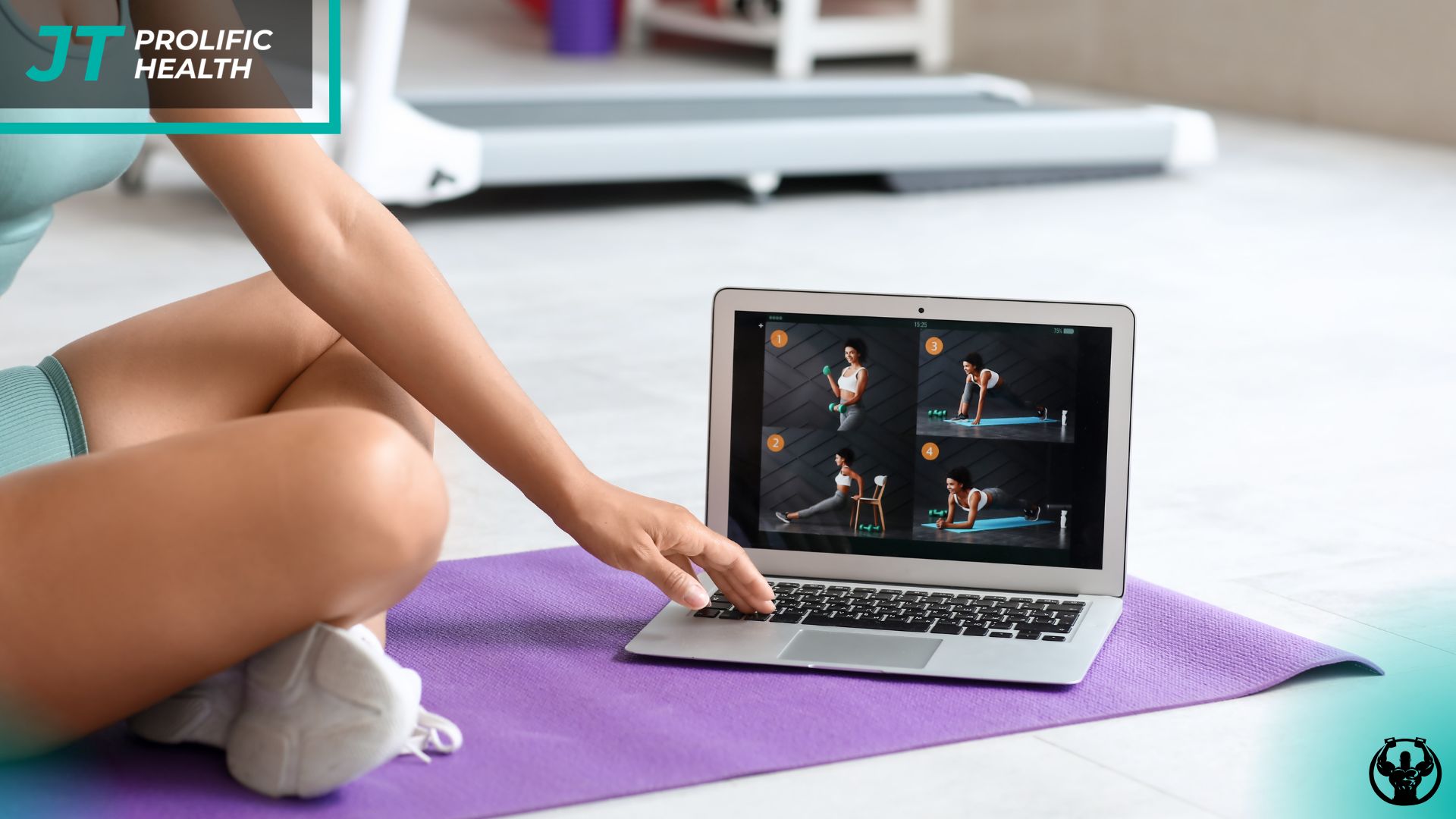
Most “how to become an online coach” guides highlight a decision point: what is your delivery model and what is your client experience. Your model should fit your time and your clients’ needs, because inconsistency from the coach creates inconsistency in the client.
Three common online models
Pick one to start:
1:1 online coaching: Great for individualized feedback and ongoing adjustments (see: Online Coaching).
Small group coaching: Great for community and a clear weekly rhythm (see: Group Strength & Conditioning).
Hybrid support: A blend of live touchpoints and asynchronous check-ins (often best for shifting schedules) (see: Hybrid Personal Training & Coaching).
Your model should define what a client gets each week: sessions, check-ins, messaging rules, progress review, and what happens when they miss workouts.
Build a “minimum effective” service
Busy clients won’t always do everything. Your system should still work when they do the minimum. That means you need:
A simple plan they can repeat.
A way to track adherence without shame.
A method to adjust volume and intensity when stress is high.
This is the difference between “online workouts” and coaching.
Intake and screening (online safety first)
If you want to be trusted, you need a consistent intake process. That includes goal clarity, constraints, and basic screening so you’re not guessing about risks.
A practical standard is to start with a health history questionnaire and discuss injuries, medications that affect exercise tolerance, and current activity level. ACSM screening recommendations have emphasized that people starting physical activity should be screened at minimum by a self-guided medical history or health risk appraisal questionnaire (for example, PAR-Q). A peer-reviewed paper discussing adult preparticipation screening also identifies the PAR-Q as a suitable self-screening instrument.
What you collect before programming
You need enough information to coach responsibly:
Schedule reality: how many days are reliable.
Equipment access.
Injury history and movement limits.
Sleep and stress pattern.
Nutrition constraints (shift work, travel, family meals).
If a client has red flags, your role is to pause and refer for medical clearance when appropriate. That’s not “losing a client”; that’s professionalism.
Programming basics for online coaching
Online clients need a plan that is clear, repeatable, and progressive. You’re building a training rhythm, then layering progress over time. A public baseline can help orient the plan: the CDC notes that adults should aim for at least 150 minutes a week of moderate-intensity aerobic activity and muscle-strengthening activities on 2 or more days per week.
Your “busy adult” weekly structure
A simple starting structure many clients can follow:
2–3 strength sessions per week.
2–3 short cardio sessions (walking can count).
1–2 recovery-focused days (easy movement + mobility).
This is not a forever template. It’s a stable base you can adjust as the client’s capacity grows.
Progression without chaos
A common misconception is that clients need a new workout constantly. Most clients need better execution and gradual progression. The ACSM position stand on resistance training progression discusses how training variables like load, volume, rest, and exercise selection can be adjusted over time to drive adaptation.
Here’s the coaching translation: you can progress by adding reps, adding a set, increasing load slightly, improving range of motion, or upgrading an exercise variation. When you progress one variable at a time, clients feel improvement without feeling crushed.
Use short training blocks
Structured weekly blocks help online clients because the plan feels predictable. If you want a simple explanation of how weekly blocks work, Prolific Health’s microcycle training guide is a helpful read.
If you prefer longer planning arcs, you can also learn the basics of block periodization benefits. These concepts help you coach progression while protecting recovery—especially for clients with high stress.
Coaching recovery and mindset (the holistic layer)
Online coaches often focus on workouts and forget recovery until clients stall. For busy people, recovery is not optional—it’s the limiter. Your coaching should include the basics: sleep habits, rest days, low-intensity movement, and realistic nutrition actions.
Recovery coaching that clients will do
Make it simple:
A consistent bedtime window most nights.
A short wind-down routine (even 5–10 minutes).
Daily movement that reduces stiffness from sitting.
Rest periods that match the goal of the session.
If your client wants to understand why rest matters inside workouts, Prolific Health’s guide on rest periods recovery explains it in plain language.
Why grind culture fails busy clients
Grind culture often treats exhaustion as the point. Busy adults don’t just “recover slower”—they have fewer recovery resources because of work, parenting, and stress. Your job is to coach a sustainable intensity so the client can repeat the week, because repeated weeks are what change bodies and lives.
Your weekly workflow (so clients get results)
Your client experience should have a weekly rhythm. This is where online coaching becomes real: check-ins, adjustments, and a feedback loop. Many top guides emphasize having a framework for assessment, resources, and goal tracking as part of the coaching system.
A simple weekly cycle
You can run your entire coaching week on a consistent loop:
Client completes sessions and logs basic notes.
You review performance, adherence, and recovery markers.
You send a check-in response with 1–3 clear actions.
You adjust the next week’s plan based on what happened, not what “should” have happened.
This makes coaching feel supportive instead of overwhelming. (Related: Workout Scheduling: The Key to Consistent Fitness Results.)
What to track (keep it light)
Track what drives decisions:
Sessions completed.
Performance markers (reps/loads).
A recovery score (sleep quality, stress level, soreness).
One habit focus (steps, protein, hydration).
Too much tracking becomes noise, and busy clients stop logging.
Practical operations (the “unsexy” part)
If you’re serious about how to be a online fitness coach, you need a business setup that protects your time and protects the client experience. This does not require fancy tech. It requires clarity: what you offer, how clients start, how you communicate, and how you handle payments and boundaries.
Set boundaries early
Decide:
When you respond to messages.
What counts as an “urgent” message.
How you handle missed check-ins.
What happens when a client is sick or traveling.
Boundaries are not harsh. They keep the coaching consistent.
Keep your offer simple at first
One main offer is enough:
A clear weekly training plan.
A weekly check-in.
A simple education focus each month (sleep, nutrition basics, consistency).
You can expand later. Early on, your results and your client experience matter more than variety.
Pricing + operations links (internal)
If you want internal Prolific Health references for “pricing and packages” style sections (without external links), these money pages are relevant:
If you’re comparing education costs as a future coach: How Much Is a Personal Training Course? Costs 2026
Learn by being coached (and why it helps your coaching)
If you plan to coach adults safely, it helps to experience what good coaching feels like. You learn pacing, cueing, and how progression should be communicated. You also learn what clients feel when life gets busy—and what helps them stay consistent anyway. (Related: Online Coaching and Hybrid Personal Training & Coaching.)
If you’re in the Richmond/Vancouver area, Prolific Health offers coaching that matches different schedules and comfort levels:
Learn how to start confidently with prepare for personal training.
Build clarity with set outcome goals.
Add conditioning safely with cardio exercise basics.
Decide on coaching value with is training worth it.
Understand progressive planning with linear periodization basics.
As a future coach, this gives you a clearer internal standard for what “good coaching” looks like.
Ready to learn by doing?
If you want to turn “how to be a online fitness coach” into real coaching skill, start by building your own training consistency and learning how progression and accountability work in practice. Prolific Health is located at 7471 Blundell Road, Richmond, BC, V6Y1J6, Canada, and you can call +1 604 818 6123 to ask about Private Training, Group Strength, or Hybrid Coaching; we’ll help you train safely, build a repeatable routine, and experience what quality coaching feels like week to week.
Common Questions About how to be a online fitness coach
Q: What should my first online coaching call include?
A:
A first call should cover goals, schedule constraints, injury history, current activity level, and what success looks like in the next 4–12 weeks. Many professionals also use a health history questionnaire as part of screening so the starting plan is safer and more appropriate. ACSM screening guidance supports self-guided screening methods such as PAR-Q.
Q: How do I coach form online if I’m not there in person?
A:
You coach form with clear videos, simple cues, and asking the client what they feel during the lift. You can also use short technique clips from the client when appropriate and keep exercise selection conservative early. Planned progression matters here; ACSM progression guidance supports adjusting variables gradually rather than rushing intensity.
Q: Do I need to write custom workouts for every client?
A:
You need a plan that fits the client, but that doesn’t mean reinventing everything weekly. Many coaches use repeatable templates and then adjust key variables: exercise selection, sets, reps, rest, and weekly frequency. This supports consistency and makes progression easier to manage over time. (Related Prolific Health read: Workout Scheduling: The Key to Consistent Fitness Results.)
Q: What’s a safe weekly training baseline for most adults?
A:
A widely cited baseline is the CDC’s adult activity guidance: aim for at least 150 minutes per week of moderate-intensity aerobic activity and muscle-strengthening activities on 2 or more days per week. You then scale up or down based on the client’s current fitness, stress, and recovery capacity.
Q: How do I stop clients from doing too much too soon?
A:
Set decision rules: keep early weeks at a manageable effort, cap weekly volume increases, and require good form before progression. Education helps too—explain that soreness is not the goal and that repeatable training weeks drive results. ACSM progression guidance discusses manipulating training variables over time and avoiding aggressive jumps.
Q: How often should I do check-ins as an online coach?
A:
Weekly check-ins work well for many busy clients because they create a steady feedback loop without constant messaging. More frequent touchpoints can help beginners or clients struggling with adherence, but they should be structured. The best check-in frequency is the one you can deliver consistently while still reviewing data and adjusting plans.
Q: What should I do if a client reports pain?
A:
First, clarify what they mean (sharp vs dull, increasing vs decreasing, where it is, what triggers it). Then regress the movement, reduce load/volume, and adjust range of motion as needed. If symptoms are concerning or persistent, you should pause training intensity and refer out for medical evaluation when appropriate.
Q: How do I coach nutrition without overstepping?
A:
Stick to general, practical habits: protein with meals, hydration, regular meal timing, and planning for busy days. Avoid diagnosing or treating medical conditions. When a client needs medical nutrition therapy or has complex health issues, refer to qualified healthcare professionals. This protects the client and strengthens trust.
Conclusion
Learning how to be a online fitness coach is a lot simpler when you focus on the fundamentals: choose who you help, build a clear coaching model, screen responsibly, program repeatable weeks, and run consistent check-ins that drive adjustments. Coach recovery and mindset as part of the plan, because busy clients live in the real world, not an ideal schedule. The question to sit with is this: are you building a coaching system that looks impressive online, or one that helps real people follow through for months?
If you want to experience coaching firsthand (and build your internal standard for quality coaching), start here: Online Coaching or reach out via the Contact page.