
Most people who walk intoProlific Healthfor the first time in their 30s or 40s share a version of the same story. They were reasonably active in their 20s, life got progressively busier, and somewhere between career demands, family obligations, and a body that started communicating its dissatisfaction more loudly, they decided it was time to do something real about their fitness. The question they usually arrive with is some version of: is it too late to start, and where exactly do I begin?
The honest answer to the first part is no, it is not too late. The answer to the second part requires more than a generic beginner program pulled from a fitness website. Understanding how to start strength training over 30 as a beginnermeans accounting for the specific physiological and lifestyle realities that come with this stage of life, and those realities are different enough from a 22-year-old’s starting point that the programming approach needs to reflect them directly. Clients in Richmond’s Broadmoor and City Centre areas, and South Vancouver residents crossing from Marpole and Kerrisdale, consistently find that what works for their situation looks quite different from what standard beginner advice assumes.
This article covers what strength training after 30 actually involves, what makes this starting point different from starting earlier, and why professional coaching from the outset produces better long-term outcomes than piecing together a self-directed approach.
Key Takeaways
- Learning how to start strength training over 30 as a beginner requires accounting for recovery capacity, movement quality, and lifestyle constraints that differ meaningfully from a younger starting point.
- Strength training after 30 produces significant benefits including improved metabolic function, better bone density, reduced injury risk, and meaningful improvements in daily energy and posture.
- The most common mistakes beginners over 30 make are starting too intensely, skipping the movement quality foundation, and underestimating the role of recovery in producing results.
- Self-directed strength training without professional guidance carries a higher injury risk for beginners over 30 than most people account for when they’re starting out.
- A structured coaching relationship from the outset builds correct movement patterns from the beginning rather than spending months correcting habits that formed without feedback.
- Results for beginners over 30 begin appearing within four to six weeks for energy and movement quality, with strength and body composition changes becoming measurable across three to five months of consistent work.
What Strength Training After 30 Actually Does for Your Body
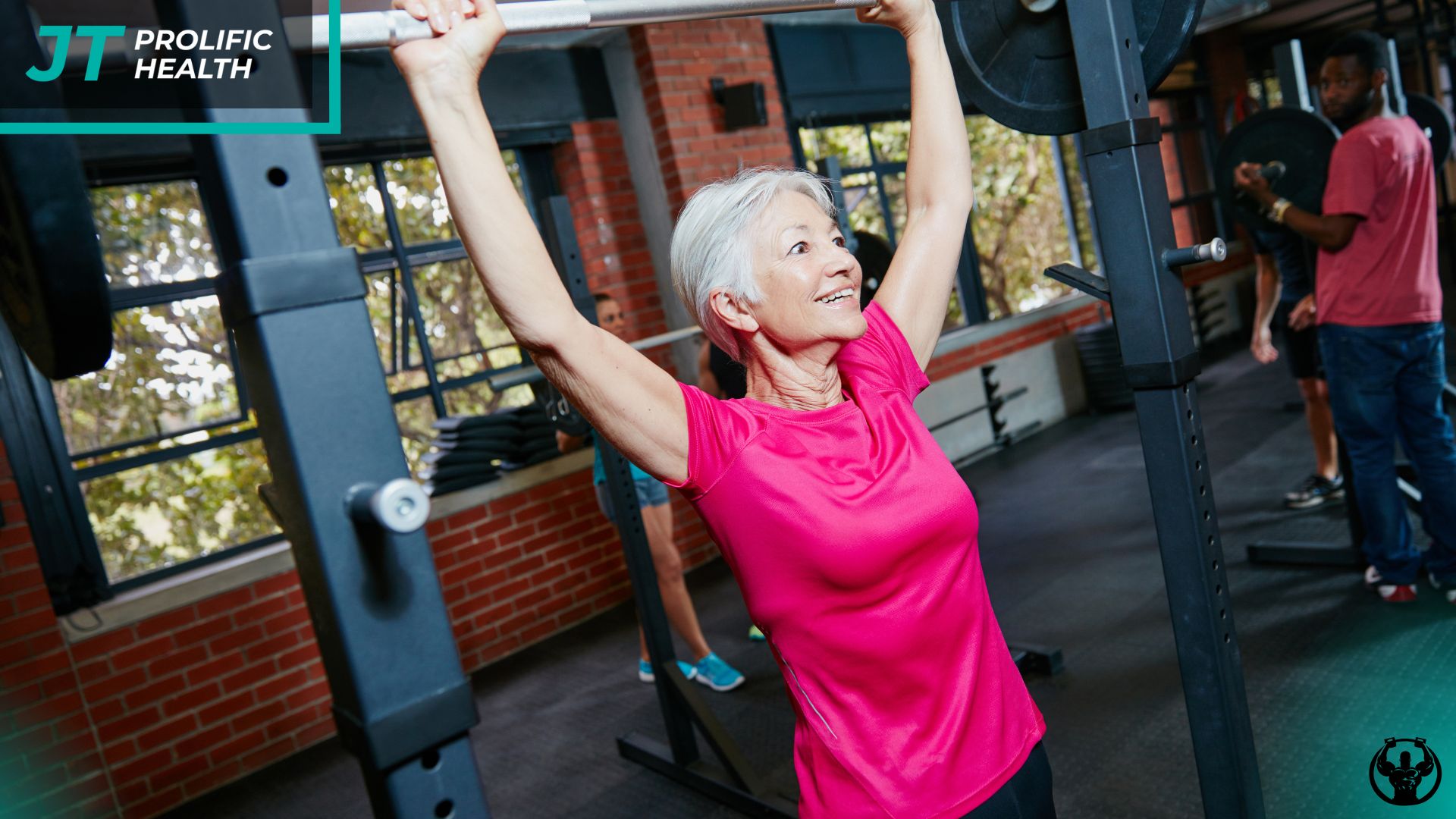
Before addressing the how, it’s worth being clear about the why, because the physiological case for strength training after 30 is stronger than most people realize going in. After approximately age 30, the body begins losing muscle mass at a rate of roughly one percent per year in the absence of deliberate resistance training. That process, called sarcopenia, is gradual enough that most people don’t notice it as muscle loss. They notice it as reduced energy, decreased tolerance for physical activity, slower metabolism, and the accumulation of body fat that seems to happen despite no meaningful change in diet or activity level.
Progressive strength training directly counters that process.Building and maintaining muscle tissue keeps metabolic rate elevated, improves insulin sensitivity, supports bone density, and provides the physical capacity that makes daily movement easier rather than increasingly effortful. For Richmond and Vancouver clients managing demanding professional lives, those benefits extend beyond the gym. Better posture reduces the chronic tension that accumulates from hours at a desk. Improved strength in the posterior chain reduces the lower back discomfort that affects productivity and sleep. Higher baseline energy levels change what the rest of the day feels like after a morning or evening session.
The mental health dimension is equally real. Consistent strength training is one of the most evidence-supported interventions for managing anxiety and depression, improving sleep quality, and building the kind of physical confidence that affects how people show up in their professional and personal lives. For a deeper look at what the research shows about exercise and mental health outcomes for Metro Vancouver adults, this resource onhow exercise helps depression and anxietycovers the relevant evidence in practical terms.
What Makes Starting After 30 Different From Starting Earlier
 12
12
The physiological differences between a 23-year-old beginner and a 35 or 45-year-old beginner are real, and they matter for how a program should be structured. None of them mean that starting after 30 produces inferior results. They mean that the approach needs to be calibrated differently from the outset.
Recovery takes longer.In your 20s, the body adapts to training stress relatively quickly and tolerates higher volumes without significant performance degradation. After 30, and increasingly so through the 40s, recovery between sessions requires more deliberate management. Training too frequently or with too much volume too early is one of the most common mistakes beginners over 30 make, because the instinct to work harder is understandable but the physiology doesn’t always cooperate with it. A coach who understands how to manage load and volume relative to recovery capacity prevents that error from becoming an injury.
Movement quality is the non-negotiable starting point.Most adults over 30 arriving at strength training for the first time carry a collection of movement limitations accumulated from years of sedentary work, previous injuries that weren’t fully rehabilitated, and postural patterns that have become habitual. Loading those patterns under resistance before they’ve been addressed is how training-related injuries develop. A qualified coach assesses movement quality before applying load, identifying compensatory patterns that need correction before progressive strength work begins. This is one of the clearest practical advantages of working with a professional from the outset rather than starting independently and correcting problems later. This resource oncorrective exercises personal trainers use in Vancouverexplains how that movement quality foundation gets built in practice.
Life context shapes everything.A beginner over 30 in Richmond or Vancouver is almost certainly managing a full professional life, family obligations, and a schedule that doesn’t accommodate three-hour gym sessions or unlimited recovery time. The program that produces results in this context is one built around what the client can realistically execute and recover from within their actual week, not what an idealized training plan assumes is available.
The Risk of Getting the Start Wrong
Understanding how to start strength training over 30 as a beginnerincludes understanding what happens when the start goes wrong, because the consequences of poor programming at the beginning of a strength training journey are more significant for adults over 30 than for younger beginners.
Starting too intensely is the most common error, and it is almost always motivated by genuine enthusiasm rather than recklessness. A beginner who commits to five sessions per week of high-intensity training in the first month is operating well beyond what their connective tissue, recovery capacity, and movement quality can support. The result is typically one of three outcomes: overuse injury that sidelines training entirely, burnout and motivational collapse that leads to quitting, or the development of compensatory movement patterns that become increasingly difficult to unlearn as load increases. Any of those outcomes wastes months of time and, in the injury cases, produces physical consequences that require professional intervention to resolve.
Skipping the movement quality foundation produces a subtler but equally consequential problem. A beginner who loads a squat pattern with a knee that collapses inward, or a deadlift with a lower back that rounds under even moderate weight, is building strength on top of a structural problem. That pattern gets more deeply ingrained with every session and more physically damaging as the loads increase. Catching it at session one is a brief conversation and a simple correction. Addressing it after six months of reinforcement is a significant programming challenge that often requires pulling back on loading entirely while the movement pattern is rebuilt. For clients who have already reached that stage, this resource onhow personal training helps with injury recovery in Vancouvercovers how that corrective process works within a professional coaching context.
What a Well-Structured Beginner Program Actually Looks Like
A how to start strength training over 30 beginnerprogram built around real-world constraints and physiological realities looks quite different from the generic beginner templates that populate most fitness websites. Here is what a well-designed starting framework actually includes.
Two to three sessions per weekis the right starting frequency for most beginners over 30. This provides sufficient stimulus for adaptation while allowing genuine recovery between sessions. Three sessions per week produces slightly faster initial results than two; two sessions per week produces better long-term adherence for clients with genuinely compressed schedules. Both are significantly more effective than five sessions per week at a volume the body can’t recover from.
Compound movements are the foundation.Squats, deadlifts, hinges, presses, and rows train multiple muscle groups simultaneously, produce the most significant hormonal response to training, and build functional strength that transfers to daily movement. For beginners over 30, learning to execute these movements well under light load before progressing is the single most valuable investment of early training sessions. Isolation exercises have a place in a complete program, but they should supplement a compound movement foundation rather than replace it.
Progressive overload is the mechanism that produces results.Adding load, volume, or complexity to sessions over time gives the body a continuous reason to adapt. Without deliberate progression, training becomes maintenance rather than development. A coach manages that progression based on real performance data rather than a fixed weekly increment, adjusting variables when recovery signals or movement quality indicate that more isn’t appropriate yet. This breakdown ofhow personal trainers create workout plans in Richmondexplains how that progressive structure is built and managed across a coaching relationship.
Nutrition and recovery are not optional add-ons.Strength training is a stimulus that the body responds to during recovery, not during the session itself. Adequate protein intake, quality sleep, and deliberate management of recovery on off days determine whether the training stimulus produces adaptation or accumulated fatigue. A coach who addresses those variables alongside the programming is providing a meaningfully more complete service than one who focuses exclusively on the training hour.
If you’re ready to stop wondering how to start strength training over 30 as a beginnerand start building a program designed for where you actually are,Prolific Healthis accepting new clients at the Richmond studio. Jason Tam works with adults across Richmond and Vancouver who are starting or restarting their strength training journey from the studio at 7471 Blundell Rd, Richmond, BC V6Y 1J6, building programs around real schedules and real physical starting points. Call 604 818 6123to book your initial consultation at no charge and find out what a professionally designed beginner strength program looks like for your specific situation.
Frequently Asked Questions About How to Start Strength Training Over 30 Beginner
Q: Is it really possible to build meaningful strength starting after 30?
A:Yes, and the research is clear on this. Adults who begin structured strength training after 30 build muscle and strength effectively, and the relative gains for genuine beginners are often substantial because the body responds strongly to a new training stimulus regardless of age. The physiological differences after 30 affect recovery management and programming approach, not the body’s fundamental capacity to adapt to resistance training.
Q: How many days per week should a beginner over 30 strength train?
A:Two to three sessions per week is the right starting point for most beginners over 30. That frequency provides enough training stimulus for meaningful adaptation while allowing sufficient recovery between sessions. AtProlific Health, Jason Tam determines the appropriate starting frequency based on each client’s recovery capacity, schedule, and current fitness level rather than applying a standard recommendation uniformly across different situations.
Q: What equipment do I need to start strength training after 30?
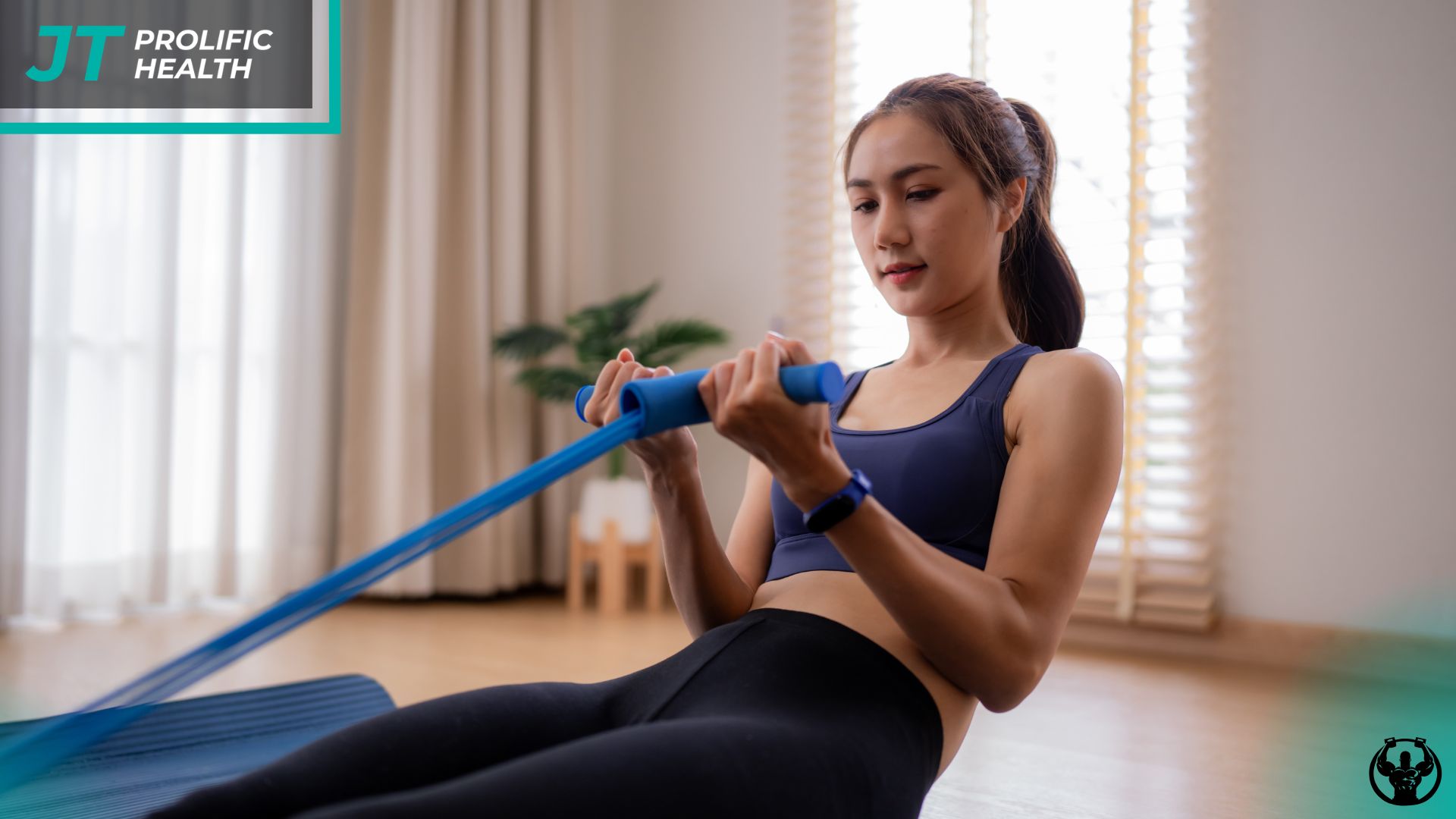
A:A well-designed beginner program requires less equipment than most people assume. Barbells, dumbbells, and basic cable or resistance tools cover the full scope of compound and accessory work that produces results for beginners. At theProlific Healthstudio in Richmond, the programming uses the equipment that best serves each client’s movement quality and program goals rather than defaulting to any particular tool. This resource onwhat equipment personal trainers use in Richmondcovers what a well-equipped coaching facility provides.
Q: How long before a beginner over 30 sees results from strength training?
A:Most clients notice meaningful improvements in energy levels, sleep quality, and movement comfort within the first four to six weeks of consistent training. Visible strength increases and body composition changes typically take three to five months of progressive, well-managed work. A coach’s role includes setting those expectations clearly from the first session and helping clients recognize early progress that doesn’t always register in the mirror. Richmond and Vancouver clients who commit to the process consistently find that month three looks dramatically different from month one.
Q: Do I need a personal trainer to start strength training after 30, or can I manage on my own?
A:You can start independently, but the risk of forming poor movement habits and developing overuse injuries without corrective feedback is meaningfully higher for beginners over 30 than most people account for going in. A coach who assesses movement quality from the first session, manages progressive overload intelligently, and adjusts programming based on how you’re actually responding produces better outcomes faster and with less physical risk than self-directed training. Thebenefits of hiring a personal trainerresource covers what that professional oversight delivers in concrete terms.
Q: What should I expect from a first session at Prolific Health as a beginner over 30?
A:The first session atProlific Healthis a consultation and movement assessment, not a workout. Jason Tam reviews your health history, movement quality, physical limitations, and lifestyle context before making any programming recommendations. That intake process is how every client at the studio starts, because building a program without that information produces generic results rather than outcomes specific to your situation.
Conclusion
Knowing how to start strength training over 30 as a beginneris less about finding the right exercise list and more about understanding what your specific starting point requires. The physiological realities of starting after 30 are real, but they are manageable with the right programming approach. The risks of getting the start wrong are equally real, and they are most reliably avoided with professional guidance from the outset rather than after the first preventable injury.
Richmond and Vancouver adults who invest in a structured coaching relationship from the beginning of their strength training journey consistently produce better long-term outcomes than those who start independently and seek help only when something goes wrong. The movement quality foundation, the intelligent progression, and the accountability structure that a qualified coach provides compound in value across every month of consistent training.
Prolific Healthis built for exactly this starting point. When you’re ready to begin properly, the studio on Blundell Road is where that foundation gets built correctly from day one.