
Human movement is not a random collection of exercises; it is a predictable, biomechanical language. Every squat, push, pull, and step you take falls into one of seven fundamental categories. These categories—known as movement patterns—form the operating system of your body. When you train these patterns rather than isolated muscles, you build a body that is resilient, coordinated, and capable of handling the demands of sport, work, and daily life without breaking down. Neglecting even one pattern creates a weak link that inevitably leads to compensation, chronic pain, and injury.
Key Takeaways
- Movement patterns are the seven foundational categories of human motion: squat, hinge, lunge, push, pull, rotate, and gait.
- Training patterns instead of muscles improves intermuscular coordination and real-world functionality.
- Dysfunctional patterns are the root cause of most non-contact injuries, including lower back pain and ACL tears.
- Assessing your own patterns through simple screens reveals mobility restrictions and stability deficits before they cause pain.
- Progressive loading of each pattern, from bodyweight to external resistance, is the safest path to lifelong strength.
- Rotational and gait patterns are the most commonly neglected yet most critical for athletic performance and aging well.
- Integrating all seven patterns weekly creates a balanced program that eliminates weak links.
What Are Movement Patterns and Why Do They Matter?
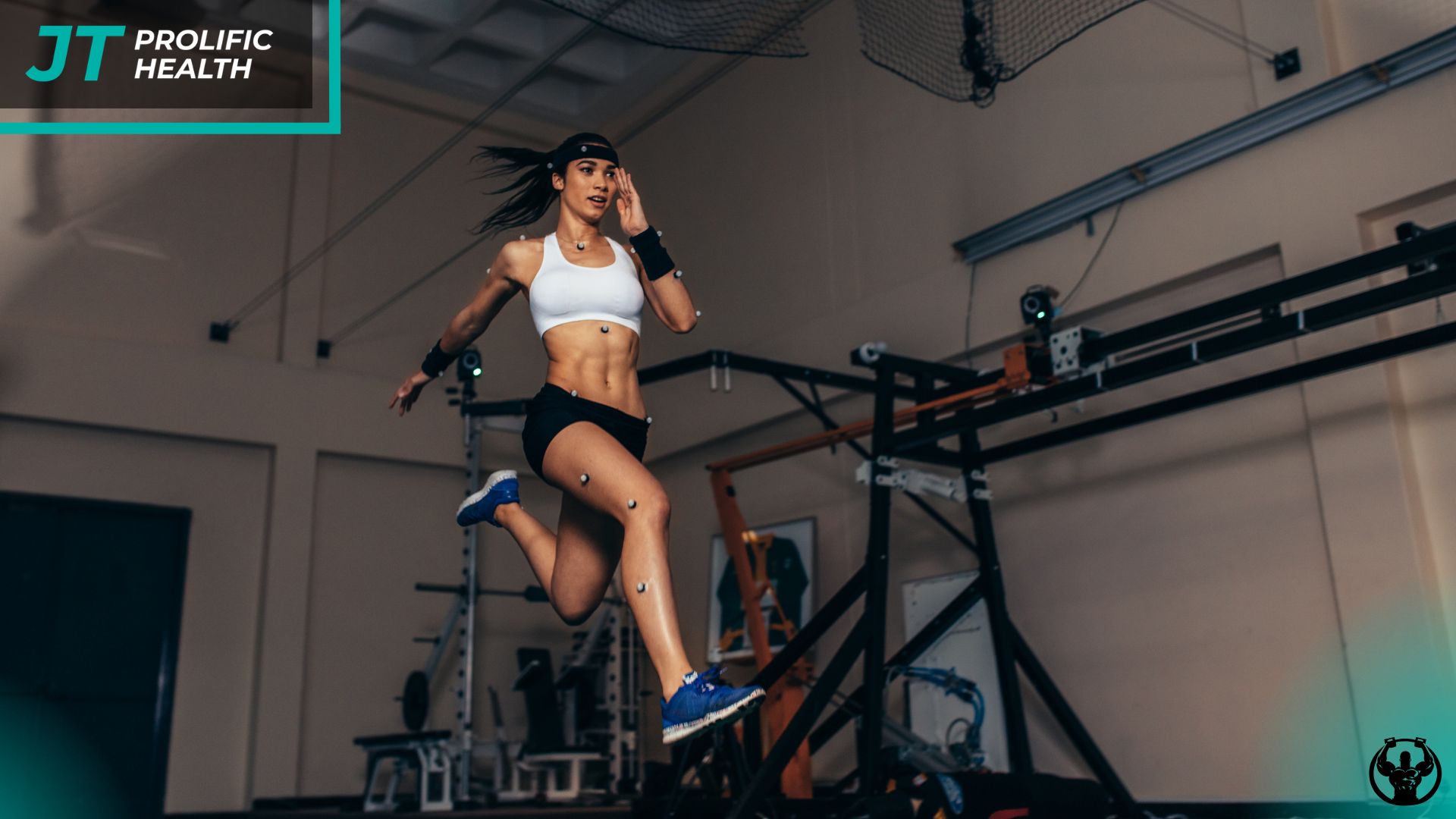
Movement patterns are the basic motor programs hardwired into your nervous system. They describe how your joints and segments organize to produce efficient motion. According to the National Academy of Sports Medicine, these patterns are the foundation of all human performance. When you bend to pick up a child, you are hinging. When you rise from a chair, you are squatting. When you carry groceries, you are loaded carrying—a variation of gait. Training these patterns directly transfers to life outside the gym.
Research published in the Journal of Strength and Conditioning Research demonstrates that pattern-based training reduces injury rates by up to 50% compared to machine-based, isolated muscle training. The reason is simple: machines lock you into a fixed path, while pattern training teaches your stabilizers to fire in sequence. This builds true, transferable strength. As Dr. Stuart McGill, Professor Emeritus of Spine Biomechanics at the University of Waterloo, states: “The body does not know muscles; it knows movements. Train the pattern, and the muscles will follow.”
The seven patterns are not arbitrary. They evolved from our need to interact with the environment—to gather food, build shelter, and evade predators. Modern life has not changed our biological hardware; it has only removed the daily practice of these patterns. Sitting for 8 hours a day shortens hip flexors and inhibits glutes, corrupting the squat and hinge. Constant forward-reaching creates a rounded thoracic spine, compromising the push and pull. Reclaiming these patterns is not about aesthetics; it is about restoring your birthright of pain-free motion.
The Seven Fundamental Movement Patterns
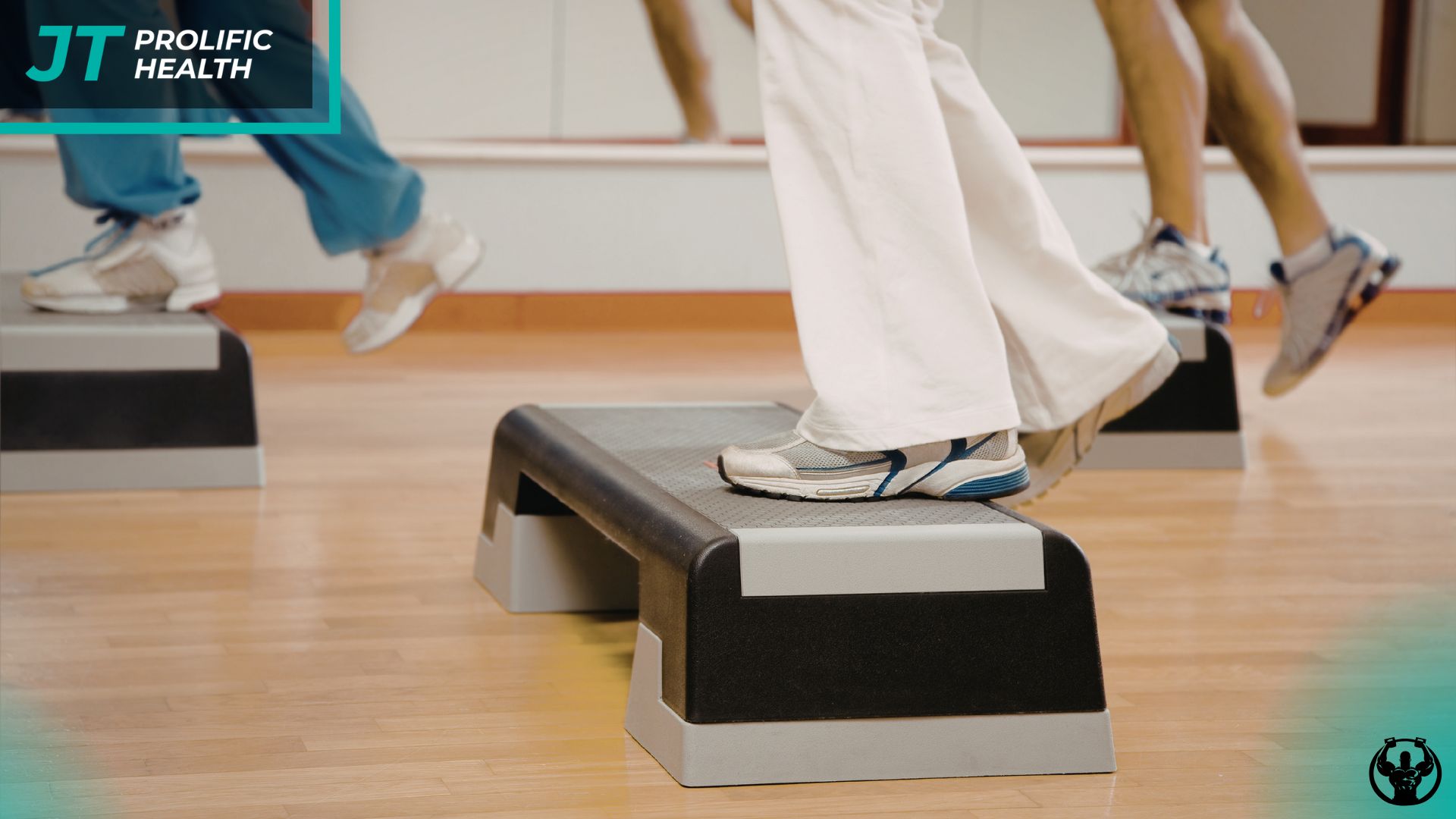
Understanding each pattern in isolation is the first step to integrating them into a cohesive program. Each pattern has a primary joint action, a plane of motion, and a set of common dysfunctions that arise when it is neglected or performed incorrectly.
1. The Squat Pattern
The squat is a knee-dominant, sagittal plane movement where the hips and knees flex simultaneously while the torso remains upright. It is the pattern of sitting and standing. A proper squat requires ankle dorsiflexion, hip flexion, and a stable, neutral spine. The most common dysfunction is a posterior pelvic tilt—”butt wink”—caused by tight hamstrings or a lack of hip joint mobility. According to data from the American Council on Exercise, 67% of adults cannot perform a bodyweight squat to parallel without compensation.
Progressions start with assisted squats using a TRX or doorframe, move to goblet squats with a kettlebell held at the chest, and culminate in barbell front or back squats. The goblet squat is particularly effective because the anterior load naturally teaches upright posture. A 2023 study in the International Journal of Sports Physical Therapy found that goblet squats activate the gluteus medius 23% more than back squats, making them superior for hip stability.
2. The Hinge Pattern
The hinge is a hip-dominant movement where the spine remains rigid while the hips translate backward. It is the pattern of bending over safely. The deadlift, kettlebell swing, and Romanian deadlift are all hinge variations. The critical distinction from a squat is minimal knee flexion; the shins remain nearly vertical. This pattern loads the entire posterior chain—hamstrings, glutes, and spinal erectors.
Lower back pain is almost universally linked to a dysfunctional hinge. When the lumbar spine flexes instead of the hips hinging, the discs bear shear forces they cannot tolerate. Dr. Kelly Starrett, physical therapist and author of “Becoming a Supple Leopard,” explains: “The hinge is the single most important pattern for back health. If you cannot hip hinge, you will eventually blow out a disc.” Teaching the hinge begins with a dowel rod held along the spine, ensuring three points of contact—head, thoracic spine, and sacrum—never lose touch.
3. The Lunge Pattern
The lunge is a single-leg, split-stance pattern that challenges stability in the frontal and transverse planes. Unlike the squat, which is symmetrical, the lunge demands pelvic stability and balance. It mimics walking, climbing stairs, and any movement requiring a stride. Lunges expose asymmetries immediately: one hip may drop, one knee may valgus (collapse inward), or the torso may lean.
Research from the University of Calgary’s Human Performance Laboratory shows that incorporating multi-planar lunges—forward, reverse, and lateral—reduces ACL injury risk in female athletes by 38%. The lateral lunge, in particular, strengthens the gluteus medius in the frontal plane, a muscle notoriously weak in individuals with knee pain. A comprehensive lunge progression includes static split squats, reverse lunges, walking lunges, and finally, loaded variations with dumbbells or a barbell.
4. The Push Pattern
Push patterns involve moving a load away from the body, primarily using the chest, shoulders, and triceps. They divide into horizontal pushing (push-ups, bench press) and vertical pushing (overhead press). The push-up is the most fundamental expression, requiring scapular protraction and a rigid core. A 2024 study in the Journal of Applied Biomechanics revealed that a proper push-up generates ground reaction forces equivalent to 69% of body weight, making it a potent strength builder even for advanced athletes.
Common dysfunctions include scapular winging, where the shoulder blades lift off the ribcage, and an excessive lumbar arch. Both indicate a lack of serratus anterior activation and core stability. Overhead pressing demands thoracic extension and shoulder flexion mobility. If the thoracic spine is stiff from prolonged sitting, the lumbar spine compensates by hyperextending, leading to facet joint irritation.
5. The Pull Pattern
Pull patterns bring a load toward the body, engaging the back, biceps, and rear deltoids. Like pushing, pulling divides into horizontal (rows) and vertical (pull-ups, lat pulldowns). Pulling is the antidote to our forward-flexed, screen-based posture. It retracts the scapulae, externally rotates the shoulders, and extends the thoracic spine.
According to the British Journal of Sports Medicine, a 2:1 pull-to-push ratio is optimal for shoulder health. For every set of pressing, you should perform two sets of pulling. This ratio counteracts the internal rotation dominance that leads to impingement. The inverted row is the foundational horizontal pull, scalable by adjusting body angle. The pull-up remains the gold standard for vertical pulling, but only 8% of the general population can perform a single strict rep, per data from the Cooper Institute.
6. The Rotate Pattern
Rotation is the most overlooked pattern, yet it is essential for all throwing, striking, and twisting movements. It occurs primarily through the thoracic spine and hips, not the lumbar spine. The lumbar spine has only about 13 degrees of total rotational range; forcing rotation here is a recipe for disc herniation. True rotational power comes from the hips and thorax working in opposition, creating a stretch-shortening cycle in the obliques and spiral fascial lines.
Anti-rotation exercises, like the Pallof press, are equally important. They teach the core to resist unwanted motion, protecting the spine under load. As Shirley Sahrmann, Professor Emerita at Washington University in St. Louis, notes: “The most important job of the abdominal muscles is to prevent movement, not create it.” A complete rotational program includes cable chops, medicine ball throws, and landmine rotations, always emphasizing hip and thoracic dissociation.
7. The Gait Pattern
Gait encompasses walking, running, and loaded carries. It is the pattern of locomotion, requiring contralateral coordination—opposite arm and leg moving together. Loaded carries, such as farmer’s walks and suitcase carries, are the most functional expression. They demand reflexive core stability, grip strength, and upright posture under asymmetrical load.
Dan John, renowned strength coach and author, calls loaded carries “the single best exercise for real-world strength.” A 2022 study in the Journal of Physical Therapy Science found that a 6-week loaded carry program improved dynamic balance in older adults by 29%, significantly reducing fall risk. The suitcase carry—holding a weight in one hand—is particularly diagnostic, instantly revealing lateral trunk weakness if the torso bends sideways.
Assessing Your Movement Patterns: The Screen
Before loading any pattern, you must screen for dysfunction. The Functional Movement Screen (FMS), developed by Gray Cook, is the industry standard. It uses seven tests to score movement quality on a 0-3 scale. A score below 14 indicates a significantly elevated injury risk. The screen includes the deep squat, hurdle step, in-line lunge, shoulder mobility, active straight-leg raise, trunk stability push-up, and rotary stability.
You can perform a self-assessment with just a dowel rod and a mirror. Film yourself from the front and side performing a bodyweight squat. Look for these red flags: heels lifting (ankle restriction), knees caving inward (glute medius weakness), torso leaning excessively forward (hip mobility deficit), and an asymmetrical hip shift. For the hinge, use the dowel rod test described earlier. If the rod loses contact with your sacrum, your lumbar spine is flexing.
According to a meta-analysis in the British Journal of Sports Medicine, the FMS has a sensitivity of 71% and specificity of 84% for predicting musculoskeletal injury. This means it is a reliable, though not perfect, tool. The real value is not the score itself but the corrective exercise roadmap it provides. Each dysfunction points to a specific mobility or stability drill that must precede loading.
| Movement Pattern | Primary Joint Action | Common Dysfunction | Corrective Drill |
|---|---|---|---|
| Squat | Knee & Hip Flexion | Butt Wink (posterior pelvic tilt) | Ankle mobility drills, goblet squat to depth |
| Hinge | Hip Flexion | Lumbar Flexion | Dowel rod hip hinge, banded good morning |
| Lunge | Hip & Knee Flexion (single leg) | Knee Valgus | Lateral band walks, split squat with band |
| Push | Shoulder Flexion & Elbow Extension | Scapular Winging | Scapular push-ups, serratus punches |
| Pull | Shoulder Extension & Elbow Flexion | Rounded Shoulders | Thoracic extension on foam roller, face pulls |
| Rotate | Thoracic & Hip Rotation | Lumbar Rotation | Open book stretch, Pallof press |
| Gait | Hip Extension & Contralateral Arm Swing | Trendelenburg Gait (hip drop) | Single-leg deadlift, suitcase carry |
Programming Movement Patterns for Lifelong Strength
A well-designed program hits every pattern at least once per week, with a bias toward pulling and hip-dominant work to counteract modern posture. The following is a template, not a prescription. Exercise selection, volume, and intensity must be individualized based on assessment results.
- Day 1: Upper Body Push/Pull – Horizontal push (push-up or dumbbell press), vertical pull (pull-up or lat pulldown), horizontal pull (inverted row), vertical push (half-kneeling landmine press). Finish with anti-rotation core work.
- Day 2: Lower Body Knee Dominant – Squat variation (goblet squat or front squat), lunge variation (reverse lunge), single-leg work (step-ups). Include loaded carries at the end.
- Day 3: Upper Body Pull/Push – Vertical pull (chin-up), horizontal push (dumbbell bench press), horizontal pull (cable row with rotation), vertical push (overhead press). Add rotational medicine ball throws.
- Day 4: Lower Body Hip Dominant – Hinge variation (trap bar deadlift or kettlebell swing), single-leg hinge (single-leg Romanian deadlift), lateral lunge. Finish with heavy suitcase carries.
Progressive overload is non-negotiable. You must gradually increase load, reps, or sets to force adaptation. However, load must never compromise form. A 2025 consensus statement from the International Federation of Sports Medicine warns that loading a dysfunctional pattern is the fastest path to chronic injury. The rule is simple: earn the right to add weight by first demonstrating perfect technique across all planes.
Real-World Case Study: The Desk Worker’s Transformation
Consider Mark, a 45-year-old software developer who spent 10 hours a day seated. He presented with chronic lower back pain, frequent tension headaches, and a rounded shoulder posture. An FMS screen scored him at 10/21. His deep squat revealed a 4-inch heel lift and significant forward lean. His shoulder mobility test showed a 6-inch gap between his fists behind his back. His active straight-leg raise was limited to 45 degrees bilaterally.
His program did not start with weights. For four weeks, he performed daily ankle mobility drills, thoracic spine extensions on a foam roller, and hip flexor stretches. He practiced the dowel rod hip hinge and assisted squats to a box. Only after his FMS score improved to 15 did we introduce goblet squats, inverted rows, and suitcase carries. After 12 weeks, his back pain resolved completely. He deadlifted 185 pounds with perfect form. His headaches disappeared as his thoracic mobility improved. This is the power of pattern-based training: it addresses the root cause, not the symptom.
Common Mistakes When Training Movement Patterns
Even well-intentioned trainees make critical errors that undermine progress and invite injury. The first is confusing a squat with a hinge. Many people turn their squats into a good morning, leaning the torso forward because their hips lack mobility. This shifts the load to the lower back. The fix is to elevate the heels on weight plates or use lifting shoes while working on ankle dorsiflexion.
The second mistake is neglecting single-leg work. Bilateral exercises like squats and deadlifts mask asymmetries. A person can leg press 400 pounds yet be unable to balance on one leg for 30 seconds. Single-leg training, including lunges and step-ups, exposes and corrects these imbalances. The third error is training only in the sagittal plane. Life happens in all three planes—sagittal, frontal, and transverse. Adding lateral lunges and rotational chops ensures you are prepared for the unpredictable demands of sport and life.
Finally, many people ignore gait and carries. Walking with a heavy load is the most primal human activity. It builds work capacity, grip strength, and core stability simultaneously. No program is complete without some form of loaded carry. As physical therapist Dr. John Rusin states: “If you’re not carrying heavy things, you’re not training for longevity.”
Frequently Asked Questions
What are the seven basic movement patterns?
The seven fundamental human movement patterns are squat, hinge, lunge, push, pull, rotate, and gait (including loaded carries). These categories encompass every motion the human body can perform, from picking up objects to throwing a ball. Training all seven ensures balanced muscular development and reduces injury risk.
How often should I train each movement pattern?
Each pattern should be trained at least once per week, with a 2:1 pull-to-push ratio for upper body work. Hip-dominant patterns (hinge) and single-leg work (lunge) deserve extra attention due to the negative effects of prolonged sitting. A four-day split covering all patterns twice weekly is ideal for most individuals.
Can I train movement patterns if I have an existing injury?
Yes, but only after a thorough assessment by a qualified professional. The pattern causing pain must be regressed to a pain-free variation. For example, a person with knee pain may need to squat to a box at a reduced depth while addressing mobility restrictions. Pain is a signal to modify, not to push through.
What is the difference between a squat and a hinge?
The squat is knee-dominant, with significant knee flexion and an upright torso. The hinge is hip-dominant, with minimal knee flexion and the hips moving backward. In a squat, the shins travel forward; in a hinge, they remain nearly vertical. Confusing the two places dangerous shear forces on the lumbar spine.
Why is rotation important if the lumbar spine shouldn’t rotate much?
Rotation should come from the thoracic spine and hips, which have far greater rotational range of motion. Training rotation through these segments improves athletic performance in throwing, swinging, and striking. Anti-rotation exercises teach the lumbar spine to remain stable, protecting it from injury during dynamic movements.
How do I know if my movement patterns are dysfunctional?
Common signs include pain during basic movements, inability to reach full range of motion, asymmetrical weight shifts, and visible compensations like knee valgus or excessive trunk lean. A formal Functional Movement Screen (FMS) with a certified professional provides an objective score and identifies specific limitations.
Are machines effective for training movement patterns?
Machines isolate muscles and lock you into a fixed path, which can be useful for hypertrophy but does not train intermuscular coordination or stabilizer strength. Free-weight, pattern-based exercises transfer directly to real-world activities. A balanced program uses primarily free weights, with machines as a supplement for specific weaknesses.
Conclusion
Movement patterns are the alphabet of physical literacy. Mastering them is not about lifting the heaviest weight; it is about moving with efficiency, resilience, and freedom from pain. By assessing your patterns, correcting dysfunctions, and progressively loading all seven categories, you build a body that performs as well at 70 as it did at 30. The squat, hinge, lunge, push, pull, rotate, and gait patterns are your roadmap to lifelong strength and mobility.
If you are ready to discover how your movement patterns stack up and receive a personalized corrective exercise plan, contact us today for a comprehensive movement assessment. Your body’s operating system deserves a professional tune-up.
References
- National Academy of Sports Medicine. NASM
- McGill, S. University of Waterloo. University of Waterloo
- American Council on Exercise. ACE Fitness
- International Journal of Sports Physical Therapy. JOSPT
- Starrett, K. “Becoming a Supple Leopard.” The Ready State
- University of Calgary, Human Performance Laboratory. University of Calgary
- Journal of Applied Biomechanics. Human Kinetics Journals
- British Journal of Sports Medicine. BJSM
- Cooper Institute. Cooper Institute
- Sahrmann, S. Washington University in St. Louis. Washington University in St. Louis
- John, D. Dan John
- Journal of Physical Therapy Science. J-STAGE
- International Federation of Sports Medicine. FIMS
- Rusin, J. Dr. John Rusin