
Time is often the scarcest resource for the modern professional. Between early morning meetings, family commitments, and the desire for a social life, finding 90 minutes to spend in the gym can feel impossible. This time crunch often leads to skipped workouts or, worse, rushing through a session so fast that form breaks down. This is where the strategic implementation of superset training changes the game.
Unlike traditional straight sets, where you perform an exercise and then sit around waiting for your muscles to recover, supersets allow you to do more work in less time. However, this is not just about rushing. It is about increasing workout density—the amount of work performed per unit of time. When applied correctly, this method improves your cardiovascular health, builds muscle, and burns more calories, all while fitting into your lunch break. We are here to show you how to utilize this powerful tool safely and effectively.
Key Takeaways
Efficiency is Key: Supersets significantly reduce total workout time by eliminating passive rest periods.
Metabolic Boost: The increased density of the workout elevates your heart rate, creating a robust cardiovascular stimulus alongside strength gains.
Balanced Development: Pairing opposing muscle groups (antagonist supersets) ensures structural balance and prevents overuse injuries.
Focus Required: The faster pace requires strict attention to form; fatigue management is critical to avoid injury.
Professional Oversight: A coach structures these pairings to manage energy levels, ensuring you don’t burn out halfway through the session.
Overview
This comprehensive guide examines the physiology and practical application of superset training. We will explore why this method is a favorite among busy executives and parents who need high-yield returns on their time investment. You will learn about different types of pairings—such as agonist vs. antagonist—and how they impact recovery. We also discuss the “grind culture” trap, explaining why constantly chasing high-intensity supersets can backfire if not programmed intelligently. Finally, we highlight why professional coaching is superior to DIY attempts, especially when fatigue sets in, and answer common questions about rest, frequency, and safety.
Defining the Method: What Actually is a Superset?
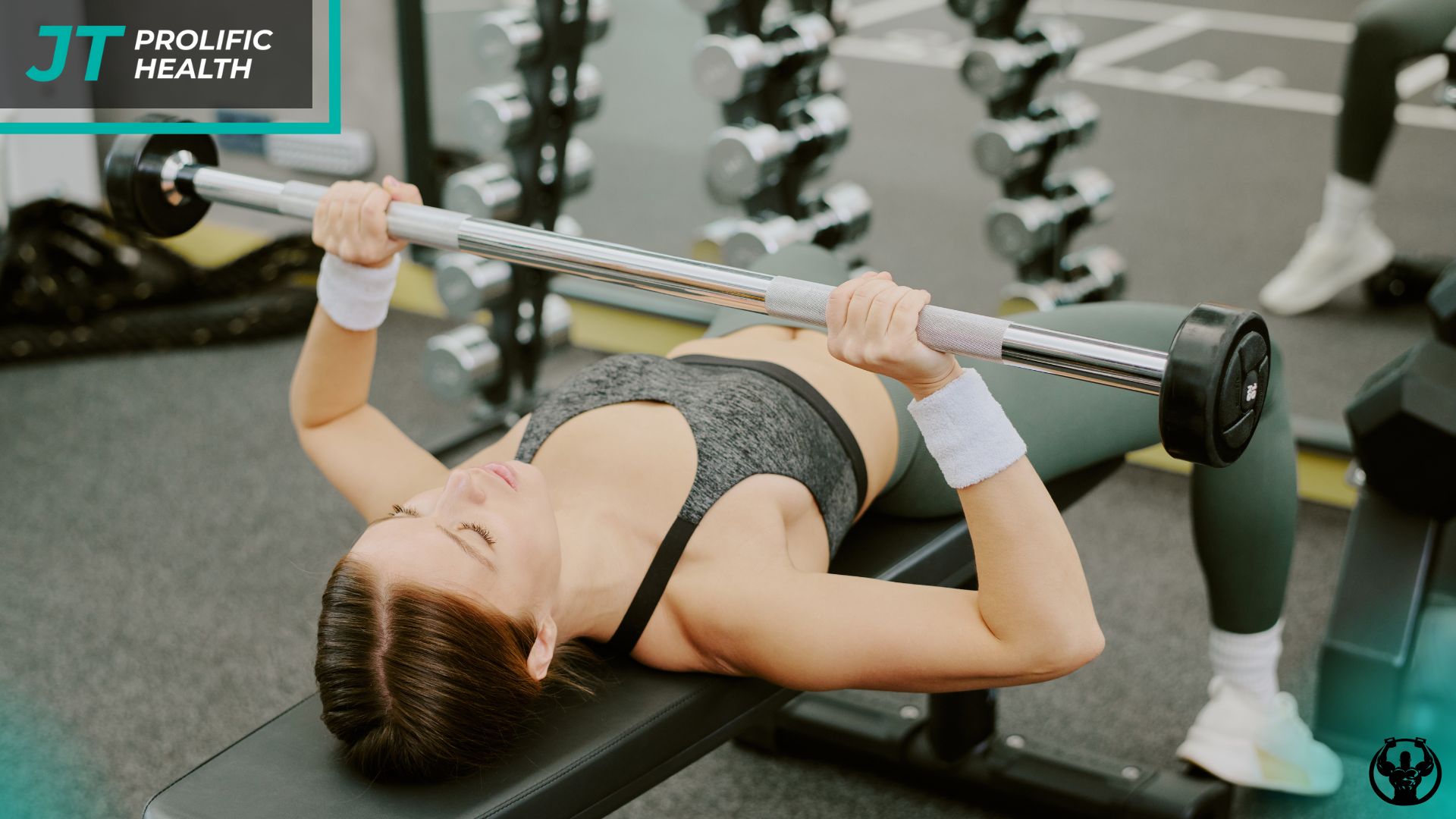
In standard strength training, you complete a set of an exercise, rest for 60 to 120 seconds, and then repeat. Superset training breaks this rhythm by performing two exercises back-to-back with virtually no rest in between. You only rest after the second exercise is complete.
This method effectively doubles the volume of exercise you can perform in a given timeframe. According to the National Strength and Conditioning Association (NSCA), supersets are a time-efficient method for developing strength and power, making them ideal for individuals with limited training availability. However, the selection of exercises matters immensely. Pairing two high-skill, high-fatigue movements (like a heavy deadlift followed by a heavy squat) is rarely a good idea for the general population because the risk of injury skyrockets as systemic fatigue sets in.
We focus on smart pairings. For example, pairing an upper-body exercise with a lower-body exercise allows one half of your body to rest while the other works. This is often called Peripheral Heart Action (PHA) training, and it is excellent for keeping your heart rate up without local muscle failure stopping the workout early.
The Physiology of Density and Metabolism
Why does this feel so much harder than a normal workout? The answer lies in “workout density.” By removing the passive rest intervals, you force your cardiovascular system to work overtime to clear metabolic waste products (like lactate) and replenish oxygen to the working muscles.
This creates a high metabolic demand. Your body continues to burn calories at an elevated rate even after you leave the gym, a phenomenon known as Excess Post-exercise Oxygen Consumption (EPOC). For busy professionals looking to manage body composition, this is a major advantage. You are essentially getting a strength workout and a cardio workout simultaneously.
However, we must be careful with intensity. If every session is a high-octane race against the clock, cortisol levels can rise, leading to burnout. We use effective strength training techniques to modulate the intensity, ensuring that the metabolic boost supports your health rather than draining your energy reserves for the rest of the work week.
Types of Supersets for Real-World Results
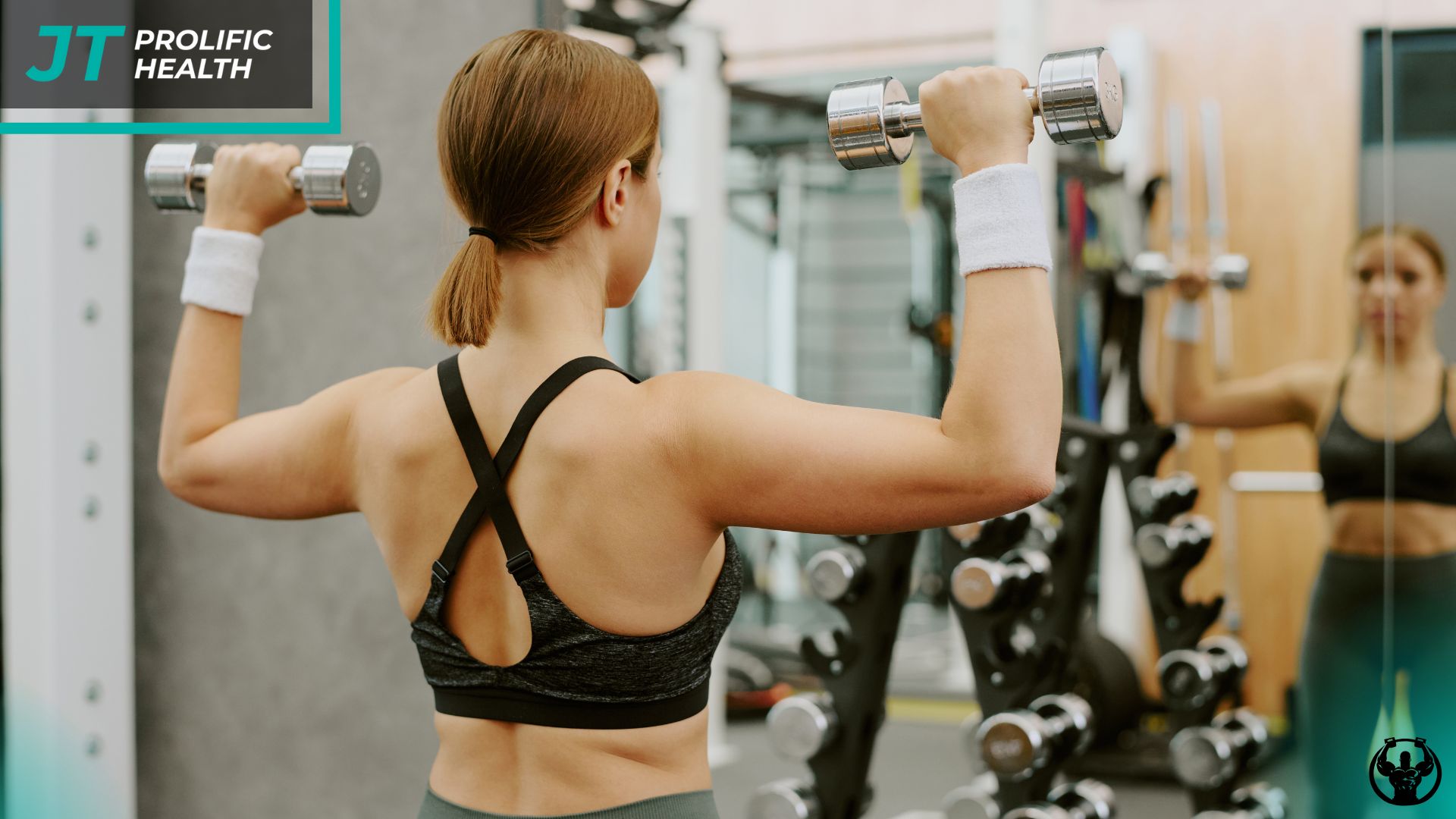
Not all supersets are created equal. Depending on your goals—whether it’s posture, strength, or hypertrophy—we choose specific pairings to elicit the right response.
Antagonist Supersets (Push-Pull)
This is the most common and arguably the safest method for most people. It involves pairing opposing muscle groups, such as a Chest Press (Push) with a Back Row (Pull). While your chest muscles work, your back muscles stretch and recover, and vice versa. This promotes balanced joint function and prevents the “hunched forward” posture common in office workers.
Agonist Supersets (Compound-Isolation)
Here, we target the same muscle group with two different exercises. For example, performing a Barbell Squat followed immediately by a Leg Extension. This is an advanced hypertrophy technique designed to exhaust a specific muscle group. We generally reserve this for clients who have built a solid foundation, as the localized fatigue can be intense.
Upper-Lower Supersets
This involves alternating between an upper-body movement (like a Overhead Press) and a lower-body movement (like a Lunge). This is fantastic for general fitness and fat loss because it forces the heart to shunt blood from the extremities to the core repeatedly, challenging the cardiovascular system significantly. Our guide to exercise selection helps determine which of these variations aligns best with your current physical condition.
The “Grind Culture” Trap: Why More Isn’t Always Better
Social media often portrays superset training as a way to completely destroy yourself in the gym. You see influencers doing endless circuits until they collapse. For a busy parent or professional, this approach is counterproductive.
If you leave the gym completely shattered, your productivity at work will suffer, and your patience at home will wear thin. We view fitness as a tool to enhance your life, not consume it. Supersets should be stimulating, not annihilating.
We carefully manage the “dose” of exercise. If you are having a high-stress week, we might program antagonist supersets with slightly longer rest periods to prioritize recovery. If you are feeling energetic, we might tighten the rest periods to push your conditioning. This nuance is missing from generic online plans.
Safety First: The Danger of Fatigue and Form Breakdown
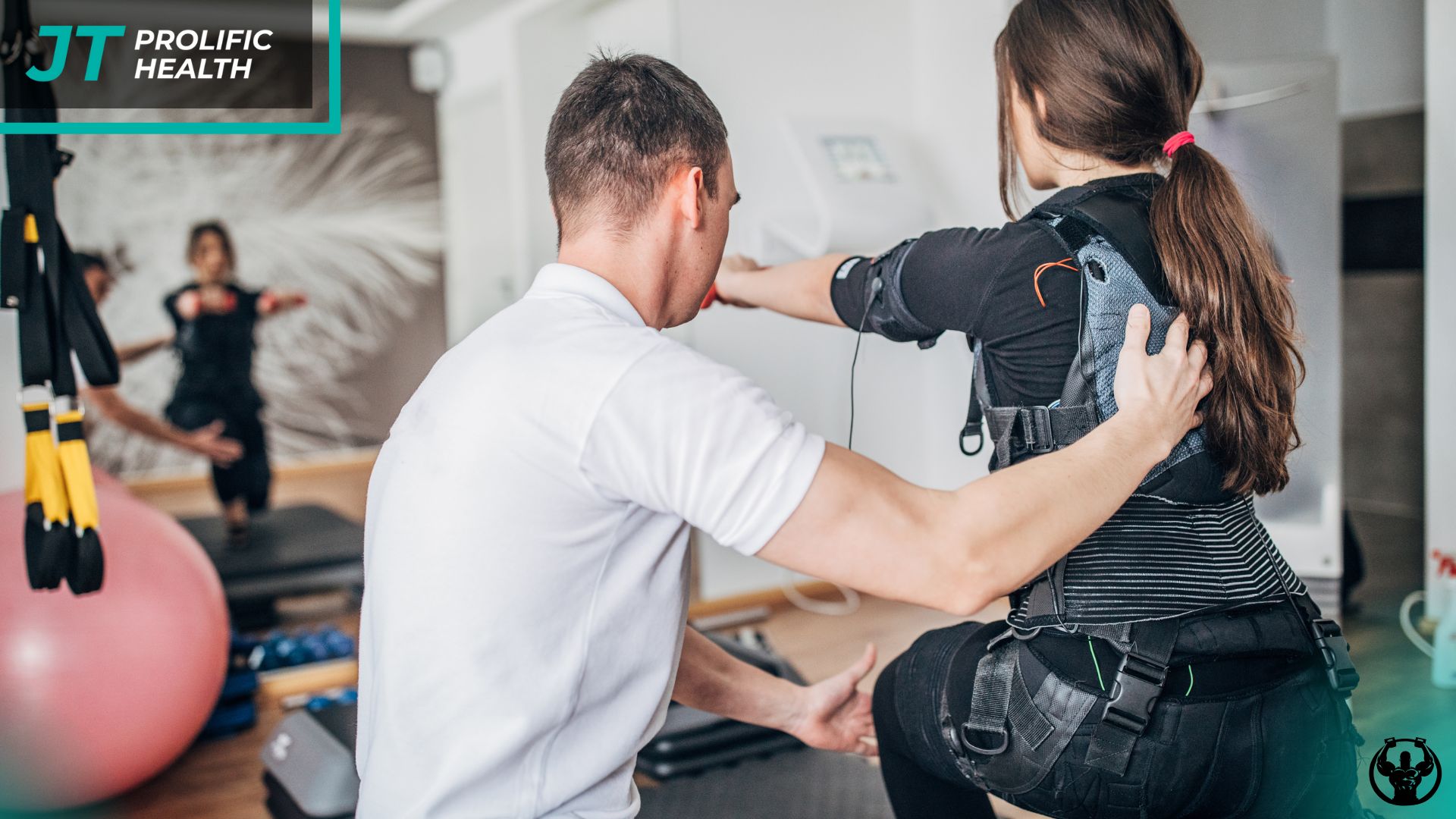
The biggest risk with this training style is technical failure. As your heart rate spikes and your muscles burn, it becomes increasingly difficult to maintain a neutral spine or proper knee alignment. Doing a complex movement like a kettlebell swing when you are gasping for air requires high levels of focus.
This is why DIY supersets are risky. Without an external observer, you might not notice your lower back rounding during that second exercise. A qualified coach acts as your guardrail. We watch your form degrade before you do. If we see your technique slip, we terminate the set or regress the exercise immediately.
Investing in professional guidance ensures that you reap the benefits of high-density training without paying the price in injuries. We help you build a base using beginner workout programs before graduating to more complex superset structures.
Why Professional Coaching Beats the DIY Approach
You might think, “I can just pair exercises myself.” While you can, the logistics in a commercial gym are often a nightmare. Trying to hog a squat rack and a bench press station simultaneously during peak hours is a quick way to make enemies.
At Prolific Health, our facility is designed for this type of training. We curate your station so you can move seamlessly from one movement to the next without waiting or fighting for equipment. Furthermore, we handle the cognitive load. You don’t have to look at your watch, track your weights, or wonder if you are resting too long. We manage the flow, allowing you to enter a “flow state” where you focus entirely on the movement.
We also integrate holistic advice. We remind you to hydrate between these dense sets and provide cardiovascular guidance to help your body clear lactate more efficiently, improving your ability to recover between sessions.
Ready to Optimize Your Training Time?
Stop wasting hours in the gym with inefficient routines. If you want a workout that respects your schedule and delivers real results, we are here to help. Visit us at Prolific Health, 3231 No 6 Rd Unit 105, Richmond, BC V6V 0C2, or call us at +1 604 818 6123 to schedule your consultation. Let us build a time-efficient, scientifically backed plan that fits your life.
Common Questions About Superset Training
Q: Is superset training suitable for beginners?A: Yes, but with modifications. Beginners should focus on antagonist supersets (opposing muscle groups) to avoid excessive local muscle fatigue that could compromise form.
Q: How much rest should I take between supersets?A: After completing both exercises, a rest period of 90 to 120 seconds is common. This allows your heart rate to recover sufficiently so you can maintain intensity for the next round.
Q: Will supersets help me lose weight?A: Yes. The increased density of the workout burns more calories per minute than traditional lifting, and the “afterburn” effect (EPOC) keeps your metabolism elevated for hours post-workout.
Q: Can I superset two heavy compound lifts?A: It is generally not recommended for the general population. Pairing a heavy squat with a heavy deadlift creates massive spinal loading and systemic fatigue, significantly increasing injury risk.
Q: Do I need to do cardio if I do supersets?A: Supersets provide a strong cardiovascular stimulus, but they do not replace steady-state cardio entirely. A balanced program usually includes both for optimal heart health.
Q: How often should I perform superset workouts?A: Because they are more demanding, 2–3 times per week is often sufficient for most busy professionals. Recovery is crucial to see progress.
Q: Can supersets build muscle size?A: Absolutely. By increasing the volume of work done in a session, you create a potent stimulus for hypertrophy, provided you are eating enough to support growth.
Q: What if I get dizzy during a superset?A: This can happen if you hold your breath or stand up too quickly. Stop immediately, sit down, and breathe. This is a sign to increase rest periods or lower the intensity.
Conclusion
Superset training is a powerful antidote to the “I don’t have time” excuse. It allows you to condense a high-volume, high-quality workout into a manageable timeframe, respecting the demands of your career and family life. However, its intensity requires respect. By prioritizing form, managing fatigue, and following a structured plan, you can build a lean, capable body without living in the gym. Trust in professional guidance to navigate the intensity safely and enjoy the efficiency of a smarter way to train.