
You have just finished a heavy set of squats, but instead of feeling your legs work, your lower back is throbbing. Or perhaps you have spent months targeting your glutes, yet they refuse to grow. If this sounds familiar, the issue likely isn’t your effort—it is your muscle activation.
For many busy professionals, the gym becomes a place to “blow off steam” by moving heavy weights from point A to point B. However, movement without intention is just momentum. True strength and longevity come not from how much weight you move, but from how effectively you can recruit the correct muscle fibers to move it.
Key Takeaways
Mind-Muscle Connection: Activation is a neurological skill; it is about the brain’s ability to signal muscle fibers to contract.
Injury Prevention: “Waking up” stabilizing muscles protects vulnerable joints like the knees and lower back.
Efficiency: Proper activation means you get more stimulation from lighter weights, reducing systemic fatigue.
Sedentary Impact: Long periods of sitting lead to “glute amnesia,” making activation drills essential for office workers.
The Science of Neural Drive: How Your Brain Controls Your Body
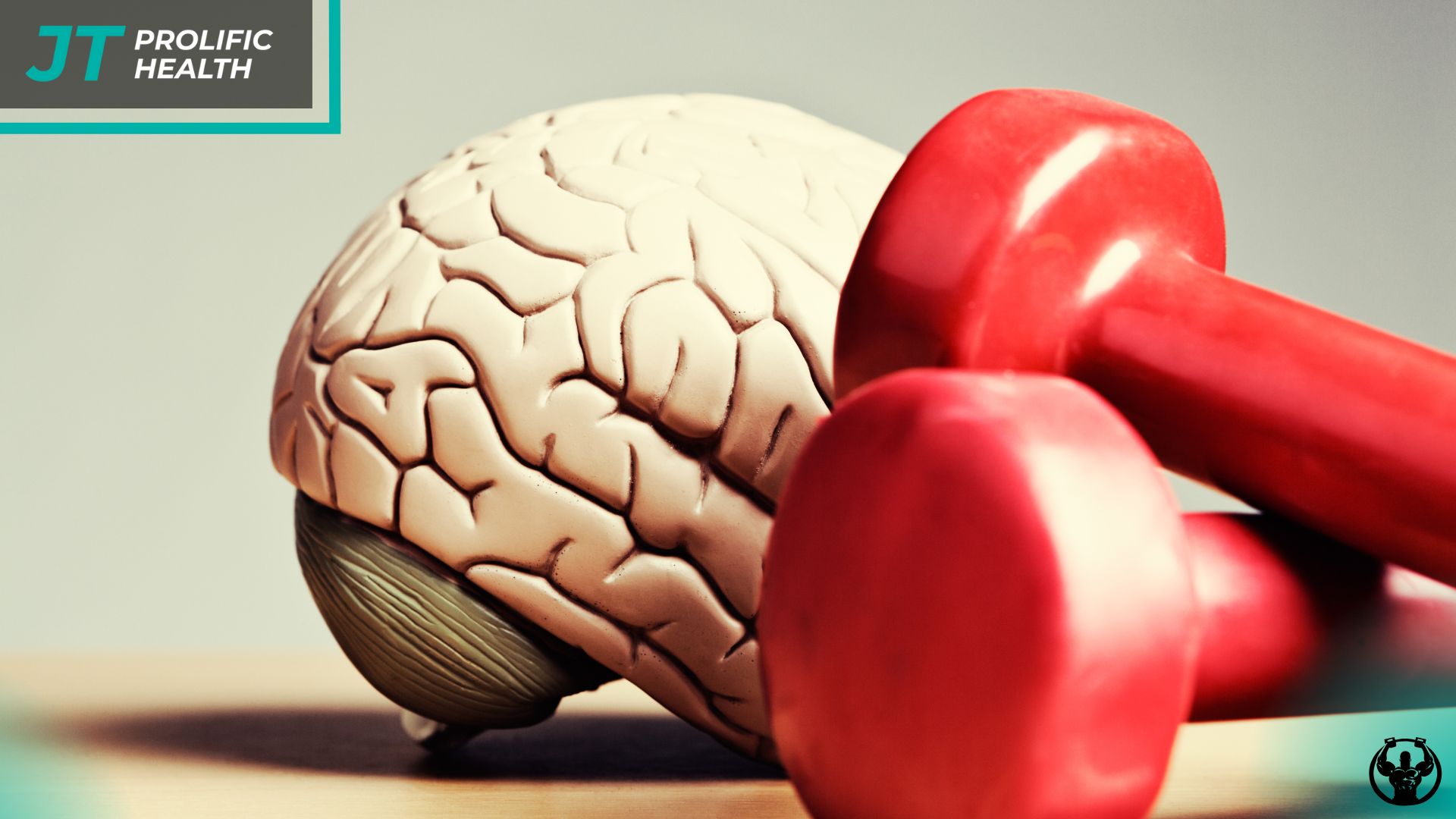
To understand muscle activation, we must look at the nervous system. Muscles do not have a mind of their own; they only do what the Central Nervous System (CNS) tells them to do. When you decide to move, your brain sends an electrical signal down the spinal cord to the motor units in a muscle.
The strength of a contraction depends on the number of motor units recruited and the rate at which they fire. Untrained individuals often cannot access their “high-threshold” motor units—the ones responsible for strength and power—because their neural pathways are inefficient. By focusing on training consistency and technique, you essentially “thicken” these neural pathways, leading to greater force production and muscle growth without necessarily increasing the weight on the bar.
The “Office Body” Problem: Why You Are Deactivated
If you work a corporate job in Richmond, you likely sit for 6 to 10 hours a day. This prolonged inactivity has profound effects on your muscle activation, particularly in the posterior chain (glutes, hamstrings, and back).
Physical therapists refer to this as reciprocal inhibition. When your hip flexors are chronically tight from sitting, they send a signal to the brain to “shut off” the opposing muscle group—your glutes.
When you go straight from the office chair to the squat rack, your body compensates. Instead of using your powerful glutes, you might over-recruit your lower back muscles. This is why incorporating mobility exercises for desk workers into your warm-up serves as a “system reboot,” reminding dormant muscles that it is time to work.
Quality Over Load: Rejecting “Grind Culture”
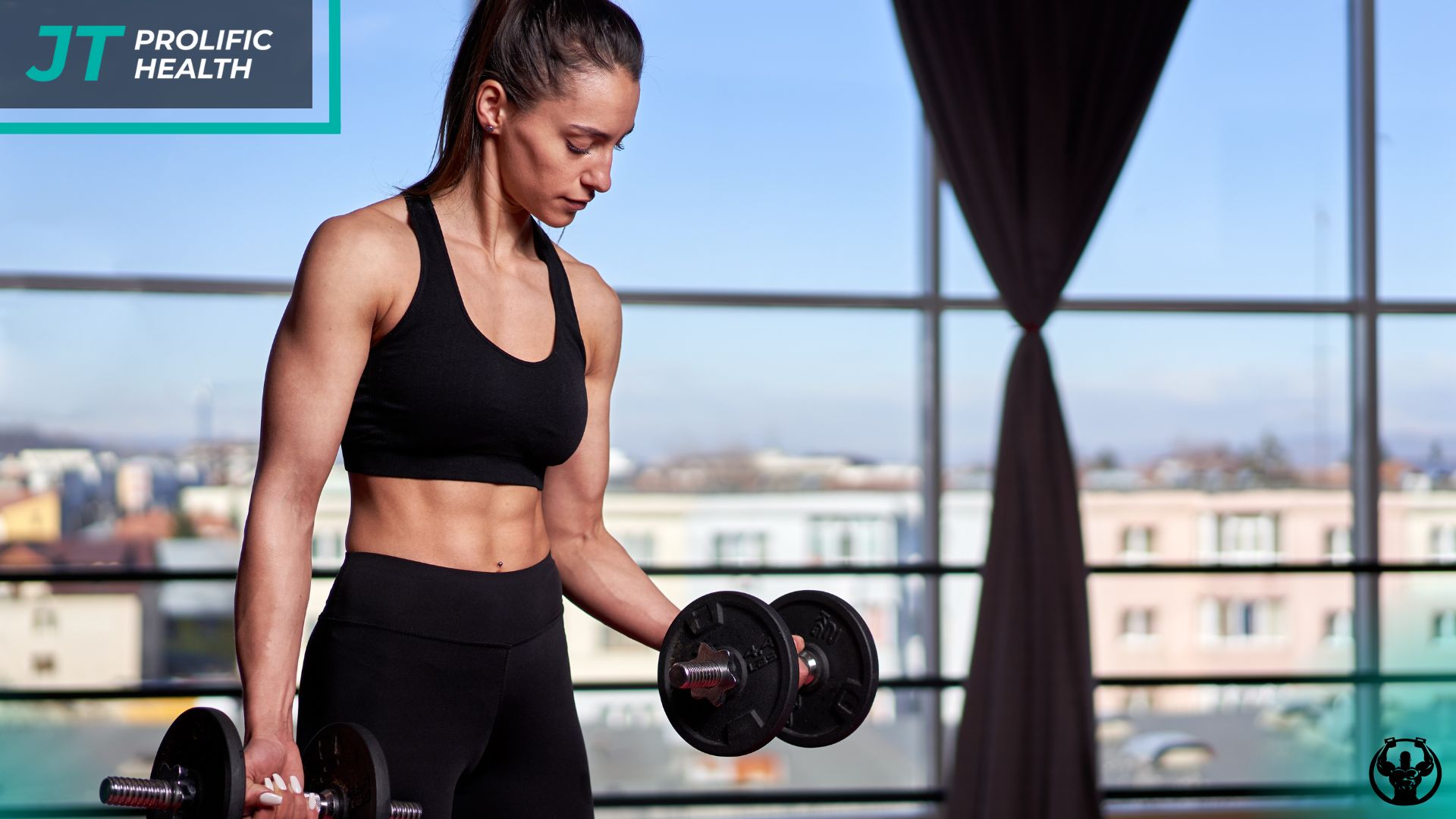
The fitness industry often glorifies the “grind”—heavy weights and high intensity at all costs. While intensity has its place, it is often detrimental to busy professionals who are already managing high levels of life stress.
When you are mentally exhausted, your body’s fine motor control diminishes. Pushing for a “personal best” in this state often results in poor form and a reliance on connective tissue rather than muscle. We advocate for a more intentional approach. By utilizing proper workout scheduling and focusing on a slow, controlled tempo, you force the target muscle to do the work. This “internal tension” method is safer for your joints and more effective for long-term growth because it eliminates momentum.
Practical Strategies to Enhance Activation
Improving muscle activation starts with “priming” the body before the main workout.
Isometrics: Holding a contraction (like a plank) creates a strong neural connection without the complexity of movement.
Unilateral Work: Single-leg or single-arm exercises force stabilizers to fire and prevent your dominant side from taking over.
Tempo Control: Slowing down the lowering phase of a lift increases sensory awareness and time under tension.
[Image showing the stages of the supercompensation cycle in athletic training]
These strategies are part of a broader enhancement of your training cycles, ensuring that every minute spent in the gym is contributing to an actual physiological adaptation rather than just burning calories.
Moving Beyond DIY: The Value of Professional Feedback
While you can watch videos on activation, applying these concepts correctly is difficult without external feedback. You cannot see your own spine while you deadlift, and it is hard to know if you are truly activating your lats or just shrugging your traps.
This is where professional coaching bridges the gap. At Prolific Health, we don’t just count reps; we analyze your biomechanics to guarantee you are firing the right muscles. Whether through one-on-one private training or our hybrid personal training model, we provide the objective eyes needed to correct compensation patterns before they become injuries.
Common Questions About Muscle Activation
Q: How do I know if I am activating the right muscle? > A: You should feel a distinct “burn” or tension in the target area, not in your joints. If you are doing a glute bridge but feel it in your lower back, your activation is off.
Q: How long does it take to fix “glute amnesia”? > A: With consistent daily practice of activation drills, most people notice a significant improvement in their neural connection within 2 to 4 weeks.
Q: Can stress affect my ability to activate muscles? > A: Yes. High stress increases systemic tension, which can lead to “protective tension” where the body stiffens up, making it harder to isolate specific muscles.
Start Your Journey with Prolific Health
At Prolific Health, located at 7471 Blundell Road, Richmond, BC, we specialize in helping busy professionals reclaim their physical potential through intelligent, holistic training. Under the guidance of Jason Tam and our expert team, we build programs that prioritize movement quality and longevity.
Ready to stop guessing and start feeling the difference? Book your personalized consultation with Prolific Health today and let us help you build a resilient, pain-free body.