
Exercise modifications strategies: In the high-performance landscape of 2026, the modern professional operates in an environment of unprecedented psychological and physiological demand. We are connected 24/7, our biological rhythms are constantly challenged by blue light and high-stakes decision-making, and our physical bodies are often relegated to a sedentary existence for ten to twelve hours a day. In this context, many individuals fall into the trap of believing that a fitness program must be followed with rigid, uncompromising adherence—a “no days off” or “standardized” approach that treats the human body as a machine rather than a complex biological system. At Prolific Health, we counter this with exercise modification strategies tailored to individual needs, ensuring that every movement supports long-term performance, recovery, and resilience.
However, the reality of human anatomy is that no two bodies move in precisely the same way. Whether you are managing an old sports injury, dealing with joint stiffness from long hours at a desk, or simply adjusting to a new level of intensity, exercise modifications strategies are not just “backup plans”—they are the vital tools that keep you moving forward safely and effectively.
At Prolific Health, we view these adjustments as a sign of training intelligence rather than a sign of weakness. For the busy professional, the ability to adapt a workout is what makes the difference between a sustainable lifestyle and a cycle of “start-and-stop” fitness caused by avoidable pain.
The Mechanics of Adaptation and Movement Science

The human body is remarkably adaptable, but it requires the right inputs to thrive. If the input is too aggressive or anatomically inappropriate, the result is not adaptation, but injury. Exercise modifications strategies refer to the systematic process of changing the variables of a movement—range of motion, load, tempo, or the movement pattern itself—to fit your current needs.
According to the National Academy of Sports Medicine (NASM), improper exercise selection and failure to regress movements when necessary are leading causes of overuse injuries. For example, many busy professionals suffer from Upper Cross Syndrome—a postural pattern characterized by tight chest muscles (pectorals) and weak, inhibited upper back muscles (rhomboids and lower trapezius) due to excessive sitting.
Forcing an individual with this postural profile into a standard barbell overhead press can be disastrous. Because their thoracic spine is often “stuck” in flexion, they lack the necessary range of motion to reach overhead without arching their lower back to compensate. A professional modification might involve a landmine press (an angled press) or a neutral-grip dumbbell press, which allows the shoulder blade (scapula) to move more freely along the rib cage. These shifts aren’t “easier” versions of the exercise; they are smarter versions that account for your current physical reality and preserve the longevity of the glenohumeral joint.
The Science of “Biological Individuality”
We must acknowledge that skeletal structure varies wildly between individuals. Some people have deep hip sockets, making deep squats anatomically impossible without spinal rounding (the “butt wink”). Others have long femurs relative to their torsos, which changes the leverage of every lower-body movement. Exercise modifications strategies allow us to respect these structural differences. Instead of forcing your body to fit an exercise, we modify the exercise to fit your body.
Holistic Health and the Impact of Daily Stress

Your ability to perform in the gym is not isolated from the rest of your life. High levels of work stress can lead to increased muscle tension, elevated systemic inflammation, and decreased neural focus—all of which increase the risk of injury.
When we apply exercise modifications strategies at Prolific Health, we are looking at your total “stress bucket” (also known as Allostatic Load).
If you’ve had a particularly demanding week at the office—back-to-back meetings, poor sleep, and high-stakes deadlines—your central nervous system is already overtaxed. Adding a heavy, high-skill session like a 1-rep max deadlift to an overflowing stress bucket can lead to central nervous system (CNS) fatigue. In this scenario, we might modify your heavy lifting day into a more restorative mobility-based session or a high-repetition, lower-load circuit. This allows you to maintain the habit of movement while facilitating recovery rather than adding to the physical burden.
The Endocrine Connection
Stress triggers the release of cortisol. While acute spikes in cortisol are necessary for exercise, chronic elevation (from work stress + overtraining) is catabolic—it breaks down muscle tissue and encourages visceral fat storage. By utilizing modifications to manage intensity on high-stress days, we protect your endocrine health. A holistic perspective recognizes that recovery is where the actual growth happens.
The Problem With “Grind Culture”
In many fitness circles, there is a dangerous, pervasive belief that you must “suffer” to see results. This “grind culture” often shames people for using modifications, labeling them as “scales” or “regressions” as if they are inferior choices. We argue the exact opposite: the most advanced athletes are actually the ones who know how to modify most effectively.
Grind culture encourages a “more is better” mindset. However, the biological law of supercompensation requires that the stimulus (exercise) be followed by a period of recovery. If you are constantly pushing through “bad” pain (joint pain, sharp twinges, or neural zaps), you are not getting stronger; you are triggering a chronic inflammatory response.
When you follow a generic DIY program, there is no one to tell you that it’s okay to change the plan. This often leads to people trying to perform advanced movements before they have the prerequisite mobility. At Prolific Health, we serve as the objective voice that many DIY enthusiasts lack, ensuring you stay within the “safe zone” of training consistency and technique. We move the needle from “training for intensity” to “training for longevity.”
Strategic Implementation of Variations: The Tools of the Trade
Implementing exercise modifications strategies requires a deep understanding of functional anatomy and the “joint-by-joint” approach. This model, popularized by Michael Boyle and Gray Cook, suggests that the body is a stack of joints; when one joint lacks its required function (mobility or stability), the joint above or below it will compensate.
Ankles (Mobility): If your ankles are tight from years of wearing dress shoes, your knees will take the brunt of the load during a squat.
Hips (Mobility): Tight hips lead to an unstable lower back (lumbar spine).
Thoracic Spine (Mobility): A stiff mid-back leads to shoulder and neck pain.
Equipment as a Modification Strategy
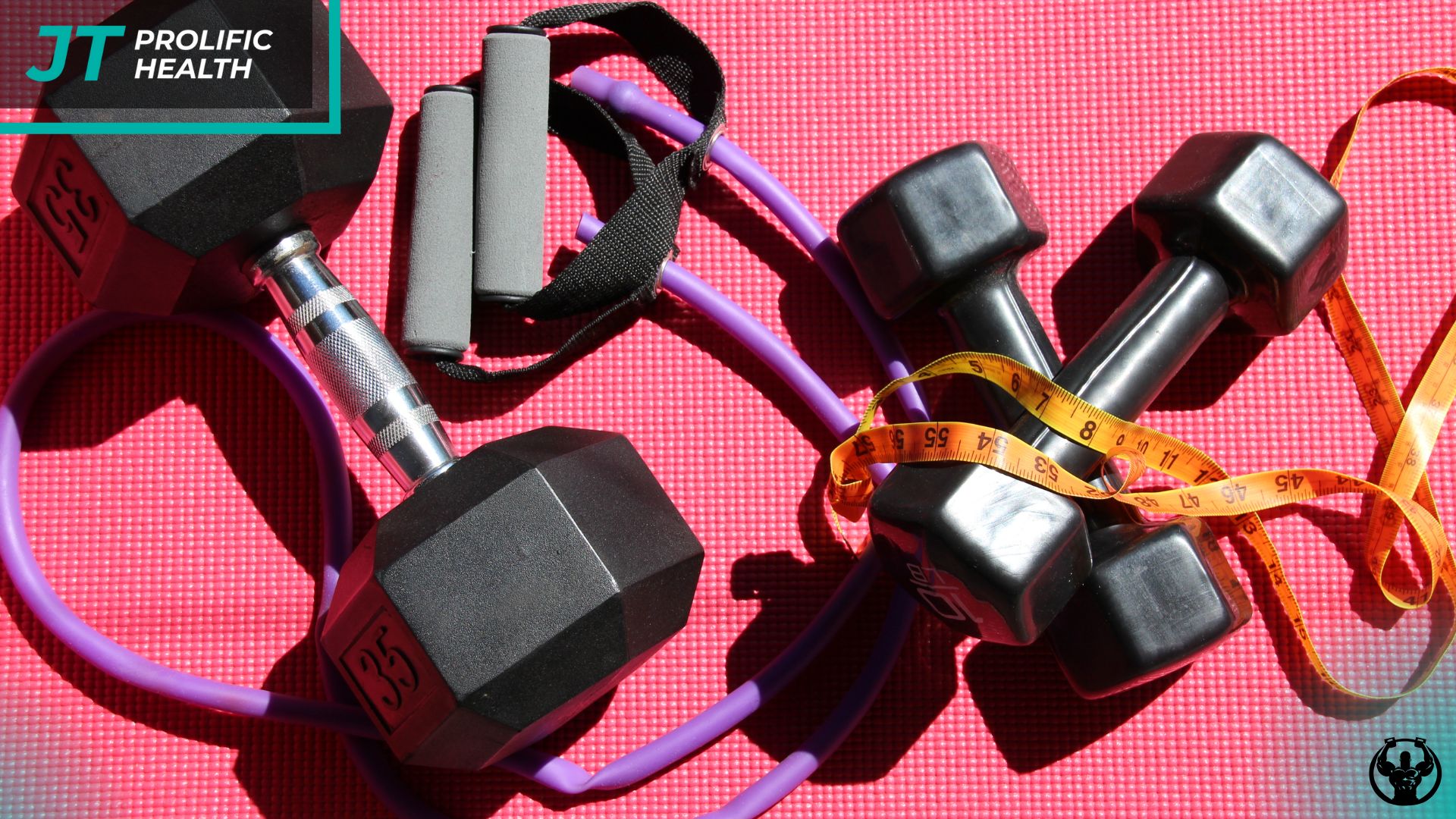
We utilize different “tools” for the same physiological goal. If a barbell back squat is uncomfortable due to shoulder mobility or back issues, we have a menu of modifications:
Safety Squat Bar (SSB): Changes the center of gravity and removes the need for shoulder external rotation.
Goblet Squat: Shifts the weight to the front, allowing for a more upright torso and better core engagement.
Split Squats: Reduces the total load on the spine while still providing a massive stimulus to the legs.
Each of these options targets the quadriceps and glutes effectively but changes the mechanical load on the spine and joints. This is a core part of how we enhance your training cycles to meet your evolving needs.
Beyond the Physical: The Psychology of Adaptation
For the busy executive, “failure” is often not an option in the boardroom. This mindset can be counterproductive in the gym if it leads to an “all-or-nothing” approach. Exercise modifications strategies provide a psychological safety net. Instead of feeling like you “failed” a workout because you couldn’t do the prescribed movement, you learn to adapt.
This builds Self-Efficacy—the belief in your ability to succeed in specific situations. When you know that you can walk into the gym and get a great workout regardless of a nagging shoulder or a lack of sleep, you are much more likely to remain consistent. Consistency is the primary driver of results.
Training the Mind-Muscle Connection
Modifications often force a slower tempo or a more stable position. This is the perfect opportunity to develop the mind-muscle connection. By removing the “ego” of the heavy barbell, you can focus on the quality of the contraction. This neural “re-wiring” often leads to better results when you eventually return to the standard movements.
Achieving Peak Performance at Prolific Health
Starting a fitness journey on your own can be an overwhelming experience. Relying solely on DIY workouts often leads to frustration because there is no one to provide the exercise modifications strategies necessary for your unique body. At Prolific Health, located at 7471 Blundell Road, Richmond, BC, we specialize in providing the professional oversight that busy professionals need.
Our Multi-Pillar Approach
1-on-1 Private Training: The gold standard of customization. We analyze every movement and adjust in real-time.
Group Strength: We maintain small class sizes so that our coaches can provide individual modifications even in a group setting.
Hybrid Coaching: For the traveling professional, we provide modified routines that can be done in a hotel gym or at home, ensuring the workout schedule stays on track.
The Long-Term Vision: Longevity and Capability
The goal of exercise modifications strategies is not to make things “easy.” It is to make things effective. We are training for the “Centenarian Decathlon”—the ability to be physically capable and active in our 80s, 90s, and beyond. This requires a profound respect for joint integrity.
By modifying exercises today, we prevent the “wear and tear” that leads to joint replacements and chronic pain tomorrow. We are building a body that is resilient, adaptable, and capable of handling whatever the high-performance world throws at it.
Frequently Asked Questions
Q: Does modifying an exercise mean I am getting a “lesser” workout?
A: Absolutely not. In fact, a modification often results in a superior workout. When you modify a movement to avoid pain, you can actually apply more intensity to the target muscle. If you are squatting with knee pain, your brain will “gate” your strength to protect the joint. If we switch you to a box squat that is pain-free, you can push your muscles much harder.
Q: How do I know when I should modify an exercise?
A: We use a simple “Stoplight” system:
Green: Muscle burn, fatigue, heavy breathing. Keep going.
Yellow: Minor “niggles,” stiffness, or form beginning to waver. Slow down and adjust.
Red: Sharp pain, joint clicking with pain, or shooting sensations. Stop immediately and modify.
Q: Are modifications permanent?
A: Often, they are a bridge. As your stability and mobility improve through the modified version, you may earn the right to return to the standard version. However, for some, the modification is simply a better long-term fit for their specific anatomy—and that is perfectly fine. The goal is the result, not the specific tool used to get there.
Q: Can a trainer help me with old injuries?
A: Yes. This is one of the primary reasons to hire a professional. We work alongside your healthcare providers (physiotherapists, chiropractors) to ensure your mobility exercises and strength work support your rehabilitation.
Conclusion: A Lifetime of Movement
Mastering exercise modifications strategies is the key to a lifetime of physical freedom. It allows you to navigate the ups and downs of a busy career and the natural changes of the human body without sacrificing your health or your vitality.
By choosing a professional, people-first approach to fitness at Prolific Health, you move away from the rigid, “one-size-fits-all” mindset that leads to burnout and injury. Instead, you embrace a way of training that is as resilient, adaptable, and high-performing as you are.
Ready to train smarter?Book your personalized consultation with Prolific Health today and learn how expert coaching can keep you moving for decades to come.
Your journey toward sustainable, pain-free strength begins with a single, intelligent step. Let’s build a body that serves your life, not one that restricts it.
Deep Dive: Case Studies in Modification
Case Study 1: The “Tech-Neck” Executive
Issue: Chronic neck pain and rounded shoulders from 12-hour workdays.
Modification: Swapped standard Barbell Bench Press (which aggravated the shoulder) for Dumbbell Floor Presses.
Result: The floor limits the range of motion, protecting the front of the shoulder, while allowing the client to build significant chest and tricep strength pain-free.
Case Study 2: The Marathon-Running Parent
Issue: Nagging Achilles tendonitis and limited time.
Modification: Replaced high-impact lunges with Rear-Foot Elevated Split Squats with a slow tempo.
Result: This eliminated the “impact” phase while providing a massive strength stimulus to the glutes and quads, supporting their running goals without the inflammatory flare-ups.
Case Study 3: The Former Athlete with “Bad Knees”
Issue: History of ACL surgery and meniscus tears.
Modification: Utilized Box Squats and Spanish Squats.
Result: These variations allow for a more vertical shin and higher glute recruitment, taking the shear force off the knee joint entirely.
Final Thoughts: The Prolific Health Philosophy
We believe that fitness should be the highlight of your day, not another stressor on your list. By providing a sanctuary of expert guidance at 7471 Blundell Road, Richmond, BC, we help you master the art of the modification. We don’t just give you a workout; we give you a movement education.
In the world of 2026, where everything is standardized and automated, your fitness should be the one thing that is truly personal. Stop the cycle of injury and frustration. Start training with the intelligence and respect your body deserves.
Join the Prolific Health community and reclaim your physical potential.