
If you’re researching how to become a fitness coach, you’re probably drawn to more than workouts—you want to help people feel stronger, healthier, and more capable in real life. A good coach blends training knowledge with communication, empathy, and practical problem-solving, especially for busy professionals and parents. The goal isn’t to be loud or extreme; it’s to be reliable, safe, and effective when someone’s energy, stress, and time are limited.
This guide gives you a clear path from “I love fitness” to “I can coach someone responsibly,” with a holistic emphasis on recovery, mindset, and work-life balance. We’ll also show you why getting coached yourself can accelerate your growth (and help you avoid common mistakes that can lead to plateaus or injuries—see Is Personal Training Worth It? A Cost-Benefit Analysis).
Key Takeaways
To become a fitness coach, you’ll need both credibility (education/certification and safety skills) and coaching skill (communication, assessment, and behavior change).
Start by learning simple principles you can repeat: movement patterns, progression, recovery, and habit-building (a helpful foundation read: Personal Training Basics: Essential Guide for New Clients).
Busy clients don’t need “max effort” daily; they need sustainable programming that respects stress and sleep (related concept: Exploring Microcycle Training for Optimal Performance Gains).
Practice coaching in a structured way: observe, cue, regress/progress movements, and reflect after sessions (technique help: Exercise Demonstration Techniques at Prolific Health).
Getting hands-on support through 1-on-1 Private Training, Group Strength & Conditioning, or Hybrid Personal Training & Coaching can sharpen your eye for technique and accountability faster than staying DIY.
Overview
You’ll learn the step-by-step process for how to become a fitness coach: choosing your coaching lane, meeting common prerequisites, learning core training and recovery concepts, and building real coaching reps with real people. We’ll cover how to coach safely (not just “write workouts”), how to avoid grind culture, and how to keep your own health steady while you build a career.
You’ll also get a practical 30–60–90 day plan, plus FAQs that answer the questions most future coaches ask early on. And if you want to experience what structured coaching feels like before you coach others, we’ll explain how Prolific Health can support you through our coaching services (start here: Online Coaching or Hybrid Personal Training & Coaching).
Define Your Coaching Lane
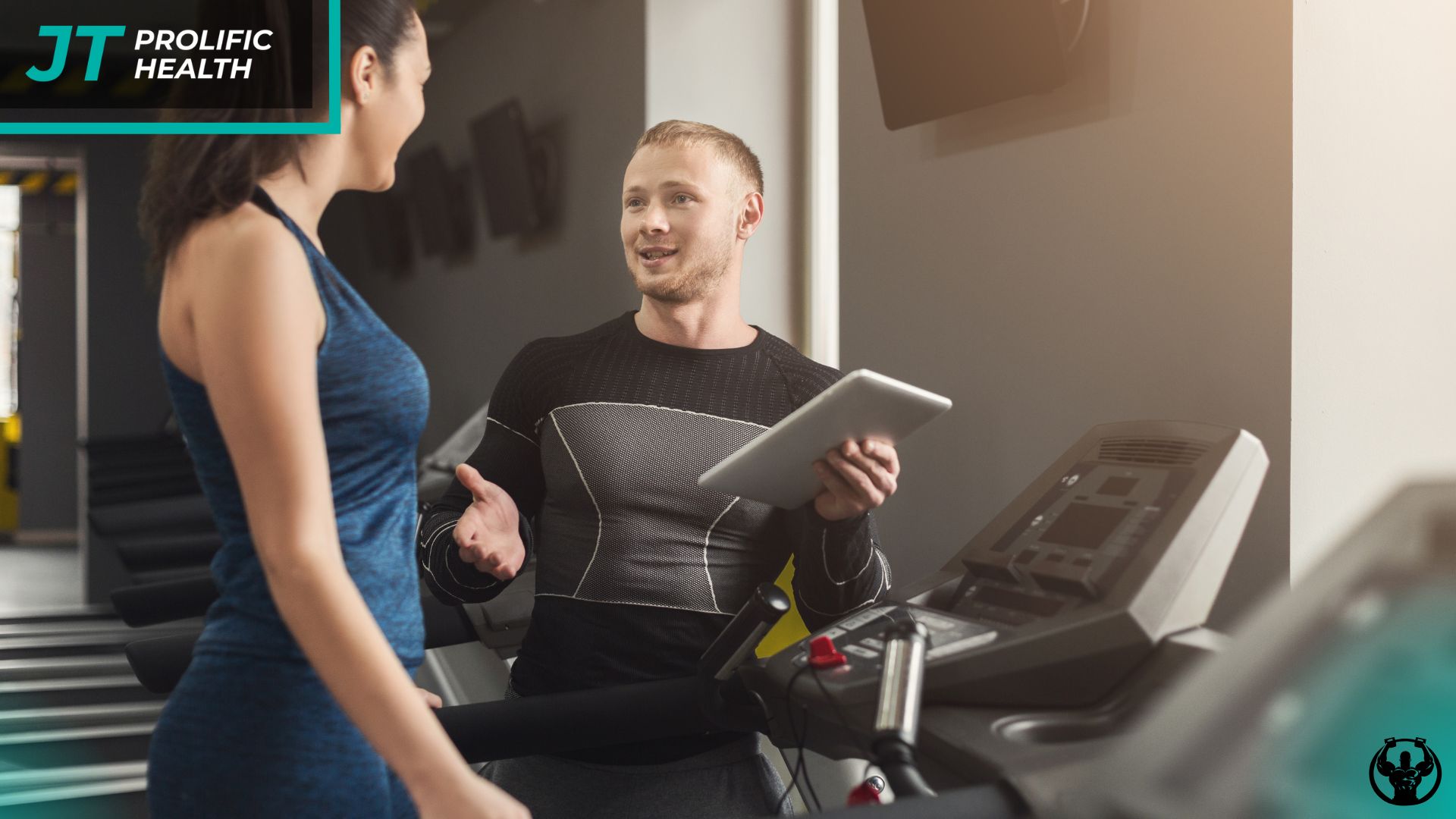
Before you pick courses or post advice online, decide who you want to coach and what outcomes you want to be known for. Many new coaches start too broad, then get overwhelmed trying to learn everything at once. A focused lane helps you choose education, practice opportunities, and messaging that fits real people.
Choose a population you can serve well
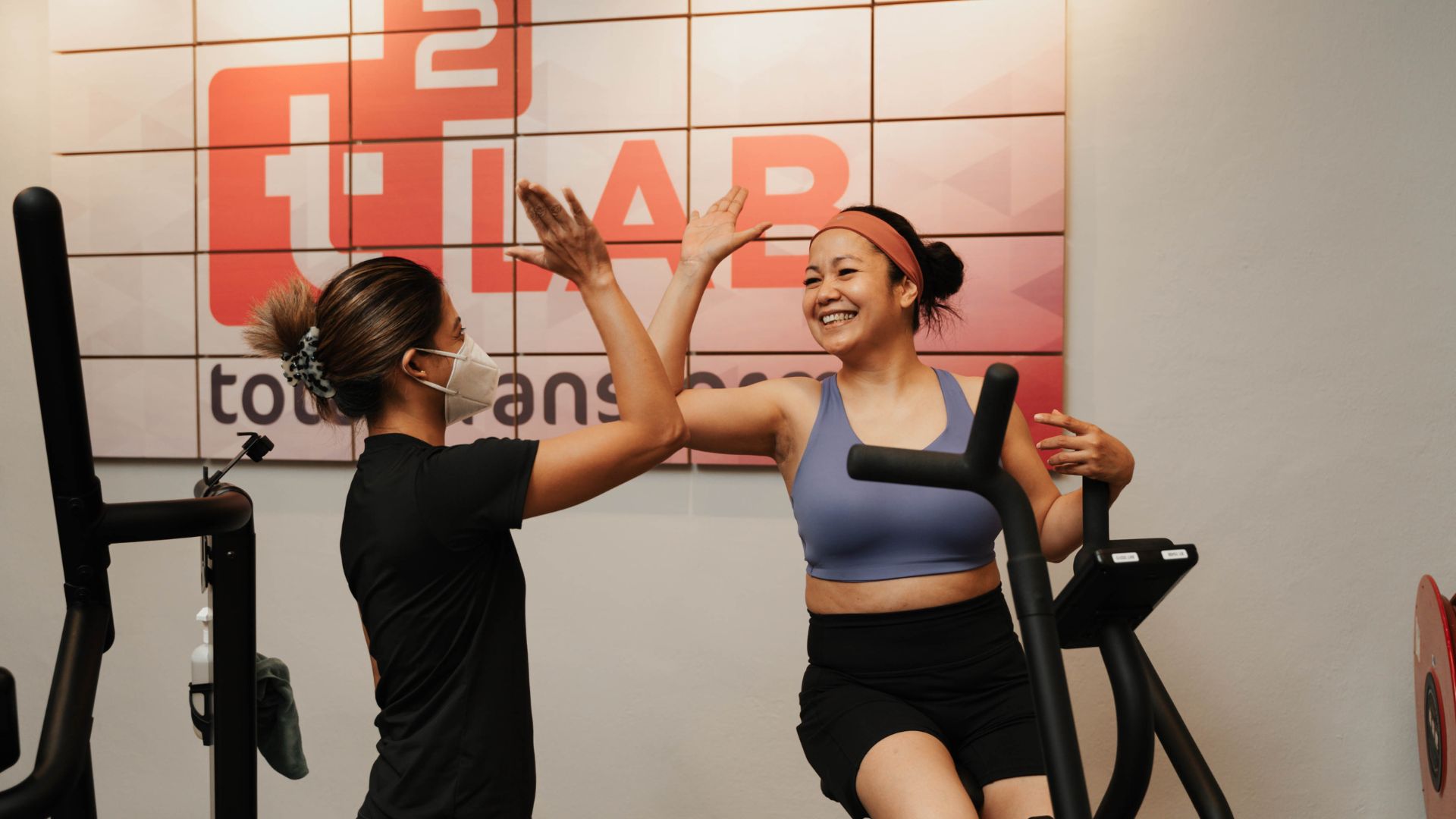
Pick one primary group for the next 6–12 months:
Busy professionals who need strength, energy, and stress-friendly routines.
Parents who need efficient sessions and realistic recovery.
Beginners who need confidence, technique, and simple structure (helpful primer: How to Prepare for Personal Training: Beginner’s Guide).
People returning after time off who need gradual progression and consistency.
When you coach one group repeatedly, you learn patterns faster: common limitations, typical schedules, and what actually keeps someone adherent.
Choose outcomes you’ll coach first
Start with outcomes that are coachable and measurable:
Strength and basic conditioning (see: Prolific Health Guides You Through Cardiovascular Exercises).
Better movement quality (less stiffness, better control).
Habit consistency (showing up, weekly structure, sleep-aware planning; helpful framework: Prolific Health’s Approach to Outcome Goals Setting).
If you try to be “the coach for everything,” you’ll spend more time improvising than coaching.
Get the Non-Negotiables in Place
A fitness coach’s first job is safety. That includes emergency readiness, movement screening habits, and knowing when something is outside your scope (assessment read: Fitness Assessment Tests at Prolific Health).
Typical prerequisites you’ll see
Many mainstream training pathways require a baseline education level and CPR/AED readiness before final assessment or working independently. For example, one major certification pathway lists a high school diploma (or equivalent) and current CPR/AED as requirements before sitting for the exam.
That’s not bureaucracy—it’s a basic signal that you can respond appropriately if something goes wrong during training.
Understand scope and referrals
You can support nutrition habits in a general way (like meal structure, protein consistency, hydration), but diagnosing, treating, or prescribing medical nutrition therapy is a different role. When in doubt, refer out—your trustworthiness grows when you stay in your lane.
Learn the Core Training Principles (Without Getting Lost)
If you want to know how to become a fitness coach, start by mastering what you’ll use daily. You do not need 200 exercises; you need strong decision-making with a small set of tools. Think “principles first, variations second.”
The 5 key movement patterns
Most strength programs revolve around:
Squat
Hinge
Push
Pull
Carry/core bracing
Your coaching skill shows up in how you teach these patterns, not how fancy your exercise list looks.
Progressive overload (in plain language)
People improve when the training challenge slowly increases and recovery supports adaptation. A well-known resistance training progression position stand outlines how program variables (like load, volume, rest, and exercise selection) can be adjusted over time based on training status and goals.
Practical coaching translation: progress doesn’t have to mean “more weight every week.” It can mean better form, more range of motion, an extra rep, or slightly shorter rest (program structure concept: Exploring Microcycle Training for Optimal Performance Gains).
Baselines matter more than hype
Before you “push,” collect simple baseline info:
Current activity level and schedule constraints.
Pain history and movement limitations.
Sleep quality and stress load.
This keeps your programming grounded in reality instead of internet intensity.
Coach Recovery Like It’s Part of Training
New coaches often program workouts and hope recovery “just happens.” For busy people, recovery is usually the bottleneck. When you coach recovery well, you help clients stay consistent—and consistency is the quiet advantage.
Use public health guidelines as a simple anchor
A straightforward starting benchmark for adults is working toward weekly aerobic activity and muscle-strengthening days. The CDC’s adult activity guidance summarizes this approach and gives practical ways to meet the recommendations.
As a coach, you can scale that up or down based on the person in front of you, but having a public standard keeps your plan from becoming random.
Teach the difference between soreness and progress
Soreness can happen, but chasing it is a poor strategy—especially for parents and professionals who still need to function the next day. A coach helps clients train at an intensity they can repeat, then progresses the plan gradually as their tolerance grows. That approach protects adherence and reduces the “all-or-nothing” crash.
Mindset and Work-Life Balance (For You and Your Clients)
A holistic coach doesn’t just teach reps; you teach self-management. That includes how clients talk to themselves, how they respond to missed sessions, and how they stay steady during stressful weeks. If your client’s life is chaotic, your plan must be stable.
Why grind culture backfires for busy people
“More” isn’t always better when sleep is short and stress is high. Overly aggressive plans can raise dropout risk because they demand a lifestyle your client doesn’t have. Sustainable coaching is a skill: you keep progress moving while respecting the person’s bandwidth.
Your coaching career needs the same balance
If you’re learning how to become a fitness coach while working full-time, you’ll need a pace you can maintain. Many fitness roles involve non-traditional hours, including nights and weekends, so planning your weekly rhythm early matters.
Build Coaching Skill Through Practice (Not Just Studying)
Reading is helpful, but coaching is a performance skill. You get better by watching movement, giving cues, and adapting on the spot.
A simple practice loop for every session
After each practice session (even with a friend), review:
What was the goal of the session?
What cues worked quickly?
Where did the client get stuck?
What will you change next time?
You’ll build a personal “coaching library” faster than you think.
Learn from being coached
One shortcut: be a client. When you experience real coaching, you feel what clarity, pacing, and accountability look like. It also helps you understand why many people don’t thrive with DIY workouts long-term—because they need feedback, progression decisions, and a plan that adjusts when life changes (related: Is Personal Training Worth It? A Cost-Benefit Analysis).
If you want a strong starting point as a client, these Prolific Health resources can support your foundation:
Read prepare for training here: How to Prepare for Personal Training: Beginner’s Guide
Learn outcome goals framework here: Prolific Health’s Approach to Outcome Goals Setting
Explore cardio exercise basics here: Prolific Health Guides You Through Cardiovascular Exercises
Study the microcycle training guide here: Exploring Microcycle Training for Optimal Performance Gains
Consider personal training worth it here: Is Personal Training Worth It? A Cost-Benefit Analysis
A 30–60–90 Day Plan to Start Coaching Responsibly
You don’t need to “arrive” before you start. You need a plan that builds competence in layers.
First 30 days: Foundation and safety
Focus on:
CPR/AED readiness and basic risk awareness (a common requirement in major pathways).
Movement pattern coaching: regressions, progressions, and clear cues (see: Exercise Demonstration Techniques at Prolific Health).
Your weekly schedule: protect your sleep and study time.
Keep your practice sessions simple and repeatable.
Days 31–60: Coaching reps and communication
Focus on:
Coaching 2–4 sessions/week (practice clients, friends, or supervised settings).
Better coaching language: fewer cues, clearer cues.
Simple program structure: 2–3 strength sessions + realistic conditioning (see: Prolific Health Guides You Through Cardiovascular Exercises).
This is where your confidence becomes earned, not imagined.
Days 61–90: Build systems and professionalism
Focus on:
Onboarding flow: baseline info, goals, schedule, constraints (see: Get Fit Your Way: Personalized Training Consultations).
Progress tracking that doesn’t overwhelm: performance notes, consistency, recovery markers.
A client experience that feels calm and supportive.
At this stage, your “brand” is your consistency and care.
Call to action
If you’re serious about learning how to become a fitness coach, one of the best ways to build real coaching instincts is to experience high-quality coaching first—so you can feel what safe progression, smart recovery, and accountability actually look like week to week.
If you want to train with Prolific Health, explore 1-on-1 Private Training, Group Strength & Conditioning, or Hybrid Personal Training & Coaching, then reach out via the Contact page.
Common Questions About the how to become a fitness coach
Q: How do I start if I’m passionate but not “expert” yet?
A: Start by choosing one population (like busy professionals) and learning fundamentals: movement patterns, basic progression, and recovery habits. Get CPR/AED ready early, since many pathways require it before final assessment. Then practice coaching weekly, reflect after sessions, and improve your cueing over time (related: Personal Training Basics: Essential Guide for New Clients).
Q: Do I need a certification to become a fitness coach?
A: Many employers and clients look for a recognized credential because it signals baseline knowledge and risk awareness. Some certification routes list prerequisites like a high school diploma (or equivalent) and CPR/AED before sitting for the exam. Certification doesn’t replace experience, but it can support credibility when you’re new.
Q: What should I learn first: anatomy, programming, or nutrition?
A: Learn enough anatomy to coach safely, then learn simple programming built around major movement patterns and gradual progression. Keep nutrition coaching basic at first—meal structure, protein consistency, hydration—so you stay helpful without overstepping. As you grow, expand your knowledge based on the clients you serve most often.
Q: How do I coach recovery without sounding “soft”?
A: Frame recovery as performance support. Explain that adaptation happens when training stress and recovery are balanced, and that poor sleep or high stress can reduce training quality. Public health guidelines can also help clients understand that consistent weekly activity beats occasional extremes. Practical recovery coaching improves adherence.
Q: How many hours do fitness coaches usually work?
A: Hours vary, but many coaches work when clients are available—early mornings, evenings, and weekends. Planning your own weekly rhythm matters so you don’t burn out while you build experience. Fitness roles can be flexible, but flexibility can also blur boundaries if you don’t set them.
Q: How do I avoid “grind culture” in my coaching style?
A: Use progression that respects the client’s schedule and recovery, and measure success by consistency and improved performance—not exhaustion. Give clients a “minimum effective week” option for high-stress periods so they don’t quit when life gets busy. This approach is especially helpful for parents and professionals.
Q: What should I track with clients early on?
A: Track a small set of markers: sessions completed, key lift reps/loads, energy levels, sleep quality, and any pain signals. This keeps coaching decisions clear without burying the client in data. The goal is to spot patterns and adjust the plan calmly, not to create pressure.
Q: Can I become a fitness coach while working full-time?
A: Yes. Your key is scheduling: block consistent study windows, keep practice coaching sessions simple, and build your hours gradually so you don’t crash. Treat it like a long game, not a sprint.
Q: What’s the fastest way to improve my coaching eye for form?
A: Get coached yourself and practice cueing regularly. When you experience good coaching, you learn pacing, exercise selection, and how feedback should feel. Combine that with repeated practice on a small group of movements (squat, hinge, push, pull), and your ability to spot issues improves quickly (service options: 1-on-1 Private Training or Hybrid Personal Training & Coaching).
Q: What if I want to coach holistically, not just run workouts?
A: Holistic coaching means you consider training, recovery, and mindset—and you plan around real life. It also means you respect scope: help with general habits and behavior change, and refer out when something is clinical. The best holistic coaching looks calm, practical, and repeatable for the client.
Conclusion
Learning how to become a fitness coach is a mix of credibility, practice, and care: you build safety skills, learn repeatable training principles, coach recovery and mindset, and then earn confidence through real coaching reps. If you want to coach busy professionals well, your edge won’t be extreme workouts—it’ll be sustainable programming, clear communication, and consistent accountability.